

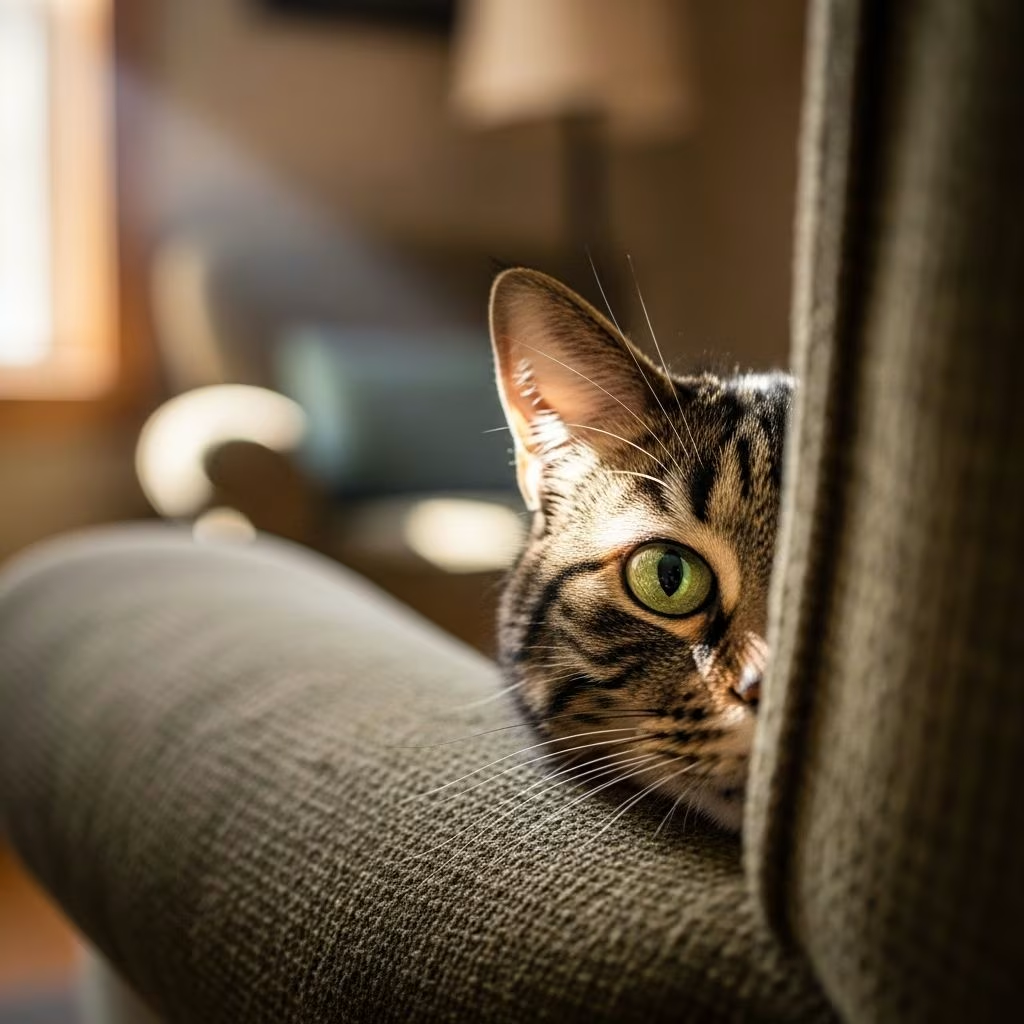
Playing hide and seek with your cat transforms a simple game into an enriching experience that taps into their primal instincts as both hunter and prey. Cats naturally love hiding in dark, enclosed spaces for safety, relaxation, and ambush play, making this game ideal for bonding and mental stimulation.
Why Do Cats Love Hide and Seek?
Cats hide instinctively because they are crepuscular animals, most active at dawn and dusk, seeking secluded spots to rest during the day while staying vigilant against predators. This behavior stems from their wild ancestors who used hiding for hunting prey by stealth and avoiding larger threats. In modern homes, hiding provides security, warmth, and a stress-free retreat, especially during noisy times or family gatherings.
When you initiate hide and seek, you’re engaging these instincts directly. Your cat gets to ‘hunt’ you or toys from a safe vantage, fulfilling predatory drives without real danger. This play reduces anxiety from changes like new pets, moves, or visitors, as hiding makes them feel secure. Regular sessions prevent boredom, promote physical activity, and strengthen your relationship, mimicking natural social interactions in feline colonies.
The Benefits of Playing Hide and Seek with Cats
- Physical Exercise: Chasing, pouncing, and darting build muscle tone, improve agility, and help maintain a healthy weight, countering obesity common in indoor cats.
- Mental Stimulation: The game sharpens problem-solving as cats strategize ambushes and locate hidden targets, preventing destructive behaviors from understimulation.
- Stress Reduction: Hiding spots offer emotional security, lowering cortisol levels during play and aiding adjustment to household changes.
- Bonding Enhancement: Shared excitement releases oxytocin, fostering trust and affection between you and your cat.
- Instinct Fulfillment: Satisfies hunting urges ethically, reducing unwanted prey-like behaviors toward smaller pets or insects.
Studies on feline behavior confirm play therapy like hide and seek improves welfare, with sheltered cats showing reduced fearfulness after interactive sessions.
How to Play Hide and Seek with Your Cat: Basic Rules
Start simple to build confidence. Use a toy like a feather wand or laser pointer as bait. Hide in easy spots first, calling softly or rustling to lure them. When found, reward with praise and treats. Gradually increase difficulty with better hides or longer waits.
- Prepare the Space: Clear obstacles; use cat-safe areas like living rooms.
- Choose a Lure: Toys mimicking prey movement excite their chase instinct.
- You Hide First: Let cat ‘seek’ you; peek out if needed to avoid frustration.
- Switch Roles: Hide toys or yourself while cat hides, encouraging mutual play.
- End Positively: Sessions of 10-15 minutes, 2-3 times daily, followed by treats.
Adapt for shy cats by starting in familiar rooms, progressing to multi-room hunts. Patience is key—some cats prefer observing before joining.
Best Hiding Spots for Hide and Seek
Cats favor enclosed, elevated or low, dark areas offering rear protection while allowing forward views. Popular spots include:
- Cardboard boxes: Insulating, four-walled security; smaller sizes preferred for coziness.
- Under beds or furniture: Dark, inaccessible to humans, with familiar scents.
- Closets and drawers: Warm, secluded; check for hazards like wires.
- Cabinets or shelves: Elevated vantage points for ambush.
- Bathroom sinks or laundry baskets: Humid warmth appeals in winter.
| Spot Type | Why Cats Love It | Hide and Seek Tip |
|---|---|---|
| Boxes | Warmth, enclosure | Rotate sizes for novelty |
| Under Bed | Dark, safe from guests | Use long toy to fish them out |
| Closets | Scented familiarity | Leave door ajar for peeking |
| Shelves | Elevated security | Place treats nearby to coax |
Encourage new spots with placed toys or catnip to expand their ‘territory’ during games.
Advanced Hide and Seek Variations
Elevate play with twists:
- Toy Hide: Conceal multiple toys; let cat hunt independently.
- Partner Play: One person distracts while another hides.
- Outdoor Version: In enclosed yards, using bushes or sheds—supervised only.
- Tech Aids: Apps with sounds or treat-dispensing toys for solo sessions.
- Group Games: Multi-cat households; rotate hiding to prevent bullying.
These keep veterans engaged, promoting longer attention spans and creativity.
Troubleshooting Common Hide and Seek Issues
Not all cats dive in immediately. If yours hides excessively without emerging:
- New Cats: Allow adjustment time in a safe room with gates.
- Fearful Response: Use pheromone diffusers; avoid forcing interaction.
- Overstimulation: Watch for tail thrashing; pause and resume later.
- No Interest: Try dawn/dusk sessions when energy peaks.
Pregnant or unspayed females may hide pre-birth; provide nesting boxes.
When Hiding Means More: Health Checks
Normal hiding is playful or restful, but sudden increases signal issues. Cats mask illness expertly as a survival tactic. Watch for:
- Lethargy, appetite loss, or litter avoidance alongside hiding.
- Vomiting, diarrhea, or limping.
- Prolonged isolation post-stressors like moves.
Consult a vet promptly; conditions like UTIs or respiratory infections prompt hiding. Early detection saves lives—cats hide pain until advanced stages.
Frequently Asked Questions (FAQs)
Why is my cat hiding more than usual?
Cats hide excessively due to stress, new environments, illness, or instinctual needs. Monitor for other symptoms and vet check if persistent.
Is it safe to play hide and seek with kittens?
Yes, from 8 weeks; it aids development. Use soft toys and short sessions to match energy.
My cat hides from guests—how to help?
Provide elevated perches and quiet zones; gradual desensitization with treats works.
Can hide and seek help aggressive cats?
Yes, by channeling energy positively, reducing frustration from unmet instincts.
What if my cat never comes out to play?
Build trust slowly; scent-swap bedding and use interactive feeders first.
Conclusion: Make Hide and Seek a Daily Ritual
Incorporate hide and seek into routines for a happier, healthier cat. This game honors their nature while deepening your connection, turning ‘hiding’ from concern to cherished playtime.
References
- Why Is My Cat Hiding? — PetMD. 2023-05-15. https://www.petmd.com/cat/behavior/why-is-my-cat-hiding
- Hiding Behavior in Cats — Feline Behavior Solutions. 2022-11-10. https://felinebehaviorsolutions.com/hiding-behavior-in-cats/
- Hide and Seek: Is Your Cat Hiding from You? — Hill’s Pet Nutrition. 2024-02-20. https://www.hillspet.com/cat-care/behavior-appearance/cat-likes-hiding-in-small-dark-spaces
- Why Is My Cat Hiding? 5 Reasons Why & How To Find Them — Tractive. 2023-08-05. https://tractive.com/blog/en/good-to-know/cat-hiding-why-does-my-cat-hide-all-the-time
- Why Do Cats Sneak Around? — Cats.com. 2023-01-12. https://cats.com/why-do-cats-sneak-around
- Cats Hiding – Cat Behaviour Help & Advice — Cats Protection. 2024-06-18. https://www.cats.org.uk/help-and-advice/cat-behaviour/cats-hiding



