

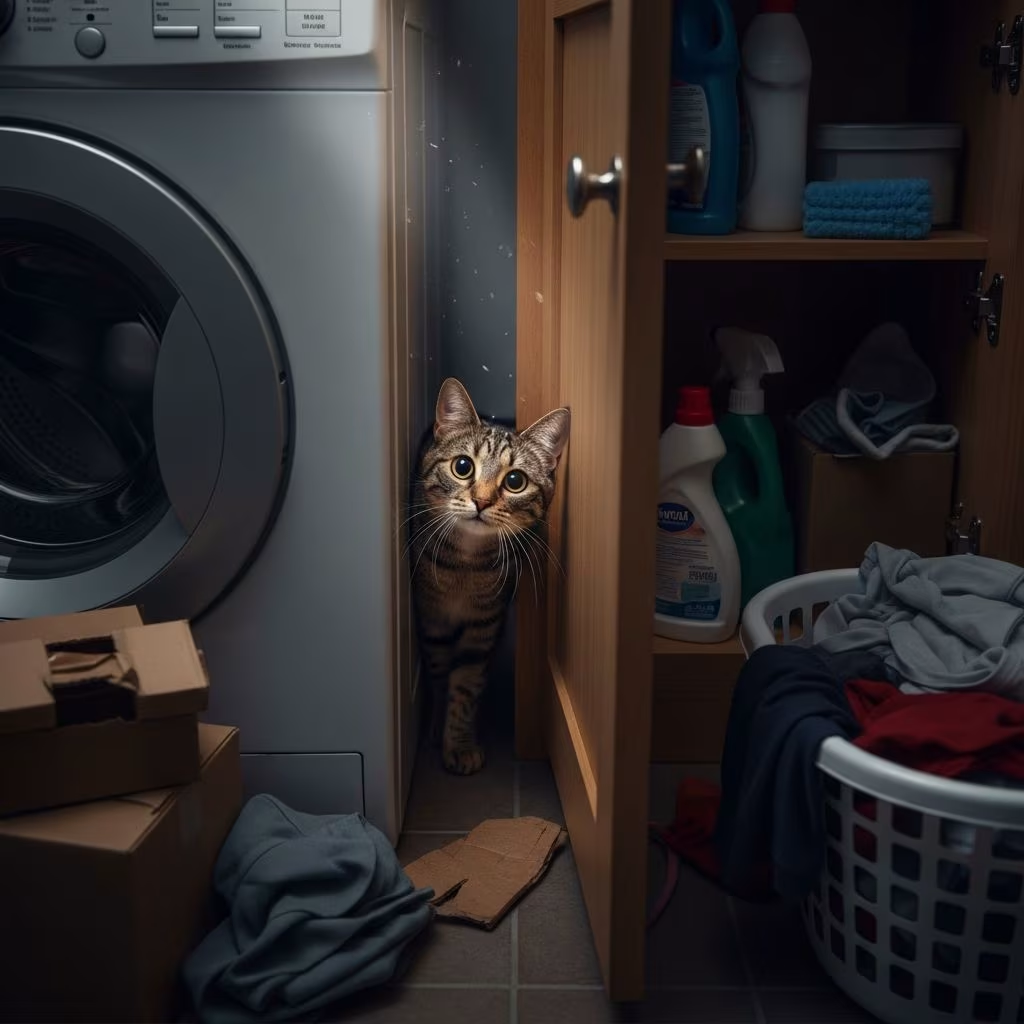
Indoor cats enjoy a sheltered life free from outdoor predators and traffic, but their curiosity often leads them into precarious household spots. These felines, with their slim bodies and love for squeezing into tight areas, frequently end up trapped in everyday appliances, furniture crevices, and unsecured areas. Understanding these risks allows pet owners to create a safer environment, preventing distress, injury, or worse.
Why Indoor Cats Are Prone to Getting Stuck
Cats’ natural instincts drive them to explore warm, dark, or elevated spaces, mimicking wild hiding spots. Unlike dogs, cats can contort into impossibly small gaps, but they lack the strength or awareness to always escape. Statistics from veterinary reports highlight that entrapment accounts for a significant portion of indoor cat emergencies, often requiring human intervention or professional rescue.
Common triggers include seeking warmth from running appliances or batting at dangling cords that pull them into danger zones. Kittens are especially vulnerable due to their playful energy, while seniors may misjudge spaces due to reduced agility. Proactive home audits can mitigate these issues effectively.
Appliance Ambushes: Warm Machines That Lure and Trap
Household appliances top the list of entrapment hotspots because they offer cozy, vibrating warmth that cats crave, especially in cooler months. A running washer or dryer hums invitingly, prompting cats to hop inside for a nap.
- Washers and Dryers: Cats slip in through open doors, curling up amid damp clothes. Once the cycle starts, they face drowning, heat exhaustion, or blunt trauma.
- Dishwashers: Open units with steamy interiors tempt cats onto lower racks, where closing doors seal them in with harsh detergents and scalding water.
- Ovens and Refrigerators: Preheating ovens draw cats to proofing dough spots; fridges hide them during door closures.
To counter this, adopt a ‘check before start’ ritual. Bang on the door, shine a flashlight inside, and call your cat’s name before operating any machine. Install childproof latches on dishwasher fronts and keep oven doors shut during use.
Furniture Follies: Recliners, Sofas, and Drawer Dangers
Furniture provides endless climbing and burrowing opportunities, but mechanisms and voids create deadly traps. Recliner chairs with footrests crush cats hiding beneath when reclined unexpectedly.
| Furniture Type | Risk Level | Prevention Tip |
|---|---|---|
| Recliners | High | Inspect under seat before sitting or reclining |
| Sofas with Loose Springs | Medium | Use furniture guards; vacuum crevices weekly |
| Bed Frames | Medium | Seal gaps with foam blockers |
| Drawers and Cabinets | High | Fit magnetic locks |
Sofa undersides harbor springs and fabric tunnels where paws or tails get snagged. Bed frames with slats leave head-sized gaps perfect for neck entrapment. Always demonstrate safe use to household members, particularly children, and consider pet-safe furniture redesigns like solid-base beds.
Window Woes and Balcony Blunders
Even strictly indoor cats succumb to the allure of fresh air and birdwatching. Open windows without secure screens allow leaps onto sills, risking falls or head-stuck scenarios in tilted frames.
- Balconies pose ‘high-rise syndrome’ threats, where cats plummet from heights, surviving but with shattered bones.
- Curtain rods and blinds dangle temptingly, tangling necks or limbs.
Solutions include mesh screens rated for pet impact, window restrictors limiting openings to 4 inches, and balcony netting. Never leave upper-floor windows ajar unsupervised. For bird-loving cats, provide window perches away from risky edges.
Kitchen and Bathroom Perils: Sinks, Cabinets, and More
Kitchens buzz with activity, hiding traps in cabinets under sinks where cats chase pipe drips or rodents. Garbage disposals whir lethally if paws probe drains.
Bathrooms amplify risks: open toilet lids invite slips and drownings, while vanity cabinets conceal cleaners and plungers. Medicine chests swing open, spilling pills into playthings.
Secure cabinets with dual-action locks, lid-lock toilets, and cover drains with screens. Store chemicals in locked garages, opting for pet-safe alternatives like vinegar-based cleaners.
Small Space Squeeze: Vents, Printers, and Tight Corners
Vents and HVAC returns suck in curious noses, with fans posing amputation risks. Printers and shredders tempt batting paws into spinning blades.
- Seal floor vents with decorative grates.
- Unplug office machines when idle; store paper rolls out of reach.
Under-stair storage and wall voids accessed via baseboards trap explorers. Block with plywood panels and monitor baseboard heater gaps.
Seasonal and Less Obvious Traps
Winter brings suitcase zips trapping tails during packing, while holiday trees topple with climbing cats. Summer AC units harbor condensation pools drawing drinkers into units.
Fireplaces with open flames singe whiskers; use guards. Christmas lights tangle like toys, leading to chew electrocutions.
Prevention Blueprint: A Room-by-Room Safety Plan
Conduct weekly sweeps: flashlight under furniture, door checks on appliances. Enrich environments with cat trees, tunnels, and toys to deter risky explorations.
Family training is key—post checklists in kitchens and laundries. Microchip and collar with ID ensure recovery if escapes occur.
Emergency Response: What If Your Cat Gets Stuck?
Listen for meows or scratches. Never force objects; use treats to lure out. For deep entrapments, contact firefighters or vets immediately. Symptoms like lethargy post-escape warrant toxin checks.
Frequently Asked Questions
Can indoor cats really fall from windows?
Yes, even cautious ones. ‘High-rise syndrome’ affects indoor cats frequently; secure screens prevent this.
How do I cat-proof my recliner?
Check beneath before use, add rigid under-guards, or choose manual non-reclining options.
Are child locks enough for cabinets?
They work well; opt for magnetic ones cats can’t paw open.
What if my cat swallows a rubber band?
Monitor for vomiting; vet x-rays detect blockages promptly.
Do older cats face more risks?
Yes, arthritis limits escape; provide ramps and wider paths.
Long-Term Habits for a Cat-Safe Home
Integrate safety into routines: daily appliance checks, monthly furniture audits. Invest in durable cat-proofing like steel screens and bolted shelves. Consult vets for personalized advice, ensuring vaccinations cover any supervised outdoor time.
By anticipating feline folly, owners transform homes into havens. Vigilance paired with enrichment keeps curiosity safe, fostering joyful, accident-free years.
References
- Is your house safe for a cat? — Banfield Pet Hospital. 2023. https://www.banfield.com/Wellness-at-banfield/kitten-hub/kitten-cat-proof-your-house
- Cats | Healthy Pets, Healthy People — Centers for Disease Control and Prevention (CDC). 2024-01-15. https://www.cdc.gov/healthy-pets/about/cats.html
- Common Cat Hazards — Cornell University College of Veterinary Medicine. 2022. https://www.vet.cornell.edu/departments-centers-and-institutes/cornell-feline-health-center/health-information/feline-health-topics/common-cat-hazards
- 10 Common Household Hazards for Cats — PetMD. 2023-05-10. https://www.petmd.com/cat/slideshows/10-common-household-hazards-cats
- The Most Common Hazards for Indoor Cats — Happy Hounds Pet Services. 2024. https://www.happyhoundspetservices.com/blog/the-most-common-hazards-for-indoor-cats-and-how-to-keep-them-safe



