

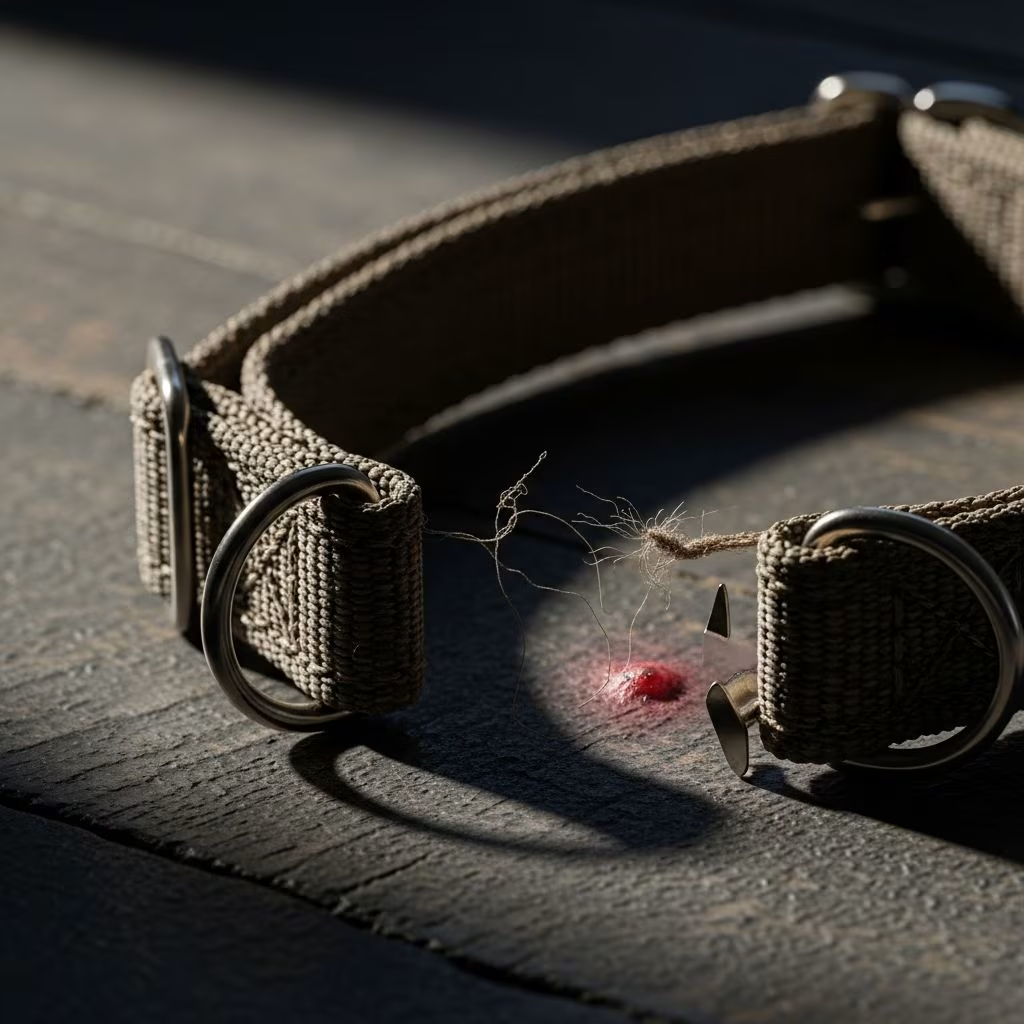
Dog collars are ubiquitous accessories for pet owners, serving as essential tools for identification, leashing, and training. However, beneath their everyday utility lies a range of potential hazards that can lead to severe injuries or even death. From accidental strangulation to chronic neck damage, understanding these risks is crucial for safeguarding your canine companion’s health.
Common Collar-Related Injuries in Dogs
Collars can cause harm in multiple ways, often unexpectedly during routine activities. Strangulation tops the list of dangers, occurring when a collar snags on objects like fences, crates, or furniture, leading to suffocation if the dog cannot free itself. Veterinary reports indicate that such incidents are alarmingly frequent, with estimates suggesting over 26,000 collar-related accidents annually, many during playtime when dogs bite at each other’s collars.
Beyond strangulation, collars contribute to limb and mouth injuries. A loose collar might allow a dog’s leg to slip through during scratching, risking fractures, while attempts to groom can trap teeth or tongues, causing dental damage. Neck strain from pulling or improper yanking exacerbates these issues, potentially harming sensitive structures like the thyroid, trachea, and esophagus.
- Strangulation: Snagging on environmental obstacles or during play.
- Limb fractures: Legs caught in loose collars.
- Mouth trauma: Teeth or tongue entrapment.
- Neck damage: Repeated stress from leash tension.
Dangerous Collar Types to Avoid
Not all collars pose equal threats; certain designs amplify risks through intentional discomfort or pain. Choke chains, prong collars, and shock collars are particularly hazardous, applying force that can result in whiplash, tracheal collapse, paralysis, and even brain damage.
| Collar Type | Primary Risks | Reported Injuries |
|---|---|---|
| Choke Chains | Tightens with pull | Trachea crushing, asphyxiation, vertebral dislocation |
| Prong Collars | Pins dig into skin | Neck bruising, thyroid damage, aggression |
| Shock Collars | Delivers electric shocks | Burns, fear-induced anxiety, heart issues |
Studies on neck pressure during walks reveal that these collars exert excessive force, far beyond what flat collars or harnesses apply, leading to ischemic damage in vital areas. Pain-based training erodes trust, heightening stress and aggression risks.
Why Strangulation Happens So Often
Strangulation incidents frequently occur in unsupervised settings. Dogs left crated with collars risk tags catching on wires, prompting grooming chains to mandate collar removal. Play between dogs accounts for many cases, as biting collars leads to tangling. A survey of pet professionals found over 50% had witnessed such accidents, underscoring the prevalence.
Even flat collars aren’t immune; agility sports ban them to prevent course obstacles from causing hangs. The dilemma arises: constant wear ensures ID but invites snags, while removal risks lost pets without tags.
Safer Alternatives for Everyday Use
Switching to harnesses distributes force across the chest, minimizing neck strain—a recommendation echoed by vets for pullers. Front-clip harnesses redirect pulling instincts, reducing pressure without pain.
Breakaway collars offer a compromise for ID needs. These feature quick-release mechanisms activating under 25-50 pounds of force, preventing strangulation while holding tags securely for leashes via dual rings. Products like the KeepSafe Collar exemplify this, designed for play and crate safety.
- Harness benefits: No neck pressure, ideal for walks and training.
- Breakaway features: Releases in emergencies, retains leash functionality.
- Martingale collars: Limited tightening for escape artists, without choke risk.
Best Practices for Collar Safety
Fit matters immensely: collars should allow two fingers between neck and strap, tight enough to prevent slippage but loose for breathing. Inspect regularly for wear, as frayed materials heighten snag risks.
- Remove collars when unsupervised, especially in crates or yards.
- Use harnesses for leashed activities, reserving collars for ID only.
- Opt for breakaway or safety toggles on flat collars.
- Avoid pain-based tools; positive reinforcement builds better behavior.
- Train loose-leash walking to eliminate pulling pressures.
For multi-dog homes, schedule play without collars to curb biting incidents.
Understanding the Science of Collar Forces
Research quantifies collar impacts. A study measuring neck pressure during walks found collars generate peak forces risking vascular and neurological harm, particularly in reactive dogs. Prong and choke variants amplify this, with potential for hypothyroidism from glandular compression.
Harnesses, conversely, showed negligible neck stress, supporting their superiority for health. These findings align with veterinary consensus favoring force-free gear.
Real-World Prevention Stories
Pet professionals report transformative changes post-incident. One trainer noted 15% of clients experienced near-strangulations, prompting universal breakaway adoption. Groomers’ policies—collars off in kennels—have curbed fatalities. Owners experimenting with shock collars on themselves highlight the terror, advocating humane methods.
FAQs on Dog Collar Safety
Should I leave a collar on my dog at home?
It’s safest to remove collars indoors when unsupervised to avoid snags on furniture or during play.
Are harnesses better than collars for walking?
Yes, especially for pullers; they protect the neck and encourage better walking habits.
What if my dog pulls hard on the leash?
Use a front-clip harness and train with positive methods, avoiding aversive collars.
Do breakaway collars work with leashes?
Most have dual rings: leash attachment disables breakaway for walks.
Can shock collars train effectively?
They risk physical and psychological harm, with studies showing increased aggression.
Choosing the Right Gear for Your Dog
Assess your dog’s size, breed, and behavior. Small dogs prone to jumping need breakaways; strong pullers benefit from no-pull harnesses. Always prioritize comfort and safety over tradition.
By staying informed and proactive, you can mitigate collar dangers, ensuring your dog enjoys a long, healthy life free from preventable accidents.
References
- Is Your Dog’s Collar Causing Harm? — PETA. Accessed 2026. https://www.peta.org/lifestyle/animal-companions/dangerous-dog-collars/
- 5 Ways Collars Can Harm Your Dog — PetMD Editorial. 2018-01-16. https://www.petmd.com/dog/care/5-ways-collars-can-harm-your-dog
- The Safest Types of Dog Collars (and the Most Dangerous) — Whole Dog Journal. Accessed 2026. https://www.whole-dog-journal.com/care/collars-harnesses-leashes-muzzles/the-safest-types-of-dog-collars-and-the-most-dangerous/
- The Hidden Danger Behind Dog Collars — Animal Behavior College. Accessed 2026. https://www.animalbehaviorcollege.com/blog/lifestyle/dog-strangulation-by-collar/
- BREAKAWAY COLLAR | Rydersafefoundation — Ryder Safe Foundation. Accessed 2026. https://www.rydersafefoundation.com/keepsafe-collar
- Tests of Forces Acting on Collars and Harnesses for Dogs — HBK. Accessed 2026. https://www.hbkworld.com/en/knowledge/resource-center/case-studies/case-study-tests-of-forces-acting-on-collars-and-harnesses-for-dogs
- Pressure and force on the canine neck when exercised using… — PMC (Peer-reviewed). 2020. https://pmc.ncbi.nlm.nih.gov/articles/PMC7386734/



