

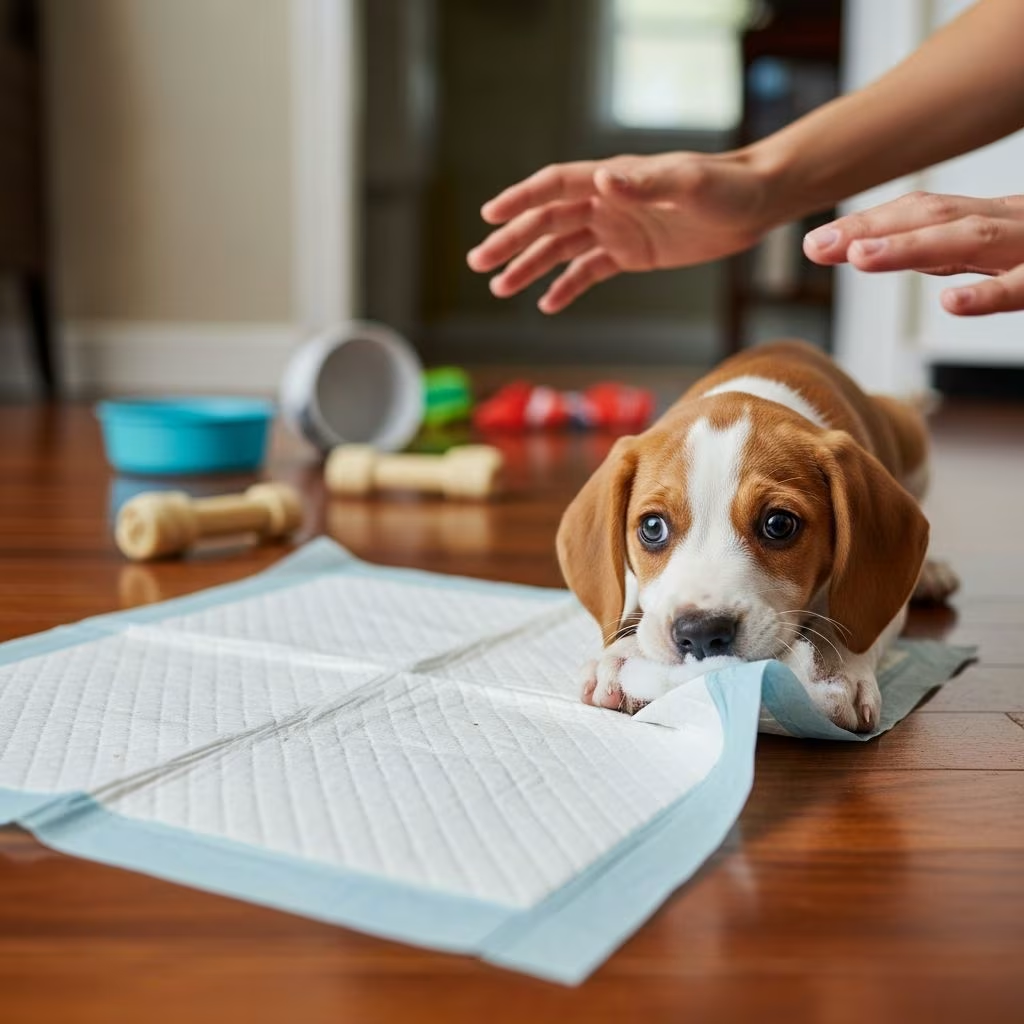
Puppy training pads offer a quick fix for indoor accidents, but they come with significant drawbacks that can hinder long-term success in housebreaking your dog. These disposable or reusable mats absorb urine and feces, yet they frequently create more problems than they solve, from behavioral confusion to potential toxicity.
Why Puppy Pads Disrupt Effective House Training
One primary issue with puppy pads is their tendency to confuse dogs about where it’s acceptable to eliminate. Dogs trained on pads may mistake carpets, rugs, or bath mats for similar surfaces, leading to indoor accidents even after transitioning outdoors. This visual similarity undermines the clear boundary between indoor and outdoor potty areas.
Consistency is key in potty training, but pads encourage inconsistency. Owners might allow pad use sporadically, breaking the routine of outdoor elimination and stalling progress. Direct outdoor training establishes firm habits faster, as dogs learn to associate relief with specific locations outside the home.
Health Risks to Dogs from Pad Materials
Many pads contain chemicals for odor control and super-absorbency, which can irritate a dog’s sensitive skin or paws. If chewed—a common behavior in teething puppies—these substances pose ingestion risks, potentially causing choking, toxicity, or intestinal blockages requiring surgery.
Bleached or fragranced materials in some pads trigger allergic reactions like rashes in sensitive dogs. Plastic components fail to biodegrade quickly, and when ingested, they exacerbate blockages. Washable alternatives exist but still risk shredding if not sturdy enough.
- Chemical irritants: Ammonia-mimicking scents or absorbents harm skin and respiratory health.
- Ingestion dangers: Puppies chewing pads face choking or surgical emergencies.
- Allergy triggers: Synthetic fragrances cause rashes and discomfort.
Human and Household Health Hazards
Dog urine and feces harbor pathogens like giardia, leptospirosis, salmonella, and E. coli. Pads trap these but often leak, spreading germs to floors and carpets. Ammonia in urine irritates human skin, eyes, and lungs, worsening allergies or respiratory issues, especially for children, elderly, or immunocompromised individuals.
Cleaning leaked messes demands harsh disinfectants, adding chemical exposure for the family. High-traffic pad areas amplify contamination risks, turning a convenience into a hygiene nightmare.
| Risk Factor | Impact on Humans | Impact on Pets |
|---|---|---|
| Pathogen Leakage | Infections, allergies | Re-exposure to bacteria |
| Ammonia Exposure | Skin/eye irritation | Urinary issues |
| Chemical Cleaners | Respiratory harm | Skin absorption |
Environmental Consequences of Disposable Pads
Most pads incorporate plastic layers that persist in landfills for years, contributing to pollution. Non-recycled, bleached materials and synthetic additives compound the ecological footprint. Frequent disposal generates substantial waste, far outweighing short-term convenience.
Reusable pads reduce waste but require thorough washing, consuming water and energy. Overall, pads promote a throwaway culture ill-suited for sustainable pet ownership.
Behavioral Pitfalls and Dependency Issues
Dogs reliant on pads resist outdoor elimination, holding urine until a pad appears, which risks urinary tract infections. Some generalize pad use to any absorbent surface, marking territory indoors or soiling laundry.
Placing pads in crates contradicts crate training principles, fostering aversion and poor bladder control. Dependency prolongs housebreaking, frustrating owners and delaying off-leash freedom.
Safer Alternatives for Potty Training Success
Skip pads entirely for direct outdoor methods. Establish a strict schedule: take puppies out every 1-2 hours, after meals, play, and naps. Use positive reinforcement like treats and praise for outdoor success.
- Supervise constantly: Prevent accidents by tethering or confining when unsupervised.
- Crate wisely: Use for short periods; never with pads to encourage holding.
- Choose a spot: Consistent outdoor location builds association.
- Gradual freedom: Expand access only after reliable outdoor habits form.
For apartment dwellers, portable potty solutions like grass patches work without mimicking indoor surfaces. Professional trainers emphasize patience yields quicker results than pads.
Common Mistakes to Avoid with Any Method
Punishing accidents confuses dogs, suppressing elimination around you. Moving pads frequently erases location memory. Avoid high-traffic or territorial spots to prevent reluctance.
Over-reliance on any tool, including pads, breeds laziness in training. Commit to schedules and rewards for lasting results.
FAQ: Puppy Training Pads Questions Answered
Are puppy pads toxic if ingested?
Yes, chemicals and plastics can cause choking, blockages, or poisoning. Teething pups are at highest risk.
Can pads help in apartments without yards?
Short-term only; they risk dependency. Grass litters or frequent walks train better long-term.
How long do dogs take to outgrow needing pads?
Many never do if dependent. Outdoor methods housebreak most by 4-6 months.
Are washable pads safer?
Less chemical risk but still encourage poor habits and potential shredding.
What if my adult dog needs pads due to age?
Consult vets for medical issues; use doggy doors or frequent outings instead.
Transitioning from Pads to Outdoor Training
Gradually phase out pads by reducing size or frequency while increasing outdoor trips. Reward heavily for outdoor success. If setbacks occur, revert to basics without pads. Consistency trumps convenience.
Professional guidance accelerates progress, turning challenging pups into reliable companions.
References
- Why Dog Owners Should Avoid Using Puppy Pads for Potty Training — Off Leash Georgia. 2023. https://offleashgeorgia.com/why-dog-owners-should-avoid-using-puppy-pads-for-potty-training/
- 7 Reasons Why We Do Not Like Dog Training Potty Pads — Dog Trainer Chattanooga. 2023. https://dogtrainerschattanooga.com/7-reasons-why-we-do-not-like-dog-training-potty-pads/
- Should You Use Puppy Pads for Potty Training Your Dog? Experts Answer — The Dog Stop. 2023. https://thedogstop.com/blog/should-you-use-puppy-pads-for-potty-training-your-dog-experts-answer/
- Are Puppy Training Pads Toxic – The Truth About Puppy Pads — Dry Paws. 2023. https://drypaws.co/blogs/news/are-puppy-training-pads-toxic-the-truth-about-puppy-pads
- Pros and Cons of Paper Training for Puppies — PetSafe. 2023. https://www.petsafe.com/blog/pros-and-cons-of-paper-training-for-puppies/



