
Hidden Dangers in Dog Treats
Discover why even trusted dog treats can lead to tragedy and learn how to protect your pet from toxic surprises.
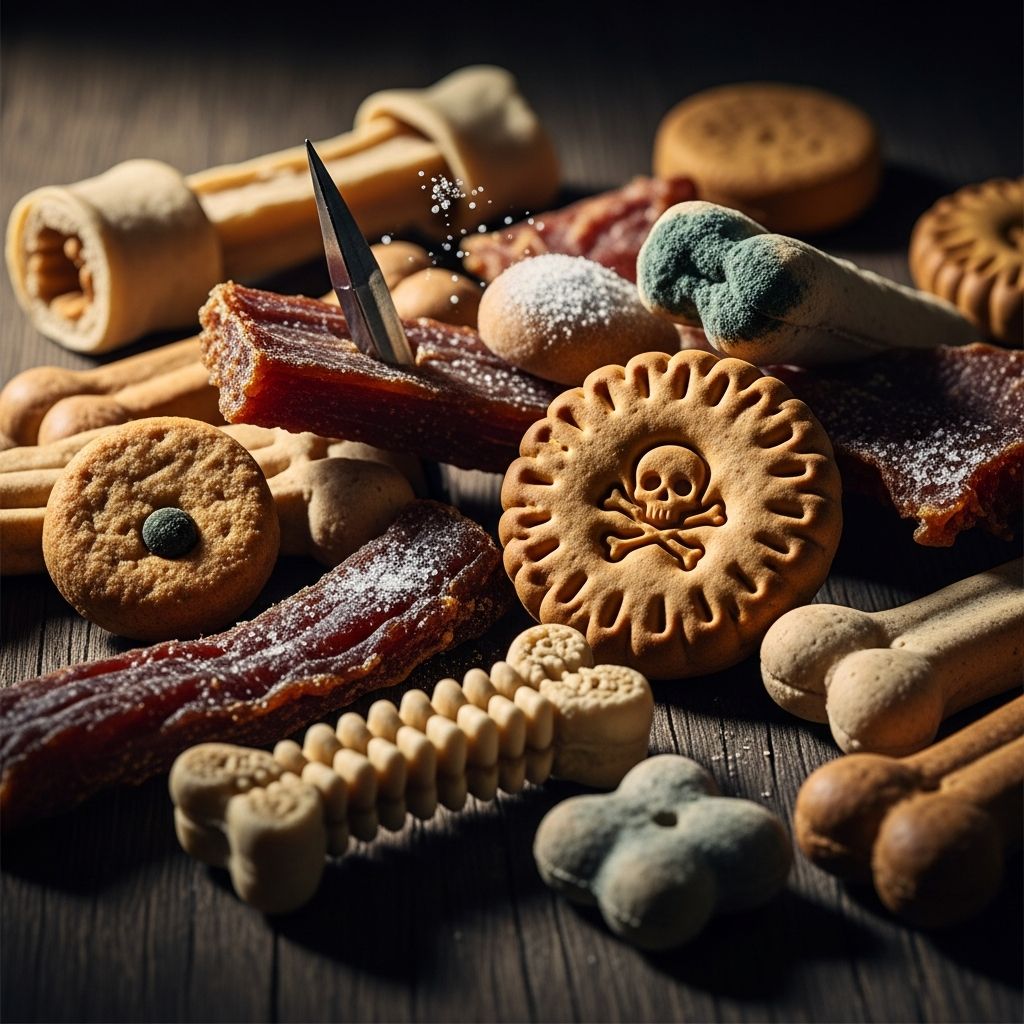
Dog treats are marketed as harmless rewards, yet they can harbor deadly contaminants leading to acute poisoning, organ failure, or sudden death. Understanding these risks empowers owners to safeguard their pets effectively.
Why Treats Turn Toxic: Common Culprits
Commercial dog treats, especially jerky-style products from overseas, have been linked to widespread illnesses. Contaminants like bacteria, heavy metals, or unlisted chemicals trigger severe reactions unrelated to quantity consumed. Even small amounts can overwhelm a dog’s system, causing rapid deterioration.
Historical outbreaks highlight jerky treats imported from certain regions as prime offenders. These products often evade strict quality controls, introducing pathogens or toxins that damage kidneys and digestive tracts. Fanconi syndrome, a rare kidney disorder, emerged as a signature issue in affected dogs, marked by excessive urination and thirst.
Early Warning Signs Every Owner Must Know
Poisoning from tainted treats manifests quickly but subtly at first. Gastrointestinal upset is the initial red flag, progressing to life-threatening complications if ignored.
- Vomiting and Diarrhea: Often bloody or persistent, signaling gut irritation or internal bleeding.
- Excessive Drooling and Appetite Loss: Indicates nausea or oral discomfort from toxins.
- Lethargy and Weakness: Dogs become uncoordinated, refusing play or walks.
Neurological symptoms escalate dangers: tremors, seizures, or disorientation demand immediate action, as they reflect central nervous system assault. Pale gums, jaundice, or abnormal breathing further confirm toxicity’s advance.
From Treat to Tragedy: A Real-World Case Study
Consider a typical scenario: a healthy dog enjoys a new treat brand, only to collapse hours later. Initial symptoms mimic indigestion, but hidden nephrotoxins ravage kidneys, leading to failure within days. In past investigations, over a thousand cases tied to jerky treats resulted in fatalities, underscoring quality control gaps.
Owners often dismiss early signs as dietary upset, delaying care until irreversible damage occurs. This pattern repeats across incidents, emphasizing vigilance over assumption.
Understanding the Science of Treat Toxicity
Toxins in substandard treats disrupt vital functions. Bacterial contamination fosters infections, while chemical adulterants like excess vitamins or preservatives overload organs. Kidney cells suffer first, impairing filtration and causing toxin buildup.
| Toxin Type | Effects on Dogs | Time to Symptoms |
|---|---|---|
| Bacterial (e.g., in jerky) | Kidney failure, GI illness | Days to weeks |
| Chemical contaminants | Seizures, organ damage | Hours to days |
| Mycotoxins | Vomiting, tremors | Immediate |
This table illustrates progression speeds, helping owners prioritize response times.
Prevention Strategies: Choosing Safe Treats
Select treats from reputable, U.S.-based manufacturers adhering to FDA standards. Avoid imports without clear sourcing, especially jerky varieties. Scan labels for natural ingredients, eschewing vague “fillers” or preservatives.
- Opt for single-ingredient treats like freeze-dried meats.
- Introduce new products gradually, monitoring for reactions.
- Store treats securely to prevent spoilage-induced mold.
Homemade alternatives using vet-approved recipes offer control. Plain cooked meats or veggies suffice as rewards without commercial risks.
Immediate Response: What to Do If Poisoning Suspected
Never induce vomiting at home—hydrogen peroxide risks further harm. Contact a vet or poison hotline instantly, providing treat details and symptoms.
Treatment varies: activated charcoal binds toxins, IV fluids support organs, and monitoring counters seizures. Early intervention boosts survival rates dramatically.
Beyond Treats: Other Household Hazards Mimicking Toxicity
Treat reactions overlap with common poisons. Chocolate’s theobromine causes hyperactivity and heart issues. NSAIDs like ibuprofen provoke ulcers and kidney strain.
Xylitol in sugar-free gums triggers insulin surges and hypoglycemia. Grapes induce delayed renal failure. Rodenticides cause bleeding or neural swelling. Antifreeze’s sweet allure leads to drunken gait then coma.
Differentiate by context: treat ingestion points to contamination, while environmental exposure suggests broader toxins.
Long-Term Health Impacts and Recovery
Survivors face chronic issues like persistent kidney dysfunction or anemia. Regular check-ups track organ function via bloodwork. Dietary adjustments, including prescription foods, aid healing.
Owners report behavioral changes post-trauma, from food aversion to heightened anxiety. Patience and positive reinforcement rebuild trust.
Regulatory Landscape: Holding Producers Accountable
Agencies like the FDA investigate outbreaks, issuing recalls when patterns emerge. Yet, voluntary reporting limits scope. Pet owners fuel change by reporting illnesses to authorities, amplifying voices against unsafe products.
Advocate for transparent labeling and third-party testing to elevate industry standards.
FAQs: Answering Common Pet Owner Concerns
Can one treat really kill my dog?
Yes, potent contaminants concentrate in small doses, bypassing quantity thresholds.
How soon after eating a bad treat do symptoms appear?
GI signs within hours; kidney effects in 24-48 hours.
Is it safe to give human food as treats?
Stick to dog-safe options like carrots; avoid grapes, onions, chocolate.
What if my dog seems fine after eating a treat?
Delayed toxins like those in jerky can strike days later—observe closely.
Should I switch to all-natural treats?
Natural claims vary; verify certifications and sources for true safety.
Empowering Owners for a Safer Future
Knowledge transforms routine treat-giving into informed care. By scrutinizing products, recognizing signs, and acting swiftly, owners avert disasters. Prioritize quality over convenience—your dog’s life depends on it.
References
- Common Dog Poisons & Poisoning Symptoms — RSPCA. 2023. https://www.rspca.org.uk/adviceandwelfare/pets/dogs/health/poisoning/common
- Identifying Dog Poisoning: Common Signs & Symptoms — Lane Veterinary. 2024. https://lanevet.com/blog/identifying-dog-poisoning/
- What Things Are Poisonous to Dogs? — PetMD. 2025. https://www.petmd.com/dog/poisoning/poisons-dogs
- Common Pet Toxins — Cedarburg Veterinary Clinic. 2024. https://cedarburgvet.com/common-pet-toxins
- Poisoning in Dogs — American Kennel Club (AKC). 2025. https://www.akc.org/expert-advice/health/poisoning-in-dogs/
- Dog Poisoning: Signs and Symptoms — American Red Cross. 2024. https://www.redcross.org/take-a-class/resources/learn-pet-first-aid/dog/poisoning
- Toxic Treats — Saving Orphan Souls Rescue. 2023. https://savingorphansouls.org/toxic-treats
Similar Articles








Read full bio of Sneha Tete




