

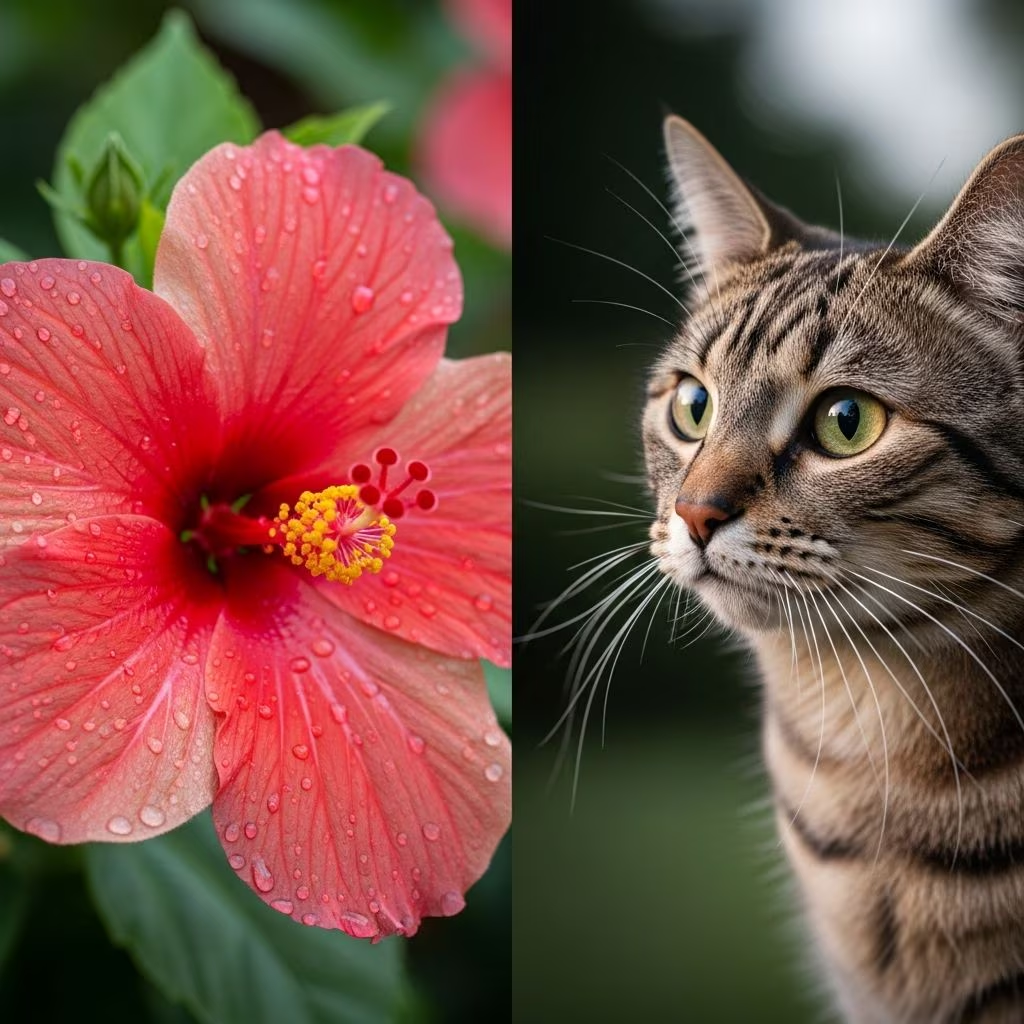
Most hibiscus plants are considered safe for cats, with authoritative sources like the ASPCA listing them as non-toxic. However, certain varieties may cause mild gastrointestinal discomfort, and cat owners should remain vigilant to protect their pets from unnecessary risks.
Understanding Hibiscus Plants in Pet Homes
Hibiscus plants captivate many homeowners with their vibrant blooms and lush foliage, making them popular choices for indoor pots and outdoor gardens. These tropical shrubs thrive in warm conditions, producing large, colorful flowers that add a splash of beauty to any space. For cat owners, the appeal is tempered by concerns over whether these eye-catching plants could harm curious felines who love to explore with their mouths.
Native to warm climates, hibiscus belongs to the Malvaceae family and includes over 200 species. Common varieties grown as ornamentals include Hibiscus rosa-sinensis, known for its glossy leaves and striking red, pink, yellow, or orange flowers. While these plants are low-maintenance and forgiving for novice gardeners, their accessibility to pets raises valid questions about safety.
Official Verdict on Hibiscus Toxicity for Cats
The American Society for the Prevention of Cruelty to Animals (ASPCA) explicitly classifies hibiscus as non-toxic to cats. This determination comes from extensive toxic plant databases that track reported cases of pet ingestions. According to ASPCA records, ingestion of hibiscus leaves, flowers, or stems does not lead to severe poisoning symptoms in felines.
Supporting this, veterinary-reviewed resources confirm that typical hibiscus varieties pose minimal risk. Cats may nibble on the plant out of curiosity, but the plant lacks the harmful compounds found in truly dangerous species like lilies or philodendrons. Nonetheless, moderation is key, as excessive consumption of any non-food plant can disrupt a cat’s primarily carnivorous diet.
Varieties of Hibiscus: Which Ones to Watch
Not all hibiscus plants are created equal when it comes to pet safety. While most ornamental types are harmless, exceptions exist that demand caution.
- Common Ornamental Hibiscus (Hibiscus rosa-sinensis): Fully non-toxic; safe for homes with cats.
- Rose of Sharon (Hibiscus syriacus): Potentially problematic; can cause digestive upset in cats, including vomiting and diarrhea.
- Other Hardy Varieties: Tropical hibiscus hybrids are generally safe, but always verify the specific cultivar.
Pet safety organizations advise researching the exact species before planting. Rose of Sharon, often used in landscapes for its cold hardiness, contains irritants that may affect sensitive cats more severely.
Why Do Cats Chew on Hibiscus?
Cats exhibit a natural instinct to investigate their environment through taste and texture. Several theories explain this pica-like behavior:
- Boredom or playfulness prompts exploration of novel items like dangling leaves.
- Nutritional gaps, though rare in balanced diets, might drive fiber-seeking.
- Gastrointestinal aid: Some cats ingest plant matter to induce vomiting and expel hairballs or irritants.
Studies suggest most cats chew plants when healthy, not ill, indicating it’s often exploratory rather than medicinal.
Potential Effects of Hibiscus Ingestion in Cats
Even non-toxic plants can cause temporary issues. Common reactions to hibiscus include:
| Symptom | Description | Severity |
|---|---|---|
| Mild Vomiting | One or two episodes shortly after eating | Low |
| Diarrhea | Loose stools, resolving in 24 hours | Low |
| Lethargy | Temporary tiredness | Low |
| Appetite Loss | Brief disinterest in food | Low |
These effects stem from the plant’s fiber content overwhelming the cat’s digestive system, not toxicity. Anecdotal reports note higher incidence with larger quantities.
Recognizing Serious Plant Poisoning Signs
Distinguish mild upset from true toxicity. Seek immediate veterinary care for:
- Persistent vomiting or bloody stools
- Difficulty breathing or seizures
- Pale gums or excessive drooling
- Irregular heartbeat or collapse
These indicate potentially toxic plants or complications.
Proven Prevention Strategies for Cat Owners
Proactive measures ensure hibiscus enjoyment without worry.
Indoor Plant Protection
- Elevate pots on high shelves or hanging baskets out of jump range.
- Use aluminum foil or double-sided tape around bases as tactile deterrents.
Outdoor Garden Safeguards
- Install pet-safe fencing around hibiscus beds.
- Opt for cat-repellent sprays with citrus or herbal scents.
Training Techniques
Redirect curiosity with cat grass or toys. Positive reinforcement discourages plant chewing effectively.
Safe Alternative Plants for Cat-Friendly Homes
Embrace greenery without risks:
- Spider Plant: Hardy and mildly laxative if nibbled.
- Boston Fern: Lush, non-toxic foliage.
- Catnip or Cat Thyme: Encourages healthy play.
- Swedish Ivy: Trailing vines cats ignore.
These options mimic hibiscus aesthetics safely.
Emergency Response if Your Cat Eats Hibiscus
Monitor for 24-48 hours post-ingestion. Offer water and bland food like boiled chicken. Contact a vet or pet poison hotline if symptoms persist. Most cases resolve without intervention.
FAQs: Hibiscus and Feline Safety
Is all hibiscus safe for cats?
No, most are, but Rose of Sharon can cause upset. Check ASPCA lists.
What if my cat ate hibiscus flowers?
Expect possible mild vomiting; watch closely and vet if needed.
Can hibiscus oils harm cats?
Yes, concentrated oils contain irritants; avoid topical or ingested use.
How to stop my cat from eating plants?
Deterrents, elevation, and alternatives work best.
Long-Term Benefits of Vigilant Pet Plant Management
Maintaining a safe environment fosters trust and health. Regular vet check-ups and plant audits prevent issues. Hibiscus’s beauty enhances homes when paired with cat safety.
References
- Is Hibiscus Poisonous to Cats? Vet-Reviewed Facts & Tips — Hepper. 2023. https://articles.hepper.com/is-hibiscus-poisonous-to-cats/
- Is Hibiscus Poisonous to Cats? Vet-Reviewed Houseplants Examined — Catster. 2023. https://www.catster.com/cat-health-care/is-hibiscus-poisonous-to-cats/
- Common House Plants Poisonous To Pets: Hibiscus, Aloe & More — Humane Society of Charlotte. 2023. https://humanesocietyofcharlotte.org/7-surprisingly-common-plants-that-are-poisonous-to-pets/
- Physiological Effects and Human Health Benefits of Hibiscus — NIH/PMC. 2022-04-20. https://pmc.ncbi.nlm.nih.gov/articles/PMC9033014/
- Toxic and Non-Toxic Plant List — Cats — ASPCA. 2023. https://www.aspca.org/pet-care/animal-poison-control/cats-plant-list



