

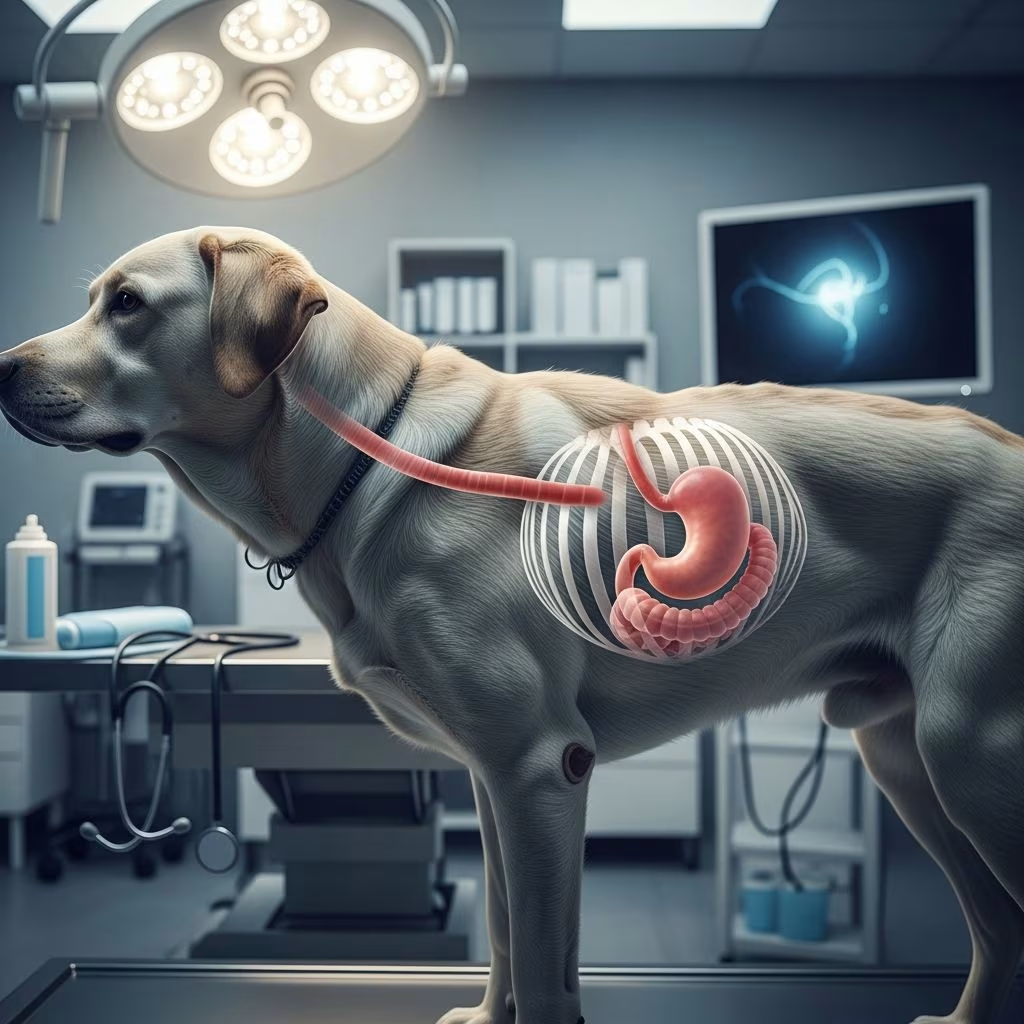
Hiatal Hernia in Dogs: A Comprehensive Guide
A hiatal hernia is a condition in which the stomach or portions of the esophagus protrude through the esophageal hiatus of the diaphragm into the thoracic cavity. This structural abnormality creates an opening in the diaphragm larger than normal, allowing abdominal organs to move into the chest area. Understanding this condition is crucial for dog owners, as early recognition and proper management can significantly improve your pet’s quality of life and prevent serious complications.
What Is a Hiatal Hernia?
The diaphragm is a muscular partition that separates the chest cavity from the abdominal cavity. The esophageal hiatus is a natural opening in the diaphragm through which the esophagus passes to connect the mouth to the stomach. In a hiatal hernia, this opening becomes enlarged or weakened, allowing the stomach or gastric cardia to slide upward into the chest cavity. This displacement can occur intermittently or persistently, depending on the severity and type of hernia.
Hiatal hernias in dogs can be congenital, meaning dogs are born with the condition, or acquired, developing later in life. However, the congenital form is more common in the canine population. Certain breeds demonstrate a higher incidence of hiatal hernias than others, with some predisposition noted in specific lines. Male dogs are thought to be at greater risk for developing this condition compared to female dogs.
Clinical Signs and Symptoms
Many dogs that have small hiatal hernias have no accompanying clinical signs and may never require treatment. However, when symptoms do develop, they can range from mild to severe and may significantly impact your dog’s daily comfort and nutrition.
The most common symptoms associated with hiatal hernias include:
– Vomiting- Regurgitation of food or fluid- Excessive salivation or hypersalivation- Gagging or dry heaving- Difficulty eating, also known as dysphagia- Blood in the vomit (hematemesis)- Difficulty breathing or respiratory distress
These clinical signs typically occur more frequently during excitement, exercise, or physical exertion. Some dogs may experience symptoms only under specific circumstances, while others may show signs consistently throughout the day. The regurgitation associated with hiatal hernias differs from vomiting in that food is brought up from the stomach through the esophagus and expelled without the forceful contractions characteristic of vomiting.
Diagnosis of Hiatal Hernia
Diagnosis of a hiatal hernia requires a combination of medical history evaluation, assessment of clinical signs, and advanced diagnostic imaging techniques.
Diagnostic methods include:
– Physical examination and clinical evaluation- Radiographs (X-rays) to visualize the thoracic and abdominal cavities- Contrast radiography or fluoroscopy studies using specialized dyes to outline the esophagus and stomach- Esophagoscopy, which allows direct visualization of the esophagus- Gastroscopy to examine the stomach interior- Laboratory work and bloodwork to rule out other conditions
Most dogs will require a special radiographic dye study or contrast fluoroscopy for definitive diagnosis. These imaging techniques help your veterinarian confirm the presence of the hernia and determine its severity. The contrast material highlights the movement of the stomach through the diaphragmatic opening, making the condition visible on radiographic images.
Treatment Options for Hiatal Hernia
The approach to treating a hiatal hernia depends on the severity of symptoms, the underlying cause, and your individual dog’s health status. Treatment can be divided into conservative medical management and surgical intervention.
Conservative Medical Treatment
Conservative medical treatment is usually recommended when the condition is first diagnosed, particularly for dogs with mild clinical signs or those who are asymptomatic. This approach focuses on managing symptoms and preventing complications.
Medications commonly prescribed include:
– Acid-blocking medications such as omeprazole (brand names Gastrogard® and Prilosec®) to reduce stomach acid production and prevent esophagitis- H2-receptor antagonists like cimetidine, ranitidine, or famotidine for additional acid control- Prokinetic agents such as cisapride (brand names Prepulsid® and Propulsid®) or metoclopramide (brand name Reglan®) to promote stomach emptying and lower esophageal sphincter pressure- Antibiotics as needed to combat secondary infections, particularly if aspiration pneumonia develops
In addition to medication, dietary modifications can help manage symptoms. Your veterinarian may recommend smaller, more frequent meals, elevated feeding bowls, and foods that are easier to digest. Some owners find that restricting activity levels and avoiding excitement can reduce the frequency of regurgitation episodes.
Surgical Treatment
Surgery is generally indicated for dogs with congenital hiatal hernias and those with severe or chronic clinical signs that do not respond adequately to medical management. Dogs that are asymptomatic or have only mild clinical signs may never need surgery.
The surgical procedure involves reducing the hernia by moving the stomach back into the abdominal cavity and closing the enlarged opening in the diaphragm. Additionally, the surgeon typically performs a gastropexy, which involves suturing the stomach to the body wall inside the abdomen. This procedure prevents future recurrence by anchoring the stomach in its proper position and reducing the likelihood of it sliding back through the hernia.
Prognosis and Complications
The prognosis for hiatal hernia in dogs is guarded, as the condition can lead to serious secondary complications. Many dogs will develop secondary conditions such as aspiration pneumonia, which occurs when food or stomach contents are inhaled into the lungs. This complication can be life-threatening if not promptly diagnosed and treated with antibiotics.
Dogs that undergo surgery often have a good recovery, and the frequency of regurgitation is typically reduced. However, some dogs do require long-term medication to prevent further acid reflux and manage residual symptoms. Your veterinarian will be able to give you a more specific prognosis based on your pet’s individual condition, age, overall health status, and clinical signs.
The post-operative period requires careful monitoring. Dogs may need one-on-one care in an intensive care unit if recovery from anesthesia is complicated. Close observation for signs of aspiration pneumonia or other post-surgical complications is essential during the recovery phase.
Prevention and Management
While congenital hiatal hernias cannot be prevented, as they are present from birth, there are strategies to manage the condition and prevent complications:
– Maintain a consistent feeding schedule with smaller, frequent meals- Keep your dog’s head elevated during and after meals- Avoid vigorous exercise immediately after eating- Minimize stress and excitement, particularly around meal times- Follow your veterinarian’s medication regimen consistently- Monitor for signs of respiratory distress or aspiration pneumonia- Schedule regular veterinary check-ups to assess your dog’s condition
When to Contact Your Veterinarian
Contact your veterinarian immediately if your dog experiences any of the following:
– Sudden onset of severe vomiting or regurgitation- Blood in vomit or regurgitated material- Difficulty breathing or respiratory distress- Inability to keep food or water down- Signs of lethargy or weakness- Fever or signs of illness- Refusal to eat for extended periods
Frequently Asked Questions
Q: Is hiatal hernia painful for dogs?
A: While the hernia itself may not cause pain, the associated esophagitis from acid reflux can cause discomfort. Dogs may also experience distress from regurgitation and difficulty eating. Pain management and acid control through medication can help alleviate these symptoms.
Q: Can hiatal hernia in dogs be cured without surgery?
A: Many dogs with mild symptoms can be managed effectively with medications and dietary modifications. However, surgery may be necessary for dogs with severe symptoms or those that do not respond to conservative treatment. The decision depends on your dog’s individual condition and response to medical management.
Q: What is the success rate of hiatal hernia surgery in dogs?
A: Dogs generally have good recovery rates from hiatal hernia surgery, with reduction in regurgitation frequency. However, complications such as aspiration pneumonia can occur. Your veterinarian can discuss the specific success rates and potential complications based on your dog’s condition.
Q: How long do dogs live after hiatal hernia diagnosis?
A: Many dogs live normal lifespans with proper management of their hiatal hernia. Dogs with mild symptoms managed medically or those successfully treated surgically often have excellent long-term outcomes. However, dogs with severe or complicated cases may have a more guarded prognosis.
Q: Are certain dog breeds more prone to hiatal hernias?
A: Yes, certain breeds demonstrate a higher incidence of hiatal hernias than others. Breed predisposition plays a role in congenital cases. Male dogs are also thought to be at greater risk than female dogs for developing this condition.
Q: Can diet help manage hiatal hernia symptoms?
A: Yes, dietary modifications can significantly help manage symptoms. Smaller, frequent meals, elevated feeding bowls, and easily digestible foods can reduce the frequency of regurgitation and allow better nutrition absorption.
References
- Hernias in Animals – Digestive System — Merck Veterinary Manual. 2024. https://www.merckvetmanual.com/digestive-system/congenital-and-inherited-anomalies-involving-the-digestive-system/hernias-in-animals
- Hiatal Hernia In Dogs: Symptoms And Treatment Options — Kingsdale Animal Hospital. 2024. https://www.kingsdale.com/hiatal-hernia-in-dogs-symptoms-and-treatment-options
- Hiatal Hernia in Dogs — Briarpointe Veterinary Clinic. 2017. https://bpvets.net/wp-content/uploads/2017/04/Hiatal-Hernia.pdf
- Hiatal Hernia in Dogs — VCA Animal Hospitals. 2024. https://vcahospitals.com/know-your-pet/hernia-hiatal-in-dogs
- Hiatal Hernia – Pet Owners — Paragon Veterinary Referrals. 2021. https://www.paragonreferrals.co.uk/wp-content/uploads/2021/08/Hiatal-hernia-for-pet-owners.pdf



