

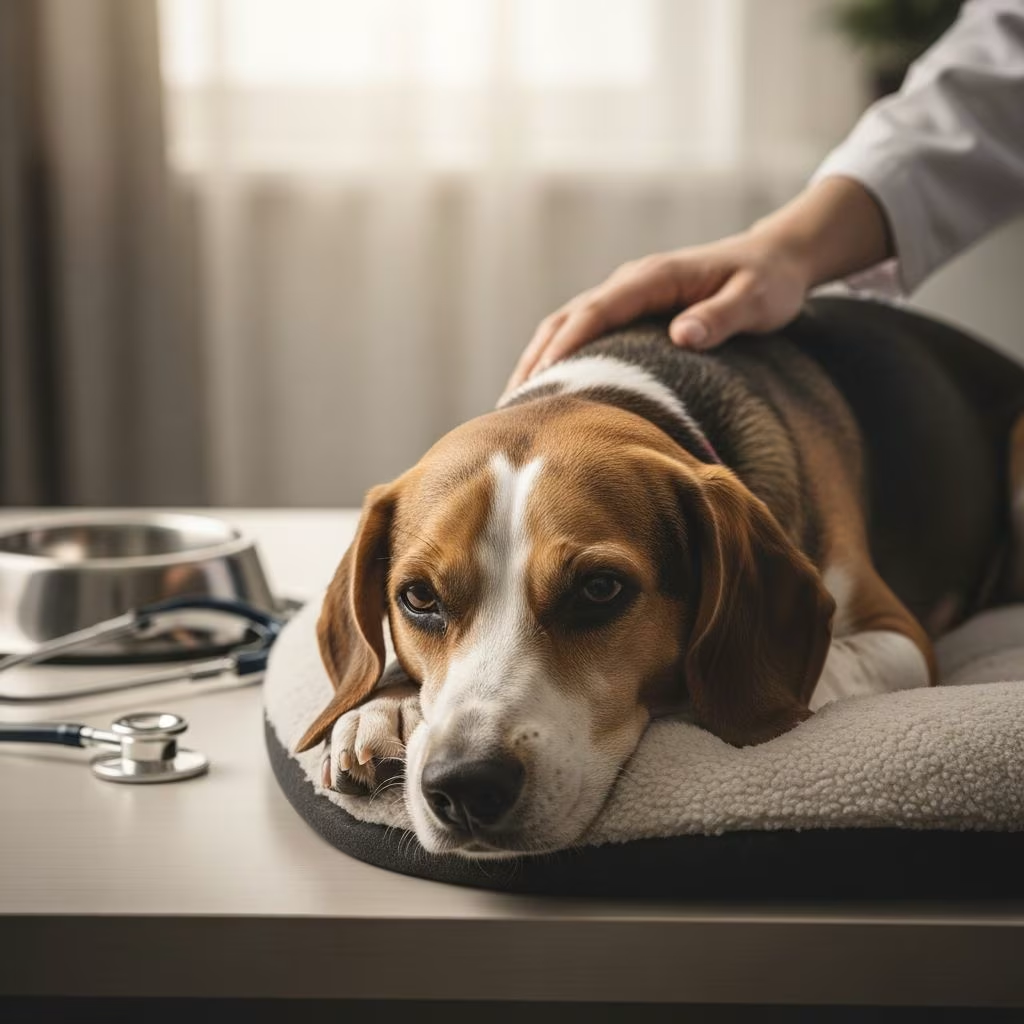
Hemorrhagic gastroenteritis (HGE), also known as acute hemorrhagic diarrhea syndrome (AHDS), strikes dogs suddenly with severe vomiting and bloody diarrhea, often leading to rapid dehydration if untreated. This condition primarily affects small breeds and demands immediate veterinary intervention, where intravenous fluids form the cornerstone of successful recovery.
Recognizing the Sudden Onset of HGE
HGE develops abruptly, with dogs showing dramatic signs within hours. Owners often notice the first clue as raspberry jam-like diarrhea, a hallmark feature due to blood and mucus mixing in the stool. This progresses to frequent episodes, sometimes hourly, accompanied by unproductive vomiting.
Additional indicators include pale gums signaling poor circulation, weakness, and depression as dehydration sets in. Affected dogs may refuse food and appear sluggish, with body temperature sometimes dropping. Without action, these symptoms escalate to collapse or shock within 12-24 hours.
- Bloody, mucoid diarrhea: Resembles jelly, distinguishing it from other causes.
- Vomiting: Often without food contents after initial episodes.
- Lethargy and weakness: Due to fluid loss and electrolyte imbalance.
- Pale mucous membranes: Indicates hemoconcentration.
- Abdominal pain: Dogs may hunch or resist touch.
Why Small Dogs Face Higher Risks
While any dog can develop HGE, it disproportionately impacts toy and small breeds like Miniature Poodles, Dachshunds, and Yorkshire Terriers. Their smaller size accelerates dehydration from fluid losses, making timely recognition critical. Stress, dietary indiscretions such as scavenging garbage or abrupt food changes, may trigger episodes in susceptible individuals.
Middle-aged dogs seem most prone, though cases span all ages. No clear seasonal pattern exists, but owners report occurrences after travel, boarding, or new treats. Genetic factors might play a role, as some lines show recurrence.
Diagnostic Steps at the Vet Clinic
Veterinarians diagnose HGE primarily through physical exams and blood tests, focusing on packed cell volume (PCV). Normal canine PCV ranges 37-55%; in HGE, it surges above 60% as plasma volume drops, concentrating red blood cells.
Supporting tests rule out differentials like parvovirus or clotting disorders:
| Test | Purpose | Typical HGE Finding |
|---|---|---|
| Complete Blood Count (CBC) | Assess dehydration, infection | Elevated PCV/TP >60%, no neutropenia |
| Biochemistry Panel | Check electrolytes, proteins | Low albumin, electrolyte shifts |
| Fecal Analysis | Exclude parasites, bacteria | Negative for common pathogens |
| Coagulation Profile | Rule out bleeding disorders | Normal clotting times |
| Abdominal Imaging | Detect obstructions | Unremarkable intestines |
No single pathogen consistently causes HGE, supporting its idiopathic classification. Clostridial toxins appear in some cases, but antibiotics rarely alter mild outcomes.
Critical Hospital-Based Treatment Protocol
HGE demands hospitalization for intensive care, as outpatient management risks fatality. Intravenous crystalloid fluids at high rates correct dehydration, targeting 5-10% body weight loss initially, adjusted for ongoing diarrhea.
Supportive measures enhance recovery:
- Antiemetics: Maropitant or ondansetron controls vomiting.
- Plasma Transfusion: For severe hypoalbuminemia or coagulopathy.
- Antibiotics: Reserved for sepsis signs like neutrophilia >25 x 10^9/L; ampicillin (20-40 mg/kg IV q6-8h) or enrofloxacin for gram-negatives.
- Electrolyte Correction: Potassium supplementation if hypokalemic.
- Nutrition: Fasting 12-24 hours, then bland diet (boiled rice/chicken).
Monitoring PCV drop to normal, rising total solids, and stool improvement signals progress. Most dogs stabilize in 24-48 hours, allowing discharge.
Prognosis and Factors Influencing Recovery
With aggressive therapy, 95-98% of HGE cases recover fully, often within days. Recurrence affects 10-15%, typically milder. Poor prognostic signs include persistent shock, sepsis, or comorbidities.
Early presentation markedly improves odds; delays thicken blood, impairing organ perfusion. Post-recovery, monitor for 1-2 weeks, as relapses can occur.
Preventing Future Episodes of Bloody Diarrhea
No vaccine exists, but proactive steps reduce risks:
- Secure trash and prevent scavenging.
- Introduce new foods gradually over 7-10 days.
- Avoid high-fat treats or table scraps.
- Minimize stress during travel or changes.
- Maintain routine deworming and vaccinations to exclude mimics.
For recurrent cases, discuss hypoallergenic diets or probiotics with your vet. Annual bloodwork for at-risk breeds aids early detection.
Distinguishing HGE from Other Gut Emergencies
HGE mimics parvovirus (young dogs, leukopenia), intestinal obstruction (history of foreign body), or anticoagulant poisoning (normal PCV). Key differentiators:
| Condition | Key Difference from HGE |
|---|---|
| Parvovirus | Low white cells, positive SNAP test |
| Foreign Body | Vomiting predominant, ultrasound abnormalities |
| Clostridium Overgrowth | Toxin-positive, responds to metronidazole |
| Pancreatitis | High lipase/amylase, cranial abdominal pain |
Always err toward vet evaluation for acute bloody stools.
Home Monitoring After Discharge
Post-hospital, feed small, frequent bland meals increasing over 3-5 days. Watch for lethargy, renewed diarrhea, or gum color changes signaling readmission need. Hydrate with electrolyte solutions if mild vomiting recurs.
FAQs on HGE in Dogs
What triggers HGE in dogs?
Unknown exact cause; stress, diet changes, or toxins suspected.
Can HGE resolve without a vet?
Rarely; dehydration progresses fatally without IV fluids.
How long does recovery take?
24-72 hours in hospital; full normalcy in 1 week.
Is HGE contagious?
No, not spread dog-to-dog.
Cost of HGE treatment?
Typically $500-2000+, depending on hospitalization length.
Long-Term Management Strategies
For prone dogs, hydrolyzed protein diets minimize gut irritation. Probiotics like FortiFlora support flora balance. Track stool scores daily post-recovery. Consult boarded internal medicine specialists for recurrent cases.
References
- Acute Hemorrhagic Diarrhea Syndrome in Dogs — MSD Veterinary Manual. 2023. https://www.msdvetmanual.com/digestive-system/diseases-of-the-large-intestine-in-small-animals/acute-hemorrhagic-diarrhea-syndrome-in-dogs
- Hemorrhagic Gastroenteritis (HGE) in Dogs: Symptoms and Treatment — WebMD Pets. 2023. https://www.webmd.com/pets/dogs/what-is-hemorrhagic-gastroenteritis-dogs
- Acute Hemorrhagic Diarrhea Syndrome in Dogs — Merck Veterinary Manual. 2023. https://www.merckvetmanual.com/digestive-system/diseases-of-the-large-intestine-in-small-animals/acute-hemorrhagic-diarrhea-syndrome-in-dogs
- Hemorrhagic Gastroenteritis | Eastview Animal Wellness LLC — Eastview Animal Wellness. 2024. https://eastviewanimalwellness.com/education/canine-articles/canine_hemorrhagic_gastroenteritis/
- Hemorrhagic Gastroenteritis (HGE) in Dogs — TVMF.org. 2023. https://www.tvmf.org/articles/hemorrhagic-gastroenteritis-hge-in-dogs/



