
HGE in Dogs: Acute Bloody Diarrhea Guide
Understand hemorrhagic gastroenteritis in dogs: rapid symptoms, vital treatments, and recovery tips for pet owners facing this scary condition.
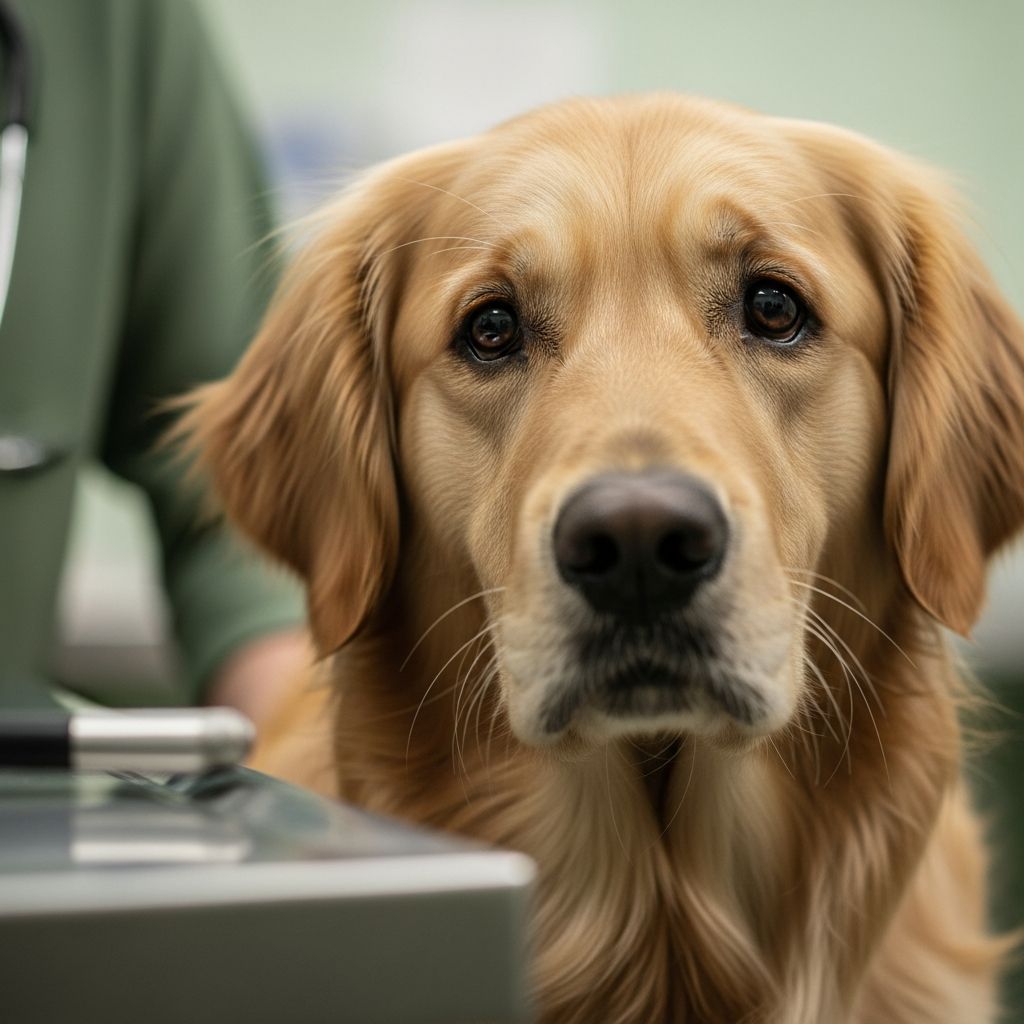
Hemorrhagic gastroenteritis (HGE), also known as acute hemorrhagic diarrhea syndrome (AHDS), strikes dogs suddenly with severe bloody diarrhea and vomiting, demanding immediate veterinary care to prevent life-threatening dehydration.
Recognizing the Sudden Onset of HGE Symptoms
Dogs with HGE deteriorate rapidly, often within hours of the first signs. The hallmark is explosive diarrhea that resembles raspberry jam due to its bright red blood and mucus content. Vomiting affects about half of cases and may include blood. Other indicators include pale gums signaling shock, lethargy, weakness, and loss of appetite.
Dehydration sets in quickly from fluid loss, leading to sunken eyes, dry gums, and cool extremities. Owners might notice their dog becoming unresponsive or collapsing. Small breeds like Miniature Schnauzers, Toy Poodles, and Yorkshire Terriers face higher risk, though any dog can be affected.
- Bloody, jelly-like diarrhea: The most consistent early sign, progressing from watery to hemorrhagic.
- Vomiting: Often precedes or accompanies diarrhea, worsening fluid loss.
- Lethargy and weakness: Due to hypovolemia and shock.
- Pale mucous membranes: Indicates poor circulation and hemoconcentration.
- Fever or normal temperature: Rarely hypothermia in advanced cases.
Why HGE Develops: Unclear Causes and Risk Factors
The exact cause of HGE remains idiopathic, meaning no single trigger is confirmed, but stress, dietary indiscretion, bacterial toxins, or immune responses are suspected. Sudden changes like eating garbage, stress from boarding, or infections may precipitate it. Unlike parvovirus, HGE spares white blood cells, distinguishing it diagnostically.
Risk factors include:
| Risk Factor | Description |
|---|---|
| Small breeds | Miniature Schnauzers, Dachshunds, and similar dogs overrepresented. |
| Stress | Recent travel, new environments, or household changes. |
| Dietary upset | Ingestion of fatty foods, toxins, or foreign objects. |
| Seasonal peaks | More common in spring and fall. |
No age or sex predisposition is strongly evident, but young adults seem prone.
Fast Diagnosis: Key Tests for HGE Confirmation
Veterinarians diagnose HGE primarily through clinical signs and packed cell volume (PCV) tests showing hemoconcentration, often PCV above 60% (normal 37-55%). Total solids or proteins also elevate due to dehydration. Fecal tests rule out parasites or bacteria like Clostridium or Salmonella.
Additional diagnostics include:
- Complete blood count (CBC): Normal white cells differentiate from infections.
- Biochemistry panel: Checks electrolytes, kidney function.
- Urinalysis: Assesses concentration from dehydration.
- Clotting profile: Excludes coagulopathies.
- Imaging or endoscopy: Rarely, to rule out foreign bodies or ulcers.
Parvovirus SNAP test is negative in HGE, a critical distinction. Prompt assessment prevents misdiagnosis as routine gastroenteritis.
Critical Treatment: IV Fluids as the Lifeline
Hospitalization is mandatory for HGE, with intravenous (IV) crystalloid fluids as the cornerstone therapy to combat shock and restore volume. Rates adjust based on dehydration (often 5-10% body weight loss) and ongoing losses, sometimes exceeding 100-200 ml/kg/day initially.
Supportive measures include:
- Antiemetics: Maropitant or ondansetron to stop vomiting.
- Antibiotics: Reserved for sepsis signs (neutropenia, neutrophilia >25×10^9/L); ampicillin or enrofloxacin. Routine use unnecessary per studies.
- Plasma transfusions: In severe hypoproteinemia cases to aid fluid retention.
- Nutrition withholding: 12-24 hours, then bland diet (boiled chicken/rice).
Monitoring PCV, total proteins, and electrolytes guides progress; most stabilize in 24-48 hours. Subcutaneous fluids suffice only post-stabilization.
Recovery Timeline and Prognosis Outlook
With aggressive treatment, over 95% of dogs recover fully within 2-3 days, often discharged after 24-72 hours. Recurrence affects 10-15%, warranting lifestyle adjustments. Untreated, mortality nears 100% from disseminated intravascular coagulation (DIC) or organ failure.
Post-discharge care:
- Bland diet gradient: Rice, cottage cheese, then normal food over 5-7 days.
- Probiotics: Restore gut flora.
- Rest: Avoid stress for 1-2 weeks.
- Follow-up: Recheck PCV if symptoms recur.
Preventing HGE Recurrences: Practical Strategies
While unpredictable, minimize risks by maintaining consistent diets, reducing stress, and prompt toxin avoidance. Annual fecal exams catch predispositions. No vaccine exists, but core vaccines prevent mimics like parvo.
HGE vs. Other Bloody Diarrhea Conditions
| Condition | Key Differences from HGE |
|---|---|
| Parvovirus | Leukopenia, positive SNAP test, more puppies. |
| Clostridium overgrowth | Toxin-positive feces, responds to metronidazole. |
| Intussusception | Palpable abdominal mass, surgery needed. |
| Foreign body | Vomiting dominant, imaging shows obstruction. |
Frequently Asked Questions (FAQs)
What does HGE poop look like in dogs?
It appears as bright red, jelly-like or “raspberry jam” diarrhea from fresh blood and mucus.
Can HGE in dogs be fatal?
Yes, without prompt IV fluids, dehydration leads to shock and death, but treated cases have excellent prognosis.
Is HGE contagious to other dogs?
No, it’s not infectious; likely stress or toxin-related, safe around other pets.
How much do HGE treatments cost?
Varies $500-$2500+ depending on hospitalization length and extras like plasma.
Can dogs recover from HGE at home?
No, hospitalization is essential; home care only post-vet stabilization.
Why is my small dog’s PCV high with HGE?
Hemoconcentration from plasma loss into gut; fluids dilute it back to normal.
This guide equips owners to act fast on HGE, potentially saving lives through awareness and urgency.
References
- Acute Hemorrhagic Diarrhea Syndrome in Dogs — MSD Veterinary Manual. 2023. https://www.msdvetmanual.com/digestive-system/diseases-of-the-large-intestine-in-small-animals/acute-hemorrhagic-diarrhea-syndrome-in-dogs
- Hemorrhagic Gastroenteritis (HGE) in Dogs: Symptoms and Treatment — WebMD Pets. 2023. https://www.webmd.com/pets/dogs/what-is-hemorrhagic-gastroenteritis-dogs
- Acute Hemorrhagic Diarrhea Syndrome in Dogs — Merck Veterinary Manual. 2023. https://www.merckvetmanual.com/digestive-system/diseases-of-the-large-intestine-in-small-animals/acute-hemorrhagic-diarrhea-syndrome-in-dogs
- Hemorrhagic Gastroenteritis in Dogs — VCA Animal Hospitals. 2023. https://vcahospitals.com/know-your-pet/hemorrhagic-gastroenteritis-in-dogs
- Hemorrhagic Gastroenteritis (HGE) in Dogs — American Kennel Club. 2023. https://www.akc.org/expert-advice/health/hge-in-dogs/
Similar Articles








Read full bio of Sneha Tete




