

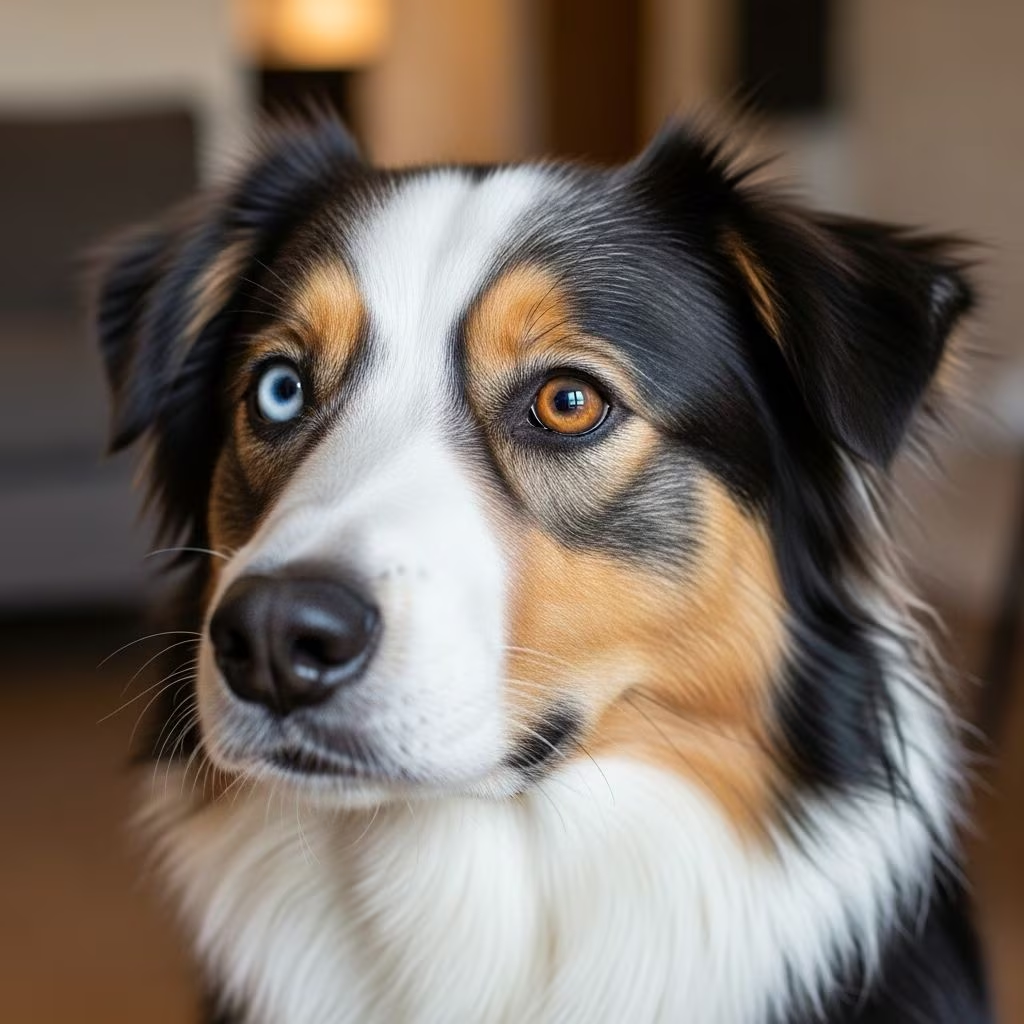
Heterochromia in dogs refers to the striking phenomenon where a dog’s eyes display different colors, often one blue and one brown, due to variations in melanin pigment in the iris. This condition captivates pet owners and arises primarily from genetic factors, though it can occasionally signal health concerns.
Understanding the Basics of Canine Eye Pigmentation
All puppies enter the world with blue or bluish-gray eyes, a temporary state that shifts as melanin develops around 16 weeks of age. In cases of heterochromia, this pigmentation process results in uneven melanin distribution, leading to distinct eye colors. This natural variation is usually benign when present from puppyhood, enhancing a dog’s unique appearance without impacting vision.
Melanin, the pigment responsible for color in eyes, skin, and fur, plays a central role. Reduced melanin in one iris creates the blue hue, while the other retains standard brown tones. Owners often notice this mesmerizing trait early, turning it into a celebrated feature in breeds prone to such genetics.
Types of Heterochromia Observed in Canines
Heterochromia manifests in distinct forms, each with visual characteristics:
- Complete Heterochromia: Each eye exhibits a fully different color, such as one vivid brown and one striking blue. This is the most visually dramatic type.
- Sectoral (or Part-Colored) Heterochromia: Portions of one or both irises show contrasting colors, like a splash of blue within a brown iris, creating a piebald eye effect.
- Central Heterochromia: Less common in dogs, this involves a ring of one color around the pupil contrasting with the outer iris color, though it’s rarer than the primary types.
These variations stem from melanin inconsistencies during eye development, observable by 16 weeks in congenital cases.
Genetic Foundations Behind Differing Eye Colors
The primary driver of heterochromia is heredity, linked to genes governing coat and eye pigmentation. Key players include:
- Merle Gene: This dominant gene produces mottled coats in shades like blue merle or red merle. It dilutes pigmentation unevenly, frequently resulting in heterochromia. Only one parent needs to carry it for offspring inheritance. Breeds with merle patterns show higher incidence rates.
- Piebald Gene (White Spotting): Responsible for white coats or patches, this gene suppresses melanocytes, potentially causing heterochromia and associated deafness due to auditory nerve impacts.
Over 15 genes influence canine coat colors, with merle and piebald prominently tied to eye differences. Genetic mosaicism or chimerism—where cells have varying genetic makeup—can also contribute during embryonic stages. Crossbreeding amplifies risks when mixing these traits. Females in breeds like Dalmatians may show slightly higher prevalence.
Breeds Most Commonly Affected
Certain breeds carry these genes at elevated rates, making heterochromia a signature look. Up to 10% of Siberian Huskies may exhibit bi-eyed or parti-eyed traits.
| Breed | Common Heterochromia Type | Associated Gene |
|---|---|---|
| Siberian Husky | Complete | Merle/Piebald |
| Australian Shepherd | Complete/Sectoral | Merle |
| Dalmatian | Sectoral | Piebald |
| Border Collie | Complete | Merle |
| Dachshund | Complete | Piebald |
| Great Dane | Sectoral | Merle |
| Chihuahua | Complete | Piebald |
| Shih Tzu | Sectoral | Genetic Mutation |
These breeds, along with Australian Cattle Dogs, highlight how selective breeding preserves these eye-catching genetics.
Congenital vs. Acquired: Key Distinctions
Congenital heterochromia appears by 16 weeks and poses no health risks; affected dogs enjoy normal vision and vitality. In contrast, acquired heterochromia develops in adulthood from external factors like:
- Trauma or Injury: Physical damage alters iris pigmentation, termed traumatic heterochromia.
- Inflammation (Uveitis): Often with redness, swelling, discharge, or vision loss.
- Diseases: Including cancer, autoimmune disorders, or bleeding issues causing ocular changes.
Sudden color shifts demand immediate veterinary evaluation to rule out serious conditions.
Health and Vision Implications
Hereditary cases rarely impair sight, but piebald-linked heterochromia correlates with deafness risks from melanocyte absence in ear nerves. Merle breeding requires caution; double merle puppies (from two merle parents) face heightened chances of blindness, deafness, and sterility.
Monitor for symptoms like rubbing eyes, cloudiness, or behavioral shifts indicating problems. Routine vet exams ensure early detection.
Care Tips for Dogs with Unique Eyes
- Schedule annual ophthalmic checks, especially for at-risk breeds.
- Protect eyes from UV with dog goggles during outdoor activities.
- Maintain nutrition supporting eye health, rich in antioxidants like lutein.
- Avoid breeding merle-to-merle to prevent defects.
- Watch for acquired changes and act swiftly.
Frequently Asked Questions (FAQs)
Is heterochromia painful for dogs?
No, congenital heterochromia causes no discomfort; dogs adapt seamlessly.
Can heterochromia affect my dog’s vision?
Typically not in genetic cases, but double merle dogs risk issues. Vet assessment confirms.
Why do some Huskies have one blue eye?
Siberian Huskies often inherit merle or piebald genes, yielding complete heterochromia.
Should I worry if my adult dog’s eye color changes?
Yes, seek vet care promptly for potential injury or illness.
Is heterochromia more common in mixed breeds?
Possible via crossbreeding, but purebreds with specific genes show higher rates.
Embracing the Beauty of Diversity in Canine Eyes
Heterochromia transforms ordinary gazes into extraordinary spectacles, reflecting the rich genetic tapestry of dogs. While mostly a harmless gift, awareness of its origins empowers owners to safeguard their pets’ well-being. Celebrate this trait responsibly, prioritizing health through informed care.
References
- What Is Heterochromia in Dogs? — Whole Dog Journal. 2023-05-15. https://www.whole-dog-journal.com/health/what-is-heterochromia-in-dogs/
- The Enigma of Heterochromia in Dogs — Precious Petcare SD. 2024-02-10. https://www.preciouspetcaresd.com/news/the-enigma-of-heterochromia-in-dogs/
- Dogs With Different Colored Eyes | Causes of Heterochromia — PetAssure. 2023-11-20. https://www.petassure.com/maxscorner/causes-of-heterochromia-in-dogs-different-colored-eyes/
- What Causes Dogs to Have Two Different Coloured Eyes? — Pets4Homes. 2024-01-05. https://www.pets4homes.co.uk/pet-advice/what-makes-some-dogs-have-two-different-coloured-eyes-heterochromia-iridis-.html
- Why did my dog’s eyes change color? — FirstVet. 2023-08-12. https://firstvet.com/us/articles/why-did-my-dogs-eyes-change-color



