

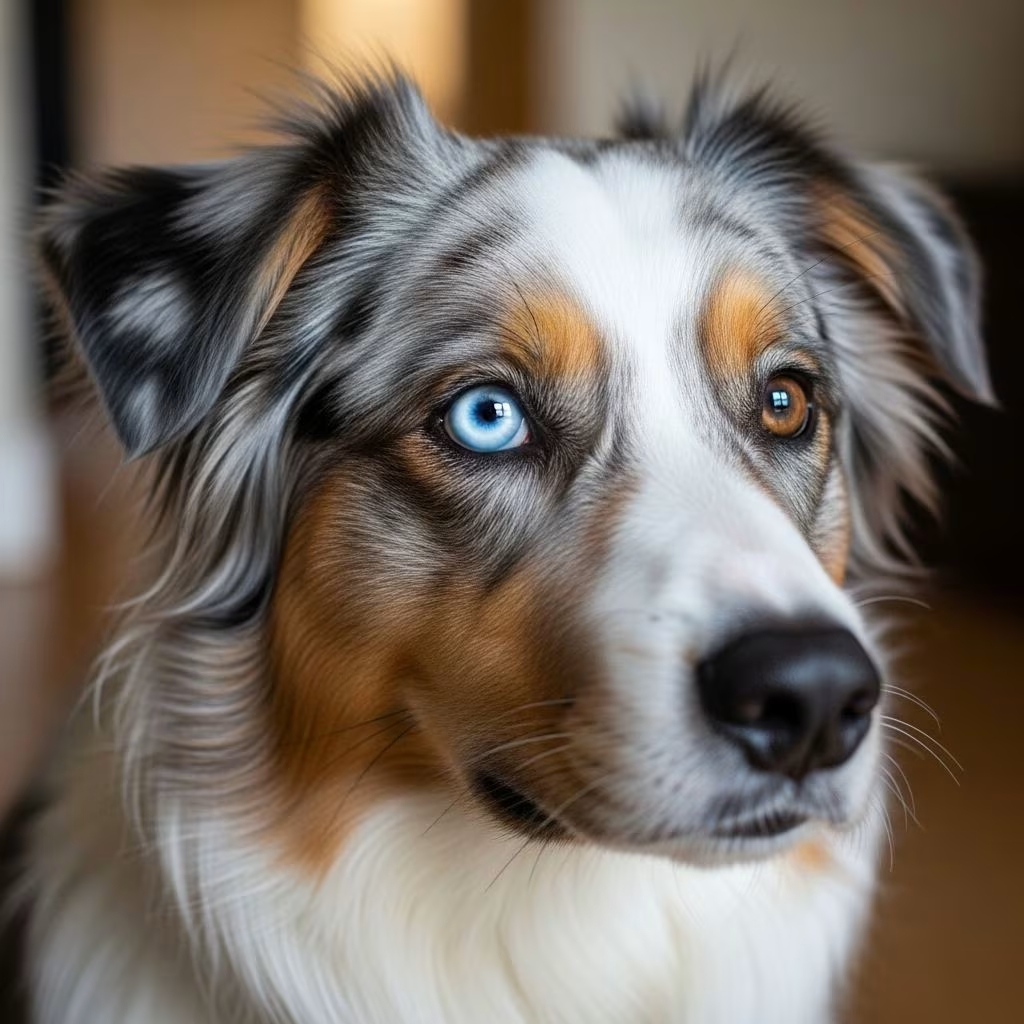
Dogs with eyes of two different colors captivate owners and onlookers alike. This condition, known as **heterochromia**, stems from uneven melanin distribution in the irises, leading to striking visual contrasts like one blue eye and one brown.
Defining Heterochromia and Its Visual Forms
Heterochromia iridis refers to color discrepancies in a dog’s eyes. Puppies start with blue-gray eyes at birth, which mature to their permanent shade by around 16 weeks. In heterochromic dogs, this process yields mismatched results.
- Complete heterochromia: Each eye displays a fully distinct color, such as blue versus brown.
- Sectoral heterochromia: One eye features segments of different colors within the iris.
- Central heterochromia: A ring of one color encircles the pupil against a different outer hue.
These variations arise from melanin levels—melanocytes produce the pigment responsible for brown, amber, or black tones. Reduced presence results in blue or lighter shades.
Hereditary Origins: Genetics at Play
Most cases trace back to inheritance. Specific genes dictate both coat patterns and iris pigmentation, explaining why heterochromia clusters in certain breeds.
The Role of Key Genes
Two prominent genes link to this trait:
| Gene | Coat Effect | Eye Impact | Health Notes |
|---|---|---|---|
| Merle | Marbled patches (blue or red merle) | Increased heterochromia likelihood | Double merle breeding risks deafness/blindness |
| Piebald (white spotting) | White patches/spots | Possible heterochromia and deafness | Complex inheritance; more research needed |
The merle gene acts dominantly—one copy from a parent suffices for expression. Breeding two merle carriers yields a 25% chance of double merle pups, often with severe defects due to melanocyte shortages in eyes and ears.
A 98.6-kb duplication mutation correlates with blue eyes and heterochromia, notably in Huskies and Shepherds. Multiple genes interact, varying by breed.
Females in breeds like Dalmatians show higher prevalence, tied to sex-linked factors.
Breeds Commonly Affected
Selective breeding amplifies these genes, making heterochromia routine in some lines. Up to 10% of Siberian Huskies exhibit it.
- Siberian Huskies
- Australian Shepherds
- Dalmatians
- Great Danes
- Dachshunds
- Border Collies
- Chihuahuas
- Shih Tzus
- Australian Cattle Dogs
Merle or piebald coats heighten odds. Responsible breeders genetic test to sidestep health risks.
Acquired Heterochromia: When It’s Not Genetic
Not all cases are congenital. Acquired heterochromia develops post-birth from external factors.
- Trauma: Head injuries or direct eye blows disrupt pigmentation.
- Diseases: Uveitis (inflammation), glaucoma, or cataracts alter iris color.
- Medications: Certain drugs induce changes.
Unlike hereditary forms, acquired versions signal trouble. Watch for pain, redness, discharge, vision loss, or rubbing—prompt vet evaluation is crucial.
Associated Health Risks and Myths
Congenital heterochromia rarely impairs vision or health in single-merle dogs. However:
- Double merle dogs face deafness (ear melanocyte lack) and blindness risks.
- Piebald-related deafness occurs via auditory nerve degeneration.
- Dalmatians with sectoral heterochromia show elevated deafness rates.
Heterochromia doesn’t cause these issues directly but correlates via shared genetics. It’s rarer in humans due to broader gene pools and less inbreeding.
Veterinary Diagnosis and Management
Vets differentiate types via exam, ruling out pathology. Puppies revealing heterochromia by 16 weeks likely have the hereditary form.
For acquired cases:
- Full ophthalmic workup.
- Treat underlying issues (e.g., anti-inflammatories for uveitis).
- Monitor for glaucoma or tumors.
Genetic testing aids breeders. No treatment reverses congenital heterochromia—it’s cosmetic.
FAQs on Dog Heterochromia
Is heterochromia painful for dogs?
Hereditary cases cause no discomfort. Acquired forms may involve pain from the root cause.
Can any dog develop heterochromia?
Primarily genetic breeds, but trauma/disease affects any dog.
Does heterochromia impact vision?
Typically not in congenital instances; double merles are exceptions.
Should I breed heterochromic dogs?
Avoid merle x merle; test genetics first.
How common is it?
Frequent in Huskies (10%), Shepherds; rare elsewhere without triggers.
Caring for Dogs with Unique Eyes
These dogs need standard eye care: regular vet checks, UV protection outdoors, and trauma avoidance. Their eyes function normally, adding aesthetic appeal.
Owners cherish the trait, but prioritize health screening in breeding.
References
- What to Know About Heterochromia in Dogs — Greenfield Puppies. 2023. https://www.greenfieldpuppies.com/blog/heterochromia-in-dogs/
- Heterochromia in Dogs: Causes, Breeds & When to See a Vet — Basepaws. 2024. https://basepaws.com/blog/heterochromia-in-dogs
- Dogs With Different Colored Eyes | Causes of Heterochromia — PetAssure. 2023. https://www.petassure.com/maxscorner/causes-of-heterochromia-in-dogs-different-colored-eyes/
- What Is Heterochromia in Dogs? — Whole Dog Journal. 2024-03-01. https://www.whole-dog-journal.com/health/what-is-heterochromia-in-dogs/
- Heterochromia Iridis in Cats and Dogs — PetPlace. 2023. https://www.petplace.com/article/general/pet-health/heterochromia-in-cats-dogs



