

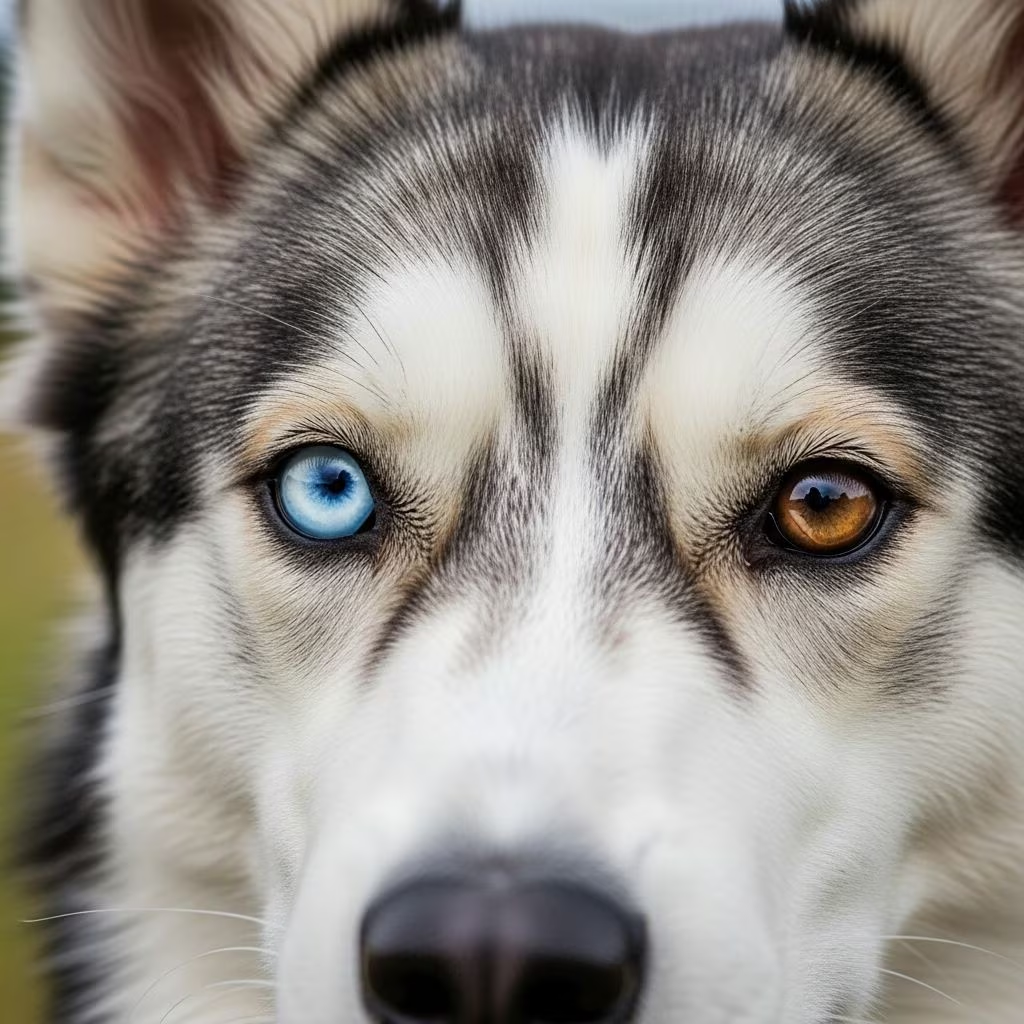
Heterochromia refers to a condition where a dog has eyes of different colors or variations within one iris, often resulting from melanin distribution differences. This trait captivates many owners, appearing in breeds like Siberian Huskies and Dalmatians, and can be either congenital or develop later due to health issues.
Understanding the Basics of Canine Eye Pigmentation
The iris, the colored part of the eye, gets its hue from melanin, a pigment also responsible for coat and skin color. In dogs with typical brown eyes, melanocytes produce ample melanin, but mutations reduce this in heterochromic eyes, leading to blue or lighter shades. Puppies start with blue-grey eyes that darken as melanin develops, sometimes revealing heterochromia early on.
Genetic factors link coat patterns like merle or piebald to this condition, where white spotting suppresses pigment cells in the iris and sometimes affects hearing pathways. While visually striking, congenital cases rarely impair sight.
Types of Heterochromia Observed in Canines
Heterochromia manifests in three primary forms, each with distinct appearances:
- Complete Heterochromia: One eye fully differs in color from the other, such as one blue and one brown. This is most noticeable and common in herding breeds.
- Sectoral Heterochromia: A section of the iris shows a different color, like a blue splash in a brown eye, often seen in Dalmatians.
- Central Heterochromia: The iris displays a multi-colored ring or spike pattern around the pupil, creating a heterochromatic effect within a single eye.
These variations stem from uneven melanin presence, influenced by genes regulating pigment cells.
Genetic Origins: Why Some Dogs Are Born This Way
Hereditary heterochromia arises from specific gene mutations affecting melanocyte migration during fetal development. The merle gene, prevalent in Australian Shepherds and Border Collies, dilutes pigmentation, often pairing with white coats. Similarly, the piebald gene causes random melanin deletion, leading to white patches and iris changes.
| Breed | Common Heterochromia Type | Associated Coat Pattern |
|---|---|---|
| Siberian Husky | Complete | White around head |
| Australian Shepherd | Complete/Sectoral | Merle |
| Dalmatian | Sectoral | Spotted white |
| Border Collie | Complete | Merle |
| Great Dane | Complete | Harlequin |
Breeds like Chihuahuas, Dachshunds, Shetland Sheepdogs, and Shih Tzus also show higher incidence due to color dilution genetics. Females in some lines, like Dalmatians, may be more prone. Congenital heterochromia poses no health risks and vision remains normal.
Acquired Heterochromia: Signs of Underlying Problems
Unlike genetic forms, acquired heterochromia develops post-birth from injury, disease, or medications, signaling potential issues. Trauma, such as head blows, disrupts melanin production, while inflammation like uveitis alters iris color.
Glaucoma causes hazy blue appearances from fluid buildup, accompanied by pain and vision loss. Other culprits include cataracts, tumors, diabetes, corneal dystrophy, melanoma, and autoimmune disorders. Medications can rarely trigger changes.
Monitor for symptoms: redness, discharge, pawing, squinting, cloudiness, or sudden color shifts, warranting immediate vet attention.
Health Implications and Vision Concerns
Congenital heterochromia dogs enjoy normal vision and health, debunking myths of blindness or universal deafness. However, Dalmatians with sectoral types face higher deafness risk due to pigment gene effects on ear nerves.
Acquired cases demand urgency; untreated issues like glaucoma lead to permanent damage. Vets use fluorescein stains for ulcers, ultrasounds for internals, and blood tests for systemic diseases. Early intervention preserves sight.
Diagnosis Process for Mismatched Eyes
Veterinarians differentiate types via physical exams, ruling out mimics like uveitis with its redness and discharge. Tools include:
- Fluorescein staining to detect corneal scratches.
- Ocular ultrasound for hidden tumors or inflammation.
- Blood work for infections or metabolic issues.
For congenital confirmation, breed history and lack of symptoms suffice.
Caring for Dogs with Heterochromic Eyes
Genetic cases require standard care: annual eye checks, UV protection outdoors, and clean environments to prevent irritation. Avoid breeding carriers if deafness risks apply.
For acquired suspicions, prompt vet visits prevent progression. No specific treatments exist for cosmetic heterochromia, but underlying causes get addressed—meds for inflammation, surgery for glaucoma.
Owners should track changes, ensure balanced diets supporting eye health (rich in antioxidants), and use vet-recommended drops if needed.
Common Myths and Facts About Dog Eye Colors
- Myth: Blue-eyed dogs are always blind. Fact: Hereditary cases have full vision.
- Myth: All heterochromic dogs are deaf. Fact: Rare in most breeds, elevated only in some like Dalmatians.
- Myth: Color changes are always harmless. Fact: Adult-onset needs evaluation.
Frequently Asked Questions (FAQs)
Is heterochromia painful for dogs?
No, congenital heterochromia causes no discomfort. Acquired may involve pain from root causes like injury.
Can heterochromia appear in mixed breeds?
Yes, genetics from purebred ancestors can manifest in mutts.
Does heterochromia affect lifespan?
Not directly; it’s cosmetic unless acquired signals disease.
How to prevent acquired heterochromia?
Protect eyes from trauma, manage health conditions promptly.
Should I breed a heterochromic dog?
Consult vets; some genes link to deafness risks.
Embracing the Unique Beauty of Heterochromic Pups
Dogs with heterochromia embody nature’s diversity, often called “two souls in one body.” While mostly benign, vigilance ensures their well-being. Celebrate this trait while prioritizing health checks.
References
- What to Know About Heterochromia in Dogs — Greenfield Puppies. 2023. https://www.greenfieldpuppies.com/blog/heterochromia-in-dogs/
- Heterochromia in Dogs — Husky Haven. 2022-08-06. https://www.huskyhavenfl.org/hhofl-blog/2022/8/6/heterochromia-in-dogs
- Heterochromia (Irregular Iris Pigmentation) in Cats and Dogs — PetPlace. 2024. https://www.petplace.com/article/general/pet-health/heterochromia-in-cats-dogs
- Dogs With Different Colored Eyes | Causes of Heterochromia — PetAssure. 2023. https://www.petassure.com/maxscorner/causes-of-heterochromia-in-dogs-different-colored-eyes/
- Why did my dog’s eyes change color? — FirstVet. 2024. https://firstvet.com/us/articles/why-did-my-dogs-eyes-change-color
- What Is Heterochromia in Dogs? — Whole Dog Journal. 2023. https://www.whole-dog-journal.com/health/what-is-heterochromia-in-dogs/
- Why Does My Dog Have Two Different Colored Eyes? Understanding Canine Heterochromia — Blazin Trails Bottle Babies. 2024. https://blazintrailsbottlebabies.org/why-does-my-dog-have-two-different-colored-eyes-understanding-canine-heterochromia/



