

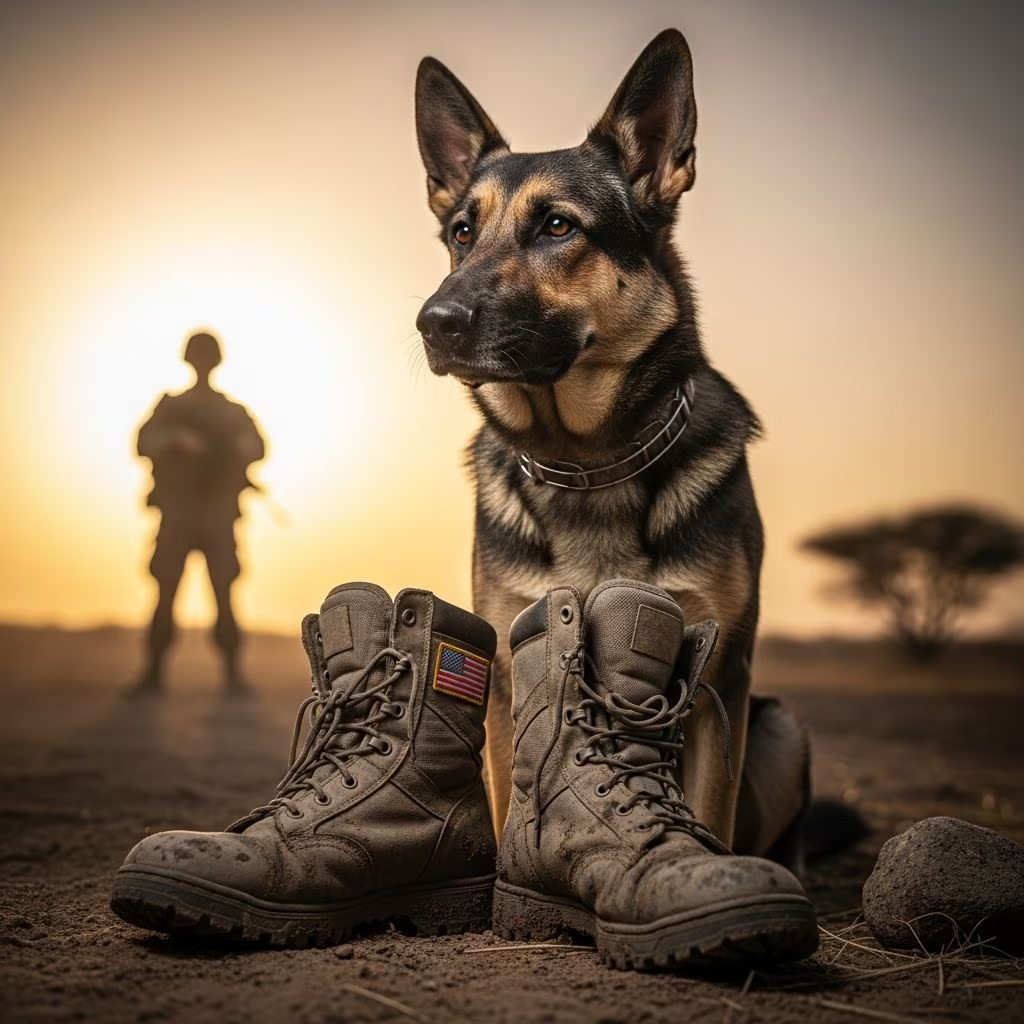
Military service demands sacrifices that extend beyond the battlefield, often leaving beloved pets without their primary caregivers during deployments or crises. Specialized organizations step in as lifelines, offering foster homes, boarding assistance, and financial support to keep these animals safe and loved until reunions occur. These initiatives preserve the emotional bonds that provide comfort to service members facing high-stakes missions.
The Critical Need for Pet Support in Military Life
Service members frequently face sudden deployments to combat zones, peacekeeping operations, or humanitarian efforts, leaving pets vulnerable to relinquishment if no care options exist. Without intervention, many animals end up in shelters, facing uncertain fates including euthanasia. Programs address this gap by matching pets with screened volunteer fosters across all 50 states, covering dogs, cats, birds, horses, and more for all military branches, including National Guard and Reservists under deployment orders.
These services extend to dual-military couples or singles where family disabilities prevent pet care, with foster terms ranging from 2-12 months. For wounded warriors and veterans, aid includes short-term boarding during hospital stays under 30 days and emergency veterinary coverage via dedicated funds. Such support not only protects animals but also bolsters troop morale, knowing their companions are secure.
Key Organizations Leading the Charge
Several nonprofits have pioneered comprehensive pet care solutions tailored to military needs. Here’s an overview of prominent ones:
- Guardian Angels for Soldier’s Pet (GASfP): Operates foster homes, two Texas sanctuaries, and a Military Pet Assistance (MPA) Fund for vet bills, short-term (14 days) and mid-term (30 days) boarding. Available nationwide for deployments and veteran crises.
- Dogs on Deployment: Links service members with volunteer boarders for safe homes during deployments, training, or emergencies, emphasizing temporary yet nurturing environments.
- PACC911: Maintains a global network of individual foster homes for all pet types, supporting active duty, wounded warriors, PCS delays due to airline rules, and family medical issues.
- PACT for Animals: Specializes in long-term in-home fostering for deploying military and hospitalized patients, ensuring pets stay in loving homes until owners return.
These groups collaborate with VA representatives, caseworkers, and military programs to verify eligibility and coordinate care, often requiring deployment orders or medical documentation.
How Foster Programs Operate Step-by-Step
Engaging these services involves a structured process to guarantee pet welfare:
- Application Submission: Service members submit details via online forms, including pet profiles, deployment orders, and contact info for liaisons.
- Matching with Fosters: Volunteers are vetted through home checks, references, and interviews; pets are placed in compatible homes nearby when possible.
- Ongoing Monitoring: Assigned coordinators conduct regular check-ins, photo updates, and vet visit escorts to maintain health and happiness.
- Reunification: Pets return post-deployment with transition support; owners are encouraged to donate for sustainability.
For urgent cases like homeless veterans, MPA funds cover boarding at licensed facilities and spay/neuter services. Organizations like Guardians of Rescue assist with repatriating war-zone strays adopted by troops, handling logistics, training, and U.S. adaptation.
Financial Assistance and Special Funds
Beyond fostering, monetary aid prevents pet loss due to costs. The MPA Fund, launched in 2008, reimburses emergency vet care for fostered pets when owners lack funds, supports homeless veterans’ animals, and funds temporary boarding for inpatients. PACT and similar groups offer nationwide reach without geographic limits.
| Program | Financial Aid Type | Eligibility | Duration Covered |
|---|---|---|---|
| MPA Fund (GASfP) | Vet care, boarding | Deployed, veterans, wounded warriors | Up to 30 days boarding; emergencies |
| Pets for Patriots | Discounted vet, food | All armed forces stages | Ongoing |
| War Torn Pups | Reunification costs | Troops with war-zone strays | One-time transport |
These resources reduce ownership burdens, with some waiving adoption fees for veterans or providing service dog matching.
Benefits for Pets, Owners, and Families
The impact ripples widely. Pets avoid shelter trauma, receiving personalized care that matches their routines. Owners deploy with peace of mind, reducing stress and PTSD risks—studies link pet bonds to mental health resilience, though specific military data underscores program value. Families, especially those with disabilities, gain breathing room during absences.
Testimonials highlight transformations: A deploying Marine’s dog thrived in foster care, reuniting fitter than ever; a veteran’s cat received life-saving surgery via MPA funds. Programs like Vets and Their Pets focus on transitional housing, ensuring pets don’t deter medical care-seeking.
Challenges and Expansion Efforts
Demand outpaces supply, with foster shortages in rural areas and rising deployment tempos straining networks. Organizations combat this via recruitment drives, partnerships with bases, and tech platforms for matching. Eligibility limits—e.g., GASfP’s focus on out-of-country combat/peacekeeping—prompt users to search local options. Future growth includes international repatriation and tech for virtual check-ins.
Frequently Asked Questions
Who qualifies for military pet fostering?
Active duty singles/duals on combat, peacekeeping, or humanitarian deployments; wounded warriors/veterans with medical/homeless needs; PCS delays. All branches, nationwide.
How long can pets stay in foster care?
Typically 2-12 months for deployments; up to 30 days boarding for medical stays. Varies by program and situation.
Are there costs involved?
Fostering is free via volunteers; funds cover emergencies if available. Donations post-reunion encouraged.
What pets are accepted?
Dogs, cats, birds, horses, exotic—most species, with vet records required.
How do I apply?
Visit program sites, submit forms with orders/docs. Liaisons guide from there.
Getting Involved as a Volunteer or Donor
Civilians can foster by applying through vetted processes, providing home photos and pet history. Donations sustain funds for vet care and transport. Spreading awareness via bases or social media amplifies reach. Contact organizations directly to start.
These guardians ensure no pet pays the ultimate price for human heroism, fostering unbreakable loyalties.
References
- Military Pets Foster Programs – PACC911 — PACC911. Accessed 2026. https://pacc911.org/military-pets
- 5 Reliable Military Pet Boarding Programs — MyBaseGuide. Accessed 2026. https://mybaseguide.com/military-pet-boarding
- Pet Foster Home Program — Guardian Angels for Soldier’s Pet. Accessed 2026. https://www.gafsp.org/programs/foster-home-program/
- Military Pet Resources — Operation We Are Here. Accessed 2026. https://www.operationwearehere.com/pets.html
- Veteran’s Benefits — Joybound People & Pets. Accessed 2026. https://joybound.org/services/get-help/veterans-benefits/
- Operation Support Our Troops — Guardians of Rescue. Accessed 2026. https://guardiansofrescue.org/operation-support-troops/
- Guardian Angels for Soldier’s Pet: Home — GASfP. Accessed 2026. https://gafsp.org



