
Hernias In Pets: 5 Types, Symptoms, And Treatment Guide
Understand the types, signs, and treatments for hernias in dogs and cats to ensure timely intervention and full recovery.
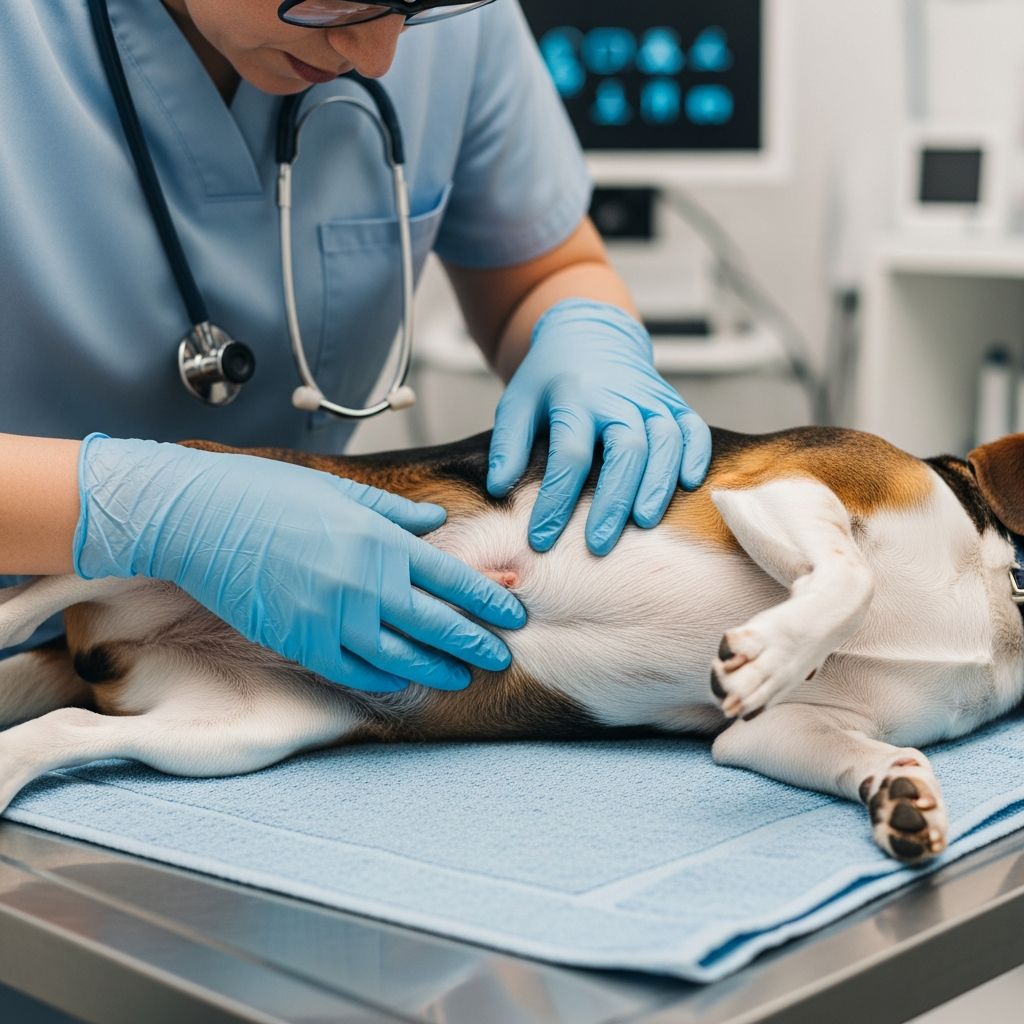
Hernias occur when an organ or tissue protrudes through a weak spot in the surrounding muscle or connective tissue, a condition seen in both dogs and cats. Early identification by pet owners and veterinarians can prevent serious complications, with surgical correction offering high success rates in most cases.
Understanding the Basics of Pet Hernias
In pets, hernias can be congenital, present from birth due to incomplete muscle closure during development, or acquired later from factors like trauma, obesity, pregnancy, or chronic straining. While many small hernias remain asymptomatic and may close naturally, especially in puppies and kittens, larger ones demand prompt attention to avoid organ entrapment, which can lead to life-threatening issues like strangulation.
Common sites include the abdominal wall, groin, perineal area, and diaphragm. Veterinary exams during routine checkups often detect these early, allowing for monitoring or intervention timed with procedures like spaying or neutering.
Primary Types of Hernias Affecting Dogs and Cats
Dogs and cats experience several hernia varieties, each with distinct locations and risks. Here’s a breakdown:
- Umbilical Hernia: A bulge near the belly button where abdominal fat or intestines push through. Frequent in puppies, it often appears as a soft lump that enlarges with crying or straining.
- Inguinal Hernia: Occurs in the groin, potentially trapping the bladder or intestines, leading to urination difficulties. More common in certain breeds.
- Perineal Hernia: Seen in older unneutered male dogs, involving pelvic muscle tears near the anus, causing swelling, straining to defecate, or incontinence.
- Hiatal Hernia: Part of the stomach protrudes through the diaphragm into the chest, causing regurgitation, drooling, and breathing issues.
- Diaphragmatic Hernia: A tear in the diaphragm allows abdominal organs into the chest cavity, compressing lungs and heart, often from trauma.
| Hernia Type | Common in | Key Risks |
|---|---|---|
| Umbilical | Puppies/Kittens | Organ entrapment if large |
| Inguinal | Dogs (females) | Bladder involvement |
| Perineal | Older male dogs | Constipation, prolapse |
| Hiatal | Both species | Aspiration pneumonia |
| Diaphragmatic | Trauma cases | Respiratory distress |
Recognizing Symptoms Early
Pet owners should watch for visible signs and behavioral changes. A soft, reducible bulge that pushes back in when pressed is common in benign cases, but monitor for progression. Urgent symptoms include:
- Sudden pain, firmness, redness, or warmth at the site.
- Vomiting, appetite loss, lethargy, or fever.
- Breathing difficulties, coughing, or drooling.
- Straining to urinate/defecate or posture changes.
Cats may show subtler signs like constipation from straining, which can worsen hernias, or trauma-related abdominal blows. Routine handling during play can reveal lumps, prompting a vet visit.
Diagnosis Process in Veterinary Practice
Veterinarians start with a physical exam, palpating the area to assess size and reducibility. Imaging like ultrasound or X-rays confirms organ involvement and rules out emergencies. For diaphragmatic cases, chest X-rays show organ displacement. Bloodwork evaluates overall health before surgery. Early detection during puppy wellness exams allows combining repairs with neutering for efficiency.
Treatment Approaches: From Monitoring to Surgery
Small umbilical hernias under 1 cm may close by 6 months without intervention, but others require surgery. Procedures involve:
- An incision over the defect.
- Repositioning tissues.
- Suturing the muscle wall, sometimes with mesh.
- Closing skin with absorbable sutures.
Anesthesia is tailored to the pet’s age and size, with 90% success rates. Hiatal hernias might be managed medically if mild, but surgery is standard for most. Perineal repairs often include castration to prevent recurrence.
Post-Surgery Recovery Guidelines
Recovery typically spans 10-14 days, with pets going home same-day or next. Key home care includes:
- Rest in a quiet space, no jumping or rough play.
- Cone collar to prevent licking the incision.
- Clean site daily, monitor for swelling/infection.
- Pain meds and antibiotics as prescribed.
- Soft diet, hydration, and short leash walks.
Follow-up visits ensure proper healing. Full activity resumes gradually, reducing recurrence risk.
Prevention Strategies for Pet Owners
Maintain ideal weight to lessen abdominal strain. Neutering/spaying reduces perineal and inguinal risks. Avoid trauma by cat-proofing homes—secure high perches and heavy objects. Monitor constipation in cats and puppies, addressing with diet/fiber. Breeds prone to hernias (e.g., Bassett Hounds for perineal) benefit from early screening.
When to Seek Emergency Care
Rush to an emergency vet if the bulge becomes irreducible, painful, or accompanied by collapse, pale gums, or shock signs. Diaphragmatic hernias post-trauma (car accidents) are critical. Prompt action prevents tissue death.
FAQs on Pet Hernias
Can hernias in pets heal without surgery?
Yes, small umbilical ones often close naturally by 4-6 months, but vet monitoring is essential.
Is hernia surgery safe for puppies?
Highly safe with breed/size-adjusted anesthesia; often combined with neutering.
What breeds are prone to hernias?
Poodles, Pekinese for umbilical; older males like Boxers for perineal.
How much does hernia repair cost?
Varies by type/location; consult your vet for estimates.
Can cats get perineal hernias?
Rare, but possible; more common in dogs.
Hernias needn’t shorten pet lifespans with proper care. Regular vet visits and owner vigilance ensure happy, healthy companions.
References
- Puppy Hernia Signs and Treatment — Eascor Animal Hospital. 2023. https://eascoranimalhospital.com/puppy-and-kitten-care/puppy-hernia/
- Dog Hernias: Symptoms, Types, & Treatment Options — Rastetter DVM. 2024. https://rastetterdvm.com/dog-hernias-symptoms-types-treatment-options/
- Pet Hernia Repair Surgery — Lakeland Animal Clinic. 2023. https://www.lakeland-animal-clinic.com/services/hernias
- Treatment for Hernias in Dogs — Zoetis Petcare. 2024. https://www.zoetispetcare.com/blog/article/treatment-hernia-dogs
- Can Dogs Get Hernias? — CareCredit. 2023. https://www.carecredit.com/well-u/pet-care/can-dogs-get-hernia/
- Essential Steps for Caring for a Dog with a Hernia — McGehee Clinic. 2024. https://mcgeheeclinic.com/blog/dog-hernia-care/
Similar Articles








Read full bio of medha deb


