

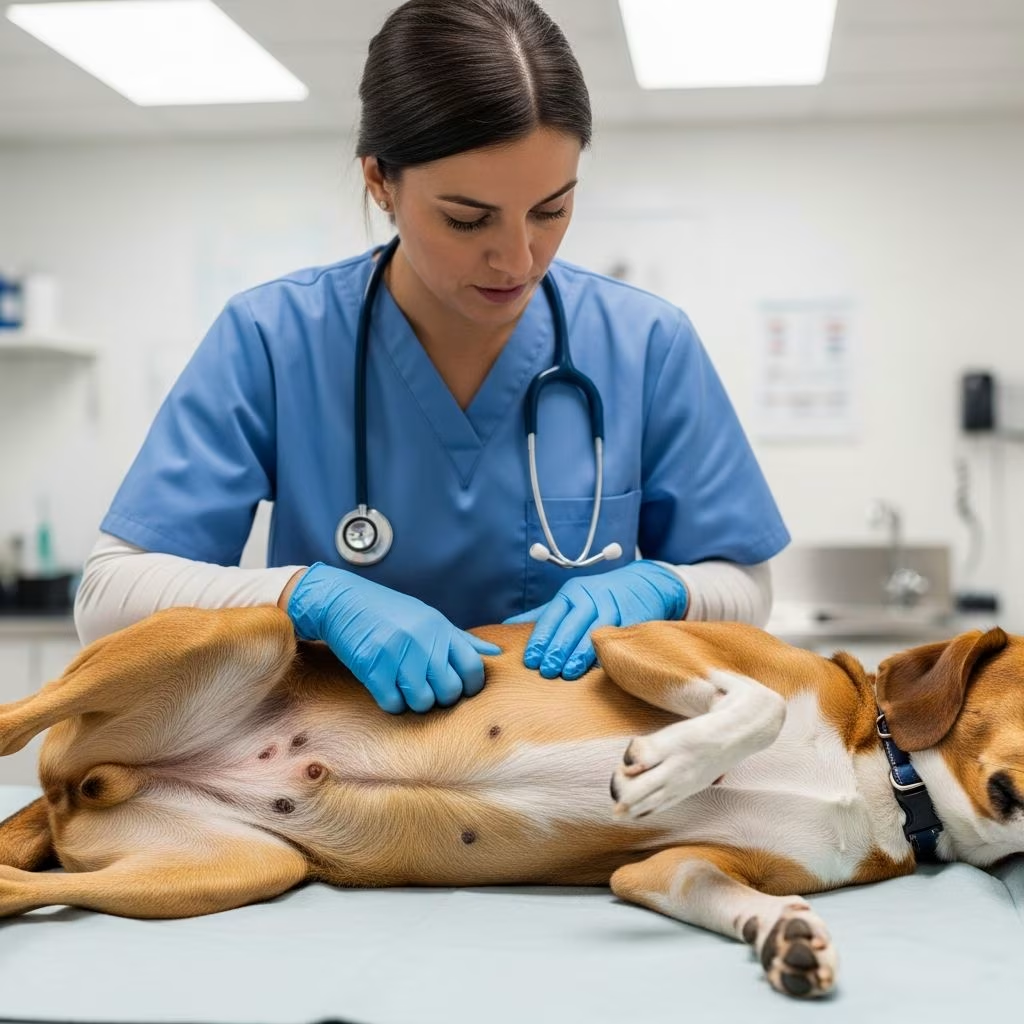
Hernias occur when an organ or tissue protrudes through a weak spot in the surrounding muscle or connective tissue in dogs. These conditions range from minor issues that resolve on their own to emergencies requiring immediate veterinary intervention. Early detection plays a crucial role in preventing complications such as organ strangulation or respiratory distress.
Understanding the Basics of Canine Hernias
A hernia develops due to a defect in the body wall that allows abdominal contents to push through. This can happen congenitally, from birth, or be acquired later through trauma, strain, or weakening muscles. While many dogs live normal lives with small hernias, larger ones pose risks like tissue damage or infection. Veterinary diagnostics, including physical exams, X-rays, and ultrasounds, confirm the presence and type of hernia.
Primary Types of Hernias Affecting Dogs
Dogs can suffer from several hernia varieties, each with distinct locations and implications. Recognizing these helps owners seek timely care.
Umbilical Hernias: Common in Puppies
The most frequent hernia in young dogs, umbilical hernias appear as a soft bulge near the belly button. They stem from incomplete closure of the abdominal wall after the umbilical cord detaches. Small ones often close spontaneously by six months, but larger defects may trap intestines, leading to pain.
Inguinal Hernias: Groin Area Concerns
Located near the groin, inguinal hernias involve fat, intestines, or even the bladder slipping through the abdominal wall. Congenital in puppies or acquired in adults from pregnancy or obesity, they present as lumps on one or both sides of the lower abdomen. Complications include urinary issues and infertility in females.
Perineal Hernias: Issues Around the Anus
Predominantly affecting older, unneutered males, perineal hernias result from weakened pelvic floor muscles. A bulge forms beside the anus, potentially causing constipation, incontinence, or prolapse. Straining exacerbates the condition.
Diaphragmatic and Hiatal Hernias: Chest and Breathing Problems
Diaphragmatic hernias arise from tears in the diaphragm muscle separating chest and abdomen, often post-trauma like car accidents. Organs shift into the chest, compressing lungs and heart, causing labored breathing. Hiatal hernias, a subset, involve stomach tissue entering the esophagus through the diaphragmatic opening, leading to regurgitation and aspiration risks.
Recognizing Symptoms: When to Worry
Symptoms vary by hernia type but share red flags signaling urgency. Owners should monitor for:
- Visible lumps or swellings that change size.
- Vomiting, retching, or regurgitation.
- Labored, rapid, or shallow breathing.
- Lethargy, appetite loss, or fever.
- Straining during defecation or urination.
- Pain when touching the area, drooling, or bloody discharge.
Emergency signs include a painful, warm, discolored bulge or sudden breathing distress—rush to a vet immediately.
| Hernia Type | Key Symptoms |
|---|---|
| Umbilical | Bulge at belly button, possible pain if organs involved |
| Inguinal | Groin swelling, urination difficulty, vomiting |
| Perineal | Anus-area bulge, constipation, incontinence |
| Diaphragmatic | Breathing issues, coughing, shock post-trauma |
| Hiatal | Regurgitation, drooling, aspiration pneumonia risk |
Causes and Risk Factors
Congenital hernias link to genetics, prevalent in breeds like Basenjis, Pekingese, and Shih Tzus. Acquired ones stem from trauma (e.g., falls, bites), chronic coughing, obesity, or pregnancy straining. Unneutered males face higher perineal risks due to prostate enlargement. Preventive neutering and weight management reduce incidences.
Diagnosis Process in Veterinary Clinics
Vets start with a hands-on exam to palpate bulges and assess pain. Imaging like radiographs reveals organ displacement, while ultrasound differentiates hernia contents. Bloodwork checks for infection or dehydration. In complex cases, CT scans provide detailed views.
Treatment Approaches: From Monitoring to Surgery
Treatment hinges on size, symptoms, and type. Small umbilical hernias may be watched if reducible (manually pushed back). Most require surgery under anesthesia: vets reposition tissues, suture defects, and use mesh for reinforcement. Hiatal hernias might respond to medications like antacids if mild, avoiding surgery.Post-op, pain relievers (e.g., tramadol, carprofen) and restricted activity aid healing.
Surgical Procedures Explained
Procedures vary: laparoscopic for minimally invasive repairs or open surgery for severe cases. Intestines may need resection if necrotic. Costs range from $500-$5,000 depending on complexity and location.
Recovery and Post-Operative Care
Expect 10-14 days of rest: e-collars prevent licking, short leash walks only. Monitor incisions for swelling or discharge. Feed small, frequent meals to avoid straining. Full recovery takes 4-6 weeks; follow-ups ensure success. Complications like recurrence (rare with mesh) or infection occur in under 10% of cases.
Prevention Strategies for Dog Owners
Maintain ideal weight to lessen abdominal pressure. Spay/neuter to mitigate hormonal muscle weakening. Avoid high-impact activities for at-risk breeds. Regular vet check-ups catch congenital issues early.
FAQs About Hernias in Dogs
Can hernias heal without surgery?
Small umbilical hernias in puppies often close naturally by 6 months; others typically need intervention.
Are certain breeds more prone?
Yes, brachycephalic breeds (e.g., Bulldogs) and small toys like Chihuahuas face higher risks for hiatal and inguinal types.
What if my dog has a hernia during pregnancy?
Monitor closely; emergency C-section may be needed if inguinal hernia enlarges.
How much does hernia surgery cost?
Averages $1,500-$3,000, varying by type and clinic; pet insurance can offset expenses.
Is hernia surgery safe for senior dogs?
Generally yes, with pre-op health assessments; perineal repairs are common in older males.
Long-Term Outlook and Prognosis
With prompt surgery, over 95% of dogs recover fully, resuming normal activities. Untreated hernias risk life-threatening strangulation. Regular monitoring post-repair ensures no recurrence.
References
- Treatment for Hernias in Dogs — Zoetis Petcare. 2024. https://www.zoetispetcare.com/blog/article/treatment-hernia-dogs
- Can Dogs Get Hernias? Causes, Symptoms and Treatment Options — CareCredit Well-U. 2024. https://www.carecredit.com/well-u/pet-care/can-dogs-get-hernia/
- Inguinal Hernia in Dogs — PetMD. 2024. https://www.petmd.com/dog/conditions/muscokeletal/c_dg_dog_hernia_inguinal
- Dog Hernias: Symptoms, Types, & Treatment Options — Rastetter DVM. 2024. https://rastetterdvm.com/dog-hernias-symptoms-types-treatment-options/
- Hernias in Dogs: Symptoms, Surgery & Cost — Godspeed Animal Care. 2024-05-31. https://www.godspeedanimalcare.com/site/blog/2024/05/31/hernia-dogs
- How Do Dogs Get Hernias? — ASPCA Pet Insurance. 2024. https://www.aspcapetinsurance.com/resources/how-dogs-get-hernias/



