

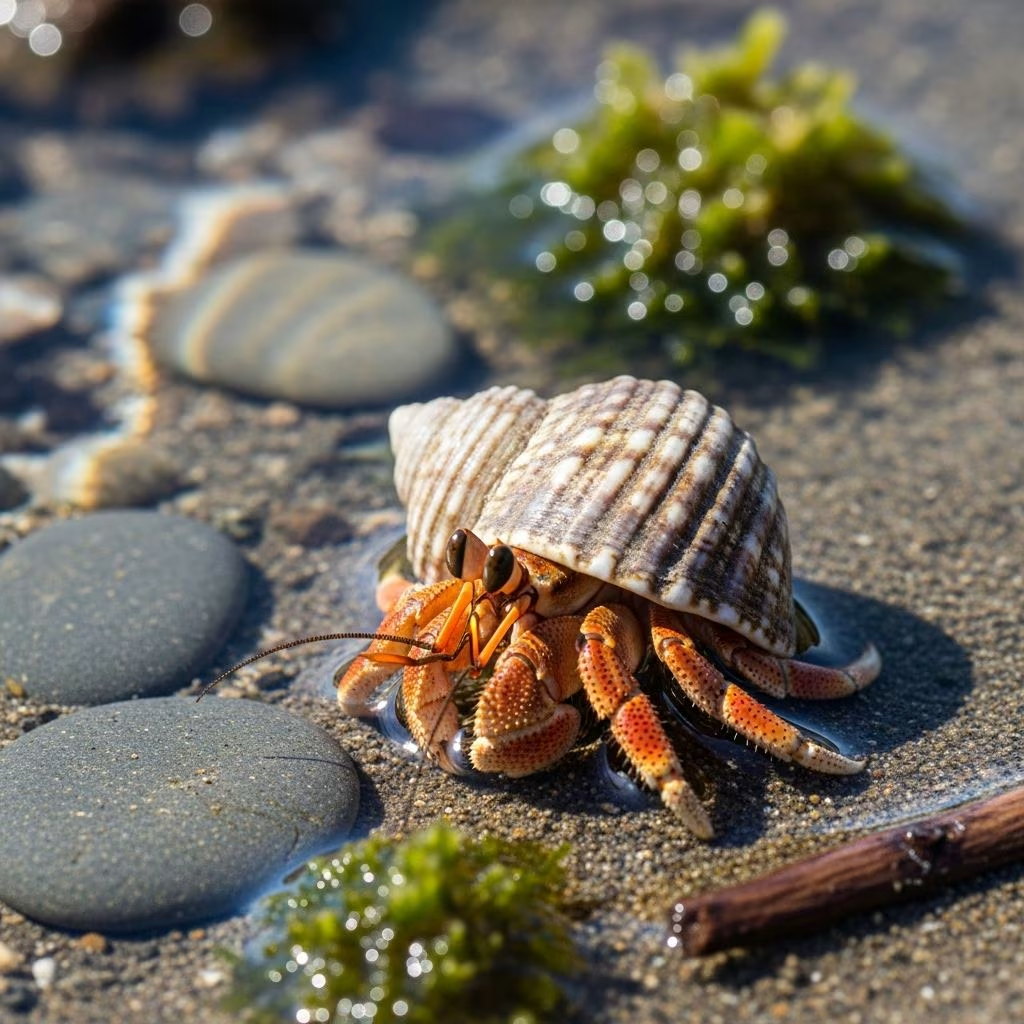
Hermit Crab Life Expectancy: How Long Do Hermit Crabs Live?
When considering hermit crabs as pets, one of the most important questions pet parents ask is: how long do hermit crabs actually live? The answer depends significantly on whether your crab lives in the wild or in captivity, and perhaps most importantly, on the quality of care it receives. Understanding hermit crab life expectancy is crucial for anyone thinking about bringing one of these fascinating crustaceans into their home.
Key Takeaways
- Wild hermit crabs can live up to 50 years, but with proper care, pet crabs can reach 10 to 20 years
- Most pet hermit crabs live less than one year because they don’t have the proper care
- These small crustaceans need a specific temperature, two types of water, special lighting, and the right bedding to thrive
- They require a varied diet and should never be given untreated tap water, which can be toxic to them
- Molting is a critical and vulnerable stage in a hermit crab’s life that requires proper environmental conditions
How Long Do Hermit Crabs Actually Live?
A hermit crab’s life expectancy largely depends on their resources and how well they’re cared for. According to experts in the field, the difference between wild and captive hermit crabs is substantial. In their natural habitat, wild hermit crabs can live for an impressive 50 years if conditions are good and resources are available. This extended lifespan allows these creatures to grow, adapt, and thrive in their native environments.
However, the reality for most pet hermit crabs tells a different story. While many people assume their hermit crab will live for years, the unfortunate truth is that most pet hermit crabs live less than a year. This dramatic difference isn’t due to hermit crabs being inherently short-lived creatures—it’s because they don’t have the right setup and care in captivity. The good news is that if a pet parent knows how to properly care for a hermit crab, life expectancy increases dramatically. With correct setup and maintenance, 10 or even 20 years isn’t out of the question for a pet hermit crab.
Some exceptional cases have been documented. One famous hermit crab named Jonathan Livingston, who lived at a Florida retirement community, reached an incredible 44 years old before passing away in 2021, demonstrating that with excellent care, hermit crabs can live far longer than most people expect.
The Critical Role of Molting in Hermit Crab Longevity
One of the biggest factors in hermit crab care and longevity is ensuring that your crab can molt safely. Molting is one of the most important—and vulnerable—parts of a hermit crab’s life cycle. During this process, hermit crabs shed their old exoskeleton and grow a new one, which allows them to get bigger and stay healthy. However, this transformation takes a huge amount of energy and puts significant stress on the crab.
Understanding the Molting Process
To molt safely, hermit crabs bury themselves under the substrate (the material used to line the bottom of their enclosure), where they can rest and rebuild without disturbance. During this period, they will find a safe and quiet place under the substrate to build themselves a little cave. They then shed their exoskeleton, which will look exactly like the front-half of a crab when it emerges. The molting frequency varies by size: small crabs can molt once a month, while jumbo crabs may wait 12 to 18 months between molts.
If their habitat isn’t set up correctly, a hermit crab may not survive the molting process. This is why proper substrate depth and composition are absolutely critical. But with proper care, safe substrate depth, and good nutrition, successful molts can happen regularly, allowing your hermit crab to continue growing and thriving throughout its life.
Essential Environmental Requirements for Hermit Crabs
Temperature Control
Hermit crabs require a warm, humid environment to survive and thrive. The tank should be kept at a consistent temperature of 75–85°F (24–30°C) with a relative humidity of 70–90%. These specific environmental parameters are not optional—they’re essential for your crab’s survival and well-being. Ideally, this temperature is maintained with an under-tank heater. During colder months, you might need to provide more insulation to maintain these consistent temperatures.
Low humidity levels are particularly dangerous for hermit crabs because they breathe using modified gills that must remain moist to function properly. When humidity drops too low, hermit crabs can slowly suffocate, making humidity maintenance non-negotiable in your care routine.
Substrate Composition and Depth
They also need the right kind and amount of substrate in their tank to safely molt. The substrate should be a specific mixture: five parts play sand to one part shredded coconut husks (or cocofiber). This combination provides the perfect environment for molting, with the right moisture retention and texture. Many pet parents find it convenient to purchase pre-made hermit crab substrate rather than mixing their own, though both options work well.
The substrate depth is equally important. Your hermit crab will likely completely bury itself for several weeks or even months as they need the dark seclusion of the underground for their molting hormone (Ecdysone) to work. The water pressure maintained with moist substrate allows them to burst out of their exoskeleton. Insufficient substrate depth can prevent successful molting and lead to serious health complications or death.
Water Requirements
Hermit crabs require both saltwater and freshwater to survive—not one or the other. They need to remain properly hydrated at all times, even when they are out of the water. However, it’s crucial that hermit crabs never be given untreated tap water, which can be toxic to them. The chlorine and other chemicals in tap water can cause serious harm or death to your hermit crab. Always use dechlorinated water or specially prepared saltwater and freshwater solutions designed for hermit crabs.
Tank Setup and Space Requirements
Proper tank setup is foundational to your hermit crab’s longevity. Hermit crabs should be kept in glass tanks of an appropriate size to maintain the humidity and temperature they need. At minimum, you should provide at least 10 gallons of tank space per hermit crab, though larger tanks are always better. For multiple crabs, this space requirement multiplies—some experts recommend at least 38 liters (approximately 10 gallons) of space per crab.
Overcrowding a tank can result in aggressiveness and cannibalism between crabs, making adequate space essential not just for comfort but for their safety. A larger tank also helps maintain more stable temperature and humidity levels, reducing stress on your crabs.
Diet and Nutrition for Longevity
The diet of hermit crabs is crucial for their well-being and directly impacts their lifespan. They require a balanced intake of protein, calcium, vitamins, minerals, fiber, beta-carotenes, carbohydrates, healthy fats, anthocyanins, tannins, and supplements. A varied diet ensures your hermit crab receives all the nutrients necessary for healthy growth and a long life.
Nutritional deficiencies are a common cause of shortened lifespans in pet hermit crabs. By providing a diverse diet that includes quality commercial hermit crab food supplemented with fresh vegetables and fruits, you can ensure your crab has the best chance at reaching its full lifespan potential.
Common Causes of Hermit Crab Death in Captivity
Understanding what kills hermit crabs in captivity can help you prevent these tragic outcomes. There are several factors that might lead to the death of your hermit crab, many of which are entirely preventable with proper care.
Unsuitable Tank Conditions
Unsuitable tank conditions significantly contribute to the mortality of hermit crabs. Factors such as inadequate heat and humidity, improper and insufficient substrate, and lack of deep pools place considerable stress on crabs, potentially leading to their demise. Fortunately, these issues are easily rectifiable, making it entirely preventable for a crab to perish due to tank conditions.
Stress and Handling
Stress significantly impacts the health of hermit crabs, and prolonged excessive stress can lead to their death. Stressful conditions include overcrowding, frequent handling, removing them from their tank for play, disturbing them by digging, unsuitable tank conditions, frequent relocation from one tank to another, accidental dropping, inadequate heat, and low humidity levels. Hermit crabs may also die from the trauma of being rehomed if not handled with care and acclimated properly.
Hydration Issues
Improper hydration is another critical factor. Remember that hermit crabs need both saltwater and freshwater, and they must never be given untreated tap water. Toxicity from chlorine or other contaminants can cause rapid death.
Drowning and Suffocation
Although hermit crabs require water, they also need to be able to leave the water and access air. If they’re unable to climb out of water containers, they may drown. Similarly, suffocation can occur if humidity levels drop too low, as their modified gills require moisture to function.
Premature Molting Emergence
Some crabs may emerge from their molt prematurely, before their exoskeleton has fully hardened. Emerging with a soft exoskeleton and the scent of a fresh molt can attract other crabs, leading to aggressive behavior or cannibalism. This is why maintaining proper tank conditions and preventing disturbance during molting is so important.
Comparing Wild vs. Captive Hermit Crab Lifespan
| Aspect | Wild Hermit Crabs | Pet Hermit Crabs (Poor Care) | Pet Hermit Crabs (Proper Care) |
|---|---|---|---|
| Average Lifespan | 30-50 years | Less than 1 year | 10-20 years |
| Maximum Documented Age | 40-70+ years | N/A | 40+ years |
| Primary Challenges | Predators, environmental changes, shell availability | Improper setup, inadequate nutrition, stress | Molting complications, aging-related stress |
| Control Over Environment | None | Full control (often neglected) | Full control (properly maintained) |
Tips for Maximizing Your Hermit Crab’s Lifespan
To help your hermit crab live as long as possible, follow these essential care guidelines:
- Maintain consistent temperature (75–85°F) and humidity (70–90%) levels in the tank
- Use properly mixed substrate (5 parts play sand to 1 part cocofiber) at adequate depth for molting
- Provide both saltwater and freshwater (never untreated tap water)
- Offer a varied, nutritious diet including quality commercial food and fresh produce
- Avoid overcrowding and provide adequate tank space (at least 10 gallons per crab)
- Minimize handling and stressful situations
- Never disturb a molting hermit crab
- Use an under-tank heater to maintain proper temperature
- Monitor for signs of illness or distress and address issues promptly
- Provide multiple shell options so crabs can find properly-fitting homes
Frequently Asked Questions About Hermit Crab Lifespan
Q: What’s a hermit crab’s average lifespan?
A: A hermit crab’s lifespan depends on whether they’re wild or in captivity. Wild hermit crabs can live for decades (30-50 years), while pet hermit crabs have a shorter average lifespan. If they’re lucky and well cared for, it might be a decade or more (10-20 years). However, most pet hermit crabs live a year or less due to improper care.
Q: Can pet hermit crabs live as long as wild hermit crabs?
A: While documented cases like Jonathan Livingston (44 years old) prove it’s possible, pet hermit crabs typically live much shorter lives than their wild counterparts. With exceptional care, some have reached 40+ years, but this requires precise environmental control and dedicated care for decades.
Q: What’s the most common reason pet hermit crabs die young?
A: The most common reason is improper tank setup and care. Most pet hermit crabs die within the first year due to inadequate temperature, humidity, substrate, diet, or water quality. These issues are entirely preventable with proper setup and maintenance.
Q: How often do hermit crabs molt?
A: Molting frequency depends on the crab’s size. Small crabs can molt once a month, while larger crabs may wait 12-18 months between molts. During molting, they completely bury themselves in substrate for several weeks or months.
Q: Is it safe to handle my hermit crab frequently?
A: Frequent handling can cause stress to hermit crabs, which can negatively impact their health and lifespan. While occasional gentle handling is acceptable, it’s best to minimize disturbance and let your hermit crab spend most of its time in its tank.
Q: Can hermit crabs live together in the same tank?
A: Yes, hermit crabs can live together, and many enjoy company. However, overcrowding must be avoided as it can lead to aggression and cannibalism. Provide at least 10 gallons per crab and ensure adequate resources including shells, food, and water sources.
References
- Hermit Crab Life Expectancy: How Long Do Hermit Crabs Live? — Chewy. 2025. https://www.chewy.com/education/reptile-and-amphibian/hermit-crabs/how-long-do-hermit-crabs-live
- Hermit Crab Lifespan: How Long Do Hermit Crabs Live? — A-Z Animals. 2024. https://a-z-animals.com/animals/crab/hermit-crab-lifespan-how-long-do-hermit-crabs-live/
- Basic Hermit Crab Care — Hermit Crab Association. https://www.hermitcrabassociation.com/pages/BasicHermitCrabCare.pdf
- Why Did My Hermit Crab Die? — The Happy Hermie. 2024. https://www.happyhermie.com.au/post/why-did-my-hermit-crab-die
- Hermit crab — Wikipedia. 2025. https://en.wikipedia.org/wiki/Hermit_crab
- Caring for your Hermit Crab — Pets Domain. https://petsdomain.com.au/pages/caring-for-your-hermit-crab



