

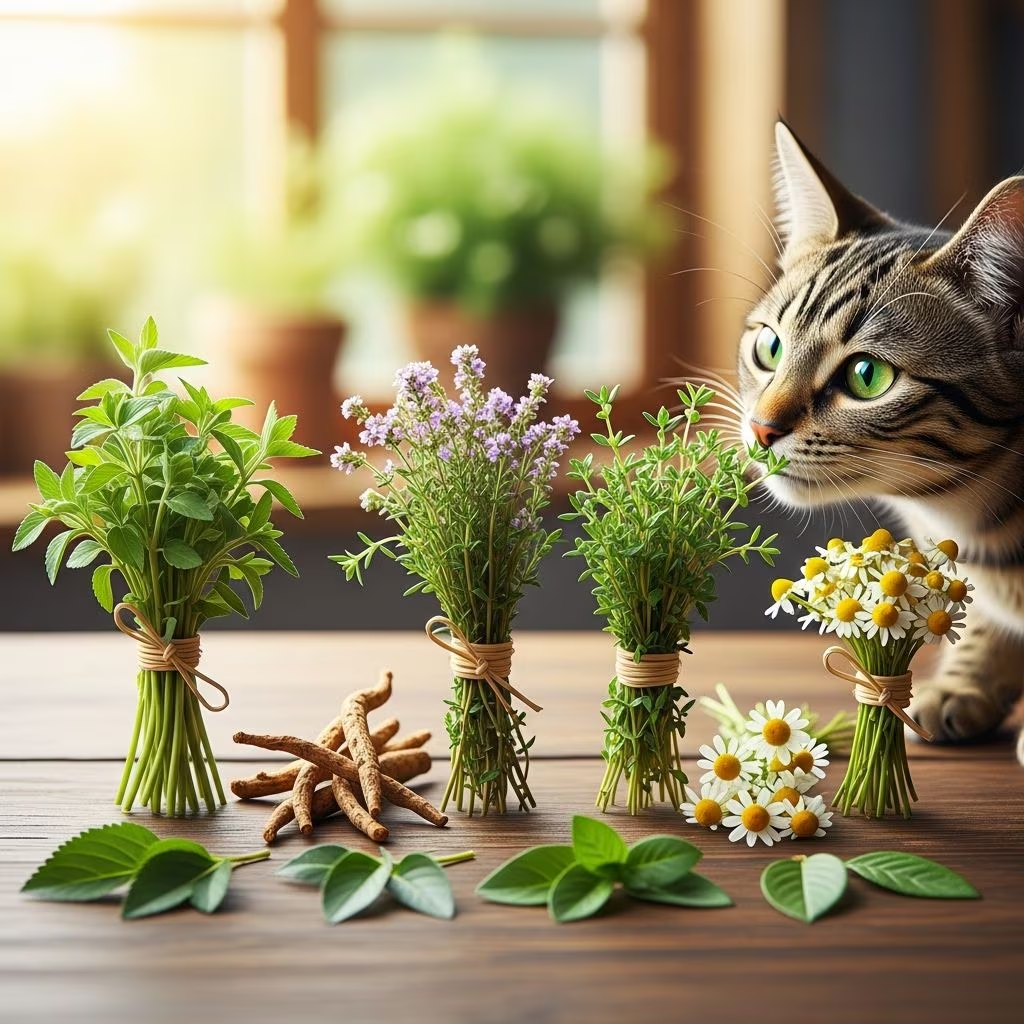
Many cat owners enjoy incorporating herbs into their home or garden for culinary, aromatic, or wellness purposes. However, ensuring these plants are safe for curious felines is essential. This guide covers 10 vet-approved herbs that are non-toxic to cats, their potential benefits, how to use them, and important herbs to avoid. Always consult your veterinarian before introducing new plants or supplements, especially for cats with health conditions.
The 10 Herbs That Are Safe for Cats
Several herbs provide enrichment, mild health support, or simply safe greenery for cats to explore. These are confirmed non-toxic by reliable sources like the ASPCA and veterinary experts.
1. Catnip (Nepeta cataria)
Catnip is the most well-known herb for cats, containing nepetalactone, which elicits playful behavior in about 70-80% of cats due to genetic sensitivity. It serves as an effective attractant for scratching posts or litter boxes and can be grown indoors or outdoors. One study noted cats rubbing against catnip may deter mosquitoes. Offer fresh or dried leaves on toys for mental stimulation; effects last 5-15 minutes per session.
2. Cat Grass
Cat grass, typically wheatgrass, oat grass, or barley grass, aids digestion by providing fiber that helps cats expel hairballs. It’s a safe, chewable green that satisfies natural grazing instincts. Grow it in pots for easy access; replace when it yellows to prevent mold.
3. Basil (Ocimum basilicum)
According to the ASPCA, basil is non-toxic to cats and dogs. Cats may nibble leaves for mild antioxidants and folic acid, though large amounts could cause stomach upset. It’s easy to grow in pots, thriving in sunny spots, and adds fragrance without harm.
4. Valerian Root (Valeriana officinalis)
Valerian root offers calming effects similar to catnip but appeals to more cats. It has a wide safety margin and is used in commercial calming products. Some cats become playful, others relaxed. Grow the plant or use root in toys; consult a vet for supplements.
5. Milk Thistle
Milk thistle supports liver health via silymarin, a compound well-tolerated by cats. The plant is safe to grow around felines, though supplements require veterinary approval. Its seeds and leaves provide gentle detox benefits without toxicity.
6. Echinacea
Echinacea is safe and well-tolerated, potentially boosting immunity and easing upper respiratory symptoms, though most studies are human-based. Its daisy-like flowers add garden color; cats can safely explore it.
7. Licorice Root
Licorice root is non-toxic with soothing, anti-inflammatory properties. It’s included in some pet supplements for antioxidants. Cats rarely eat it, but it’s safe in gardens or blends when vet-approved.
8. Dandelion
Often viewed as a weed, dandelion leaves and flowers are safe for cats if pesticide-free. It offers diuretic and digestive support. Allow supervised nibbling in untreated areas.
9. Calendula (Marigold)
Calendula, or common marigold, is non-toxic and used in gentle skin remedies. It repels pests in gardens, making it ideal for veggie companions. Bright flowers attract cats without risk.
10. Marshmallow Root
The herbal marshmallow root (not candy) soothes mucous membranes and is safe for cats. It appears in natural blends for respiratory or digestive aid. Grow it for a calming garden addition.
Additional Cat-Safe Herbs
Beyond the top 10, other herbs like thyme, dill, rosemary, sage, cilantro, parsley, and lemon balm are non-toxic. Thyme and rosemary tolerate indoor growth well; cilantro adds citrus notes; parsley supports fresh breath in small amounts. Lemon balm calms anxiety.
- Thyme: Hardy, sun-loving; cats ignore it mostly.
- Dill: Feathery, cool-spot grower; mild scent.
- Rosemary: Aromatic shrub; safe for brushing past.
- Lemon Balm: Calming like mild catnip.
Benefits of Safe Herbs for Cats
These herbs offer more than safety—they enrich feline life:
- Enrichment: Catnip, valerian, and silver vine (similar to catnip) prevent boredom and encourage play.
- Digestion: Cat grass and dandelion fiber aid hairball control.
- Calming: Valerian, lemon balm for stress reduction.
- Immune/Liver Support: Echinacea, milk thistle (vet-monitored).
- Skin/coat: Calendula, diluted rosemary rinses.
Introduce gradually, starting small to monitor reactions like vomiting or lethargy.
Tips for Creating a Cat-Friendly Herb Garden
Growing safe herbs enhances your home while keeping cats safe:
- Use pots to control access and prevent digging.
- Choose organic soil; avoid pesticides or fertilizers.
- Provide stable bases to deter knocking over.
- Offer dedicated cat grass or catnip pots as alternatives.
- Place in sunny, well-drained spots; rotate indoors/outdoors.
- Observe behavior: Sudden overeating may signal issues—see a vet.
For quality, select organic, pesticide-free seeds. Store dried herbs airtight.
Herbs to Avoid: Toxic Ones for Cats
Not all herbs are safe. The allium family (garlic, onions, chives) causes hemolytic anemia. Others like pennyroyal, wintergreen, or yarrow can lead to liver failure or seizures. Essential oils are often concentrated toxins—never use undiluted.
| Safe Herbs | Toxic Herbs to Avoid |
|---|---|
| Catnip, Basil, Valerian | Garlic, Onions, Chives |
| Cat Grass, Echinacea | Pennyroyal, Rue |
| Calendula, Milk Thistle | Wintergreen, Yarrow |
If ingestion occurs, contact a vet or poison hotline immediately.
How to Use Herbs Safely with Cats
Safety first:
- Start small: One herb, tiny amounts.
- Fresh/Dried only: No essential oils unless vet-prescribed.
- Vet consult: Essential for medicated or ill cats.
- Monitor: For allergies (drooling, diarrhea).
- Storage: Away from reach.
Results vary: Calming herbs act fast; nutritional ones take weeks.
Frequently Asked Questions (FAQs)
What herbs are safe for cats to eat?
Catnip, cat grass, basil, valerian root, echinacea, calendula, milk thistle, and others listed are non-toxic per ASPCA.
Can I grow an herb garden with cats around?
Yes, using safe herbs like basil, thyme, and catnip in pots. Avoid toxics and chemicals.
Is catnip safe daily?
Yes, in moderation; rotate to prevent tolerance. About 2-3 times weekly.
Are herbal supplements okay for cats?
Only vet-formulated feline ones; human versions may have unsafe additives.
What if my cat eats a toxic herb?
Seek immediate vet care; symptoms include vomiting, lethargy.
How do I introduce new herbs?
Small amounts, observe 24-48 hours for reactions.
Herbs complement but don’t replace veterinary care. Prioritize quality and moderation for your cat’s well-being.
References
- Toxic and Non-Toxic Plant List — Cats — ASPCA. 2023-10-01. https://www.aspca.org/pet-care/animal-poison-control/cats-plant-list
- 10 Herbs That Are Toxic to Cats (And 7 That Are Safe) — Cats.com. 2024-05-15. https://cats.com/herbs-that-are-toxic-to-cats
- 10 Herbs That Are Safe for Cats (& Ones to Avoid) Our Vet Answers — Catster. 2024-08-20. https://www.catster.com/ask-the-vet/herbs-that-are-safe-for-cats/
- Grow a Herb Garden That’s Safe for Your Cat — Catster. 2023-11-12. https://www.catster.com/cat-health-care/grow-a-herb-garden-thats-safe-for-your-cat/
- What Herbs Are Good for Cats? Vet-Approved Guide — Animal Wellness Magazine. 2024-02-28. https://animalwellnessmagazine.com/what-herbs-are-good-for-cats/



