

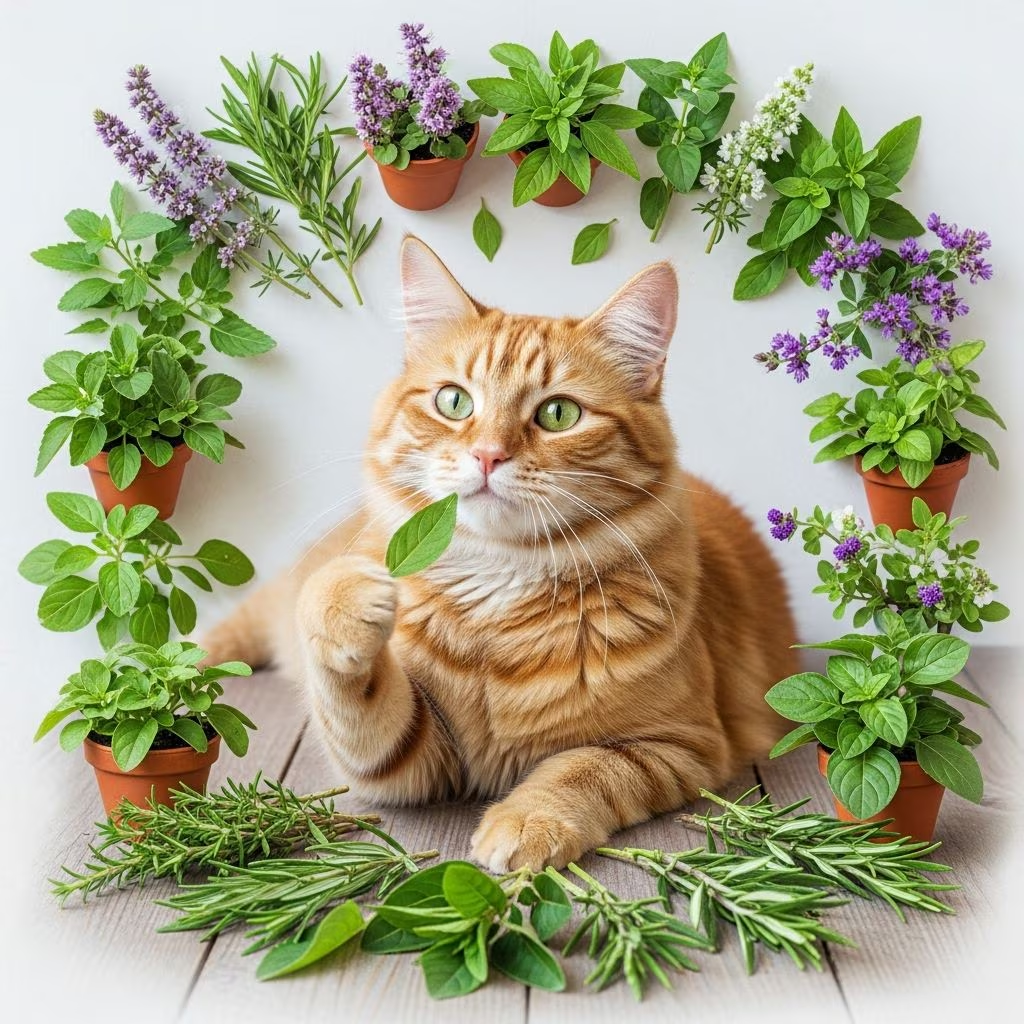
Herbs have been used for centuries to support health in humans and animals alike, and many offer benefits for cats when used correctly. Safe herbs for cats are non-toxic and can provide calming effects, digestive aid, immune support, and playful enrichment. From **catnip** that sparks euphoria to **chamomile** for relaxation, these feline-friendly plants can enhance your cat’s quality of life. However, always consult your veterinarian before introducing any herb, especially for cats with health conditions or on medications. This guide covers classifications, top 16 herbs with detailed benefits, usage tips, and FAQs based on veterinary insights.
Classification of Herbs for Cats
There are many ways to classify herbs for cats, primarily by their effects and safety profile. Understanding these categories helps cat owners select the right herb for specific needs like stress relief or digestion support.
- Calming herbs: These promote relaxation and reduce anxiety. Examples include chamomile and lemon balm, ideal for stressed cats during travel or changes in routine.
- Stimulating herbs: These trigger playful, euphoric responses. Catnip and silver vine energize cats, providing mental stimulation and exercise.
- Digestive herbs: Aiding gut health and freshening breath, parsley and lemon balm support digestion and reduce hairballs.
- Hairball remedies: Cat grass helps cats expel hairballs naturally by promoting vomiting of indigestible fur.
- Immune-boosting herbs: Echinacea and milk thistle strengthen defenses against infections and support organ health.
Herbs are also classified by safety: stick to vet-approved, non-toxic options like those listed here to avoid risks.
Safe Herbs for Cats: Top 16 Feline-Friendly Options
Below are 16 herbs confirmed safe for cats by veterinary sources. Each includes scientific details, benefits, and usage. Start with small amounts to monitor reactions, as individual cats vary.
1. Catnip (Nepeta cataria)
Catnip is the most iconic herb for cats, containing nepetalactone that triggers euphoria in 70-80% of cats genetically sensitive to it. It stimulates playfulness, reduces stress, and even repels mosquitoes when cats rub against it. Offer fresh or dried on toys for enrichment.
2. Silver Vine (Actinidia polygama)
Perfect for catnip non-responders, silver vine elicits stronger, longer-lasting reactions. It promotes exercise and mental stimulation, ideal for indoor cats. Use sticks or powder sparingly.
3. Cat Grass
Grown from wheat, oat, or barley seeds, cat grass aids digestion, prevents hairballs, and provides fiber. Cats chew it to induce vomiting of fur balls. Keep pots fresh and rotate to encourage use.
4. Chamomile (Matricaria chamomilla)
This calming herb soothes anxiety, aids sleep, and eases stomach upset. Its anti-inflammatory properties help with minor irritations. Brew weak tea (cooled) or use dried flowers.
5. Oat Straw (Avena sativa)
Rich in nutrients, oat straw supports nerves, reduces stress, and promotes relaxation without drowsiness. It’s gentle for ongoing use in teas or supplements.
6. Parsley (Petroselinum crispum)
| Scientific name: | Petroselinum crispum |
|---|---|
| Other common names: | Curly parsley, Flat-leaf parsley |
| Origin: | Mediterranean region |
Parsley freshens breath, supports immunity, urinary health, and circulation. Use fresh leaves sparingly; benefits are mostly anecdotal but widely reported safe.
7. Lemon Balm (Melissa officinalis)
A mint family member, lemon balm calms nerves, aids digestion, and repels insects. Cats enjoy its mild flavor; offer fresh leaves or tea.
8. Echinacea (Echinacea purpurea)
| Scientific name: | Echinacea purpurea |
|---|---|
| Other common names: | Purple coneflower |
| Origin: | North America |
Echinacea boosts immunity, fights infections, and reduces inflammation. Use extracts or capsules under vet guidance; more cat-specific research needed.
9. Valerian Root (Valeriana officinalis)
Valerian can stimulate or calm depending on the cat. It reduces anxiety and aids sleep. Introduce small amounts due to strong scent.
10. Basil (Ocimum basilicum)
Mildly antioxidant and antibacterial, basil is safe in small nibbles. It supports digestion; avoid excess to prevent stomach upset.
11. Milk Thistle (Silybum marianum)
Famous for liver support via silymarin, it’s gentle and well-tolerated. Use for detox or liver issues after vet approval.
12. Dandelion (Taraxacum officinale)
Dandelion greens act as a laxative, improving digestion and kidney/liver function. Safe in moderation from your yard.
13. Licorice Root (Glycyrrhiza glabra)
Anti-inflammatory and soothing for arthritis or bronchitis, cats like its flavor. Limit use to avoid side effects.
14. Calendula (Calendula officinalis)
Supports skin health, reduces inflammation, and heals wounds. Use topically or in small oral doses.
15. Marshmallow Root (Althaea officinalis)
Demulcent herb that soothes GI tract and respiratory issues. Helpful for coughs or diarrhea.
16. Nettle (Urtica dioica)
Nutrient-rich for coat/skin health and allergies. Use cooked or in supplements to remove sting.
How to Use Herbs Safely for Cats
Introduce herbs gradually: start with tiny amounts (e.g., a pinch of dried herb or 1-2 fresh leaves). Forms include fresh plants, dried, teas (diluted/cooled), tinctures, or capsules. Grow your own cat-safe garden for freshness. Monitor for allergies like vomiting or lethargy. Dosage varies by cat size/age; vets recommend 1/8 to 1/4 human dose max. Avoid essential oils—many are toxic.
- For stress/anxiety: Lemon balm, valerian, catnip.
- For digestion: Cat grass, parsley, dandelion.
- For immunity: Echinacea, milk thistle.
- For enrichment: Catnip, silver vine.
Herbs to Avoid for Cats
Not all herbs are safe. Toxic ones include pennyroyal, wintergreen, and yarrow, which can cause liver failure or seizures. Essential oils like tea tree or eucalyptus are dangerous even diluted. Always research or ask your vet.
Frequently Asked Questions (FAQs)
What are the safest herbs for cats?
The safest include catnip, silver vine, cat grass, chamomile, and parsley. These are non-toxic and offer benefits like enrichment and digestion aid.
Can herbs replace vet medication?
No, herbs complement but do not replace prescribed treatments. Consult your vet for proper integration.
Is catnip safe daily?
Yes, in moderation; overuse may reduce sensitivity. Rotate with silver vine.
How much parsley for cats?
A few fresh leaves weekly; too much can affect kidneys.
Are herbal teas okay for cats?
Diluted, cooled teas from safe herbs like chamomile are fine in small sips.
References
- 16 Herbs for Cats That Improve Health & Are Feline Friendly — Catster (Ask the Vet). 2023. https://www.catster.com/ask-the-vet/herbs-for-cats/
- What Herbs Are Good for Cats? Vet-Approved Guide — Animal Wellness Magazine. 2024. https://animalwellnessmagazine.com/what-herbs-are-good-for-cats/
- 8 Herbs That Are Safe for Cats — Pets Best. 2023. https://www.petsbest.com/blog/herbs-that-are-safe-for-cats
- Grow a Herb Garden That’s Safe for Your Cat — Catster. 2023. https://www.catster.com/cat-health-care/grow-a-herb-garden-thats-safe-for-your-cat/



