

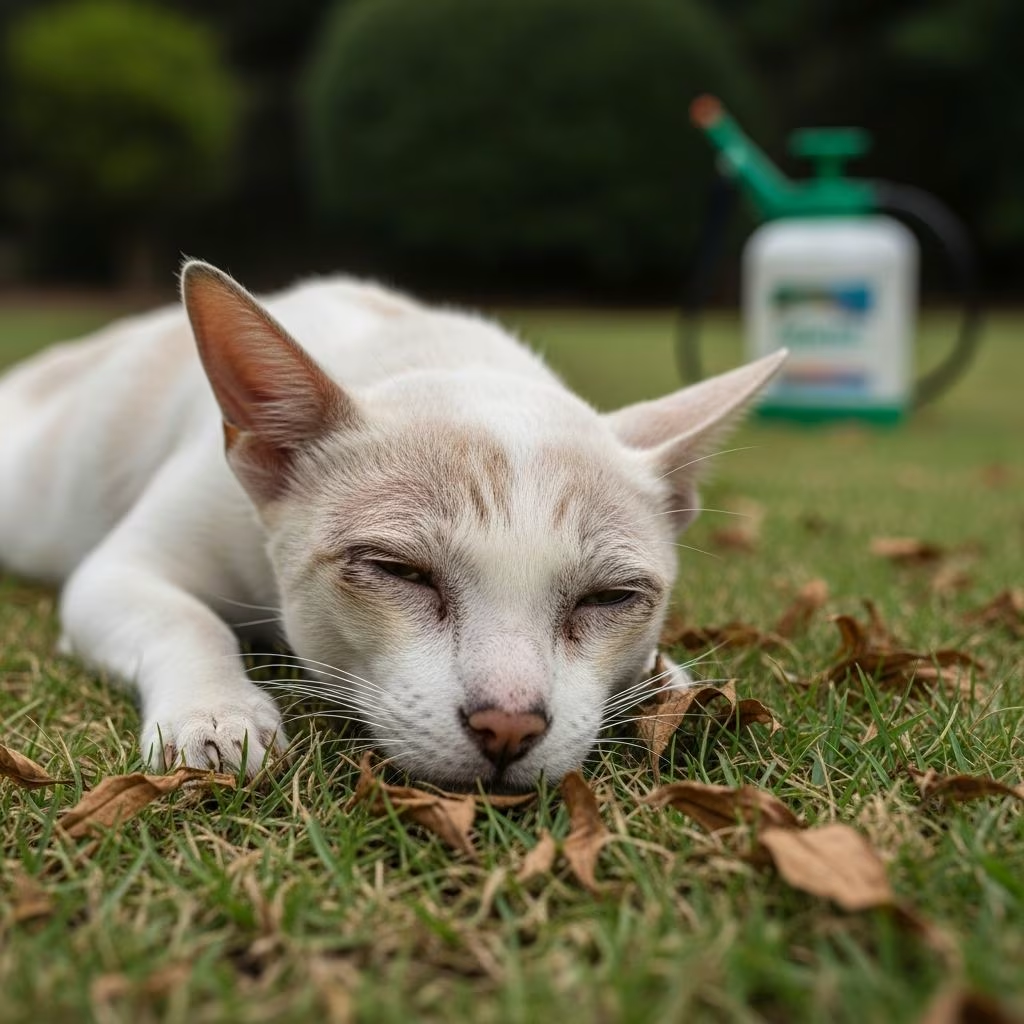
Herbicide poisoning represents a significant risk for household pets, particularly dogs and cats that roam treated lawns or access stored chemicals. These substances, designed to eliminate weeds, can cause a spectrum of health issues ranging from mild stomach upset to life-threatening organ failure when ingested, inhaled, or absorbed through the skin. Understanding exposure pathways, clinical manifestations, and response protocols is crucial for pet owners to act swiftly and potentially save lives.
Common Sources of Exposure
Pets encounter herbicides through various routes in everyday environments. Walking on freshly sprayed grass allows skin contact or paw licking, leading to ingestion. Concentrated products left in garages or sheds pose ingestion hazards if containers are chewed. Inhalation occurs near application sites, irritating respiratory passages. Glyphosate-based products like Roundup are frequent culprits, as pets may graze on treated vegetation soon after application. Other chemicals such as 2,4-D target broadleaf weeds and appear in many consumer formulations.
- Lawn treatments: Recent applications leave residues on grass blades that pets ingest while playing or eating.
- Storage mishaps: Open or spilled containers attract curious noses.
- Garden areas: Mulch or soil contaminated during weed control efforts.
- Drinking contaminated water: Puddles from spills or runoff.
Recognizing Early Warning Signs
Symptoms typically emerge within 30 minutes to 24 hours post-exposure, varying by chemical type, dose, and pet size. Gastrointestinal distress dominates initial presentations, with pets showing excessive drooling, repeated vomiting, loose stools, and appetite loss. Progression to neurological effects like tremors, uncoordinated movement (ataxia), or seizures signals severe intoxication.
| Symptom Category | Common Signs | Potential Severity |
|---|---|---|
| Gastrointestinal | Drooling, vomiting, diarrhea, abdominal pain | Mild to moderate |
| Neurological | Lethargy, weakness, ataxia, convulsions | Moderate to severe |
| Respiratory/Skin | Breathing difficulty, irritation, eye redness | Mild, but escalating |
| Systemic | Kidney/liver damage, collapse, heart irregularities | Life-threatening |
Small amounts often yield transient upset, but concentrates or chronic low-level contact overburden detoxification organs like the liver and kidneys. Cats may exhibit heightened sensitivity due to grooming behaviors that increase ingestion.
Specific Herbicide Types and Their Effects
Diverse herbicide classes produce distinct toxicity profiles. Glyphosate primarily irritates the gut, causing hypersalivation, excitability, and in grave cases, collapse with irregular heart rhythms. 2,4-D exposure leads to muscle stiffness (myotonia), gait abnormalities, and potential pulmonary issues. Bromoxynil and MCPA, as in one reported canine case, provoked vomiting, pain, ataxia, and weakness after spill ingestion.
- Glyphosate: Fast onset (30 min-2 hrs), gut-focused with possible neuro effects.
- 2,4-D and phenoxy herbicides: Myotonia, ataxia, organ strain.
- Benzoic acid types: Vomiting, rare severe CNS depression.
Pet Poison Helpline data underscores that while minor exposures rarely escalate, accessing concentrates demands immediate intervention.
Immediate Response Protocols
Upon suspicion, isolate the pet from the source to prevent further uptake. Do not induce vomiting without veterinary guidance, as aspiration risks heighten with certain chemicals. For skin contact, bathe promptly with mild dish soap; rinse eyes with saline if involved. Rush to a vet for diagnostics including bloodwork to gauge organ function and toxin levels.
- Remove from exposure area.
- Rinse affected skin/eyes/mouth with water (avoid aspiration).
- Contact vet or helpline (e.g., 855-764-7661).
- Observe for symptom onset; seek emergency care if present.
Veterinary Interventions
Treatment tailors to exposure route and symptoms. Decontamination via bathing, oral rinsing, or eye flushes precedes supportive therapies. Activated charcoal binds residual toxin in the gut if ingestion occurred recently. IV fluids combat dehydration, while anti-emetics, gastroprotectants, and antibiotics address GI woes. Neurological cases may require muscle relaxants, anticonvulsants, and 24-72 hour monitoring. Prognosis brightens with early action; delays risk renal failure or coagulopathies.
Blood and urine analyses direct care, monitoring for elevated enzymes indicative of liver/kidney compromise. Hospitalization ensures steady vitals amid potential symptom rebound.
Long-Term Health Monitoring
Post-discharge, watch for lingering effects like polydipsia or behavioral shifts signaling organ sequelae. Routine check-ups with lab panels track recovery. Chronic low-dose exposures, though subtler, cumulatively stress systems, necessitating vigilant yard management.
Prevention Strategies for Pet Owners
Proactive measures minimize risks effectively. Apply herbicides during pet absences, adhering to label dry times before re-entry. Store products securely beyond reach, using locked cabinets. Opt for pet-safe alternatives or professional services with containment protocols. Post-application, hose down play areas and restrict access until safe. Train pets to avoid treated zones and promptly clean paws after outdoor time.
- Read labels for pet warnings.
- Delay lawn use 24-48 hours post-treatment.
- Secure storage; dispose responsibly.
- Use natural weed controls where possible.
Special Considerations for Cats and Small Pets
Cats face amplified risks from grooming ingested residues off fur. Smaller breeds suffer disproportionate effects from equivalent doses. Multi-pet homes require blanket precautions, as one animal’s exposure can indirectly affect others via shared spaces.
Frequently Asked Questions
What if my dog ate grass treated with glyphosate like Roundup?
Contact a vet or Pet Poison Helpline immediately. Mild cases may self-resolve, but symptoms warrant urgent evaluation.
Can herbicide poisoning cause permanent damage?
Yes, untreated severe cases risk kidney/liver failure or neurological deficits. Early treatment typically yields full recovery.
How long do symptoms last?
Usually 2-24 hours for mild cases; severe ones demand hospitalization up to 72 hours.
Is skin contact dangerous?
Poor absorption limits severity, but irritation occurs; bathe promptly.
What about fertilizer-herbicide mixes?
Compounds heighten risks; monitor for iron toxicity or obstructions alongside herbicide effects.
Case Studies and Real-World Insights
A Golden Retriever drank bromoxynil/MCPA spill pools, developing acute vomiting, ataxia, and weakness within hours, highlighting spill perils. Glyphosate exposures often mimic with initial GI signs escalating to collapse in high doses. These underscore rapid vet access.
References
- What Is Herbicide Poisoning in Dogs? — PetMD. 2023. https://www.petmd.com/dog/poisoning/herbicide-poisoning-dogs
- Lets talk about Glyphosate — Bicton Veterinary Clinic. 2022. https://bicton.vet/BictonVetClinic/Blog/Lets-talk-about-Glyphosate
- Dog Exposed to Glyphosate: Symptoms & What to Do — Animal Poisons. 2023. https://www.animalpoisons.com.au/news/my-dog-licked-glyphosate-sprayed-weeds/
- Suspected herbicide toxicosis in a dog — PubMed (Peer-reviewed). 1996-11-01. https://pubmed.ncbi.nlm.nih.gov/8960192/
- Pyrethrin/Pyrethroid Poisoning in Dogs — VCA Animal Hospitals. 2024. https://vcahospitals.com/know-your-pet/pyrethrin-pyrethroid-poisoning-in-dogs
- Grass Always Greener: Common Fertilizer & Herbicide Exposures in Pets — Pet Poison Helpline. 2022. https://www.petpoisonhelpline.com/uncategorized/grass-always-greener-common-fertilizer-herbicide-exposures-pets/
- Overview of Herbicide Poisoning in Animals — Merck Veterinary Manual. 2024. https://www.merckvetmanual.com/toxicology/herbicide-poisoning/overview-of-herbicide-poisoning-in-animals



