

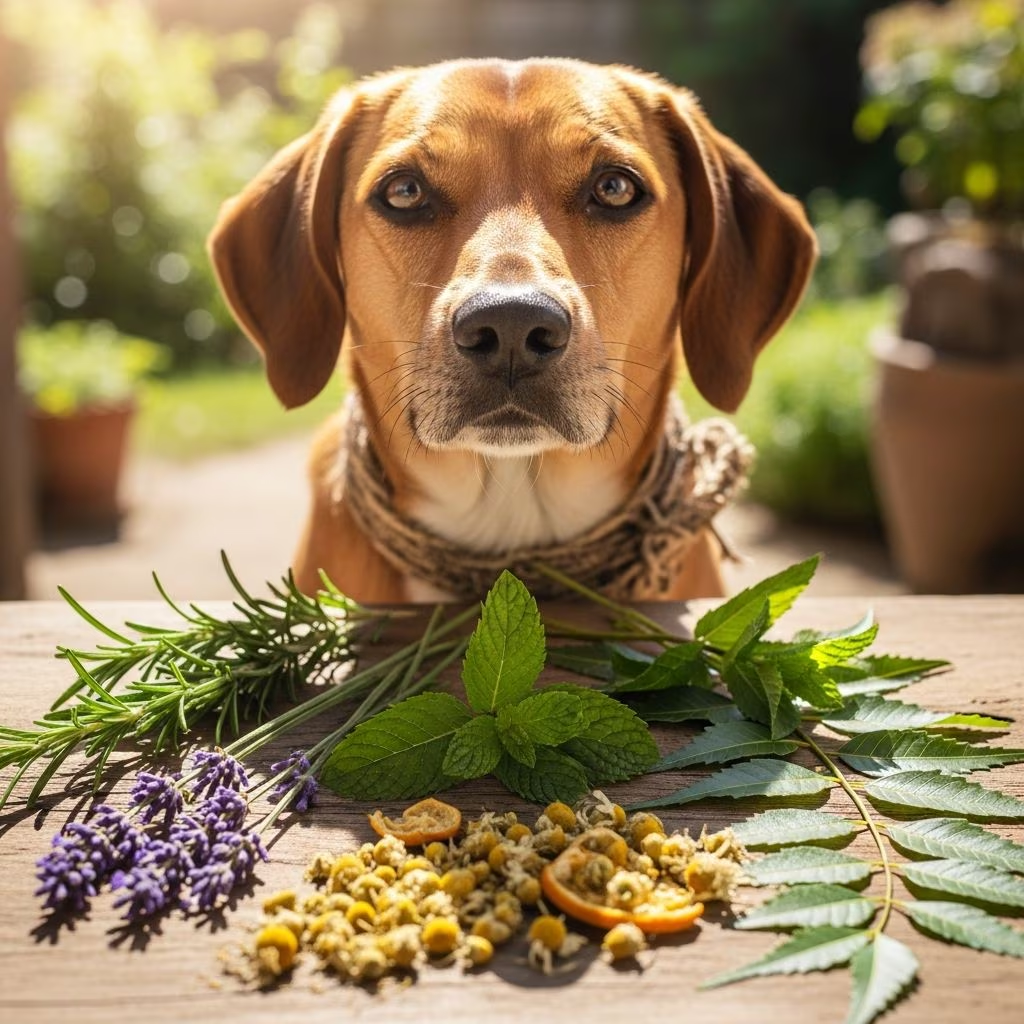
Fleas pose a persistent challenge for dog owners, causing discomfort, itching, and potential health issues. Natural herbs offer a gentle, effective alternative to synthetic pesticides, targeting fleas at various life stages while supporting your dog’s overall well-being.
Understanding the Flea Life Cycle and Why Herbs Work
Fleas progress through egg, larva, pupa, and adult stages, with most of their life spent off the host in the environment. Herbs disrupt this cycle by repelling adults, killing larvae, and preventing egg hatching. For instance, certain essential oils dissolve exoskeletons of immature fleas, while others strengthen skin barriers.
Integrated approaches combining environmental control with pet-safe applications yield the best results, reducing reliance on single methods.
Top Essential Oils for Direct Flea Repellent
Essential oils from plants like cedarwood and neem stand out for their potency against all flea stages. Cedarwood oil reportedly kills on contact by penetrating flea exteriors, while neem interrupts reproduction.
- Cedarwood Oil: Dilute in a carrier and spray on bedding or fur; safe for direct use if labeled pet-appropriate.
- Neem Oil: Targets eggs and larvae; mist carpets and furniture weekly.
- Rosemary Oil: Repels adults; add to shampoos for soothing bites.
- Peppermint Oil: Eases irritation and kills larvae; apply sparingly to affected areas.
Always dilute oils (e.g., 5-10 drops per cup of water) and test for sensitivity. Consult a vet for puppies or sensitive breeds.
Herbal Rinses and Baths for Skin Health
Herbal baths cleanse and protect. A lemon wash, made by steeping sliced lemons in salted boiling water overnight, repels fleas when applied post-shampoo. Dawn dish soap baths drown adults and larvae effectively, followed by herbal rinses.
Other options include lavender-infused water for calming itchy skin or lemongrass sprays for broad repellency. These not only deter fleas but promote coat health.
| Herb/Oil | Primary Benefit | Application Method | Safety Notes |
|---|---|---|---|
| Lemon | Repels adults | Post-shampoo rinse | Dilute; daily use OK |
| Lavender | Prevents eggs | Shampoo additive | Soothes irritation |
| Lemongrass | Repels fleas/ticks | Water spray | 5 drops per bottle |
| Rosemary | Heals bites | Shampoo or spray | 5-8 drops |
Boosting Immunity with Alterative Herbs
Strong immunity deters infestations. Alterative herbs detoxify and enhance resistance. Burdock root, dandelion, and red clover clear waste, allowing natural defenses to combat bites.
Administer as low-alcohol tinctures: add to food per label or directly orally. Combine with environmental herbs like eucalyptus or citronella for bedding sprays.
- Burdock Root (Arctium spp.): Supports liver function.
- Dandelion Root (Taraxacum officinale): Aids detoxification.
- Red Clover (Trifolium pratense): Promotes skin health.
Environmental Control: Protecting Your Home and Yard
Fleas thrive in carpets, furniture, and yards. Diatomaceous earth (food-grade only) dehydrates adults; sprinkle liberally and vacuum after.
Beneficial nematodes, like those in NemAttack SC, target soil larvae safely. Herbal sprays with citronella, cedar, or citrus (d-Limonene) kill on contact in yards and indoors.
DIY Herbal Spray Recipe
- Mix 15 drops citronella, 10 drops cedarwood in 8 oz water.
- Shake well; apply to fabrics and pet areas.
- Reapply every 2-3 days.
Safe Application Guidelines for Dogs
Dogs vary in size and sensitivity. Start with patch tests. Avoid eyes, nose, and genitals. Puppies under 12 weeks and pregnant dogs need vet approval.
Combine methods: daily baths, weekly sprays, monthly tinctures. Monitor for allergies like redness or lethargy.
Common Herbs to Avoid and Why
Not all plants are pet-safe. Tea tree oil can be toxic in high doses; pennyroyal is dangerous. Stick to proven options like those listed.
Real-World Success Stories and Tips
Owners report 90% flea reduction in weeks using oil combos and DE. Vacuum daily, wash bedding weekly, and maintain yard hygiene for lasting control.
FAQs
Are essential oils safe for all dogs?
Most are when diluted, but consult a vet for brachycephalic breeds or those with epilepsy.
How long until I see results?
1-2 weeks with consistent use; full eradication may take a month.
Can I use these on cats too?
Some oils like peppermint are toxic to cats; use cat-specific products.
What if natural methods fail?
Seek vet-prescribed treatments; resistance can occur.
Do these prevent ticks as well?
Many, like cedar and lemongrass, offer dual protection.
Embracing herbal flea control empowers dog owners with sustainable, side-effect-free options. Consistency and holistic care keep fleas at bay year-round.
References
- 6 Natural Flea Remedies for Dogs That Actually Work — Natural Dog. Accessed 2026. https://naturaldog.com/blogs/adventure-together/dog-care-natural-home-remedies-for-fleas
- Natural Herbs for Flea Relief — Whole Dog Journal. 2017-10-03. https://www.whole-dog-journal.com/care/non_traditional_healing/natural-herbs-for-flea-relief/
- Natural Flea & Tick Prevention: Home Remedies — AKC Pet Insurance. Accessed 2026. https://www.akcpetinsurance.com/blog/natural-flea-and-tick-prevention
- Natural Flea Repellent for Your Pets and Home — PetMD. Accessed 2026. https://www.petmd.com/general-health/natural-flea-repellent-your-pets-and-home
- Beneficial Nematodes for Pest Control — Arbico Organics (official product page). Accessed 2026. https://www.arbico-organics.com/product/nemattack-sc-beneficial-nematodes-flea-control



