

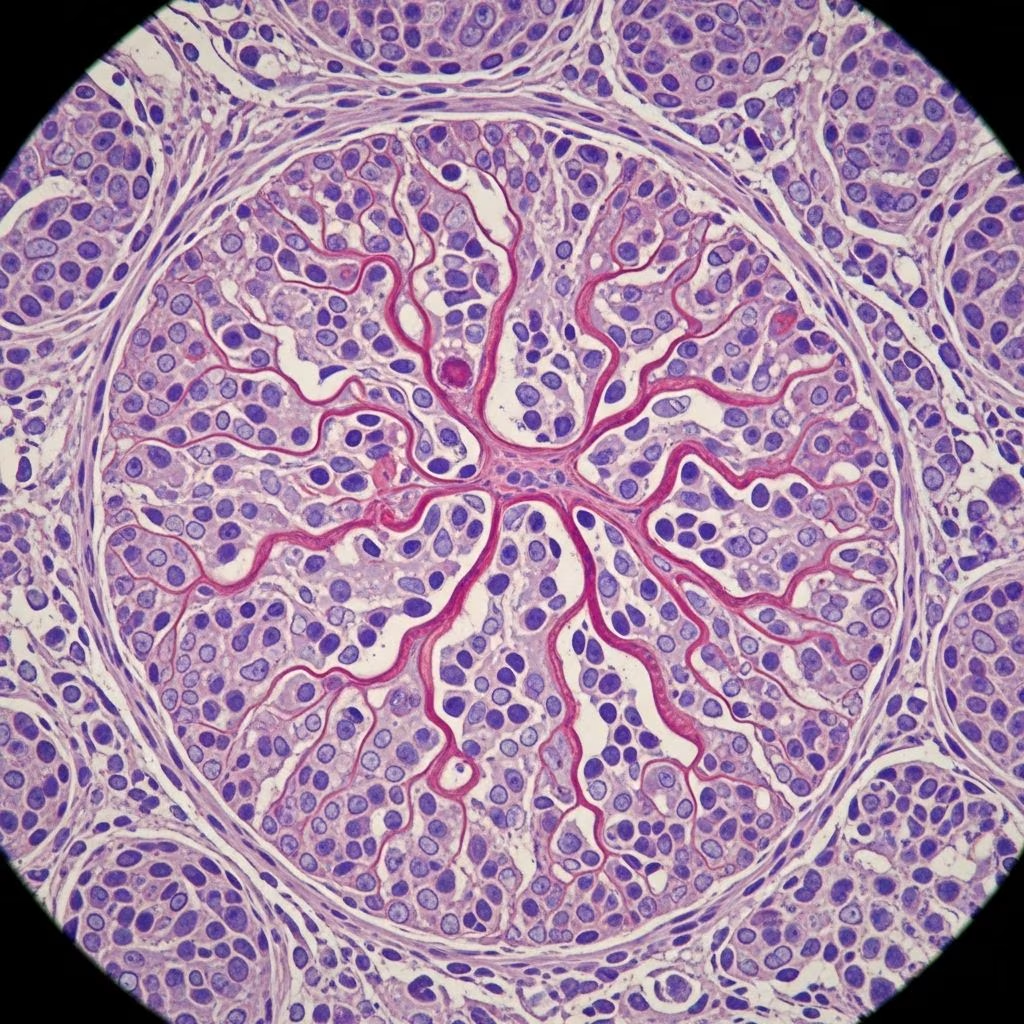
Understanding Hepatic Microvascular Dysplasia
Hepatic microvascular dysplasia, commonly referred to as HMD or MVD, represents a significant inherited abnormality affecting the liver in dogs. This condition involves the underdevelopment or absence of microscopic blood vessels within the liver, fundamentally disrupting normal hepatic function. When these tiny vessels fail to develop properly, blood flow through the liver becomes compromised, leading to a cascade of physiological changes that can affect a dog’s overall health and wellbeing.
The condition occurs when the microscopic blood vessels responsible for filtering and processing blood become malformed or fail to develop adequately. This vascular abnormality causes the liver to shrink and its cells to atrophy, significantly reducing the organ’s ability to process toxins and produce essential proteins required for normal growth and development. Understanding this condition is crucial for dog owners, particularly those with breeds predisposed to HMD, as early recognition and appropriate management can substantially improve quality of life.
What Causes Hepatic Microvascular Dysplasia?
Hepatic microvascular dysplasia is a congenital defect, meaning dogs are born with this condition rather than acquiring it during their lifetime. The underlying cause appears to have a strong genetic basis, though the precise inheritance pattern and responsible genes are not yet fully understood by veterinary researchers. This hereditary nature means that affected dogs carry the condition from birth, though clinical manifestations may not appear until much later in life.
The condition predominantly affects certain dog breeds, with Yorkshire Terriers and Cairn Terriers showing the highest prevalence rates. However, many other small-breed dogs are susceptible to developing HMD, including:
- Miniature Dachshunds
- Maltese dogs
- Miniature Poodles
- Shih Tzus
- Lhasa Apsos
- Cocker Spaniels
- West Highland White Terriers
While these breeds show increased susceptibility, it is important to note that any dog breed may potentially develop hepatic microvascular dysplasia. The genetic predisposition highlights the importance of responsible breeding practices and genetic screening in susceptible breeds.
Clinical Presentation and Symptoms
One of the most distinctive characteristics of hepatic microvascular dysplasia is the highly variable presentation of clinical signs. The spectrum ranges from completely asymptomatic dogs showing no apparent illness to severely affected animals exhibiting significant hepatic dysfunction. This variability can make diagnosis challenging, as some dogs may remain undiagnosed throughout their lives if they never develop noticeable symptoms.
The majority of affected dogs display few clinical signs, and the disease may go completely undetected until adulthood or even later in life. Some dogs are diagnosed incidentally when laboratory work is performed for unrelated health concerns. However, certain factors significantly influence the severity of clinical presentation:
- Dogs with concurrent liver abnormalities show more pronounced symptoms
- Dogs with portosystemic shunts experience more severe manifestations
- Age and individual metabolic factors affect symptom severity
- Overall health status influences disease progression
When clinical signs do occur, they may include poor growth, lethargy, decreased appetite, vomiting, diarrhea, and behavioral changes. Some dogs may exhibit signs of hepatic encephalopathy, including disorientation, seizures, or tremors. These neurological signs result from the accumulation of toxins that should have been filtered by a healthy liver.
Diagnostic Approaches for HMD
Veterinarians typically suspect hepatic microvascular dysplasia based on a combination of factors including medical history, physical examination findings, and laboratory test results. Definitive diagnosis requires a comprehensive diagnostic approach incorporating multiple investigative methods.
Laboratory Findings
Dogs with HMD often display elevated liver enzyme values on blood work. Additional laboratory abnormalities may include anemia, characterized by a low red blood cell count, and other blood work irregularities reflecting hepatic dysfunction. Urinalysis frequently reveals abnormally dilute urine, which results from increased thirst and urination associated with the disease. One of the most sensitive indicators is elevated total serum bile acids (TSBA), which often exceeds normal ranges in affected dogs.
Imaging and Biopsy
While liver biopsy provides the definitive diagnosis by demonstrating characteristic histopathological changes, it is not always recommended in asymptomatic dogs. When performed, biopsy samples should be collected from multiple liver lobes since the severity of microvascular dysplasia lesions varies between different regions of the liver. Advanced imaging techniques, including MRI with contrast dyes, can help visualize blood flow patterns through the liver and identify vascular abnormalities.
Distinguishing HMD from Other Liver Conditions
Hepatic microvascular dysplasia is frequently confused with portosystemic vascular anomaly (PSVA), commonly referred to as a “liver shunt.” While both conditions affect hepatic blood flow, they represent distinct pathological entities. PSVA involves a macroscopic (visible) abnormal vessel that bypasses the liver entirely, whereas HMD involves microscopic vascular abnormalities within the liver itself. This distinction is crucial for determining appropriate treatment strategies and predicting long-term outcomes.
Dogs with HMD often have less severe clinical signs and generally experience a better long-term prognosis compared to those with surgically manageable portosystemic shunts. The presence or absence of clinical symptoms significantly influences diagnostic recommendations and subsequent management approaches.
Treatment and Management Strategies
It is important for dog owners to understand that hepatic microvascular dysplasia is a condition that can be managed but not cured. There is no surgical intervention or medical cure that can reverse the underlying vascular abnormality. Therefore, veterinary treatment focuses on managing clinical signs and supporting hepatic function rather than eliminating the disease.
Asymptomatic Dogs
Dogs with asymptomatic microvascular dysplasia require no specific medical treatment. These animals often live completely normal lives without any intervention, and their condition may never progress to cause significant problems. Regular veterinary monitoring and preventive care remain important to ensure early detection of any changes in health status.
Symptomatic Management
For dogs displaying clinical signs related to HMD, veterinarians typically implement a multimodal management approach designed to support liver function and minimize complications. Treatment strategies may include:
- Dietary modifications with protein-restricted, high-quality diets
- Medications to reduce ammonia levels and support hepatic function
- Supplements supporting liver health and detoxification
- Management of concurrent conditions or complications
- Monitoring for potential development of other liver diseases
Dietary management plays a particularly important role in managing symptomatic dogs. High-quality, easily digestible proteins help support muscle maintenance while minimizing the accumulation of nitrogenous wastes that can contribute to hepatic encephalopathy. Some veterinarians may recommend specialized hepatic diets formulated specifically for dogs with liver disease.
Long-Term Prognosis and Quality of Life
The long-term outlook for dogs with hepatic microvascular dysplasia varies considerably depending on the severity of the condition, presence of concurrent liver abnormalities, and individual patient factors. Many affected dogs maintain excellent quality of life with appropriate monitoring and management. Dogs diagnosed incidentally with asymptomatic HMD often experience normal lifespans without significant health complications directly attributable to the condition.
Regular veterinary monitoring remains essential for all affected dogs, allowing early detection of complications and adjustment of management strategies as needed. Some dogs may develop additional liver conditions over time, necessitating changes in their treatment protocols. Close owner observation of any changes in appetite, behavior, energy levels, or elimination patterns helps facilitate timely veterinary intervention.
Breed Considerations and Screening
Given the hereditary nature of hepatic microvascular dysplasia, responsible breeders in affected breeds should consider genetic screening programs to reduce disease prevalence. Dogs diagnosed with HMD should not be bred, as they may transmit the genetic predisposition to offspring. Owner education about breed predisposition helps facilitate early recognition and diagnosis in at-risk populations.
Frequently Asked Questions
Q: Can hepatic microvascular dysplasia be cured?
A: No, HMD cannot be cured. The condition is managed through supportive care and monitoring rather than curative treatment. Asymptomatic dogs require no treatment, while symptomatic dogs benefit from dietary modifications and supportive medications.
Q: Is hepatic microvascular dysplasia hereditary?
A: Yes, HMD is an inherited congenital condition with a genetic basis, although the exact inheritance pattern is not fully understood. Certain breeds show higher predisposition rates, particularly Yorkshire Terriers and Cairn Terriers.
Q: How is HMD different from a liver shunt?
A: HMD involves microscopic vascular abnormalities within the liver, while portosystemic shunts (PSVA) are larger, visible abnormal vessels that bypass the liver. HMD generally carries a better prognosis than surgically manageable shunts.
Q: Can HMD be prevented?
A: Since HMD is a congenital condition present at birth, it cannot be prevented. However, responsible breeding practices and genetic screening in predisposed breeds can help reduce prevalence.
Q: What is the life expectancy for dogs with HMD?
A: Many dogs with asymptomatic HMD live normal lifespans. Symptomatic dogs’ life expectancy depends on disease severity and concurrent conditions, but with proper management, many can maintain good quality of life for years.
Q: Should my dog be screened for HMD?
A: If your dog belongs to a predisposed breed, discuss screening options with your veterinarian. Routine blood work may reveal elevated bile acids suggesting HMD. Definitive diagnosis typically requires biopsy, which may not be recommended in asymptomatic dogs.
Q: What should I feed a dog with HMD?
A: Consult your veterinarian about appropriate dietary recommendations. High-quality, easily digestible proteins are generally recommended, and specialized hepatic diets may be beneficial for symptomatic dogs.
References
- Hepatic Microvascular Dysplasia — VCA Animal Hospitals. 2024. https://vcahospitals.com/know-your-pet/hepatic-microvascular-dysplasia
- Hepatic Portal Venous Hypoperfusion in Small Animals — Merck Veterinary Manual. 2024. https://www.merckvetmanual.com/digestive-system/hepatic-diseases-of-small-animals/hepatic-portal-venous-hypoperfusion-in-small-animals
- Hepatic Microvascular Dysplasia in Dogs: A Retrospective Study of 24 Cases — PubMed Central, National Institutes of Health. 2000. https://pubmed.ncbi.nlm.nih.gov/10997512/
- Hepatoportal Microvascular Dysplasia in Dogs — PetMD. 2024. https://www.petmd.com/dog/conditions/genetic/c_dg_hepatoportal_microvascular_dysplasia
- Hepatic Microvascular Dysplasia or Portal Atresia — American College of Veterinary Surgeons (ACVS). 2024. https://www.acvs.org/small-animal/hepatic-microvascular-dysplasia-or-portal-atresia/



