

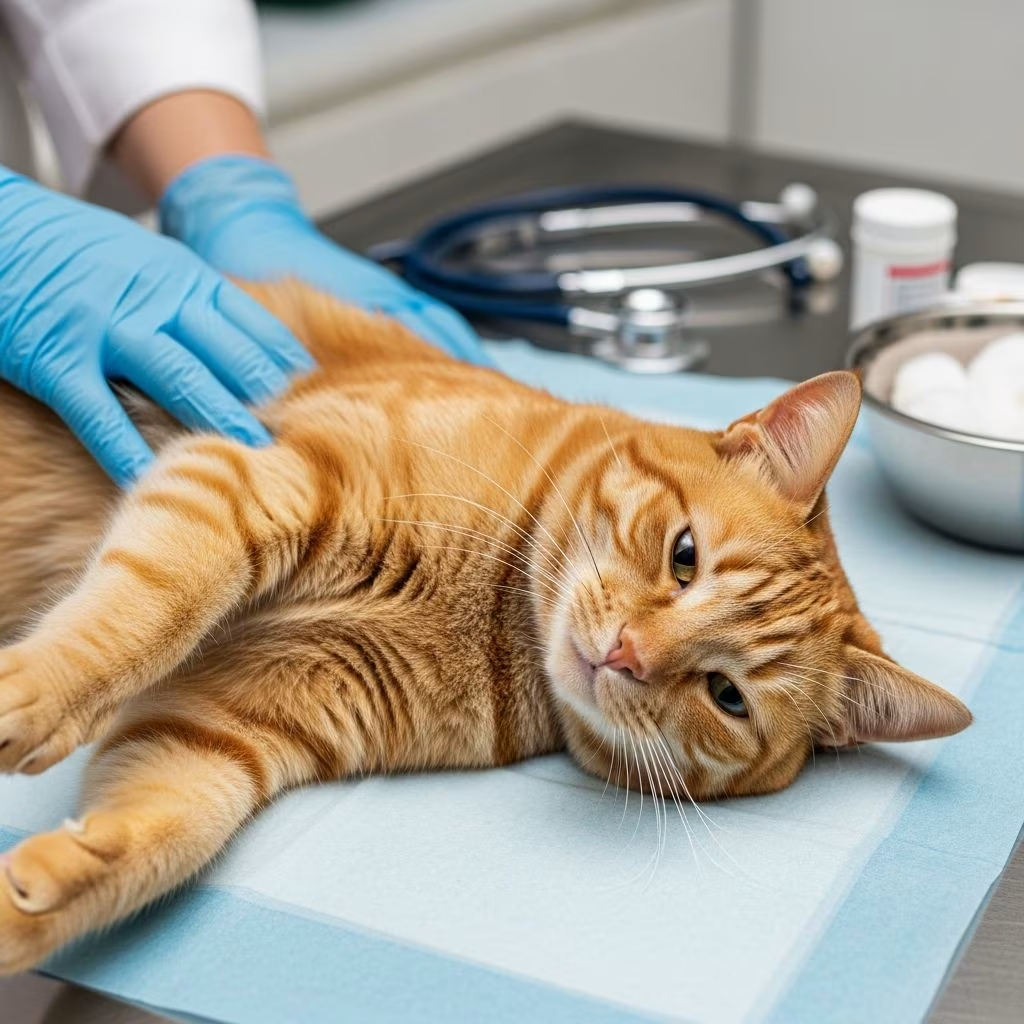
Understanding Hepatic Lipidosis: Fatty Liver Syndrome in Cats
Hepatic lipidosis, commonly known as fatty liver syndrome, is a serious liver condition that develops when cats stop eating or significantly reduce their food intake. This disease occurs when the liver accumulates excessive fat, which impairs its normal functioning and can lead to serious health complications if left untreated. Unlike other liver diseases, hepatic lipidosis is directly triggered by prolonged periods of anorexia or reduced appetite in cats, making it a preventable condition with proper monitoring and early intervention.
The condition is particularly concerning because it can develop rapidly and become life-threatening within days. Cats that experience sudden loss of appetite due to stress, illness, dietary changes, or underlying health conditions are at elevated risk. Understanding the mechanics of this disease, its warning signs, and treatment options is essential for any cat owner who wants to protect their feline companion’s health.
What is Hepatic Lipidosis?
Hepatic lipidosis is a metabolic condition that occurs when a cat’s body breaks down fat too rapidly to supply energy to an anorectic cat. When this happens, the liver becomes overwhelmed and cannot process the fat efficiently. The fat then becomes stored in and around the liver cells, further compromising the organ’s ability to function properly. This vicious cycle perpetuates the disease and can quickly lead to liver failure.
The liver plays a crucial role in metabolism, nutrient processing, and maintaining overall health. When fatty deposits accumulate within liver cells, they obstruct normal liver function and prevent the organ from performing its essential tasks. This metabolic dysfunction creates a downward spiral where poor liver function makes the cat feel unwell, leading to continued appetite loss and further fat accumulation in the liver.
Recognizing the Symptoms of Fatty Liver Syndrome
Early detection of hepatic lipidosis is critical for successful treatment. Cat owners should be vigilant about monitoring their pets for any signs of appetite loss or behavioral changes. The symptoms of fatty liver disease can appear subtle at first but become more pronounced as the disease progresses.
Common symptoms of hepatic lipidosis in cats include:
- Poor or complete loss of appetite
- Rapid weight loss
- Jaundice (icterus) – characterized by yellow discoloration of the whites of the eyes, gums, and skin
- Vomiting
- Lethargy and depression
- Unusual behaviors or behavioral changes
- Weakness and lack of energy
- Diarrhea or constipation
- Dark urine
- Abnormal bleeding or bruising
Jaundice is a particularly important warning sign that indicates the liver is failing and requires immediate veterinary attention. If you notice your cat exhibiting any of these symptoms, especially jaundice combined with loss of appetite, contact your veterinarian immediately. Early intervention can mean the difference between recovery and serious complications.
Understanding the Causes and Risk Factors
Hepatic lipidosis develops when cats stop eating or drastically reduce their food intake. The underlying causes of appetite loss vary widely and can include stress, illness, dietary changes, dental disease, or other medical conditions. Cats are particularly susceptible to this condition because they have unique metabolic requirements that differ from other animals.
Any situation that causes a cat to stop eating can potentially lead to hepatic lipidosis. Common triggers include:
- Stress from environmental changes or moving to a new home
- Illness or underlying health conditions
- Dental disease or oral pain
- Medication side effects
- Loss of appetite due to other liver or gastrointestinal diseases
- Hospitalization or separation from owners
- Introduction of new foods
The longer a cat goes without eating, the greater the likelihood of developing hepatic lipidosis. This is why prompt intervention when appetite loss is noticed is so important. Addressing the underlying cause of inappetence is essential for preventing the development of this serious condition.
The Progression of Hepatic Lipidosis
When a cat stops eating, its body enters a state of metabolic crisis. To provide energy and nutrients, the body rapidly breaks down stored fat. However, the liver cannot process this large influx of fat quickly enough, causing triglycerides to accumulate within liver cells. This fat accumulation impairs liver function, making the cat feel increasingly unwell and further suppressing appetite.
This creates a dangerous cycle: poor liver function leads to reduced appetite, which leads to more fat mobilization, which further damages the liver. As the disease progresses and the liver becomes more severely compromised, the cat develops jaundice—a visible yellowing in the eyes and skin that indicates liver failure. At this point, the disease becomes life-threatening if not treated rapidly and aggressively.
Is Hepatic Lipidosis Treatable?
Yes, hepatic lipidosis is highly treatable, especially when diagnosed early and managed aggressively. However, successful treatment requires significant commitment from pet owners and consistent veterinary oversight. The key to recovery is providing aggressive nutritional support until the cat’s normal appetite returns, allowing the liver to resume functioning and mobilize the excessive fat stores.
Full recovery from hepatic lipidosis is definitely possible, though the process typically takes an average of six to seven weeks. Many cats show significant improvement within this timeframe when receiving appropriate treatment and nutritional support. The prognosis improves dramatically when treatment is initiated early, before the cat becomes severely debilitated or develops complications.
Treatment success depends on several factors, including the severity of the disease at diagnosis, the cat’s overall health status, the underlying cause of appetite loss, and the consistency of nutritional support provided throughout the recovery period.
Treatment Approach for Fatty Liver Syndrome
While nutritional support is the most important component of treatment for hepatic lipidosis, a comprehensive treatment plan typically involves multiple interventions. Initial treatment focuses on stabilizing the cat’s condition while simultaneously addressing the root cause of appetite loss.
Immediate Stabilization
Cats with hepatic lipidosis typically require hospitalization for the first several days of treatment. During this period, veterinarians focus on correcting immediate life-threatening complications. Intravenous fluids are administered to correct dehydration and electrolyte imbalances that result from vomiting and reduced food intake. IV fluids also provide some initial nutritional support while preparations are made for more substantial feeding interventions.
Nutritional Support Through Feeding Tubes
The cornerstone of hepatic lipidosis treatment is providing consistent, adequate nutritional support. For cats that refuse to eat on their own, a feeding tube is surgically implanted to ensure they receive the necessary calories and nutrients. A feeding tube allows veterinarians and pet owners to deliver precise amounts of specialized diet directly into the cat’s gastrointestinal tract.
Your veterinarian will determine the best feeding tube option based on your cat’s specific circumstances. Available options include:
- Nasogastric tubes: Small tubes placed through the nose into the stomach, suitable for short-term use (a few days)
- Esophagostomy tubes: Placed into the esophagus through an incision in the neck, allowing for long-term feeding at home
- Gastrostomy tubes: Placed directly into the stomach through a small surgical incision
Most cats with hepatic lipidosis require at least one to two months of tube feeding, making esophagostomy tubes the preferred long-term solution for most cases. These tubes remain in place until the cat consistently eats enough food on its own to meet daily caloric requirements. A special therapeutic diet formulated to support liver recovery is delivered through the feeding tube, typically starting at 25% of the cat’s normal caloric needs on the first day and gradually increasing over subsequent days.
Supportive Medications and Supplements
Beyond nutritional support, cats with hepatic lipidosis benefit from medications and supplements that protect liver function and address accompanying symptoms. Common medications include:
- Anti-vomiting medications to reduce nausea and improve comfort
- Appetite stimulants to encourage eating as liver function improves
- Antibiotics if bacterial infection is present
- Vitamin K to address clotting problems if abnormal bleeding is detected
- B vitamins and B12 supplementation to support metabolism
- Supplements such as S-adenosylmethionine, L-carnitine, milk thistle, silybin, and ursodiol to support liver function
Fluid therapy with added magnesium, phosphorus, and potassium may be necessary to correct electrolyte imbalances. In severe cases with significant clotting problems, plasma transfusions may be required.
Treating the Underlying Cause
Successful recovery from hepatic lipidosis requires addressing the initial cause of appetite loss. Whether the underlying issue is stress, dental disease, another illness, or medication side effects, treating this root cause is essential for achieving full recovery and preventing relapse.
Home Care and Long-Term Management
Once the acute phase of treatment is complete and your cat tolerates tube feeding well, most cats can be discharged from the hospital to minimize stress. Feeding tubes can be managed effectively at home by pet owners, reducing stress on your cat and allowing continued recovery in a familiar environment.
As your cat’s condition improves and nausea subsides, your veterinarian will recommend gradually introducing food by mouth. This process typically involves slowly reducing the amount of food provided through the tube to encourage your cat to eat on its own. Once your cat is consistently consuming enough daily calories without tube feedings, the feeding tube can be removed.
Throughout the recovery process, maintain close communication with your veterinarian regarding your cat’s progress. Regular monitoring ensures that nutritional support is adequate and that your cat is responding appropriately to treatment.
Frequently Asked Questions About Hepatic Lipidosis
Q: How long does recovery from hepatic lipidosis take?
A: Recovery typically takes an average of six to seven weeks. During this time, your cat will require consistent nutritional support through a feeding tube. Once your cat begins eating regularly on its own and regaining weight, the feeding tube can be gradually phased out.
Q: Is hepatic lipidosis fatal if not treated?
A: Yes, hepatic lipidosis can be fatal if not treated rapidly and aggressively. Once jaundice develops, indicating liver failure, the disease becomes life-threatening. Prompt veterinary intervention is critical for survival.
Q: Can I prevent hepatic lipidosis in my cat?
A: While you cannot prevent all causes of appetite loss, you can minimize risk by monitoring your cat’s eating habits closely, managing stress, maintaining dental health, and seeking prompt veterinary care if appetite loss occurs. Early intervention before hepatic lipidosis develops is key to prevention.
Q: Will my cat fully recover from hepatic lipidosis?
A: Yes, full recovery from hepatic lipidosis is definitely possible with aggressive treatment and consistent nutritional support. Many cats return to normal liver function and healthy lives after successful treatment, provided that the underlying cause of appetite loss is also addressed.
Q: What diet should I feed through the feeding tube?
A: Your veterinarian will prescribe a special therapeutic diet formulated to support liver recovery and meet your cat’s nutritional needs during treatment. This diet is specifically designed to help the liver mobilize fat stores and restore normal function.
Q: Can I manage the feeding tube at home?
A: Yes, most pet owners successfully manage feeding tubes at home. Your veterinarian will provide detailed instructions on proper tube feeding techniques, hygiene, and troubleshooting. This allows your cat to recover in a familiar, less stressful environment.
When to Contact Your Veterinarian
Contact your veterinarian immediately if your cat exhibits any signs of hepatic lipidosis, particularly jaundice combined with appetite loss. If you’ve noticed that your cat is eating less than normal or has stopped eating altogether, prompt veterinary consultation can help prevent the development of fatty liver disease. Early intervention is crucial for successful treatment outcomes.
Don’t wait to see if appetite loss resolves on its own—cats can develop hepatic lipidosis within days of significant appetite reduction. Professional veterinary assessment and intervention at the first signs of appetite loss can prevent serious complications and ensure your cat’s rapid recovery.
Conclusion
Hepatic lipidosis is a serious but treatable liver condition in cats that develops when appetite loss prevents adequate nutritional intake. While the disease can progress rapidly and become life-threatening, aggressive nutritional support through feeding tubes combined with supportive medications offers cats an excellent chance of full recovery. Success requires early detection, consistent commitment to treatment, and management of the underlying cause of appetite loss. If your cat shows signs of hepatic lipidosis, seek immediate veterinary care to begin treatment. With proper management and determination, your cat can recover and return to a healthy, normal life.
References
- Hepatic Lipidosis in Cats (Fatty Liver Syndrome in Cats) — VCA Animal Hospitals. https://vcahospitals.com/know-your-pet/liver-disease-fatty-liver-syndrome-in-cats
- Fatty Liver Disease (Hepatic Lipidosis) in Cats – WebMD — WebMD Pets. https://www.webmd.com/pets/cats/fatty-liver-disease-in-cats
- Hepatic Lipidosis in Cats (Fatty Liver Disease) — PetMD. https://www.petmd.com/cat/conditions/digestive/hepatic-lipidosis-cats-fatty-liver-disease
- Hepatic Lipidosis — Cornell University College of Veterinary Medicine. https://www.vet.cornell.edu/departments-centers-and-institutes/cornell-feline-health-center/health-information/feline-health-topics/hepatic-lipidosis
- Liver Disease in Cats: Signs, Treatment, Prognosis — Best Friends Animal Society. https://bestfriends.org/pet-care-resources/liver-disease-cats-signs-treatment-prognosis



