
Hepatic Lipidosis in Dairy Cattle: Pathophysiology and Management
Understanding fatty liver disease in cattle and effective intervention strategies
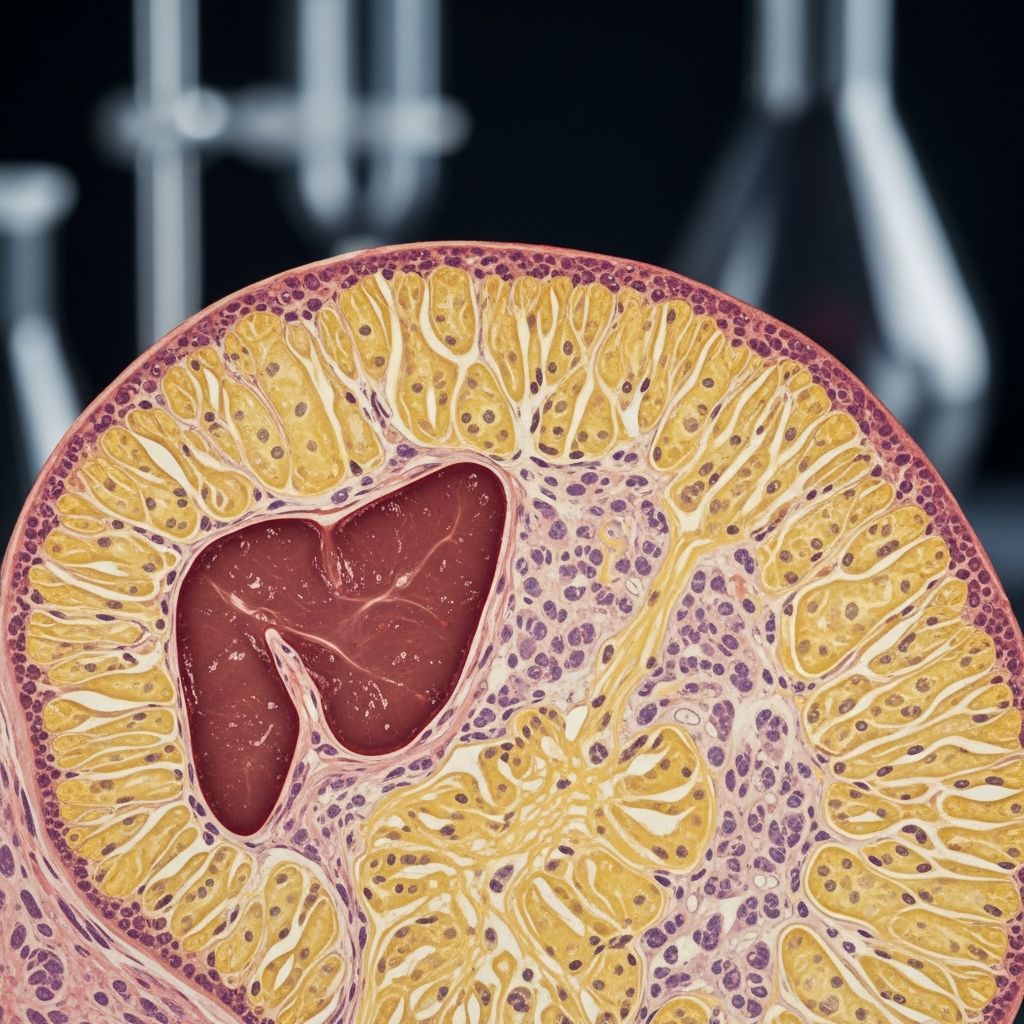
Hepatic lipidosis, commonly known as fatty liver disease, represents one of the most economically significant metabolic disorders affecting dairy cattle operations worldwide. This condition emerges primarily during the transition period surrounding calving, when physiological demands exceed dietary intake capacity. Understanding the mechanisms, recognition, and management of this disease is essential for veterinarians and dairy producers seeking to optimize herd health and productivity.
The Metabolic Foundation of Fatty Liver Disease
At its core, hepatic lipidosis develops from negative energy balance, a state in which a cow’s energy expenditure surpasses its dietary energy intake. This metabolic imbalance occurs most critically during early lactation, when milk production demands escalate dramatically while appetite remains suppressed. High-producing dairy cattle face particularly challenging circumstances, as their nutritional requirements for milk synthesis can increase substantially immediately after parturition.
When dietary energy proves insufficient to meet these heightened demands, the body initiates a compensatory mechanism by mobilizing stored fat reserves. This process releases substantial quantities of nonesterified fatty acids (NEFAs), also called free fatty acids, into the bloodstream. While this mobilization strategy provides essential energy during periods of feed scarcity, the sheer volume of NEFAs transported to the liver can overwhelm hepatic processing capacity. Under normal circumstances, the liver efficiently manages these fatty acids through oxidation or re-esterification. However, when NEFA influx exceeds metabolic capability, the liver deposits excess fatty acids as triglycerides within hepatocytes, initiating the pathological accumulation characteristic of hepatic lipidosis.
Risk Factors and Susceptibility Patterns
Certain cattle populations demonstrate heightened vulnerability to developing hepatic lipidosis. Cows with excessive body condition prior to calving—specifically those with body condition scores exceeding 3.5—face substantially elevated risk. Over-conditioned animals possess abundant adipose tissue reserves that mobilize rapidly following parturition, potentially overwhelming the liver’s metabolic machinery. Paradoxically, while moderate body condition represents the optimal target, animals with excessive adiposity represent a significant proportion of affected cases in many herds.
The transition period environment itself creates vulnerability regardless of pre-calving condition. Decreased feed intake during the periparturient period compounds energy deficit challenges, as appetite suppression commonly occurs in association with calving and early lactation. First-lactation heifers and animals recovering from recent illness or stress may demonstrate heightened susceptibility due to compromised metabolic reserves.
Pathological Consequences and Systemic Effects
Hepatic lipidosis extends beyond simple fat accumulation within the liver. The pathological process disrupts fundamental liver functions essential for metabolic homeostasis. Fatty infiltration impairs the organ’s capacity to synthesize critical proteins, including albumin, which maintains osmotic pressure and nutrient transport. Reduced albumin production contributes to systemic complications and delayed recovery from concurrent diseases.
The condition triggers pronounced metabolic dysregulation manifesting through multiple pathways:
- Profound ketosis develops as hepatocytes shift toward fat oxidation for energy production, generating excessive ketone bodies that accumulate in blood and tissues
- Hypoglycemia emerges due to impaired hepatic gluconeogenesis, the liver’s primary mechanism for maintaining blood glucose during fasting states
- Ammonia accumulation occurs when hepatic detoxification capacity becomes compromised, potentially progressing to hepatic encephalopathy in severe cases
- Immunological dysfunction develops through multiple mechanisms, including reduced complement synthesis and impaired leukocyte function
Clinical Manifestations and Diagnostic Indicators
Hepatic lipidosis presents with variable clinical severity, ranging from subclinical metabolic derangement to life-threatening liver failure. Notably, no pathognomonic clinical signs exist that definitively identify the condition, necessitating integration of clinical observation with diagnostic testing.
Early manifestations typically include depressed appetite, reduced rumination, and decreased fecal production. Affected cattle often appear lethargic and demonstrate weakness, with some animals reluctant to stand or maintain normal posture. Milk production drops markedly, representing one of the most economically evident consequences. As disease severity progresses, cattle may exhibit ataxia (incoordination), prominent depression, and dull behavioral responses to environmental stimuli.
In advanced cases, particularly when liver TAG (triacylglycerol) content approaches or exceeds 300 g/kg liver wet weight, animals may develop icterus—yellowing of mucous membranes and sclera reflecting hepatic dysfunction. Photosensitization has been documented in severe cases, and in some instances, neurological signs emerge secondary to hyperammonemia affecting cerebral function.
Diagnostic Approaches and Laboratory Confirmation
Diagnosis of hepatic lipidosis employs both direct and indirect methodologies. Direct confirmation involves hepatic biopsy with histological analysis demonstrating lipid accumulation, though this invasive approach is rarely pursued clinically. More commonly, diagnosis relies on clinical assessment combined with laboratory evidence of metabolic dysfunction and hepatic compromise.
Blood analysis reveals characteristic abnormalities supporting diagnosis:
- Elevated nonesterified fatty acid (NEFA) concentrations indicating active fat mobilization
- Increased ketone levels reflecting accelerated fat oxidation and ketotic state
- Elevated liver enzymes including aspartate aminotransferase (AST), gamma-glutamyl transferase (GGT), and alanine aminotransferase (ALT), demonstrating hepatocellular injury
- Hypoglycemia with depressed blood glucose concentration
- Reduced serum albumin reflecting impaired hepatic synthesis
Assessment of disease severity and negative energy balance duration guides diagnostic impression. Animals demonstrating clinical signs concurrently with laboratory evidence of metabolic dysfunction and hepatic stress warrant presumptive diagnosis of hepatic lipidosis, particularly during the periparturient period.
Secondary Disease Complications
Cattle affected by hepatic lipidosis demonstrate substantially increased susceptibility to concurrent and secondary metabolic and infectious diseases. The immune dysfunction accompanying fatty liver disease increases clinical mastitis, metritis, and retained fetal membrane incidence. Additionally, milk fever, ketosis, and displaced abomasum occur with elevated frequency in affected animals.
Notably, when secondary diseases develop in hepatic lipidosis-affected cattle, these conditions prove more severe and respond poorly to standard therapeutic protocols. A milk fever cow with concurrent hepatic lipidosis may remain recumbent despite conventional therapy. Ketosis progresses more rapidly and resists treatment. This treatment resistance reflects compromised hepatic and metabolic capacity, making recovery substantially more challenging and extending clinical course duration.
Management and Preventive Strategies
Effective management of hepatic lipidosis emphasizes prevention through strategic herd management practices. Body condition scoring during the dry period enables identification of over-conditioned animals requiring dietary adjustment. Controlled feeding of high-body-condition cows during late lactation and dry periods reduces excessive adipose tissue accumulation, targeting optimal body condition scores at calving.
Transition period management deserves particular emphasis, as the periparturient period represents the critical window for disease development. Gradual feed intake increases following calving, combined with provision of highly digestible, energy-dense nutrition, supports hepatic recovery. Dietary management should ensure adequate but not excessive energy provision, as overfeeding during the transition represents another risk factor.
For clinically affected animals, treatment parallels ketosis management approaches, incorporating supportive care measures:
- Provision of easily digestible carbohydrates to restore hepatic glucose availability
- Nutritional support addressing energy deficits through supplemental feeding
- Treatment of secondary infections as they develop
- Monitoring and management of concurrent metabolic disorders
- Possible use of hepatoprotective agents where appropriate
Economic and Productivity Implications
The economic impact of hepatic lipidosis extends well beyond the direct costs of treating affected animals. Decreased milk production during and following the disease period represents substantial revenue loss. Extended recovery times delay return to normal milk yields, compounding productive losses. Higher rates of involuntary culling result from animals failing to recover adequately, necessitating herd replacement costs.
Additionally, increased disease treatment costs, extended veterinary care requirements, and lost reproductive capacity from reduced fertility associated with hepatic lipidosis contribute substantially to the total economic burden. Feed dollars invested in excessive pre-calving body condition gain represent wasted resources when that condition predisposes to metabolic disease postpartum.
Frequently Asked Questions
What severity levels exist for hepatic lipidosis in cattle?
Clinical severity correlates with liver TAG accumulation. Mild signs emerge with TAG concentrations around 100 g/kg liver wet weight, while severe manifestations and liver coma approach or exceed 300 g/kg. Subclinical cases may exist without obvious clinical signs despite significant hepatic lipid content.
Can cattle recover completely from hepatic lipidosis?
Recovery depends on disease severity and promptness of intervention. Mild cases with appropriate management show reasonable recovery potential, though productivity may remain compromised. Severe cases, particularly those progressing to liver failure, frequently result in culling or death.
How does hepatic lipidosis differ from ketosis?
While both conditions emerge from negative energy balance, ketosis results from excessive ketone production during fat metabolism, whereas hepatic lipidosis reflects pathological lipid accumulation within hepatocytes. Often, these conditions coexist, with hepatic lipidosis considered a more severe metabolic derangement.
Which cattle are most susceptible to developing this disease?
High-producing dairy cattle during early lactation, particularly over-conditioned animals with body condition scores exceeding 3.5, face greatest risk. First-lactation animals and those with recently suppressed appetite also demonstrate increased vulnerability.
References
- Fatty Liver Syndrome — The Cattle Site. Accessed February 2026. https://www.thecattlesite.com/diseaseinfo/212/fatty-liver-syndrome
- Fatty Liver Syndrome in Cattle: A Comprehensive Review — Veterinary and Aquatic Science and Medicine Organization (VAMSO). Accessed February 2026. https://vamso.in/our_services/fatty-liver-syndrome-in-cattle-a-comprehensive-review/
- EP 13: Bovine Fatty Liver | Causes, Diagnosis & Prevention in Cattle — Educational Video Resource. Accessed February 2026. https://www.youtube.com/watch?v=j3nRRjdflFI
- Bovine Fatty Liver Syndrome — Haass, D.C. Iowa State University Digital Repository. 1984. https://dr.lib.iastate.edu/bitstreams/5133554f-2be6-4ce2-9bb5-b4876ccacdea/download
- Hepatic Lipidosis in Cattle and Camelids — Veterinary Specialists. December 2022. https://www.vetspecialists.com/vet-blog-landing/animal-health-articles/2022/12/02/hepatic-lipidosis-in-cattle-and-camelids
- Fatty Liver Disease of Cattle – Metabolic Disorders — Merck Veterinary Manual. https://www.merckvetmanual.com/metabolic-disorders/hepatic-lipidosis/fatty-liver-disease-of-cattle
Similar Articles








Read full bio of Sneha Tete


