

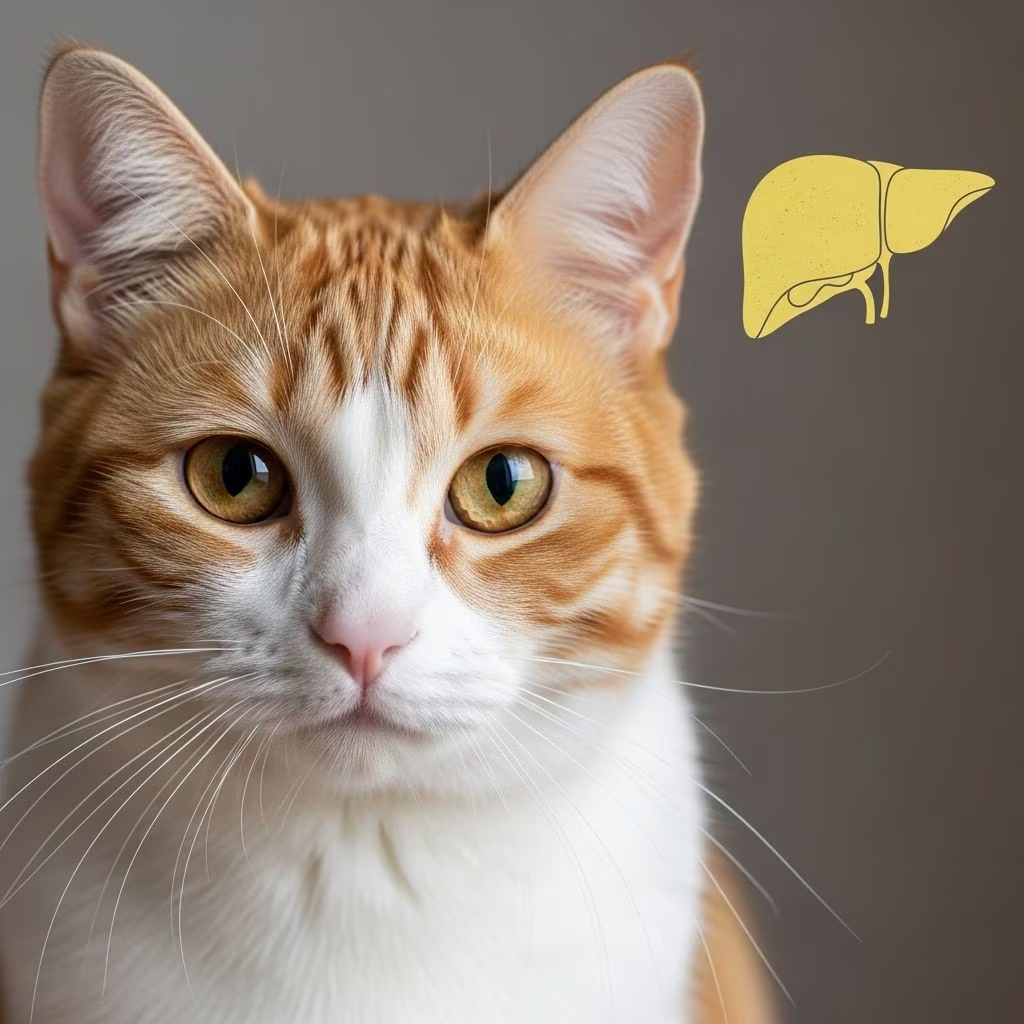
Understanding Hepatic Lipidosis in Cats: Fatty Liver Syndrome
Hepatic lipidosis, commonly known as fatty liver syndrome, is a serious and potentially life-threatening condition that affects cats. This metabolic disease occurs when triglycerides accumulate excessively within liver cells, significantly obstructing the organ’s critical functions. Unlike many other feline diseases that develop gradually, hepatic lipidosis can progress rapidly, particularly in overweight cats, and demands immediate veterinary intervention. Understanding this condition is essential for cat owners, as early recognition and aggressive treatment can mean the difference between full recovery and fatal outcomes.
The disease develops through a concerning metabolic cycle. When a cat stops eating for any reason—whether due to stress, illness, or other underlying health problems—the body enters a state of starvation. In response, the cat’s metabolism breaks down stored body fat at an accelerated rate to supply energy and critical nutrients. However, this rapid fat mobilization overwhelms the liver’s ability to process and metabolize fat efficiently. The result is that excessive fat becomes stored in and around the liver cells, progressively compromising liver function and perpetuating the cycle of inappetence and metabolic dysfunction.
What Causes Hepatic Lipidosis in Cats?
Hepatic lipidosis develops when cats fail to consume adequate nutrition for extended periods. The underlying causes that precipitate this dangerous loss of appetite are diverse and multifaceted. Common triggers include acute illnesses such as urinary tract infections, respiratory infections, or gastrointestinal disorders. Behavioral factors also play a significant role—many cats stop eating when stressed by environmental changes, introduction of new pets, relocation, or boarding situations.
Dental disease represents another frequent cause, as painful teeth or gums make eating uncomfortable and discourage food consumption. Some cats develop hepatic lipidosis following surgery or traumatic events. Additionally, obesity significantly increases a cat’s risk of developing this condition, as overweight cats have larger fat stores that can be mobilized during periods of inappetence. The critical factor in all these scenarios is the cessation of normal eating patterns, which initiates the dangerous metabolic cascade that leads to fatty liver syndrome.
Recognizing the Symptoms of Fatty Liver Syndrome
Early detection of hepatic lipidosis is crucial for successful treatment outcomes. Pet owners should be alert to the following warning signs:
- Loss of appetite or complete refusal to eat
- Rapid and unexplained weight loss
- Lethargy and decreased activity levels
- Depression and withdrawn behavior
- Jaundice or icterus—yellow discoloration of the whites of the eyes, gums, and skin
- Vomiting and nausea
- Weakness and difficulty moving
- Diarrhea or constipation
- Dark-colored urine
- Unusual or abnormal behavioral changes
- Abnormal bleeding or bruising
Jaundice is a particularly serious warning sign indicating that the liver is failing and requires immediate emergency medical attention. The yellow coloration visible in the eyes and skin results from the accumulation of bilirubin, a byproduct of liver dysfunction. If your cat exhibits any of these symptoms, contacting your veterinarian immediately is essential. The longer cats go without eating, the higher their risk of developing hepatic lipidosis, making early intervention absolutely critical.
Diagnosing Hepatic Lipidosis
Veterinary diagnosis of hepatic lipidosis involves a comprehensive evaluation combining clinical examination, laboratory testing, and diagnostic imaging. Your veterinarian will review your cat’s medical history, including the duration of appetite loss and any recent illnesses or stressful events. Physical examination may reveal jaundice, dehydration, and abdominal pain or tenderness.
Blood work is essential for diagnosis, revealing elevated liver enzymes, bilirubin levels, and other markers of liver dysfunction. Specific liver function tests help assess the severity of hepatic damage. Additionally, blood work evaluates electrolyte levels, coagulation factors, and other parameters crucial for treatment planning. Ultrasound imaging can visualize the liver’s appearance, often showing characteristic changes consistent with hepatic lipidosis. In some cases, veterinarians may recommend liver biopsies to confirm diagnosis and rule out other concurrent liver diseases.
Is Hepatic Lipidosis Treatable?
Yes, hepatic lipidosis is absolutely treatable, but treatment requires aggressive, committed intervention from pet owners and veterinary professionals. The disease is not immediately fatal if treated promptly and intensively, but it becomes fatal without rapid treatment. The key to successful outcomes is restoring nutritional support while the liver mobilizes accumulated fat deposits and gradually resumes normal function.
Recovery typically requires six to seven weeks of consistent, high-level nutritional support. This extended timeline demands commitment from pet owners, as treatment often continues at home rather than exclusively in the veterinary hospital. The goal is to reverse the dangerous metabolic cycle by ensuring the cat receives adequate calories and nutrients daily, allowing the liver to clear excessive fat from its cells through normal metabolic processes and return to healthy function.
Treatment Approach for Fatty Liver Syndrome
Treatment for hepatic lipidosis combines multiple therapeutic strategies, with nutritional support as the cornerstone. In the initial phase, many cats require hospitalization to stabilize their condition and address immediate medical needs.
Initial Hospitalization and Stabilization
During the first several days of treatment, cats typically receive intravenous fluids to correct dehydration and replace fluid loss from vomiting or diarrhea. Anti-nausea medications are administered to reduce vomiting and encourage appetite return. Additional medications support liver function, correct electrolyte imbalances, and address specific symptoms. Blood transfusions or plasma transfusions may be necessary if the cat develops abnormal clotting problems, a common complication when liver function is severely compromised.
Nutritional Support Through Feeding Tubes
The most critical component of hepatic lipidosis treatment is providing consistent, adequate nutrition. A feeding tube is surgically implanted into your cat, allowing syringe-feeding of specially formulated diet directly into the gastrointestinal tract. This method bypasses the cat’s reduced appetite, ensuring consistent nutrient delivery essential for liver recovery.
Your veterinarian will determine the optimal feeding tube type based on your cat’s specific circumstances. An esophagostomy tube is placed through an incision in the cat’s neck into the esophagus, allowing long-term feeding at home. Gastrostomy tubes are inserted directly into the stomach through a small incision in the abdominal wall. Nasogastric tubes, placed through the nose into the stomach, work for short-term feeding of several days but are typically unsuitable for the extended six-to-seven-week treatment period most cats require.
Feeding Protocol and Nutrition
Feeding through the tube follows a gradual, carefully calculated protocol. Initial feedings start at approximately 25 percent of the cat’s normal caloric requirements, divided into multiple small meals. Over several days, feedings are gradually increased to 50 percent, then progressively toward full caloric needs. This gradual approach allows the digestive system to adjust and prevents complications. Special prescription diets formulated for hepatic lipidosis patients are used, providing easily digestible, nutrient-dense nutrition optimized for liver recovery.
Supportive Medications and Supplements
Beyond nutritional support, multiple medications and supplements aid liver recovery. B vitamins, particularly vitamin B12, are frequently deficient in cats with hepatic lipidosis and require supplementation. Vitamin K may be necessary to correct clotting abnormalities. Vitamin E provides antioxidant support to protect liver cells from further damage.
Hepatic support medications commonly prescribed include S-adenosylmethionine (SAMe), L-carnitine, milk thistle, silybin, and ursodiol. These agents work through various mechanisms to protect liver cells, improve liver function, promote fat mobilization, and enhance bile flow. Fluid therapy may include added magnesium, phosphorus, and potassium to correct electrolyte imbalances. Medications addressing underlying causes—such as antibiotics for infections or pain management for dental disease—are tailored to each individual cat’s circumstances.
Home Care and Managing Treatment
Once your cat’s condition stabilizes after the initial hospitalization phase, treatment typically continues at home. Pet owners become responsible for administering tube feedings, monitoring food intake, and maintaining the feeding tube. Your veterinarian will provide detailed instruction on proper tube feeding techniques, feeding volumes, and schedule. Most cats are fed multiple times daily through the tube, with the exact protocol customized to individual needs.
Home-based treatment offers significant advantages: it allows your cat to recover in a familiar, less stressful environment, enables consistent nutrient delivery exactly as prescribed, and typically reduces overall treatment costs compared to prolonged hospitalization. Veterinarians schedule regular follow-up appointments to monitor weight gain, assess liver function through blood work, and adjust treatment protocols as needed.
The Recovery Process and Timeline
Recovery from hepatic lipidosis is a gradual process that typically spans four to eight weeks, with six to seven weeks being average. As cats receive consistent nutrition through the feeding tube, their liver function progressively improves. When cats stop feeling nauseated and begin regaining lost weight, veterinarians initiate the transition to oral feeding.
This transition occurs gradually. While continuing tube feedings, cats are offered small amounts of palatable food by mouth, allowing them to rediscover eating and regain appetite. As voluntary food consumption increases, tube feeding amounts are proportionally decreased. This gradual approach prevents sudden dietary changes that might cause gastrointestinal upset. Once cats consistently consume adequate calories orally for several days without tube supplementation, the feeding tube can be surgically removed.
Full recovery is definitely possible, and most treated cats experience excellent outcomes. However, the process requires patience and commitment from pet owners, as rushed recovery attempts may result in relapse. Treating the underlying initial cause of inappetence—whether dental disease, infection, stress, or behavioral factors—is essential for preventing recurrence after the feeding tube is removed.
Prevention of Hepatic Lipidosis
While not all causes of hepatic lipidosis are preventable, several strategies can significantly reduce risk. Maintaining your cat at a healthy weight reduces fat stores available for mobilization during inappetence. Ensuring regular dental care prevents painful dental disease that discourages eating. Prompt veterinary attention for any illness, particularly conditions causing anorexia, helps prevent extended periods without food intake. Minimizing stress through environmental enrichment, gradual introduction of changes, and maintaining routine supports consistent eating patterns. Regular veterinary checkups catch developing health problems before they progress to appetite loss.
Frequently Asked Questions About Fatty Liver Syndrome
Q: How quickly does hepatic lipidosis develop?
A: Hepatic lipidosis can develop rapidly in cats, sometimes progressing significantly within just a few days of not eating. This rapid progression makes early intervention critical for successful treatment outcomes.
Q: Can hepatic lipidosis be prevented?
A: While not all cases are preventable, maintaining healthy weight, ensuring dental care, minimizing stress, and seeking prompt veterinary attention for illness can significantly reduce risk of developing this serious condition.
Q: Will my cat need the feeding tube permanently?
A: No. The feeding tube is temporary, typically remaining in place for four to eight weeks. Once your cat consistently eats adequate amounts orally, the tube is surgically removed. Most cats return to normal eating after recovery.
Q: What is the success rate for treating hepatic lipidosis?
A: Hepatic lipidosis has excellent treatment success rates when cats receive prompt, aggressive nutritional support. Many cats recover completely and return to normal lives with proper treatment commitment.
Q: Can hepatic lipidosis recur after recovery?
A: Recurrence is possible if underlying causes aren’t addressed or if the cat experiences another extended period without eating. However, preventing future appetite loss through proper care typically prevents recurrence in recovered cats.
Q: How much does hepatic lipidosis treatment cost?
A: Treatment costs vary based on hospitalization duration, feeding tube type, medications, and follow-up care. Initial hospitalization may cost $1,000 to $3,000, with additional costs for home feeding tube management. Discuss specific costs with your veterinarian.
Q: Are certain cat breeds more susceptible to hepatic lipidosis?
A: While hepatic lipidosis can affect any cat, overweight cats and those predisposed to obesity may be at higher risk. Individual susceptibility depends more on factors like weight status, stress levels, and underlying health conditions than on breed.
References
- Hepatic Lipidosis in Cats (Fatty Liver Syndrome in Cats) — VCA Animal Hospitals. 2024. https://vcahospitals.com/know-your-pet/liver-disease-fatty-liver-syndrome-in-cats
- Hepatic Lipidosis in Cats (Fatty Liver Disease) — PetMD. 2023. https://www.petmd.com/cat/conditions/digestive/hepatic-lipidosis-cats-fatty-liver-disease
- Hepatic Lipidosis — Cornell University College of Veterinary Medicine. 2024. https://www.vet.cornell.edu/departments-centers-and-institutes/cornell-feline-health-center/health-information/feline-health-topics/hepatic-lipidosis
- Fatty Liver Disease (Hepatic Lipidosis) in Cats — WebMD Pets. 2023. https://www.webmd.com/pets/cats/fatty-liver-disease-in-cats
- Liver Disease in Cats: Signs, Treatment, Prognosis — Best Friends Animal Society. 2024. https://bestfriends.org/pet-care-resources/liver-disease-cats-signs-treatment-prognosis
- Hepatic Lipidosis: A Guide to Fatty Liver Disease in Cats — Memorial Villages Animal Hospital. 2024. https://mvahpets.com/hepatic-lipidosis-a-guide-to-fatty-liver-disease-in-cats/



