
Hepatic Encephalopathy In Pets: Diagnosis And Treatment Guide
Understanding the brain effects of liver dysfunction in dogs and cats: causes, symptoms, diagnosis, and life-saving treatments.
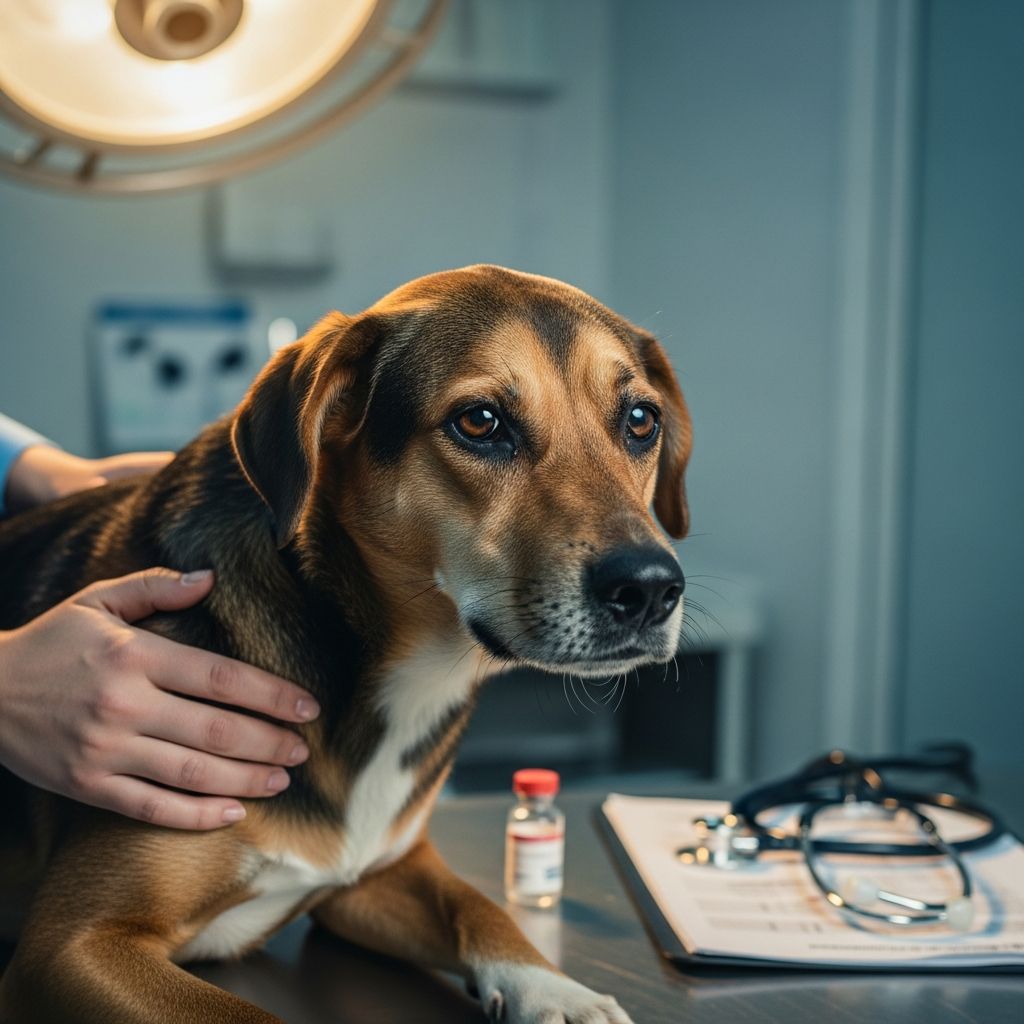
Hepatic encephalopathy (HE) represents a serious neurological syndrome in dogs and cats triggered by impaired liver function. Toxins that the liver normally detoxifies build up in the bloodstream and affect brain activity, leading to a range of behavioral and motor disturbances. This condition demands prompt veterinary intervention to improve survival rates and quality of life.
The Liver-Brain Connection: How Dysfunction Leads to HE
The liver serves as the body’s primary filter, processing nutrients, medications, and waste products from the digestive tract. In healthy pets, portal blood carrying ammonia and other byproducts from protein digestion passes through liver cells (hepatocytes) for conversion into safe compounds. When this process fails—due to shunts bypassing the liver, severe cell damage, or scarring—these toxins reach the brain, disrupting neuron function and causing swelling in supportive cells called astrocytes.
Ammonia stands out as a key culprit, accumulating excessively (hyperammonemia) and prompting glutamine buildup in the brain, which draws in water and leads to cerebral edema. Other contributors include elevated manganese levels, natural sedatives like benzodiazepines produced by gut bacteria, and inflammation mediators. These factors explain why HE manifests differently across acute and chronic scenarios.
Classifying HE: Acute vs. Chronic Forms
Veterinarians categorize HE based on its onset and underlying liver pathology.
Acute HE
arises from sudden, massive liver failure (fulminant hepatic failure, FHF), often from toxins like xylitol in dogs or acetaminophen in cats. Symptoms escalate rapidly, potentially involving brain swelling, high intracranial pressure, and life-threatening herniation.In contrast,
chronic HE
develops gradually, typically from portosystemic shunts (PSS)—abnormal vessels diverting blood around the liver—or advanced cirrhosis. Type A HE ties to acute failure; Type B to shunts; Type C to cirrhosis with both shunting and tissue loss. Breeds prone to congenital PSS include Yorkshire Terriers, Cairn Terriers, Irish Wolfhounds, and Persians in cats.- Congenital shunts: Present from birth, more common in purebred dogs (0.02-0.6% prevalence), leading to stunted growth and small livers (microhepatica).
- Acquired shunts: Develop later from portal hypertension due to fibrosis or chronic damage.
Recognizing the Signs: From Subtle to Severe
Clinical presentation varies by severity and species. Pets may worsen after meals rich in protein, as gut bacteria ferment amino acids into ammonia. Common indicators include:
- Lethargy, depression, or disorientation (head pressing against walls).
- Ataxia (wobbly gait), circling, or tremors.
- Excessive drooling (ptyalism, especially cats), whining, or blindness.
- Seizures, coma in advanced stages.
- Accompanying liver signs: jaundice, weight loss, vomiting, polyuria/polydipsia.
Cats often show copper-colored irises and pronounced salivation, while dogs display behavioral changes like aggression or dullness. Young animals with shunts appear undersized with poor muscle tone.
Diagnostic Approaches: Confirming the Liver-Neuro Link
Diagnosis integrates history, exams, labs, and imaging. Vets suspect HE in pets with neurological signs plus liver enzyme elevations (ALT, AST), high bilirubin, low albumin, anemia, hypoglycemia, or electrolyte imbalances.
| Test | Purpose | Key Findings in HE |
|---|---|---|
| Bile Acids Stimulation Test | Gold standard for shunts | Post-meal spikes > normal (assesses liver clearance). |
| Plasma Ammonia | Direct toxin measure | Elevated levels correlate with severity. |
| Abdominal Ultrasound | Visualize shunts/liver | Detects single/multiple vessels, small liver size. |
| CT/MRI | Advanced imaging | Confirms shunts if ultrasound inconclusive. |
| Blood Panel | Rule out mimics | Low BUN, phosphorus; high liver enzymes. |
Exclude differentials like infections (meningoencephalitis), toxins, or thiamine deficiency via CSF analysis or trials.
Emergency Management: Stabilizing Acute Cases
Acute HE requires hospitalization. Priorities: airway protection, fluid therapy, and edema control with mannitol (0.5-1 g/kg IV over 20 min) or hypertonic saline. Position pets head-up at 25-35° to reduce intracranial pressure. Avoid propofol in toxin-induced FHF due to mitochondrial risks; withhold oral feeding until alert.
Seizures demand diazepam, levetiracetam, or phenobarbital. Enemas clear gut ammonia producers.
Core Therapies: Reducing Toxins and Supporting Liver
Chronic management focuses on lowering ammonia via diet, gut modulation, and addressing shunts surgically if feasible.
Nutritional Strategies
Restrict protein to aromatic amino acids but avoid severe cuts to prevent hepatic lipidosis in cats or muscle wasting. Soy-based diets show promise; supplement zinc for refractory cases to boost urea cycle enzymes. Small, frequent vegetarian-leaning meals reduce bacterial fermentation.
Gut-Targeted Drugs
- Lactulose: Fermentable sugar acidifies stool, trapping ammonia (1-3 ml/kg PO q8-12h to 2-3 soft stools/day).
- Antibiotics: Metronidazole (7.5 mg/kg PO q12h, low-dose to avoid toxicity); amoxicillin for cats; rifaximin (2.5-5 mg/kg q12-24h) for resistant HE.
Adjuncts
L-ornithine-L-aspartate (LOLA) aids ammonia detoxification; flumazenil (0.01 mg/kg IV) offers transient alertness in crises but not survival benefit.
Prognosis and Long-Term Care
Outcomes hinge on cause: shunt ligation yields 80-90% success; medical management controls chronic HE but requires lifelong therapy. Monitor with serial ammonia/bile acids; watch for relapses from infections, GI bleeds, or drugs.
Owners should track signs post-meal, adhere to low-protein diets, and report worsening.
FAQs
What triggers HE episodes?
High-protein meals, constipation, infections, or sedatives increase ammonia absorption.
Can HE be cured?
Congenital shunts often resolve with surgery; chronic cases need ongoing care.
Is diet alone enough?
No—combine with lactulose/antibiotics for best results.
How do I prevent HE in at-risk breeds?
Early screening via bile acids in predisposed puppies/kittens.
What’s the role of surgery?
Attenuates shunts, normalizing blood flow and resolving HE in most.
References
- Hepatic Encephalopathy in Small Animals — Merck Veterinary Manual. 2023. https://www.merckvetmanual.com/digestive-system/hepatic-diseases-of-small-animals/hepatic-encephalopathy-in-small-animals
- Hepatic Encephalopathy — VCA Animal Hospitals. 2023. https://vcahospitals.com/know-your-pet/hepatic-encephalopathy
- Hepatic encephalopathy in dogs and cats — PubMed (Vet Emerg Crit Care). 2016-04-01. https://pubmed.ncbi.nlm.nih.gov/27060899/
- Portosystemic Shunts and Hepatic Encephalopathy In Dogs — Purina Institute. 2023. https://www.purinainstitute.com/centresquare/therapeutic-nutrition/portosystemic-shunts-and-hepatic-encephalopathy
- Hepatic Encephalopathy in Dogs & Cats | Pet Care Partners podcast — YouTube (Vet Education). 2023. https://www.youtube.com/watch?v=oostNYixJl8
- Hepatic Encephalopathy: Diagnosis and Treatment — VetFolio. 2023. https://www.vetfolio.com/learn/article/hepatic-encephalopathy-diagnosis-and-treatment
Similar Articles








Read full bio of medha deb


