

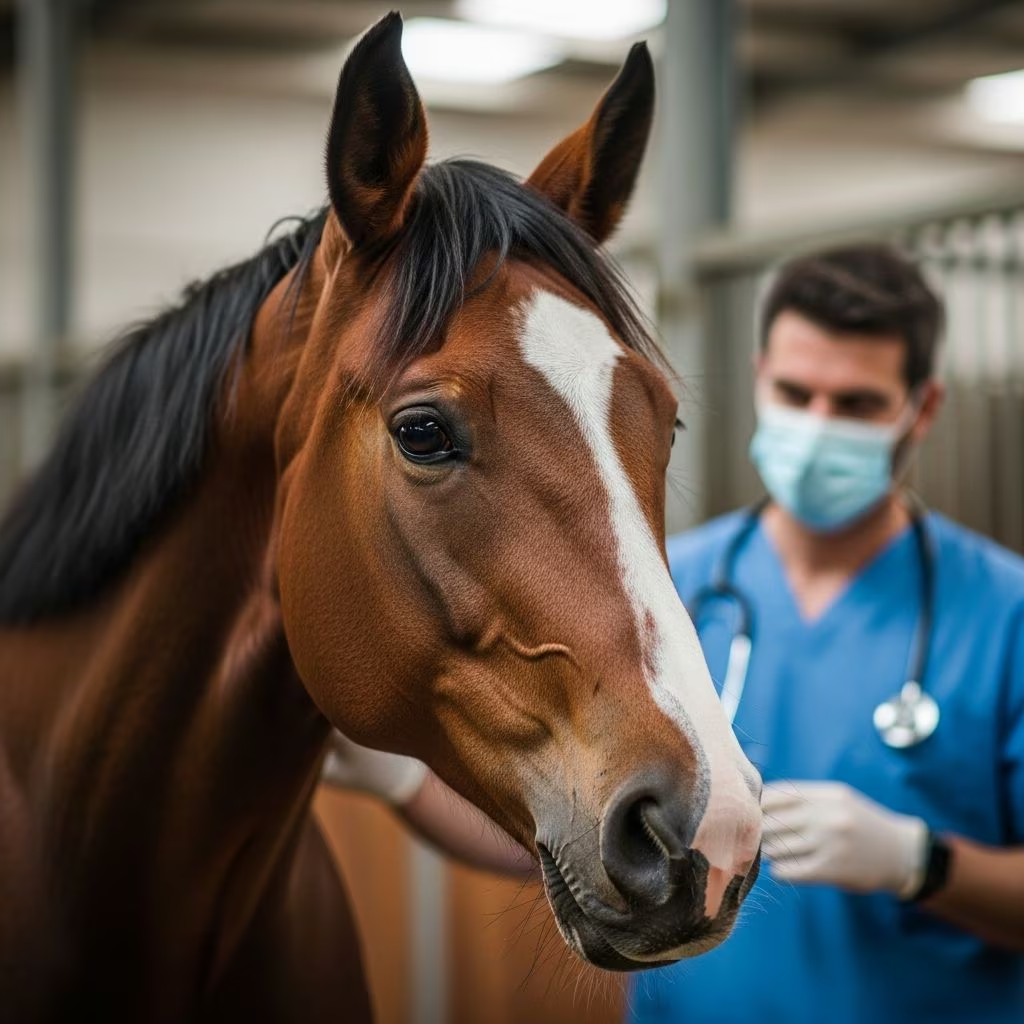
Hendra virus represents a significant threat to equine health, particularly in affected geographic regions. Originally identified as equine morbillivirus, this pathogen causes severe and potentially fatal respiratory disease in horses. Beyond its impact on equine populations, the virus poses a considerable zoonotic risk, capable of transmitting to humans who come into close contact with infected animals. Understanding the nature of this disease, how it spreads, and what protective measures are available is essential for horse owners and equine professionals.
The Nature of Equine Morbillivirus Disease
Equine morbillivirus pneumonia is characterized by acute onset and rapid progression. The disease develops when horses are exposed to viral particles present in infected animal secretions and excretions. Once contracted, affected horses experience severe respiratory compromise that can escalate quickly to life-threatening conditions. The hallmark of this infection is the development of extensive fluid accumulation within lung tissue, combined with systemic inflammation that affects multiple organ systems.
The virus causes significant pathological changes within the respiratory system. Infected animals exhibit pulmonary edema, where fluid fills the air spaces of the lungs, severely impairing gas exchange. Additionally, the capillary endothelium throughout the body becomes damaged, leading to hemorrhaging and tissue edema in numerous organs. The central nervous system may also become affected, resulting in encephalitis and neurological dysfunction.
Transmission Pathways and Risk Factors
The primary mechanism of transmission involves direct contact with viral particles shed by infected animals. Virus particles are present in substantial quantities within the urine, saliva, and respiratory secretions of affected horses. Close contact with these bodily fluids represents the most significant transmission risk. This is particularly problematic given that respiratory secretions become aerosolized during coughing and sneezing, potentially exposing handlers and other animals in close proximity.
Geographic distribution plays a crucial role in transmission risk. The disease has been primarily documented in Queensland, Australia, where environmental and wildlife factors support viral circulation. Flying foxes, which serve as natural reservoir hosts for the virus, inhabit these regions and may transmit the pathogen to equine populations through direct contact or contamination of shared environments.
Human exposure occurs when individuals maintain very close contact with infected horses during the acute phase of illness. Persons handling, treating, or providing care for symptomatic animals face elevated risk. The zoonotic potential of this virus warrants particular attention, as approximately 57% of documented human infections prove fatal, making protective measures during horse management absolutely critical.
Clinical Presentation and Symptom Recognition
The incubation period for Hendra virus in horses typically ranges from 4 to 16 days following exposure. Recognizing the clinical signs during this window and the acute illness phase allows for rapid response and implementation of protective measures.
Initial Symptoms:
- High fever that appears suddenly
- Depression and lethargy
- Anorexia and loss of appetite
- Elevated heart rate
- Increased respiratory rate and labored breathing
Progressive Clinical Signs:
- Extensive frothy or foamy nasal discharge, often copious in quantity
- Facial swelling and edema
- Uncoordinated movement and incoordination (ataxia)
- Muscle twitching and fasciculations
- Shifting weight between legs due to discomfort or neurological dysfunction
- Severe respiratory distress
- Sweating
- Signs suggestive of colic, including physical distress and unease
The progression of clinical signs is characteristically rapid and severe. Most horses that develop symptomatic disease die within 48 hours of symptom onset. This extraordinarily high mortality rate emphasizes the virulent nature of this pathogen and the importance of rapid veterinary intervention and biosafety precautions.
Gross Pathological Findings
Post-mortem examination of affected horses reveals characteristic lesions that confirm the diagnosis. The most prominent finding is marked fluid congestion throughout the lungs. Airways contain thick, foamy hemorrhagic exudate, representing a mixture of blood and serous fluid that accumulates as the disease progresses. Petechial hemorrhages appear across multiple organ systems, reflecting the widespread vascular damage caused by the virus. The severity of these pathological changes correlates with the acute nature and rapid progression observed in living animals.
Diagnostic Approaches and Confirmation
Definitive diagnosis of equine morbillivirus requires specialized laboratory testing. Virus isolation using tissue culture remains a principal diagnostic method. Samples are collected from affected animals and cultured in appropriate cell lines that support viral replication. As the virus grows, characteristic cytopathic effects become visible under microscopy, allowing for identification.
The acute presentation and rapid clinical deterioration often preclude complete diagnostic confirmation before the animal dies. Veterinarians must frequently make treatment decisions based on clinical suspicion and supportive findings, implementing biosafety measures based on the presumptive diagnosis. Post-mortem testing can definitively confirm the diagnosis through tissue examination and viral detection from lung and other organ specimens.
Management and Treatment Considerations
Currently, no specific antiviral therapy exists that effectively treats Hendra virus infection in horses. The management approach focuses entirely on supportive care aimed at maintaining physiologic stability and allowing the immune system to respond to infection. Supportive measures may include fluid therapy to maintain hydration, medications to support cardiovascular function, and respiratory support when breathing becomes severely compromised.
Unfortunately, even with intensive supportive care, the prognosis remains grave. The virulent nature of the infection and the rapid systemic damage it causes limit treatment efficacy. Most affected animals succumb to the disease despite therapeutic intervention.
Quarantine and Biosafety Protocols
Given the severe nature of the disease and its zoonotic potential, strict quarantine of suspected or confirmed cases is mandatory. Affected animals must be isolated to prevent transmission to other horses and to protect human handlers. Persons working with potentially infected horses should implement rigorous biosafety measures, including appropriate personal protective equipment such as respiratory protection, gloves, and protective clothing.
All materials that contact infected animals, including bedding, feed containers, and equipment, should be considered contaminated. Decontamination procedures using appropriate disinfectants must be implemented. The virus’s presence in urine and saliva means that environmental contamination can persist, requiring thorough cleaning and disinfection of areas where infected animals have been housed.
Preventive Measures and Vaccination
Prevention represents the most effective approach to managing Hendra virus risk. A commercial vaccine has been developed and is available for equine use. This vaccine provides protection against infection and disease development in vaccinated horses. Horse owners in endemic areas or those with risk factors for exposure should discuss vaccination with their veterinarian.
Beyond vaccination, management practices can reduce transmission risk. Limiting exposure to wildlife, particularly flying foxes in endemic regions, decreases the likelihood of environmental contamination. Maintaining excellent hygiene when handling horses, particularly those with respiratory signs, minimizes direct contact with potentially infectious secretions. Ensuring appropriate ventilation in barns and stables reduces the concentration of aerosolized viral particles in shared spaces.
Considerations for Equine Professionals
Veterinarians, farriers, trainers, and other professionals who work with multiple horses face elevated exposure risk due to their frequent contact with numerous animals. These individuals should be particularly vigilant regarding signs of respiratory disease in horses they examine or treat. When encountering horses with unexplained respiratory illness, severe pneumonia, or neurological signs, the possibility of morbillivirus infection should be considered, particularly in geographic areas where the disease has been documented.
Maintaining personal health precautions, using appropriate protective equipment when handling sick animals, and following strict hygiene protocols between animal contacts protects both the professional and their other animal clients. Communication with veterinary colleagues regarding disease occurrence helps maintain awareness of regional disease patterns and risk fluctuations.
Distinction from Other Equine Respiratory Diseases
While Hendra virus causes severe respiratory disease, other equine respiratory pathogens produce different clinical presentations. Common equine respiratory viruses, including equine herpes virus, equine influenza, and equine viral arthritis, typically produce milder respiratory signs and do not carry the same mortality risk. Bacterial pneumonia, while serious, usually develops more gradually and responds to appropriate antimicrobial therapy. The acute onset, severe progression, and high mortality rate of morbillivirus infection distinguish it from these other respiratory conditions.
Summary of Key Points
- Hendra virus causes acute, severe respiratory disease in horses with extremely high mortality
- Transmission occurs through direct contact with viral particles in saliva, urine, and respiratory secretions
- Clinical signs appear 4-16 days after exposure and progress rapidly to death within 48 hours
- No specific antiviral treatment exists; management relies on supportive care with poor outcomes
- Strict quarantine and biosafety precautions are essential to prevent transmission to other horses and humans
- Commercial vaccination is available and recommended for horses in endemic areas
- Human infection carries approximately 57% mortality risk, making protective measures critical
References
- Equine Morbillivirus Pneumonia (Hendra Virus Infection) — MSD Veterinary Manual. 2024. https://www.msdvetmanual.com/horse-owners/lung-and-airway-disorders-of-horses/equine-morbillivirus-pneumonia-hendra-virus-infection
- Hendra Virus (Equine Morbillivirus) in Horses: Transmission, Risk Factors and Prevention — Mad Barn. 2024. https://madbarn.com/hendra-virus-equine-morbillivirus-in-horses/
- Hendra Virus Disease in Horses — Vetlexicon Equis. 2024. https://www.vetlexicon.com/equis/microbiology/articles/hendra-virus-disease/
- Hendra Virus Infection in a Veterinarian — National Center for Biotechnology Information (NCBI). 2020. https://pmc.ncbi.nlm.nih.gov/articles/PMC7168387/
- Equine Pneumonia: Causes, Symptoms & Treatment — Mad Barn. 2024. https://madbarn.com/equine-pneumonia/



