

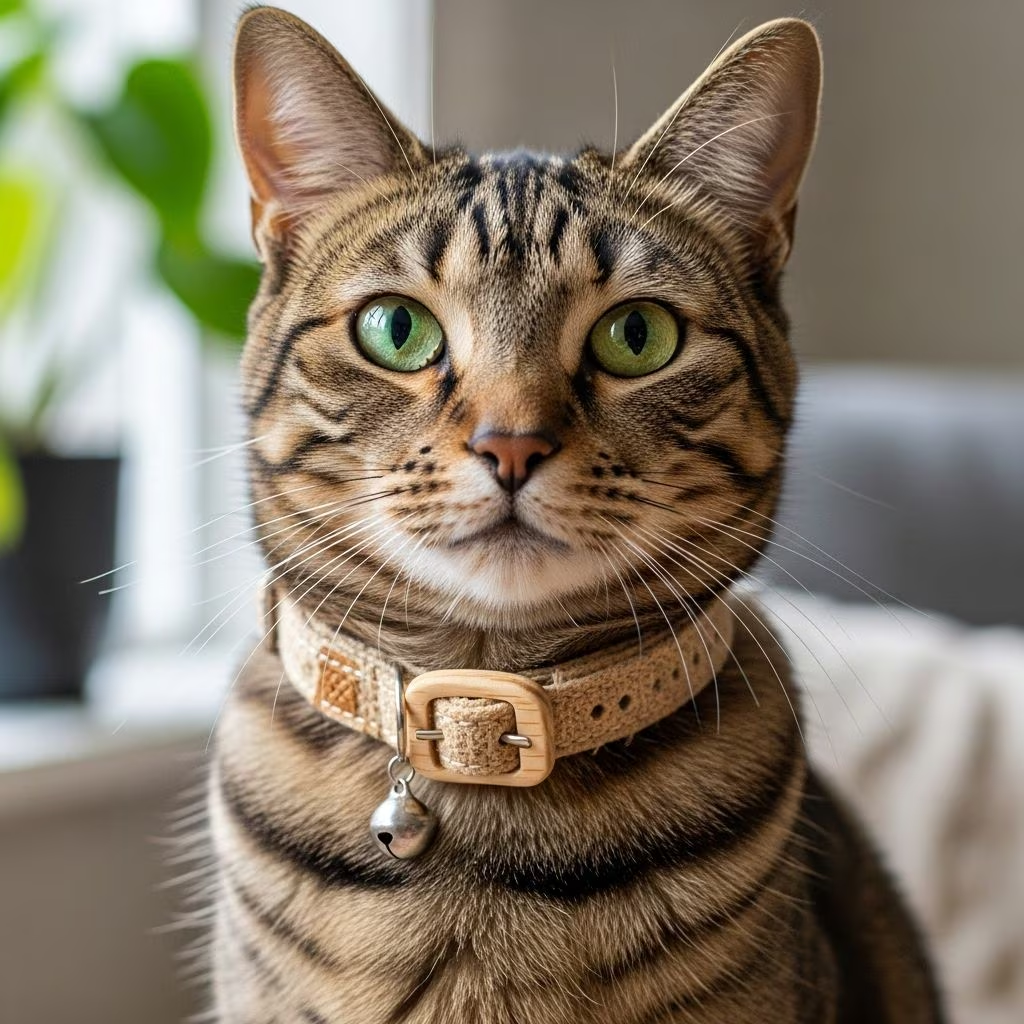
Hemp cat collars have gained popularity among pet owners seeking natural, durable alternatives to traditional materials. Derived from the hemp plant, these collars promise strength, comfort, and environmental benefits while prioritizing feline safety. This article delves into their composition, advantages, potential risks, and practical advice for selecting the ideal option for your cat.
What Makes Hemp an Ideal Material for Feline Accessories?
Hemp, a variety of the Cannabis sativa plant, differs from marijuana as it contains negligible THC levels, focusing instead on fibrous stalks for textile production. When processed into collars, hemp offers unique properties suited for cats’ active lifestyles. Its natural fibers provide a robust weave that withstands chewing, scratching, and outdoor adventures.
Unlike synthetic fabrics, hemp grows rapidly without pesticides, yielding strong threads ideal for pet gear. Cat owners appreciate how these collars maintain shape over time, reducing the need for frequent replacements. The material’s texture is soft yet resilient, minimizing discomfort during wear.
Key Advantages of Choosing Hemp Over Conventional Collars
Hemp collars stand out for several reasons, making them a compelling choice for health-conscious guardians.
- Exceptional Durability: Hemp fibers surpass cotton in tensile strength, ensuring collars endure daily rigors. Historical uses in ropes and sails underscore this reliability, translating to long-lasting pet products.
- Hypoallergenic Qualities: Free from harsh dyes and bleaches, hemp reduces irritation risks for sensitive-skinned cats. Its natural composition soothes rather than aggravates, benefiting felines prone to allergies.
- Antibacterial Properties: Compounds in hemp inhibit bacterial growth, keeping collars fresh. This feature combats odors common in fabric accessories.
- Moisture Management: Hemp absorbs excess moisture and allows evaporation, preventing mold in humid conditions. This breathability promotes hygiene.
These traits collectively enhance comfort, potentially extending wear time without issues.
Assessing Safety: Are Hemp Collars Risk-Free for Cats?
Yes, hemp itself poses minimal direct risks to cats when sourced properly. Veterinary perspectives affirm its non-toxicity, with no evidence of ingestion hazards from fibers. Hemp seed derivatives, like oils, are even used in wellness supplements for anxiety, joint support, and coat health, always under professional guidance.
However, safety hinges on design, not just material. Studies on collars reveal injury patterns: flea collars caused 42% of incidents, elastic types 39%, fixed buckles 18%, while breakaway models reported zero injuries. Hemp collars must incorporate breakaway mechanisms to release under 4.5-11 pounds of pressure, allowing escape from snags or predators.
Comparative research on pheromone collars notes 7-8% adverse events like skin irritation, often from fit or friction rather than material. Hemp’s smoothness may mitigate such problems, but vigilance remains essential.
Eco-Friendly Appeal: Hemp’s Environmental Edge
Beyond pet safety, hemp appeals to sustainability advocates. It requires less water than cotton, enriches soil with nitrogen, and biodegrades naturally. A single acre yields as much fiber as 2-3 acres of cotton, conserving resources.
| Material | Water Use (per acre) | Pesticide Need | Biodegradability |
|---|---|---|---|
| Hemp | Low | Minimal | High |
| Cotton | High | High | Moderate |
| Polyester | N/A | High (petro-based) | Low |
Yet, challenges exist: processing can involve chemicals or labor issues. Opt for organic, Fair Trade-certified hemp to ensure ethical production. Legal hemp cultivation varies globally, impacting availability.
Practical Tips for Selecting and Fitting a Hemp Collar
Not all hemp collars equate to safety. Prioritize these features:
- Breakaway buckle for emergency release.
- Adjustable fit allowing 1-2 fingers between collar and neck.
- ID tags or QR codes for lost pet recovery; pair with microchipping.
- Absence of small parts that could detach.
Avoid collars for kittens under 6 months, as they grow rapidly. Inspect weekly for fraying, and clean with mild soap. Test breakaway function monthly by gently pulling. For outdoor cats, combine with reflective elements for visibility.
Potential Drawbacks and When to Avoid Hemp Collars
While advantageous, hemp isn’t universal. Processing inconsistencies may yield rough textures irritating ultra-sensitive cats. Availability lags behind nylon options, potentially raising costs. In rare cases, poor craftsmanship leads to snags.
Cats rejecting collars entirely—scratching excessively—may need harnesses or no accessories. Monitor for redness, hair loss, or behavioral shifts, consulting vets promptly. Indoor-only cats might forgo collars if microchipped.
Comparing Hemp to Other Collar Materials
| Material | Durability | Hypoallergenic | Eco-Friendliness | Safety Notes |
|---|---|---|---|---|
| Hemp | High | Yes | High | Breakaway essential |
| Nylon | High | No | Low | Common, affordable |
| Leather | Medium | Sometimes | Moderate | May dry out |
| Cotton | Low | Yes | Medium | Less durable |
Hemp excels in balance, though personal cat needs dictate choice.
Frequently Asked Questions (FAQs)
Can cats chew through hemp collars?
Hemp’s toughness resists most chewing, but persistent biters may succeed. Supervise initially and consider bitter sprays.
Is hemp the same as CBD for cats?
No, hemp collars use fibers, not extracts. CBD products require vet approval for therapeutic use.
How often should I replace a hemp collar?
Every 6-12 months or sooner if worn. Durability varies by use.
Are hemp collars suitable for outdoor cats?
Yes, with breakaway and ID features to handle hazards.
Does hemp help with cat allergies?
Its hypoallergenic nature reduces contact reactions, unlike synthetics.
Expert Recommendations for Collar Success
Veterinarians advocate collars as part of ID strategies, emphasizing breakaways. Integrate with microchips for redundancy. Track your cat’s response post-fitting; adjustments ensure harmony.
In conclusion, hemp cat collars blend safety, sustainability, and style effectively when chosen wisely. They empower owners to protect and pamper felines responsibly.
References
- Are Hemp Cat Collars Safe? Facts, Benefits, & FAQ — Catster. 2024. https://www.catster.com/cat-health-care/are-hemp-cat-collars-safe/
- Efficacy of a pheromone-impregnated collar in controlling feline behaviors — Frontiers in Veterinary Science. 2024-10-17. https://www.frontiersin.org/journals/veterinary-science/articles/10.3389/fvets.2024.1468634/full
- Are Hemp Cat Collars Eco-Friendly? Important Facts to Consider — Hepper. 2024. https://articles.hepper.com/are-hemp-cat-collars-eco-friendly/
- Are Cat Collars Safe? The Ultimate Guide — Supakit. 2024. https://supakit.co/blogs/cat-guides/cat-collars-safe
- Eco-Friendly Feline Fashion: Are Hemp Cat Collars Safe? — Cats Luv Us. 2024-08-30. https://shop.catsluvus.com/2024/08/30/eco-friendly-feline-fashion-are-hemp-cat-collars-safe/



