

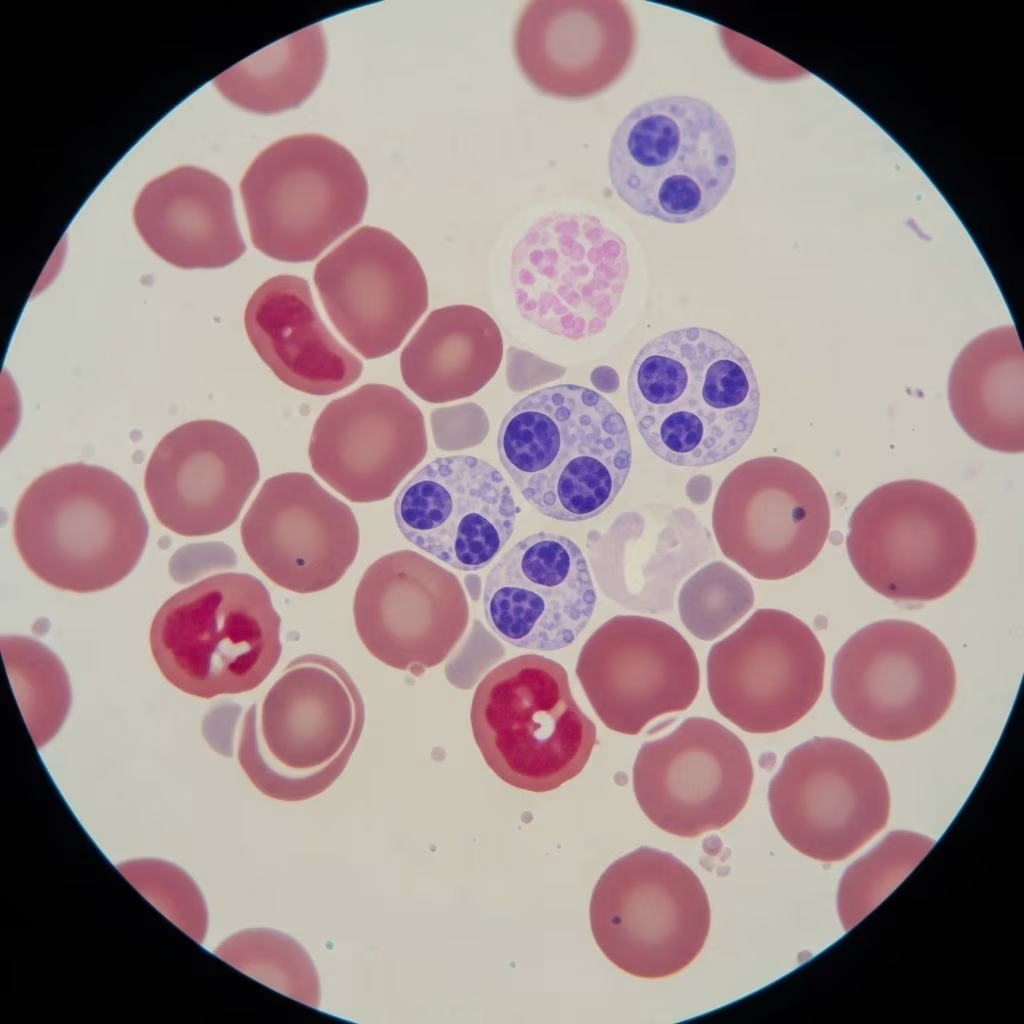
The ability of blood to clot effectively represents one of the most critical physiological processes in maintaining animal health and preventing life-threatening hemorrhage. Hemostasis, the mechanism responsible for controlling blood flow and sealing vascular injuries, depends on the coordinated function of multiple components working in concert. When these mechanisms fail or become compromised, hemostatic disorders develop, leading to either excessive bleeding or inappropriate clot formation. These conditions can originate from genetic mutations present at birth or develop later in life due to environmental factors, infections, or systemic diseases. Understanding the nature, presentation, and management of hemostatic disorders is essential for veterinary professionals tasked with diagnosing and treating bleeding animals.
The Fundamental Mechanics of Blood Clotting
Effective hemostasis requires three essential components working in harmony: an adequate supply of functional platelets, sufficient concentrations of coagulation proteins in the bloodstream, and a blood vessel system that responds appropriately to injury. When any of these elements becomes deficient or dysfunctional, bleeding disorders emerge. The initial response to vascular injury involves platelets gathering at the wound site, forming a temporary plug that stops bleeding. This primary hemostatic response must then be reinforced by the coagulation cascade—a series of biochemical reactions that produce fibrin, a protein that stabilizes the platelet plug and creates a more durable seal.
The coagulation cascade involves numerous clotting factors, each with specific roles in amplifying and sustaining the clotting response. Fibrinolysis, the process responsible for breaking down clots once healing is complete, provides an equally important counterbalance. Dysfunction in any phase of these three coordinated processes—primary hemostasis, secondary hemostasis (coagulation), or fibrinolysis—can result in clinically significant bleeding problems.
Inherited Hemostatic Conditions: Genetic Origins
Inherited hemostatic disorders result from genetic mutations that affect the production or function of hemostatic proteins. These conditions vary dramatically in their severity and clinical presentation. Some animals inherit mutations that cause life-limiting disease, while others carry genetic variants that produce no obvious clinical signs under normal circumstances. The phenotypic expression—the actual disease manifestation—depends on the specific gene affected, the type of mutation, and often environmental or stress-related factors.
Von Willebrand disease represents the most frequently encountered inherited primary hemostatic disorder in domestic dogs, with prevalence extending across more than 50 different breeds. This condition involves deficiency or dysfunction of von Willebrand factor (vWF), a critical protein necessary for platelet adhesion and function. Three distinct variants of the disease exist, each arising from different genetic mutations of the vWF gene. Type 1, the most common form accounting for over 95% of cases, involves a quantitative reduction in functional vWF concentration. Type 2 remains rare in veterinary populations, while Type 3 represents the most severe variant with profound vWF deficiency and substantially elevated hemorrhage risk.
Doberman pinschers show particularly high prevalence of Type 1 von Willebrand disease, though the condition has been documented across numerous other breeds, with each affected breed typically expressing a single predominant variant. Hemophilia A, a deficiency of coagulation factor VIII, ranks as the most common secondary hemostatic disorder affecting dogs, resulting from X-linked recessive inheritance patterns. Other inherited coagulation disorders, though less frequently encountered, include deficiencies in factors II, V, VII, X, and XI.
Acquired Hemostatic Disorders: Environmental and Systemic Causes
Unlike inherited conditions stemming from genetic mutations, acquired hemostatic disorders develop during an animal’s lifetime due to external exposures, underlying diseases, or therapeutic interventions. These conditions represent the most common hemostatic abnormalities encountered in typical veterinary practice settings. The diversity of causes means that thorough patient history and comprehensive diagnostic evaluation become essential for identifying the underlying pathology.
Several major categories of acquired hemostatic disorders warrant clinical attention:
- Immune-mediated thrombocytopenia: Conditions where the immune system attacks and destroys platelets, resulting in insufficient platelet numbers for adequate clotting
- Anticoagulant toxicosis: Poisoning from rodenticides that inhibit vitamin K-dependent coagulation factor synthesis, commonly encountered in animals with access to contaminated environments
- Metabolic diseases affecting hemostasis: Conditions such as liver disease that impair production of essential coagulation factors or vitamin K absorption
- Disseminated intravascular coagulation (DIC): A severe condition involving uncontrolled activation of the coagulation cascade, often secondary to sepsis, severe inflammation, or malignancy
Age represents an important epidemiological factor in acquired hemostatic disorders. While these conditions can occur in animals of any age, older animals experience higher incidence due to accumulated underlying diseases. Medications frequently contribute to hemostatic dysfunction, particularly drugs that interfere with platelet function or coagulation factor synthesis. Estrogen, aspirin, nonsteroidal anti-inflammatory drugs (NSAIDs), heparin, and certain antibiotic classes all pose risks for exacerbating bleeding tendencies.
Clinical Recognition and Diagnostic Approaches
Recognizing hemostatic dysfunction begins with identifying clinical signs consistent with abnormal bleeding. Characteristics suggesting hemostatic compromise include prolonged hemorrhage following routine procedures such as venipuncture or nail clipping, spontaneous bruising (ecchymosis), small pinpoint hemorrhages (petechiae), larger bruised areas (purpura), and accumulation of blood in body cavities or subcutaneous tissues (hematomas). Animals with inherited conditions may present with excessive bleeding during surgical procedures, while others show signs only when subjected to trauma or stress that demands hemostatic function.
For animals with suspected von Willebrand disease, diagnosis requires evaluation of both the concentration and functional activity of von Willebrand factor through specialized laboratory assays. No single test can reliably detect all VWD variants, necessitating multiple diagnostic approaches for definitive diagnosis. Functional and quantitative laboratory evaluation provides the foundation for identifying inherited bleeding disorders. Genetic testing has increasingly become available for confirmation and enables prevention through selective breeding programs designed to eliminate affected bloodlines.
When evaluating animals with acquired hemostatic disorders, clinicians must obtain thorough patient histories documenting potential toxin exposures, medication administration, and travel history. Physical examination should assess all mucosal surfaces and skin for evidence of hemorrhage. Ancillary diagnostic testing including complete blood counts, biochemical panels, and imaging studies helps identify underlying systemic diseases precipitating hemostatic dysfunction.
Management Strategies and Therapeutic Interventions
Management of hemostatic disorders differs substantially based on whether the condition is inherited or acquired. For inherited bleeding disorders, prevention of trauma and injury represents the paramount consideration, as avoiding circumstances requiring hemostatic activation minimizes bleeding risk. Owners of affected animals require comprehensive education regarding activity restrictions, avoidance of medications that interfere with hemostasis, and recognition of situations likely to provoke hemorrhage.
Therapeutic options for controlling bleeding encompass multiple approaches:
- Platelet transfusions: Direct replacement of platelet numbers to restore primary hemostatic capacity
- Fresh frozen plasma: Broad-spectrum replacement providing multiple coagulation factors simultaneously, useful for von Willebrand disease prophylaxis before surgical procedures
- Cryoprecipitate: Targeted replacement of fibrinogen and von Willebrand factor for conditions with specific factor deficiencies
- Antifibrinolytic agents: Medications that slow clot breakdown, helping maintain hemostatic stability
- Specific factor replacement: Targeted therapy addressing particular factor deficiencies when available
- Blood transfusions: Treatment addressing consequences of bleeding rather than the underlying hemostatic defect
Recent advances include the use of desmopressin acetate, which stimulates release of stored von Willebrand factor from endothelial cells, and platelet function analyzers that enable monitoring of treatment response. For acquired disorders, addressing the underlying cause becomes essential—treating liver disease improves coagulation function, removing anticoagulant toxin exposure allows vitamin K-dependent factor resynthesis, and treating infection or inflammation may resolve DIC.
Breed-Specific Considerations and Genetic Counseling
Certain dog breeds demonstrate marked predisposition to specific hemostatic disorders. Doberman pinschers show particularly high prevalence of von Willebrand disease Type 1, while German shepherds have historically exhibited the condition as well. Recognition of breed-specific risks enables targeted screening in breeding populations and allows breeders to make informed decisions regarding genetic management.
Genetic testing technology has revolutionized the approach to inherited hemostatic disorders by enabling identification of affected animals and carriers before clinical signs manifest. This knowledge facilitates implementation of selective breeding programs designed to reduce disease prevalence within breeds. Animals diagnosed with inherited hemostatic conditions should not be used for breeding purposes, and carrier identification in related animals helps prevent continued transmission of affected alleles.
Prognosis and Long-term Care
The prognosis for animals with hemostatic disorders varies considerably based on disease type and severity. Inherited conditions like von Willebrand disease remain incurable, yet many affected animals can achieve normal or near-normal lifespans with appropriate management strategies. Success depends on owner commitment to preventing unnecessary trauma, avoiding medications that exacerbate bleeding, and maintaining regular veterinary surveillance. Animals experiencing life-threatening hemorrhage require immediate stabilization with blood products and treatment of underlying causes.
Certain acquired hemostatic disorders can be completely resolved by addressing their underlying causes. Anticoagulant toxicosis responds well to vitamin K supplementation once the toxin source is removed. Immune-mediated thrombocytopenia may respond to immunosuppressive therapy. Metabolic diseases affecting hemostasis improve with treatment of the primary condition. The key to optimizing outcomes involves thorough diagnostic investigation to identify the specific hemostatic abnormality and underlying cause, enabling targeted therapeutic intervention.
Frequently Asked Questions About Hemostatic Disorders
What are the earliest signs that my animal might have a hemostatic disorder?
The first clinical manifestation may be excessive bleeding following routine procedures such as nail clipping, injections, or surgical procedures. Some animals show spontaneous bruising without obvious trauma, or bleeding from mucous membranes including the nose, mouth, or genitourinary tract.
Is von Willebrand disease treatable?
Von Willebrand disease cannot be cured, but it can be effectively managed through preventive measures and therapeutic interventions when bleeding occurs. Many affected animals live normal lifespans with appropriate care and activity modification.
Can hemostatic disorders be prevented through breeding programs?
Yes, genetic testing enables identification of affected animals and carriers, allowing breeders to exclude these individuals from breeding programs and reduce disease prevalence in subsequent generations.
How are hemostatic disorders diagnosed?
Diagnosis involves laboratory assessment of platelet numbers and function, coagulation factor levels, and sometimes genetic testing. For von Willebrand disease specifically, assays measuring both von Willebrand factor antigen concentration and activity are required.
What medications should animals with hemostatic disorders avoid?
Animals with bleeding disorders should avoid aspirin, nonsteroidal anti-inflammatory drugs, certain antibiotics, and other medications known to interfere with platelet function or coagulation factor synthesis. Always consult with your veterinarian before administering any medications.
Conclusion: Integrated Management Approach
Hemostatic disorders in animals encompass a diverse array of conditions originating from genetic abnormalities or acquired causes. Successful management requires accurate diagnosis distinguishing inherited from acquired disease, identification of underlying causes in acquired conditions, and implementation of appropriate preventive and therapeutic strategies. Veterinary professionals play a crucial role in educating animal owners regarding disease management, activity restrictions, and medication precautions. With modern diagnostic capabilities and evolving therapeutic options, many animals with hemostatic disorders can achieve excellent quality of life through coordinated medical care and owner compliance with management recommendations.
References
- Inherited disorders of hemostasis in dogs and cats — PubMed/National Center for Biotechnology Information. 2023. https://pubmed.ncbi.nlm.nih.gov/23031456/
- Inherited Disorders of Hemostasis in Dogs and Cats — University of Illinois Experts. https://experts.illinois.edu/en/publications/inherited-disorders-of-hemostasis-in-dogs-and-cats/
- A Veterinary Nurse’s Guide to von Willebrand Disease — Today’s Veterinary Nurse. https://todaysveterinarynurse.com/hematology/a-veterinary-nurses-guide-to-von-willebrand-disease/
- Disorders | eClinpath — University of California Davis College of Veterinary Medicine. https://eclinpath.com/hemostasis/disorders/
- Overview of Hemostatic Disorders in Animals — MSD Veterinary Manual. https://www.msdvetmanual.com/circulatory-system/hemostatic-disorders/overview-of-hemostatic-disorders-in-animals
- Overview: Hemostatic Components and Disorders — Veterinary Key. https://veteriankey.com/overview-hemostatic-components-and-disorders/
- Overview of Hemostasis — Schalm’s Veterinary Hematology, Wiley Online Library. https://onlinelibrary.wiley.com/doi/abs/10.1002/9781119500537.ch87



