

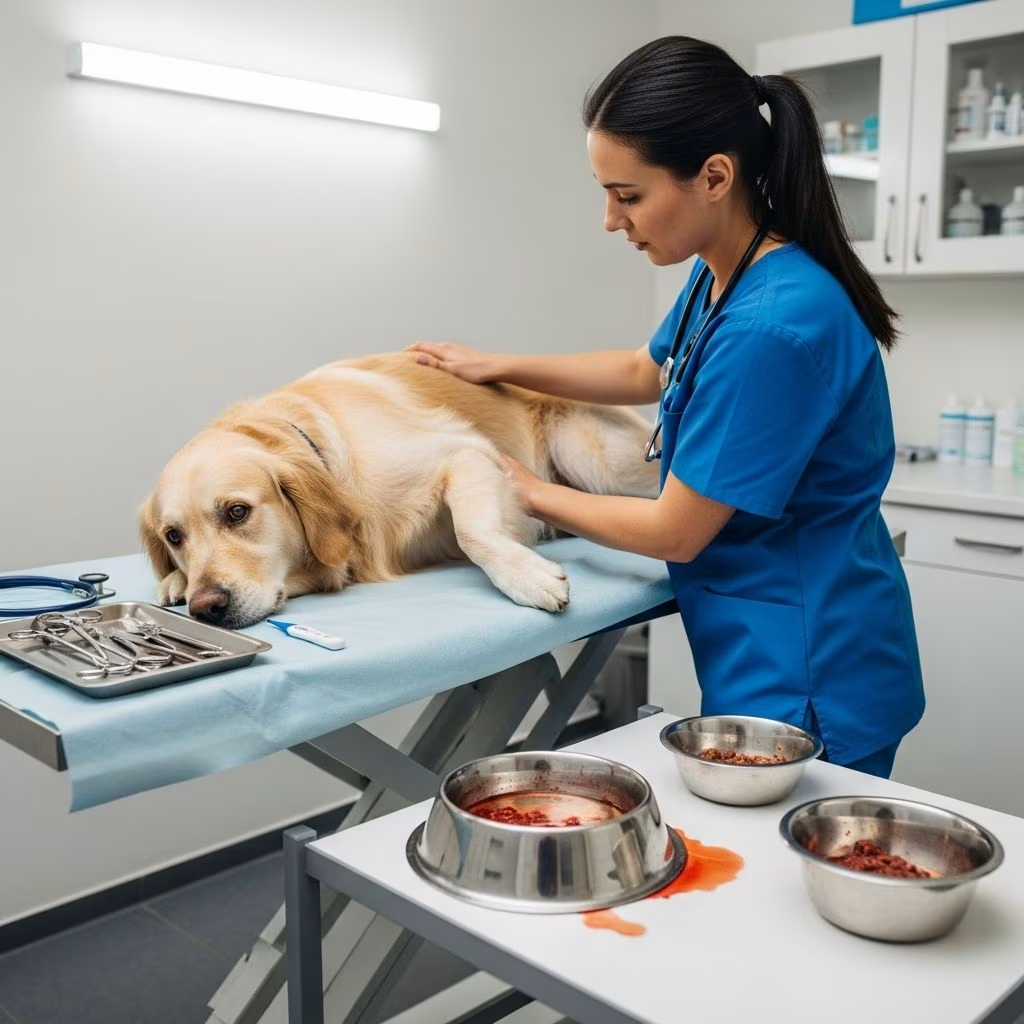
Understanding Hemorrhagic Gastroenteritis in Dogs
Hemorrhagic gastroenteritis (HGE), also known as acute hemorrhagic diarrhea syndrome (AHDS), is a serious and potentially life-threatening condition that affects dogs of all ages and breeds. This acute gastrointestinal disorder is characterized by the sudden onset of severe vomiting and bloody diarrhea, often progressing rapidly from a seemingly healthy state to critical illness within just 12 hours. Understanding this condition, recognizing its symptoms early, and knowing when to seek immediate veterinary care can be the difference between a full recovery and severe complications.
HGE is particularly concerning because of its rapid progression and the risk of severe dehydration and shock if left untreated. The condition appears to occur without warning, and dogs can deteriorate dramatically in a short timeframe. While the exact cause remains unclear in many cases, prompt recognition and aggressive treatment with intravenous fluid therapy provide the foundation for successful recovery.
What Causes Hemorrhagic Gastroenteritis?
The precise etiology of HGE remains unknown, though veterinarians have identified several potential contributing factors. Dietary indiscretion, such as eating spoiled food, fatty table scraps, or consuming non-food items, is frequently implicated as a trigger. Stress, sudden dietary changes, and exposure to infectious agents, including bacteria and viruses, may also play a role in the development of this condition.
Environmental stressors, such as boarding, travel, or changes in routine, have been associated with HGE onset in susceptible dogs. Some research suggests that abnormal gut flora or bacterial overgrowth may contribute to the inflammatory response characteristic of this syndrome. Additionally, certain medications and underlying gastrointestinal sensitivities may predispose some dogs to developing HGE.
Recognizing the Symptoms of HGE
The symptoms of hemorrhagic gastroenteritis develop suddenly and can be alarming for pet owners. Recognizing these signs promptly is crucial for ensuring your dog receives timely veterinary care.
Primary Symptoms
The hallmark signs of HGE include:
Bloody Diarrhea: One of the most distinctive features is the appearance of bright red blood and intestinal lining in the stool, which often resembles strawberry jam or raspberry jam. This bloody diarrhea may be watery or contain mucus.
Vomiting: Dogs with HGE frequently experience vomiting, which may also contain blood. Vomiting typically accompanies the diarrhea and can occur multiple times.
Abdominal Discomfort: Dogs often display signs of severe abdominal pain, including yelping when picked up, growling when their abdomen is touched, or assuming a “prayer position” with their front legs stretched forward on the ground and their hind legs raised upward.
Lethargy and Weakness: Affected dogs typically appear unusually tired and lack their normal energy levels, often remaining quiet and withdrawn.
Loss of Appetite: Most dogs with HGE show significantly reduced interest in food and may refuse meals entirely.
Pale Gums: The mucous membranes, particularly the gums, may appear pale or blanched due to reduced blood circulation resulting from dehydration and fluid loss.
Severity and Progression
In severe cases, dogs may experience fever, signs of shock, collapse, and extreme dehydration. The rapid deterioration distinguishes HGE from other forms of gastroenteritis and necessitates immediate veterinary intervention.
Diagnosis of Hemorrhagic Gastroenteritis
Veterinarians diagnose HGE through a combination of clinical presentation and diagnostic testing. The diagnosis process often involves eliminating other potential causes of bloody stools and gastrointestinal distress.
Diagnostic Procedures
Physical Examination: Your veterinarian will perform a thorough physical examination, assessing your dog’s overall condition, abdominal tenderness, heart rate, and mucous membrane color to evaluate the degree of dehydration and shock.
Blood Tests: Complete blood count (CBC) and blood chemistry panels are essential for diagnosing HGE. These tests reveal hemoconcentration, which is an increase in the concentration of blood cells and proteins due to fluid loss. A packed cell volume (PCV) exceeding 60% is highly suggestive of HGE.
Radiography and Imaging: X-rays and sometimes ultrasound may be performed to rule out other conditions such as foreign body obstruction, pancreatitis, or other structural abnormalities of the gastrointestinal tract.
Fecal Examination: Stool samples may be analyzed to exclude parasitic infections or other infectious agents.
Electrolyte Assessment: Evaluating electrolyte levels helps determine the extent of imbalances caused by fluid loss and guides treatment protocols.
Treatment Protocols for HGE
Dogs with HGE require prompt hospitalization and aggressive supportive care. Treatment focuses on correcting dehydration, restoring electrolyte balance, and providing symptomatic relief. Most dogs with HGE are severely ill and may die if left untreated, making emergency veterinary care essential.
Intravenous Fluid Therapy
Intravenous (IV) fluid therapy forms the cornerstone of HGE treatment. This approach is considered far more effective than subcutaneous fluids for meeting the significant fluid requirements of severely dehydrated dogs. Large volumes of crystalloid fluids containing appropriate electrolyte and potassium supplementation are administered based on the individual dog’s perfusion status, degree of dehydration, and ongoing losses. The IV fluid administration rate is carefully calculated to rehydrate the dog rapidly while avoiding complications. This aggressive fluid therapy is essential to prevent the blood from becoming excessively thick, which could impair circulation and lead to life-threatening complications.
Nutritional Management
During the first 24 hours of treatment, most dogs are not fed to allow the gastrointestinal tract to rest and recover. After the initial 24-hour fasting period, small amounts of easily digestible food are gradually reintroduced. Recommended foods include boiled chicken breast with white rice or specialized gastrointestinal therapeutic diets formulated for digestive recovery. Small, frequent meals throughout the day are preferable to larger single meals.
Medication Management
Anti-Vomiting Medications: Antiemetic medications such as maropitant (Cerenia®) are commonly administered to control nausea and reduce vomiting, which allows the gastrointestinal tract to recover.
Gastrointestinal Protectants: Medications like sucralfate (Carafate®, Sulcrate®) may be prescribed to protect the gastrointestinal lining and promote healing.
Antibiotics: While not always necessary, antibiotics may be administered to combat potential secondary intestinal infections or if the dog shows signs of developing a systemic bacterial infection. However, some veterinarians prefer to minimize antibiotic use due to growing concerns about antibiotic resistance.
Pain Management: Pain medications may be administered to manage abdominal discomfort.
Advanced Therapeutic Options
In severe cases where dogs have marked hypoproteinemia (dangerously low blood protein levels), plasma transfusions or colloid administration may be necessary to restore adequate blood protein levels and improve fluid retention. These intensive treatments are typically reserved for dogs that are not responding adequately to standard fluid therapy or showing signs of severe complications.
Probiotics and Supportive Care
Probiotic supplementation may be recommended for up to a month following recovery to restore normal gut flora and support gastrointestinal health. These beneficial bacteria help reestablish the microbiota disrupted by the acute illness.
Hospital Care and Isolation Protocols
Dogs with HGE typically require hospitalization for several days during the acute phase of illness. Many veterinary hospitals place affected dogs in isolation kennels away from other dogs to help prevent transmission to vulnerable animals, as HGE can be contagious under certain circumstances. During hospitalization, veterinary staff monitor the dog’s PCV and electrolyte levels regularly, adjusting treatment as needed based on the dog’s response to therapy.
Prognosis and Recovery
The prognosis for HGE is generally favorable when appropriate treatment is provided promptly. Most dogs with HGE make a full recovery within a few days to a week of receiving proper veterinary care. The mortality rate in hospitalized dogs with HGE is typically less than 10%, representing a significant improvement compared to untreated cases.
However, serious complications can occur, including marked hypoproteinemia, disseminated intravascular coagulation (DIC), sepsis, hypovolemic shock, and acute kidney injury. These complications are more likely to develop in dogs that do not receive timely or aggressive treatment. Dogs that receive appropriate supportive care generally show dramatic improvement within 24 to 48 hours of hospitalization, with complete recovery typically occurring within a few days.
Frequently Asked Questions About HGE in Dogs
Q: How quickly does HGE develop in dogs?
A: HGE can progress extremely rapidly, with dogs going from healthy to severely ill within just 12 hours. This rapid onset makes early recognition of symptoms critical for successful treatment.
Q: Is HGE contagious between dogs?
A: HGE may be contagious under certain circumstances, which is why hospitalized dogs are often placed in isolation kennels to prevent potential transmission to other vulnerable animals.
Q: Why is IV fluid therapy essential for HGE treatment?
A: IV fluid therapy rapidly restores hydration and electrolyte balance, preventing the blood from becoming too thick and viscous, which could impair circulation and cause life-threatening complications like shock and organ failure.
Q: Can HGE be treated at home?
A: No, HGE requires emergency veterinary hospitalization and IV fluid therapy. Home treatment is insufficient and potentially dangerous, as dogs can deteriorate rapidly and require intensive supportive care.
Q: What is the recovery timeline for dogs with HGE?
A: Most dogs with HGE show improvement within 24 to 48 hours of hospitalization and typically make a full recovery within a few days to a week with appropriate treatment.
Q: Why are dogs fasted during the first 24 hours of HGE treatment?
A: Fasting allows the gastrointestinal tract to rest and recover from the acute inflammation and damage caused by HGE, improving the chances of successful healing.
Q: What should I feed my dog after HGE recovery?
A: After recovery, gradually introduce easily digestible foods such as boiled chicken breast with white rice or specialized gastrointestinal therapeutic diets in small, frequent meals.
When to Contact Your Veterinarian
Contact your veterinarian immediately if your dog shows any signs of HGE, particularly the combination of bloody diarrhea and vomiting. Given the rapid progression of this condition, any delay in seeking treatment can result in severe complications. If you suspect your dog has HGE, do not attempt to manage it at home or wait to see if symptoms resolve on their own. Prompt veterinary intervention significantly improves the likelihood of full recovery and prevents potentially fatal complications.
Even if your dog displays only some of the symptoms listed, trust your instincts. You know your dog best, and any concern warrants a veterinary evaluation. Early detection and treatment of HGE can literally be lifesaving.
Prevention and Risk Reduction
While not all cases of HGE can be prevented, certain measures may help reduce the risk of developing this condition. Avoid sudden dietary changes, which can trigger gastrointestinal upset. Keep your dog away from spoiled food, fatty table scraps, and non-food items that could cause intestinal irritation. Minimize stress by maintaining consistent routines and providing appropriate exercise and mental stimulation. Regular veterinary check-ups help identify and address underlying gastrointestinal sensitivities or conditions that might predispose your dog to HGE.
References
- Acute Hemorrhagic Diarrhea Syndrome in Dogs — Merck Veterinary Manual. 2024. https://www.merckvetmanual.com/digestive-system/diseases-of-the-large-intestine-in-small-animals/acute-hemorrhagic-diarrhea-syndrome-in-dogs
- Haemorrhagic Gastroenteritis (HGE) in Dogs — PDSA. 2024. https://www.pdsa.org.uk/pet-help-and-advice/pet-health-hub/conditions/haemorrhagic-gastroenteritis-hge-in-dogs
- Hemorrhagic Gastroenteritis (HGE) in Dogs: What is It and Why Was it Renamed? — American Kennel Club. 2024. https://www.akc.org/expert-advice/health/hge-in-dogs/
- Hemorrhagic Gastroenteritis (HGE) in Dogs: Symptoms and Treatment — WebMD Pets. 2024. https://www.webmd.com/pets/dogs/what-is-hemorrhagic-gastroenteritis-dogs
- Gastroenteritis in Dogs: Symptoms, Recovery, and More — PetMD. 2024. https://www.petmd.com/dog/conditions/digestive/gastroenteritis-dogs-symptoms-recovery-and-more



