

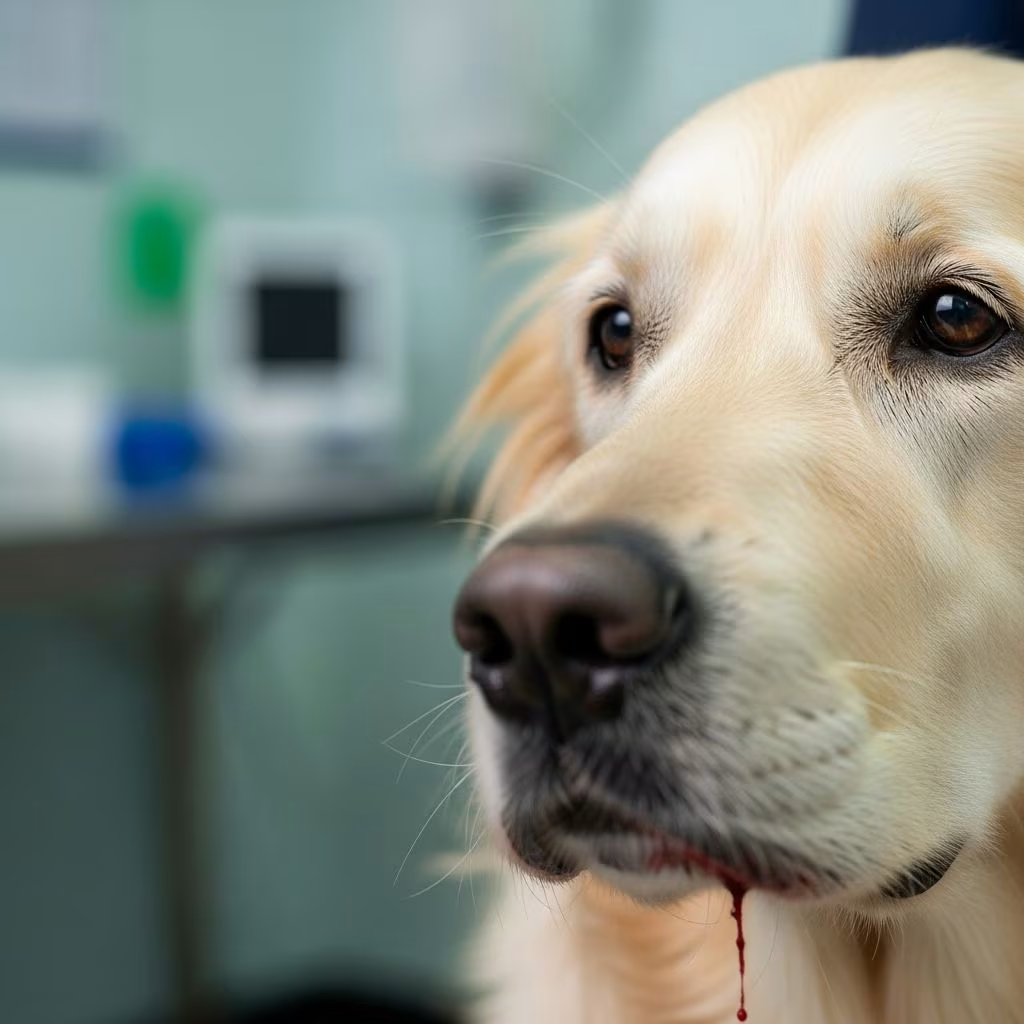
Hemorrhagic gastroenteritis (HGE), also known as acute hemorrhagic diarrhea syndrome (AHDS), is a serious gastrointestinal condition that affects dogs suddenly and can progress rapidly. This condition is characterized by the acute onset of vomiting and bloody diarrhea, which can lead to severe dehydration and systemic complications if not treated promptly. Understanding the signs, causes, and appropriate treatment options is essential for dog owners to ensure their pets receive timely veterinary care.
What is Hemorrhagic Gastroenteritis?
Hemorrhagic gastroenteritis is an acute inflammatory condition affecting the gastrointestinal tract that results in both vomiting and bloody diarrhea. The condition appears suddenly and can cause a dog to deteriorate from seemingly healthy to critically ill within just 12 hours. HGE is also referred to as acute hemorrhagic diarrhea syndrome (AHDS) in veterinary medicine, and the two terms are used interchangeably.
The exact cause of HGE remains somewhat unclear, though several factors may contribute to its development. Potential triggers include dietary indiscretions, stress, bacterial infections, dietary sensitivities, and changes in the gut microbiota. Some dogs may be predisposed to developing this condition due to genetic factors or underlying immune system abnormalities.
Clinical Symptoms and Signs
The symptoms of hemorrhagic gastroenteritis develop rapidly and can be alarming to observe. Recognizing these signs is crucial for seeking immediate veterinary attention. The classic presentation includes:
- Acute onset of bloody diarrhea, often described as resembling raspberry or strawberry jam due to the presence of blood and intestinal lining
- Vomiting, which may also contain blood
- Pale gums indicating reduced blood circulation or anemia
- Severe abdominal pain, manifested by yelping when picked up, growling when the abdomen is touched, or assuming a prayer position with front legs extended and hind legs raised
- Marked lethargy and reduced energy levels
- Decreased appetite or complete loss of interest in food
- Signs of dehydration
- Fever in some cases
- Potential collapse in severe instances
The severity and progression of symptoms can vary significantly among affected dogs. Some dogs experience mild symptoms while others deteriorate rapidly into a critical state. The speed of deterioration is a hallmark feature of this condition, making prompt veterinary intervention absolutely essential.
Diagnosis of Hemorrhagic Gastroenteritis
Diagnosis of HGE is typically based on clinical presentation and laboratory findings rather than a single definitive test. Your veterinarian will begin by taking a thorough history and performing a physical examination to assess your dog’s overall condition and hydration status.
Laboratory Testing
The primary diagnostic indicator for HGE is hemoconcentration, which refers to an abnormally high concentration of red blood cells in the blood due to fluid loss. Blood tests will typically reveal:
- Elevated packed cell volume (PCV), often exceeding 60%
- Abnormal electrolyte levels reflecting dehydration and fluid imbalances
- Evidence of blood loss or internal bleeding
- Potential indications of secondary infections
Imaging and Additional Diagnostics
Your veterinarian may recommend radiographic imaging (X-rays) to rule out other potential causes of bloody diarrhea and vomiting, such as intestinal obstruction, foreign body ingestion, or other gastrointestinal pathology. Abdominal ultrasonography may also be performed in some cases to assess the gastrointestinal tract structure and identify any abnormalities.
Diagnosis is often a process of eliminating other causes of bloody stools and gastrointestinal distress. This differential diagnosis approach helps ensure that the dog receives appropriate treatment for their specific condition.
Treatment Protocols for Hemorrhagic Gastroenteritis
Dogs with AHDS will appear severely ill and, if left untreated, may die. However, in most cases, the disorder appears to run its course in a few days if the dog is given appropriate supportive care. Treatment is primarily focused on stabilizing the dog’s fluid and electrolyte balance while providing supportive care.
Intravenous Fluid Therapy
Intravenous fluid therapy with potassium and electrolyte supplementation provides the foundation of AHDS therapy. This is the cornerstone treatment for HGE. Subcutaneous fluids (fluids given under the skin) are not usually considered adequate to meet the significant fluid requirements of most dogs with AHDS. The veterinarian will determine the appropriate fluid rate and composition based on the dog’s perfusion status, degree of dehydration, and ongoing losses.
Nutritional Management
Most dogs are not fed during the first 24 hours of treatment, allowing the gastrointestinal tract to rest and recover. Once your dog has recovered sufficiently, typically after the initial 24-hour fasting period, your veterinarian will offer small amounts of easy-to-digest food. Foods like boiled chicken breast and white rice or a gastrointestinal-specific veterinary therapeutic diet can help support a return to gut health. Small frequent meals are recommended rather than large portions, allowing the digestive system to gradually resume normal function.
Antimicrobial Therapy
Most dogs are often given antibiotics to combat potential secondary intestinal infection. Parenteral antimicrobials (given by injection rather than orally) may be considered in severe cases, such as when there is concern for sepsis, neutropenia, or marked neutrophilia. However, research has shown that in some cases of AHDS without clinical indices of sepsis, treatment with certain antibiotics may not significantly affect outcomes, suggesting that not all cases involve primary bacterial infection.
Symptomatic and Supportive Treatments
Additional therapy for AHDS may include:
- Anti-vomiting medications, such as maropitant (Cerenia®), to control nausea and prevent further fluid loss
- Gastrointestinal protectants, such as sucralfate (Carafate®, Sulcrate®), to protect the damaged intestinal lining
- Pain medications to manage abdominal discomfort
- Antacid medications to reduce stomach acid production
- Probiotics to restore healthy gut microbiota and improve gastrointestinal function
Severe Cases
In severe cases, plasma (the liquid portion of blood) or colloids may be needed to correct severely low blood protein levels (hypoproteinemia). These advanced interventions are employed when standard fluid therapy alone is insufficient to restore the dog’s critical parameters.
Hospitalization and Monitoring
Most dogs with HGE require hospitalization for several days during acute treatment and recovery. During hospitalization, veterinary staff will:
- Administer intravenous fluids continuously or at frequent intervals
- Monitor vital signs including heart rate, respiratory rate, and blood pressure
- Perform regular laboratory tests to assess hydration status, electrolyte balance, and blood protein levels
- Provide medications as prescribed
- Place dogs in isolation kennels away from other dogs to help prevent the spread of HGE to other vulnerable dogs in the hospital
- Offer supportive care and comfort measures
Prognosis and Recovery
The prognosis for hemorrhagic gastroenteritis is usually good for complete recovery if HGE is managed appropriately and identified in a timely manner. With prompt and aggressive treatment, most dogs recover fully within a few days. However, serious complications can occur, including marked hypoproteinemia, disseminated intravascular coagulation (DIC), sepsis, hypovolemic shock, and death in untreated cases.
The mortality rate can be high if the condition is left untreated, but is less than 10% in hospitalized dogs receiving appropriate care. Some dogs may experience a recurrence of the disorder later in life, though this is relatively uncommon.
Post-Recovery Care
After discharge from the hospital, continue following your veterinarian’s recommendations regarding diet and activity restrictions. Your vet may suggest using GI-supportive probiotics for up to a month after the AHDS has resolved to fully restore healthy intestinal flora. Gradual transition to your dog’s normal diet should occur over several days to weeks, depending on your veterinarian’s guidance.
Prevention Strategies
While the exact cause of HGE remains unclear, certain measures may help reduce the risk of development:
- Maintain consistent, high-quality nutrition
- Avoid sudden dietary changes or table scraps
- Prevent access to potentially contaminated food or water
- Minimize stress and maintain a stable environment
- Ensure regular veterinary checkups and parasite prevention
- Keep your dog up-to-date on vaccinations
Frequently Asked Questions
Q: How quickly does HGE progress in dogs?
A: HGE can progress extremely rapidly, with dogs potentially going from healthy to critically ill within 12 hours. Immediate veterinary attention is essential upon noticing symptoms.
Q: Can HGE be prevented?
A: While the exact cause is unclear, maintaining consistent nutrition, avoiding dietary indiscretions, managing stress, and ensuring regular veterinary care may help reduce risk.
Q: Is HGE contagious between dogs?
A: HGE may be transmissible between dogs, which is why affected dogs are typically isolated during hospitalization to protect other vulnerable animals.
Q: What is the cost of treating HGE?
A: Treatment costs vary based on severity and hospitalization duration, but typically range from several hundred to several thousand dollars for intensive care and monitoring.
Q: Can dogs die from HGE?
A: Yes, untreated HGE can be fatal. However, with prompt veterinary treatment, mortality rates are less than 10% in hospitalized dogs.
Q: How long does recovery typically take?
A: Most dogs recover within a few days with appropriate treatment, though full dietary normalization may take one to two weeks.
References
- Acute Hemorrhagic Diarrhea Syndrome in Dogs — MSD Veterinary Manual. 2024. https://www.msdvetmanual.com/digestive-system/diseases-of-the-large-intestine-in-small-animals/acute-hemorrhagic-diarrhea-syndrome-in-dogs
- Hemorrhagic Gastroenteritis (HGE) in Dogs — VCA Animal Hospitals. 2024. https://vcahospitals.com/know-your-pet/hemorrhagic-gastroenteritis-in-dogs
- Haemorrhagic Gastroenteritis (HGE) in Dogs — PDSA. 2024. https://www.pdsa.org.uk/pet-help-and-advice/pet-health-hub/conditions/haemorrhagic-gastroenteritis-hge-in-dogs
- Hemorrhagic Gastroenteritis (HGE) in Dogs: Symptoms and Treatment — WebMD Pets. 2024. https://www.webmd.com/pets/dogs/what-is-hemorrhagic-gastroenteritis-dogs
- Hemorrhagic Gastroenteritis in Dogs: What is It and Why Was it Named — American Kennel Club. 2024. https://www.akc.org/expert-advice/health/hge-in-dogs



