

Introduction to a Silent Killer in Swine Production
Hemorrhagic bowel syndrome represents one of the most perplexing challenges in modern swine agriculture, striking seemingly healthy animals with devastating suddenness. Unlike diseases that announce themselves through visible clinical signs, this condition often claims pigs’ lives with minimal warning, leaving producers searching for explanations and solutions. The financial impact extends beyond simple mortality figures; the unpredictable nature of HBS creates management uncertainty and undermines confidence in herd health programs. Understanding this disease mechanism is essential for any operation managing rapidly growing pigs, as early recognition of risk factors can substantially reduce economic losses.
Defining the Disease: What Producers Need to Know
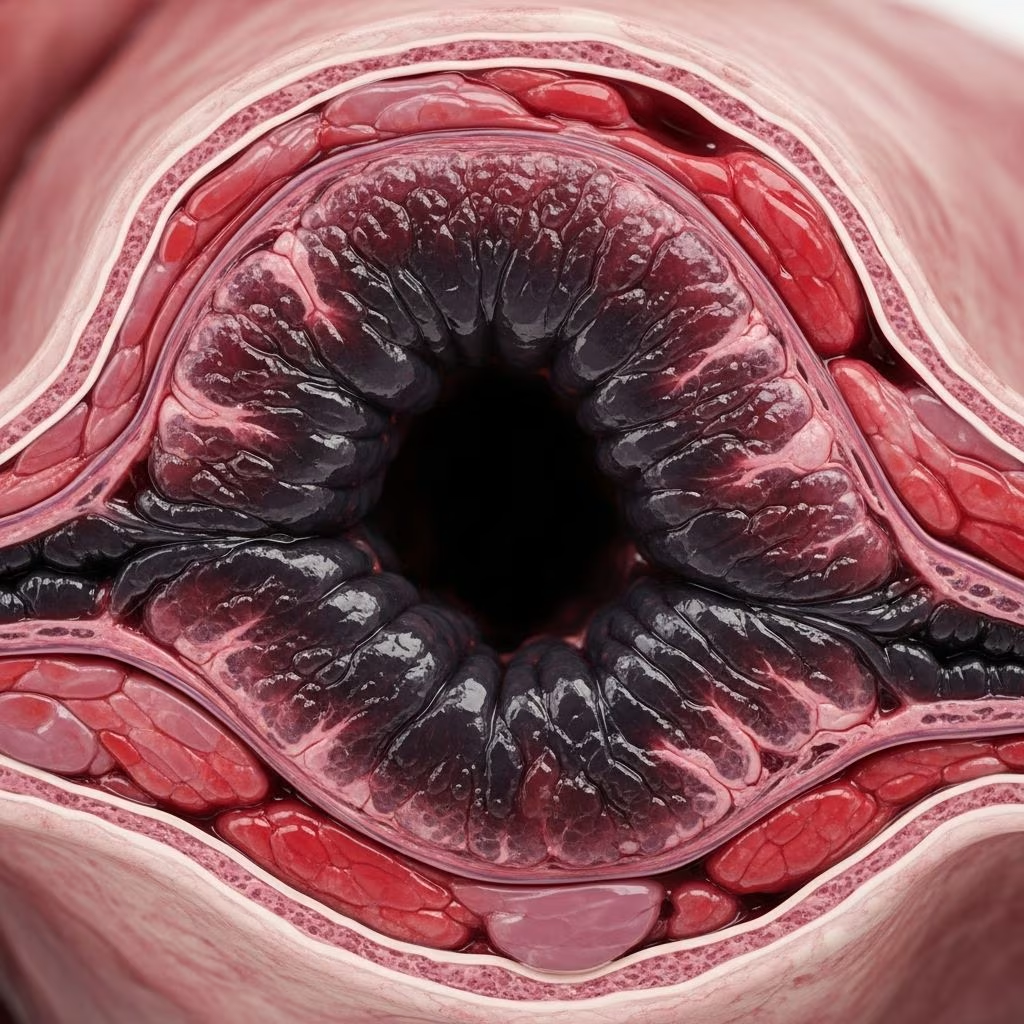
Hemorrhagic bowel syndrome is characterized by sudden death in rapidly growing swine aged 4-6 months, accompanied by severe abdominal distension and intestinal hemorrhage observed at necropsy. The disease presents one of the most dramatic and distressing presentations in veterinary pathology. Upon postmortem examination, affected animals display thin-walled intestines filled with clotted and unclotted blood, while the large intestine contains dark, tarry fecal material. This vivid pathological picture contrasts sharply with the external appearance of pigs found dead, which often appear otherwise healthy and well-developed.
The visual presentation at necropsy can be mistaken for other conditions affecting the intestinal tract. However, trained veterinary pathologists note the absence of characteristic lesions associated with swine dysentery, salmonellosis, proliferative enteropathy, or intestinal spirochetosis. This distinction through elimination forms a critical component of definitive diagnosis, emphasizing the importance of thorough postmortem examination in suspected cases.
The Puzzling Question of Causation
Despite decades of observation and investigation, the precise etiology of hemorrhagic bowel syndrome remains elusive. The cause of the condition is unknown, yet research has identified multiple contributing factors that interact to create conditions favorable for disease development. This multifactorial nature explains why different farms experience outbreaks under seemingly different circumstances, and why blanket solutions rarely prove universally effective.
Current scientific understanding suggests that the pathophysiology may involve partial intestinal torsion or resolved torsion occurring before death. The mechanical obstruction of blood return through the mesenteric veins results in intestinal ischemia and subsequent hemorrhage. However, this mechanism does not fully explain all cases, particularly those occurring without demonstrable torsion at necropsy.
Emerging evidence points toward bacterial overgrowth and toxin production as significant contributors to HBS development. Pathogens including Clostridium perfringens, Escherichia coli, and associated bacterial taxa produce enterotoxins that damage intestinal epithelial integrity. These microbial populations proliferate under specific environmental conditions within the gastrointestinal tract, overwhelming normal flora and triggering pathological cascades that lead to hemorrhagic manifestations.
Risk Factors and Predisposing Conditions
Multiple management and nutritional factors create vulnerability to HBS outbreaks. Understanding these risk elements allows producers to implement targeted preventive strategies:
- Feeding system disruptions: Out-of-feed events and inconsistent nutrient intake create intestinal dysbiosis favorable for pathogenic multiplication.
- Fermentable ration composition: Highly fermentable diets, particularly those incorporating whey or other rapidly digestible carbohydrates, substantially increase incidence rates.
- Liquid feeding systems: Pigs consuming whey-based liquid feed ingest large liquid volumes and readily fermentable substrates, predisposing them to intestinal dysfunction.
- Environmental and physical stressors: Vigorous exercise, handling, fighting, piling, and commingling of animals elevate disease risk through stress-induced physiological changes.
- Antimicrobial administration: Routine prophylactic antimicrobial use can disrupt protective intestinal microbiota and create opportunities for pathogenic colonization.
- Hygiene and feed system sanitation: Contamination of liquid feeding systems with pathogenic bacteria, particularly Enterobacteriaceae, directly introduces disease-causing organisms into the gastrointestinal tract.
Seasonal and Herd Management Patterns
Epidemiological observations reveal that HBS outbreaks display temporal patterns, with higher mortality rates reported during summer months. Elevated ambient temperatures may promote bacterial proliferation both in feed systems and within intestinal environments. Additionally, seasonal feeding practice changes—such as increased use of whey or other byproducts during certain times of year—may contribute to seasonal disease clustering.
Within affected herds, disease manifests sporadically rather than progressing systematically through the population, making predictive modeling challenging. Some operations experience dramatic mortality spikes affecting multiple animals within brief timeframes, while others report scattered deaths over extended periods. This variation underscores the importance of detailed investigation whenever HBS is suspected, as understanding the specific combination of factors affecting each farm enables targeted interventions.
Clinical Recognition and Diagnostic Approach
The devastating aspect of HBS lies in its clinical subtlety. Affected pigs typically display no apparent signs before death; producers discover animals already deceased, often in early morning farm checks. In rare instances when pigs survive long enough for observation, clinical manifestations may include abdominal pain, vocalization, difficulty moving, and pallor, but diarrhea remains uncommon.
This absence of prodromal signs presents a diagnostic challenge, as producers cannot implement immediate intervention when disease is suspected. Definitive diagnosis requires necropsy examination revealing intestinal hemorrhage with histopathological confirmation of transmural bleeding. Laboratory examination can exclude other causes through testing for specific pathogens and histological evaluation for epithelial proliferation characteristic of proliferative enteropathy.
Advanced diagnostic techniques including PCR assay on intestinal contents can definitively rule out Lawsonia intracellularis infection, which causes proliferative enteropathy and may produce grossly similar lesions. This distinction is crucial for appropriate management planning, as different underlying causes require different preventive approaches.
Pathophysiological Consequences of Intestinal Compromise
The rapidly fatal nature of HBS stems from the acute circulatory consequences of intestinal pathology. When intestinal torsion or similar mechanical obstruction occurs, mesenteric veins become compressed, preventing normal venous return from the intestinal vasculature to the heart. This mechanical blockade creates acute hypovolemia as blood pools in intestinal tissues while circulating blood volume decreases. Simultaneously, increased intra-abdominal pressure from intestinal distension and hemorrhage further compromises pulmonary function and cardiac output.
The combination of reduced circulating blood volume, compromised oxygen delivery due to intestinal hypoxia, and mechanical pressure on thoracic organs creates a rapidly progressive shock state. Death typically occurs within hours of disease initiation, frequently before the affected animal exhibits recognizable clinical signs that would prompt intervention. This rapid progression explains why HBS appears to strike without warning and why treatment options remain essentially nonexistent.
Management Strategies and Prevention Framework
Since no effective treatment exists for HBS once symptoms develop, prevention through risk factor modification represents the cornerstone of management. Successful intervention requires comprehensive examination of farm practices and environmental conditions:
Nutritional Management
Dietary modification forms the foundation of HBS prevention. Producers should reduce fermentable substrate intake by minimizing whey incorporation and selecting less readily digestible carbohydrate sources. Meal frequency adjustments and portion size optimization prevent excessive gastrointestinal filling, reducing the likelihood of torsion and associated complications. Feed analysis including pH measurement, microbial contamination screening, and nutrient profiling helps identify dietary factors contributing to intestinal dysbiosis.
Feeding System Integrity
For operations utilizing liquid feeding systems, rigorous sanitation protocols and regular system maintenance prove essential. Feed system components should receive thorough cleaning to prevent bacterial accumulation and biofilm formation. pH monitoring and adjustment through appropriate acidification (such as formic acid treatment) inhibits pathogenic bacterial proliferation while promoting beneficial flora. Out-of-feed periods should be minimized through consistent system operation and monitoring protocols.
Environmental and Social Management
Reducing stress through careful herd management prevents physiological changes that predispose to HBS. Minimizing mixing of animals from different sources, avoiding excessive handling and transport, and preventing overcrowding and fighting opportunities reduces stress-related immune compromise and gastrointestinal dysfunction. Adequate space allowance enables normal behavioral expression and reduces stress-induced conditions.
Antimicrobial Stewardship
Routine prophylactic antimicrobial administration should be critically evaluated for necessity and appropriateness. Unnecessary antimicrobial use disrupts protective microbiota and may exacerbate HBS risk through uncontrolled dysbiosis. Targeted therapeutic antimicrobial use based on documented disease presence or risk remains appropriate, but blanket prophylactic strategies warrant reconsideration in light of HBS evidence.
Pharmaceutical Options in Prevention Context
While no cure exists for clinical HBS, certain feed additives demonstrate preventive efficacy. Bacitracin and chlortetracycline, when incorporated into feed at appropriate concentrations, can reduce HBS incidence in susceptible populations. These agents likely function through stabilization of intestinal microbiota composition, though their mechanism in HBS prevention differs from their traditional antimicrobial applications. Their use should be integrated into comprehensive management plans rather than serving as standalone interventions.
Farm-Specific Investigation and Problem-Solving
When HBS outbreaks occur, systematic investigation of farm-specific factors enables targeted interventions. Herd examination should include detailed assessment of current feeding practices, feed analysis and system sanitation verification, herd health medication protocols, environmental stressors, and recent management changes. This investigative approach identifies the specific combination of factors contributing to outbreak conditions, enabling removal or modification of these precipitating elements.
Case investigations frequently reveal that multiple correctable factors interact to create disease-favorable conditions. In documented outbreaks, simultaneous modification of feed pH, feeding system sanitation, and antimicrobial protocols resulted in substantial mortality reduction, demonstrating that multifactorial interventions prove more effective than single-factor modifications.
Economic Impact and Producer Considerations
The economic consequences of HBS extend beyond direct mortality losses. Affected producers must manage uncertainty regarding herd health, implement investigation and diagnostic costs, modify management and feeding practices with associated expense, and potentially reduce production efficiency through preventive measures. For large commercial operations, sporadic HBS mortality represents a substantial profit margin erosion, particularly in cases where mortality rates increase from baseline 1-2% to 3-4% or higher during outbreak periods.
Investment in prevention through improved feed system management, nutritional assessment, and facility sanitation often yields substantial return through mortality reduction, justifying preventive expenditure on a straightforward economic basis.
Frequently Asked Questions About Hemorrhagic Bowel Syndrome
- Q: Can affected pigs be saved with aggressive treatment?
- A: No. HBS progresses so rapidly that death typically occurs before signs are observed, making treatment impossible in practical farm settings. Prevention remains the only viable approach.
- Q: Is HBS contagious between pigs?
- A: HBS is not contagious in the traditional sense. While bacterial overgrowth may contribute to pathogenesis, the disease itself does not spread from affected to healthy animals. Management and nutritional factors create herd-level risk rather than disease transmission.
- Q: Will all pigs on a farm affected by HBS eventually die?
- A: No. HBS occurs sporadically, and many pigs in affected herds remain healthy. Herd-level mortality increases but does not approach 100%, distinguishing HBS from infectious diseases.
- Q: How quickly should I modify feeding practices if HBS is suspected?
- A: Immediate assessment of feed composition, feeding system sanitation, and fermentable content is warranted. Modifications should be implemented promptly, as ongoing risk factor exposure likely perpetuates disease occurrence.
Conclusion and Producer Recommendations
Hemorrhagic bowel syndrome remains a frustrating challenge in swine agriculture, claiming seemingly healthy animals without warning. While the precise mechanism continues to elude complete understanding, accumulated evidence clearly identifies modifiable risk factors that producers can address. Success in HBS management requires systematic assessment of feeding practices, nutritional composition, feed system sanitation, and herd management protocols, with targeted modification of identified risk factors. Through comprehensive, farm-specific investigation and implementation of evidence-based preventive strategies, producers can substantially reduce HBS-associated mortality and restore predictability to herd health outcomes.
References
- Haemorrhagic bowel syndrome in fattening pigs — National Center for Biotechnology Information. 2018-01-15. https://pmc.ncbi.nlm.nih.gov/articles/PMC5735532/
- Hemorrhagic Bowel Syndrome in Pigs – Digestive System — Merck Veterinary Manual. 2025. https://www.merckvetmanual.com/digestive-system/intestinal-diseases-in-pigs/hemorrhagic-bowel-syndrome-in-pigs
- Intestinal torsion and Hemorrhagic bowel syndrome – Swine Diseases — University of Minnesota. 2023. https://open.lib.umn.edu/swinedisease/chapter/intestinal-torsion-and-hemorrhagic-bowel-syndrome/
- Fighting Back Against Hemorrhagic Bowel Syndrome in Pigs — Ralco Agriculture. 2024-09-19. https://www.ralcoagriculture.com/post/fightingbackagainsthbsinpigs



