
Hematopoietic and Anticoagulant Therapeutics in Veterinary Medicine
Essential guide to blood-modifying drugs and hemostatic agents used in veterinary clinical practice
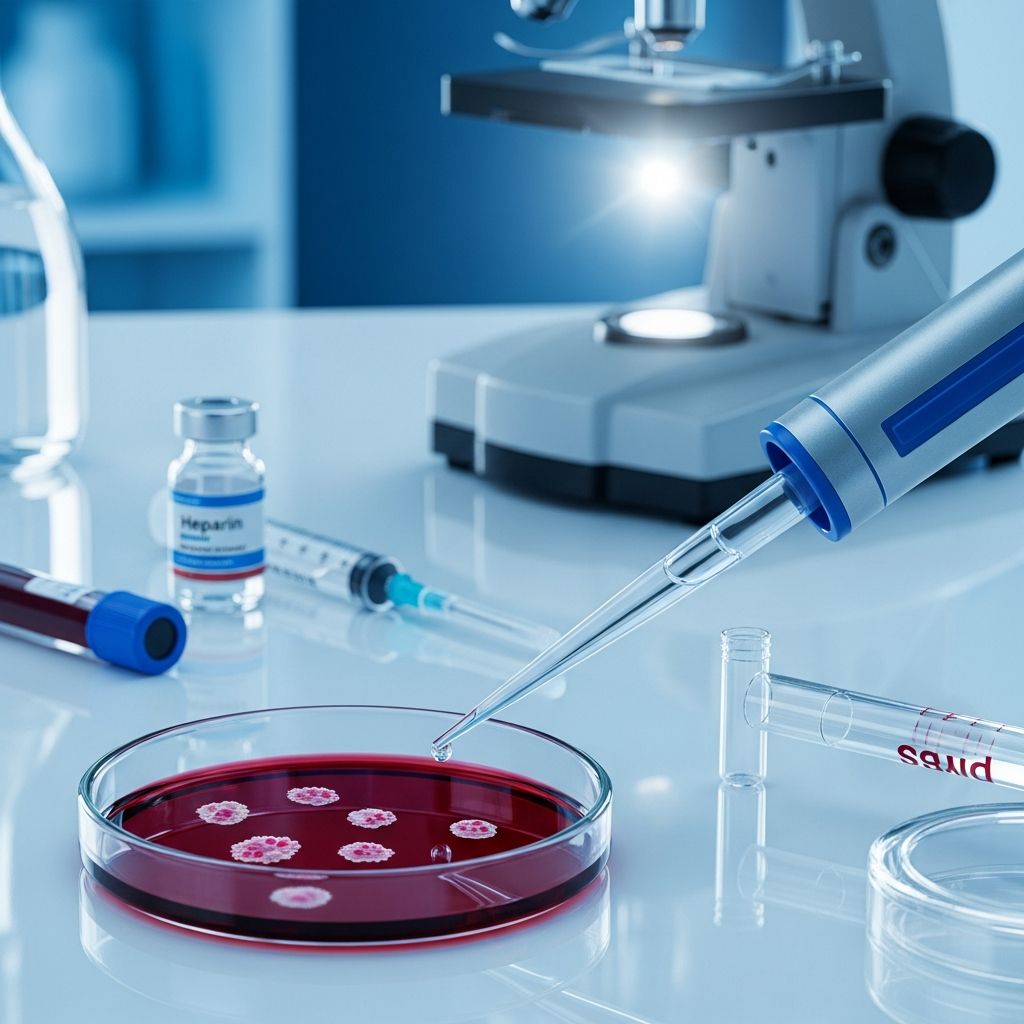
The management of blood disorders in animals requires a comprehensive understanding of pharmacological agents that influence hematopoiesis, coagulation, and hemostasis. Veterinary practitioners rely on a diverse array of medications to address conditions ranging from anemia and thrombocytopenia to thromboembolic disease and hemorrhagic complications. This article explores the major categories of drugs that act on the blood and blood-forming organs, their mechanisms of action, clinical applications, and considerations for effective therapeutic use in animal patients.
Understanding Blood-Acting Pharmaceuticals in Veterinary Practice
Medications that influence blood function and formation represent a critical component of veterinary therapeutics. These drugs work through distinct mechanisms to either stimulate blood cell production, modulate clotting cascades, or prevent pathological thrombosis. The complexity of hematologic disorders necessitates precise drug selection based on the underlying etiology, patient species, and clinical presentation. Proper application of these agents can significantly improve outcomes in animals suffering from life-threatening bleeding disorders or thromboembolic complications.
Agents Promoting Red Blood Cell Production
Erythropoiesis-stimulating agents enhance the production of red blood cells by acting on bone marrow progenitors and promoting hemoglobin synthesis. These medications become particularly valuable in managing chronic anemia associated with renal disease, malignancy, or chronic inflammation. Recombinant erythropoietin and its analogs work by binding to erythropoietin receptors on bone marrow cells, accelerating the maturation and release of red blood cells into circulation. The use of these agents requires careful monitoring of hematocrit levels and hemoglobin concentrations to avoid overproduction and subsequent polycythemia. Additionally, veterinarians must consider the development of antibodies against exogenous erythropoietin, which can limit the long-term efficacy of these compounds.
Iron supplementation often accompanies erythropoiesis-stimulating therapy, as iron serves as an essential cofactor in hemoglobin synthesis. The combination approach addresses both the stimulus for red blood cell production and the substrate necessary for functional hemoglobin formation. Dosing strategies and routes of administration vary depending on the specific agent and the severity of anemia present in the patient.
Anticoagulant Medications: Mechanisms and Applications
Anticoagulants represent a fundamental class of drugs used to prevent unwanted thrombus formation and manage thromboembolic disease. These agents function through multiple mechanisms to inhibit the coagulation cascade at various points, thereby preventing the formation of fibrin clots that can obstruct blood vessels and compromise tissue perfusion.
Warfarin and Vitamin K Antagonists
Warfarin remains one of the most widely employed oral anticoagulants in veterinary medicine, functioning as a vitamin K antagonist. This drug inhibits the hepatic synthesis of vitamin K-dependent clotting factors, including factors II, VII, IX, and X. The onset of anticoagulation occurs gradually over several days as existing clotting factors are depleted. Warfarin proves particularly useful for long-term prevention of thrombosis in animals with conditions predisposing to clot formation, such as severe heart disease or hypercoagulable states. However, the unpredictable absorption and metabolism of warfarin necessitates frequent prothrombin time (PT) monitoring to maintain therapeutic anticoagulation while avoiding hemorrhagic complications. Animals receiving warfarin require regular blood work assessment and dosage adjustments based on coagulation parameters.
Heparin-Based Anticoagulation
Heparin operates through a fundamentally different mechanism than warfarin, exerting its anticoagulant effects by enhancing antithrombin III activity and inhibiting thrombin and Factor Xa. Both unfractionated heparin and low-molecular-weight heparin formulations are available for veterinary use, with distinct pharmacokinetic profiles. Unfractionated heparin demonstrates a shorter duration of action and requires frequent administration, making it suitable for acute anticoagulation in hospitalized patients. Low-molecular-weight heparin preparations offer more predictable pharmacokinetics and longer dosing intervals, facilitating outpatient management of thromboembolic conditions. The immediate onset of heparin activity distinguishes it from warfarin, allowing rapid establishment of anticoagulation in emergency situations. Monitoring of activated partial thromboplastin time (aPTT) helps ensure therapeutic heparin levels and guides dosage adjustments.
Direct Thrombin Inhibitors and Factor Xa Inhibitors
Newer generation anticoagulants have emerged as alternatives to traditional warfarin and heparin-based therapy. Direct thrombin inhibitors and direct Factor Xa inhibitors provide more targeted suppression of specific coagulation factors without requiring routine laboratory monitoring in many clinical scenarios. These agents demonstrate rapid onset of action and more consistent pharmacokinetics compared to vitamin K antagonists. While experience with these newer drugs in veterinary medicine continues to expand, their potential benefits in managing specific thrombotic conditions are becoming increasingly apparent. The decision to employ these agents typically depends on availability, cost considerations, and the specific clinical scenario.
Hemostatic Agents and Prothrombotic Medications
In contrast to anticoagulants, hemostatic agents enhance blood clotting and tissue repair following hemorrhage. These drugs prove invaluable in managing hemorrhagic complications, including trauma, surgery-related bleeding, and inherited coagulation disorders. Understanding when to employ these agents versus anticoagulation requires careful clinical judgment and assessment of the underlying pathology.
Transfusion and Plasma-Based Therapies
Fresh frozen plasma, fresh whole blood, and platelet transfusions provide direct replacement of clotting factors and cellular components of the coagulation system. These therapies prove essential in managing acute hemorrhagic emergencies and in animals with severe coagulation factor deficiencies. The temporary nature of transfused blood products necessitates concurrent identification and treatment of the underlying cause of hemorrhage or coagulopathy.
Vitamin K Administration
Vitamin K administration reverses the anticoagulant effects of warfarin and other vitamin K antagonists by restoring hepatic synthesis of vitamin K-dependent clotting factors. This intervention becomes critical in managing patients with warfarin overdose or toxicity from rodenticide ingestion. The time required for adequate factor synthesis typically spans 12 to 24 hours, necessitating concurrent plasma transfusion in life-threatening hemorrhagic situations. Vitamin K is available in both oral and parenteral formulations, with parenteral administration preferred in acute, severe cases.
Desmopressin and Platelet Aggregation Promoters
Desmopressin enhances hemostasis through multiple mechanisms, including increased release of von Willebrand factor and Factor VIII from endothelial cells, along with enhanced platelet function. This agent finds particular utility in managing von Willebrand disease and certain cases of platelet dysfunction. Desmopressin’s rapid onset and favorable safety profile make it an attractive option for perioperative hemorrhage prevention in at-risk animals.
Platelet-Modulating Medications
Thrombocytopenia—a reduction in circulating platelet numbers—necessitates careful management to prevent spontaneous hemorrhage and bleeding complications. Medications that stimulate platelet production through bone marrow stimulation, such as thrombopoietin receptor agonists, offer potential benefits in managing immune-mediated thrombocytopenia and other causes of reduced platelet counts. These agents promote megakaryocyte development and platelet maturation within bone marrow, gradually increasing peripheral platelet numbers.
Conversely, some clinical situations call for reduction of platelet aggregation and thrombotic potential. Aspirin and other antiplatelet agents inhibit platelet cyclooxygenase, reducing thromboxane synthesis and subsequent platelet activation. These drugs prove useful in managing animals with hypercoagulable states or those recovering from thrombotic events.
Clinical Considerations in Blood-Acting Drug Selection
| Drug Category | Primary Mechanism | Common Indications | Monitoring Parameters |
|---|---|---|---|
| Erythropoiesis Stimulants | Enhance RBC production | Chronic anemia, renal disease | Hematocrit, hemoglobin |
| Vitamin K Antagonists | Inhibit clotting factors | Thrombosis prevention, anticoagulation | Prothrombin time (PT) |
| Heparin | Enhance antithrombin III | Acute thromboembolism, DIC | aPTT levels |
| Hemostatic Agents | Promote clot formation | Hemorrhage, surgical bleeding | Bleeding time, clotting factors |
| Antiplatelet Agents | Reduce platelet aggregation | Thrombotic prevention | Clinical bleeding assessment |
Species-Specific Pharmacokinetics
The metabolism and clearance of blood-acting drugs vary substantially between animal species, necessitating species-appropriate dosing and monitoring protocols. Feline patients, in particular, demonstrate unique sensitivities to certain anticoagulants and may require modified dosing strategies. Equine patients have distinct hematologic responses to erythropoietic agents compared to small animals. Understanding these species differences ensures optimal therapeutic outcomes and minimizes adverse effects.
Drug Interactions and Contraindications
Multiple drug interactions exist among blood-acting agents and other commonly prescribed medications. Concurrent administration of anticoagulants with nonsteroidal anti-inflammatory drugs increases hemorrhage risk substantially. Similarly, combining antiplatelet agents with anticoagulants requires careful patient monitoring and dose adjustment. Veterinary practitioners must maintain comprehensive medication histories and check for potential interactions before initiating new therapies.
Monitoring and Safety in Anticoagulation Therapy
Successful management of patients receiving blood-modifying medications demands consistent laboratory monitoring and clinical observation. Coagulation parameters including PT, aPTT, and bleeding time provide objective assessments of therapeutic effectiveness. Animals on anticoagulant therapy require baseline coagulation studies before treatment initiation, followed by regular reassessment at defined intervals. Clinical signs of hemorrhage, including petechiae, ecchymosis, epistaxis, and hematuria, necessitate immediate dosage adjustment or therapeutic discontinuation.
The therapeutic window for most blood-acting drugs remains narrow, requiring precise dosing to achieve desired effects while avoiding toxicity. Overdosage of anticoagulants precipitates life-threatening hemorrhage, while inadequate dosing fails to prevent thromboembolic complications. Regular communication between veterinary practitioners and animal owners regarding medication adherence, side effect recognition, and the importance of scheduled laboratory monitoring enhances treatment success.
Emerging Therapies and Future Directions
Advancement in veterinary hematology continues to expand the pharmacologic armamentarium available for managing blood disorders. Novel anticoagulants with improved pharmacokinetics and reduced monitoring requirements show promise in veterinary applications. Targeted therapies addressing specific molecular pathways in hemostasis and thrombosis may offer enhanced efficacy and safety profiles compared to conventional agents. As understanding of animal hematophysiology advances, increasingly sophisticated pharmacologic interventions will become available to veterinary practitioners managing complex hematologic conditions.
Frequently Asked Questions
What is the difference between anticoagulants and hemostatic agents?
Anticoagulants prevent clot formation by inhibiting coagulation cascade components, while hemostatic agents promote clotting and stop bleeding. These drugs work in opposite directions and should never be administered concurrently unless specifically indicated for complex clinical scenarios.
How long does anticoagulation take to develop with warfarin therapy?
Warfarin requires 2-5 days to achieve therapeutic anticoagulation as vitamin K-dependent clotting factors become depleted. This delayed onset necessitates concurrent heparin administration in acute thrombotic emergencies requiring immediate anticoagulation.
Which animals are at highest risk for thromboembolism?
Animals with severe cardiac disease, malignancy, hypercoagulable states, and those with atrial fibrillation face elevated thrombosis risk. Immobilization and trauma also increase thromboembolic potential in susceptible patients.
Can animals receive both anticoagulants and antiplatelet agents together?
Combined therapy increases hemorrhage risk substantially and generally should be avoided except in specific clinical scenarios requiring enhanced anticoagulation with close monitoring and dose adjustment.
Conclusion
Pharmacologic management of blood disorders represents a nuanced and essential component of veterinary medicine. The diversity of available agents, each with distinct mechanisms and clinical applications, allows practitioners to tailor therapy to individual patient needs. Success requires comprehensive understanding of drug pharmacology, careful patient selection, rigorous laboratory monitoring, and ongoing clinical assessment. As veterinary hematology continues to advance, practitioners armed with knowledge of blood-acting medications will be better equipped to manage complex hematologic emergencies and chronic coagulation disorders, ultimately improving patient outcomes and survival rates.
References
- Cardiovascular drugs. Their pharmacology and use in horses — PubMed Central (NCBI). 1986. https://pubmed.ncbi.nlm.nih.gov/3555730/
- Principles of Therapy of Cardiovascular Disease in Animals — Merck Veterinary Manual. 2024. https://www.merckvetmanual.com/circulatory-system/cardiovascular-system-introduction/principles-of-therapy-of-cardiovascular-disease-in-animals
- Overview of Systemic Pharmacotherapeutics of the Cardiovascular System in Animals — Merck Veterinary Manual. 2024. https://www.merckvetmanual.com/pharmacology/systemic-pharmacotherapeutics-of-the-cardiovascular-system/overview-of-systemic-pharmacotherapeutics-of-the-cardiovascular-system-in-animals
- Heart Disease – Medications — Tufts University, Foster Hospital for Small Animals. 2024. https://vet.tufts.edu/foster-hospital-small-animals/specialty-services/cardiology/heartsmart/heart-disease-medications
- Beginners guide to cardiac pharmacology — The Veterinary Nurse, MA Global Publications. 2019. https://www.magonlinelibrary.com/doi/abs/10.12968/vetn.2019.10.4.204
Similar Articles








Read full bio of medha deb


