

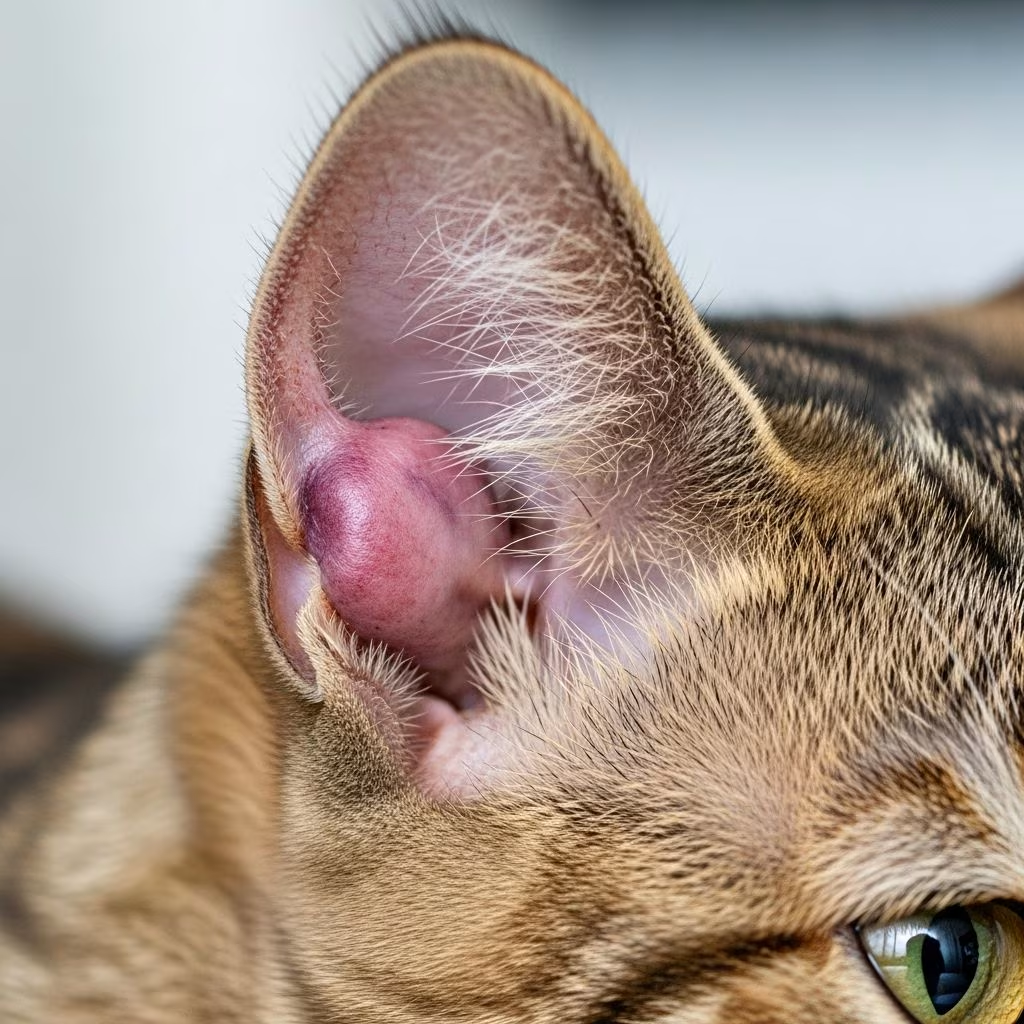
Understanding Aural Hematomas in Cats
An aural hematoma, commonly referred to as an ear hematoma, is a blood-filled swelling that develops within the ear flap, or pinna, of a cat. This condition occurs when small blood vessels within the ear are damaged or ruptured, causing blood to accumulate between the skin layers of the ear. The resulting pocket of fluid creates a noticeable bulge that can range from a few millimeters to covering the entire ear flap. Most cats that develop an aural hematoma have an underlying infection, allergy, or other inflammatory ear condition that causes excessive scratching and head shaking, which ultimately leads to the vessel damage.
While aural hematomas may appear alarming to pet owners, they are a treatable condition when addressed promptly by a veterinary professional. Understanding the causes, recognizing the symptoms, and knowing the available treatment options can help cat owners make informed decisions about their pet’s care and recovery.
What Causes Aural Hematomas in Cats?
The development of an aural hematoma in cats typically involves a chain of events that begins with damage to the blood vessels in the ear flap. The primary mechanism behind this condition is trauma or injury, but the underlying triggers vary significantly.
Primary Causes of Ear Trauma
The most common cause of ear hematomas is excessive head shaking and ear scratching. When cats shake their heads or scratch vigorously, the ear flap experiences repeated trauma that can rupture the delicate blood vessels running through it. This excessive movement is usually triggered by an underlying condition affecting the ears.
Several factors can prompt a cat to shake its head or scratch its ears excessively:
– Ear infections (bacterial or yeast-based)- Ear mites infestation- Skin allergies affecting the ear region- Foreign objects lodged in the ear canal, such as ticks or grass- General skin conditions or dermatitis
Direct Injury and Other Contributing Factors
Beyond excessive scratching and head shaking, cats can develop hematomas through direct physical trauma. This may include scratches or bites sustained from fights with other cats, sharp thorns, or accidental injuries. In some cases, a foreign body may have initiated the initial head shaking but was subsequently dislodged, leaving behind damaged blood vessels.
Additionally, cats with underlying bleeding or clotting disorders may develop aural hematomas with minimal or no history of trauma. These blood disorders compromise the vessel integrity and increase susceptibility to hematoma formation even from minor injuries.
Recognizing the Symptoms of Aural Hematoma
Early recognition of aural hematoma symptoms allows for prompt veterinary intervention and better treatment outcomes. Pet owners should monitor their cats for the following signs:
Physical Symptoms
The most obvious sign of an aural hematoma is a new bump or swelling on the cat’s ear. Hematomas typically appear on the underside of the ear and present as soft, movable, compressible sacs. The affected area may appear red or feel warm to the touch, and the swelling can vary in size from small, barely noticeable lumps to enlargements that involve the entire ear flap. In cases of significant swelling, the ear may droop due to the added weight and volume of the accumulated fluid.
Behavioral Symptoms
Cats experiencing aural hematomas often display behavioral changes related to ear discomfort:
– Frequent head shaking- Persistent scratching at the affected ear- Head tilting toward the affected side- Signs of ear pain or sensitivity when the area is touched- Reluctance to allow ear handling or grooming
Secondary Symptoms
Since aural hematomas are often secondary to underlying ear conditions, cats may display additional symptoms related to those primary issues:
– Ear discharge with an unpleasant odor- Dirty or visibly inflamed ear canals- Swollen, red, or ulcerated ear tissue- General irritability or lethargy related to discomfort
Diagnosing an Aural Hematoma
Veterinary diagnosis of an aural hematoma typically begins with a physical examination and visual observation of the swollen ear. The distinctive appearance of the fluid-filled sac is usually diagnostic on its own. However, veterinarians may perform additional diagnostic tests to identify the underlying cause of the hematoma and rule out serious health conditions.
Diagnostic Tests and Procedures
A complete otologic examination allows the veterinarian to visualize the ear canal, eardrum, and surrounding structures. This examination can reveal the presence of foreign material, abnormal growths, or tears in the eardrum that may have resulted from infection or trauma.
Cytology of the ear canal is often performed to identify the specific organisms causing inflammation. This test looks for bacteria, yeast, or mites that may be driving the excessive scratching and head shaking leading to hematoma formation.
Blood tests may be recommended to rule out underlying metabolic diseases or bleeding disorders that could contribute to hematoma development. These tests are particularly important if the hematoma appeared with minimal trauma or if the cat has a history of bleeding problems.
While fluid testing can provide a confirmed diagnosis of an aural hematoma, it is not always required for treatment planning. In many cases, draining the blood with a needle for analysis may actually worsen the condition, causing the ear to refill with even more fluid.
Treatment Options for Aural Hematomas
Treatment for aural hematomas varies depending on the hematoma’s size, the cat’s overall health, and the underlying cause. A comprehensive treatment approach addresses both the hematoma itself and the underlying condition that prompted its development.
Conservative Management
Small ear hematomas may resolve on their own if the underlying condition, such as an ear infection, is appropriately treated. In these cases, treating the infection with antibiotics, applying topical ear medications, and administering anti-inflammatory and pain medications may be sufficient. However, it is important to note that without medical intervention, most hematomas tend to continue growing as they become increasingly irritating to the cat, causing more aggressive head shaking and scratching that perpetuates the cycle.
Needle Aspiration
If the hematoma is relatively small or the cat cannot be safely anesthetized, a veterinarian may attempt to drain the blood using needle aspiration. This procedure involves using a syringe and needle to withdraw the accumulated blood from the hematoma. While this approach is suitable for some cases, it is generally considered a temporary solution, and the condition frequently reoccurs. Many veterinarians now view this as a less ideal option compared to surgical intervention.
Open Drain Placement
Some veterinarians may place an open drain or cannula in larger hematomas. This device allows any accumulated blood to drain immediately, promoting healing as the cartilage and blood vessels repair themselves. Once the healing process is complete, the drain is removed. This method can be messy, and pet owners should expect their cat to wear an Elizabethan collar and remain confined to a controlled room during the drainage period to prevent contamination and further injury.
Steroid Injection
Another nonsurgical approach involves draining the blood and injecting a steroid into the empty space. While the ear may refill with blood relatively quickly, the steroid can provide long-term anti-inflammatory benefits that may prevent recurrence. This method combines drainage with medication to address inflammation.
Surgical Treatment
Surgery remains the most frequently recommended and preferred treatment for aural hematomas. The surgical approach is considered a permanent solution that significantly reduces the likelihood of recurrence and minimizes scarring compared to other methods. The surgical technique typically involves the following steps:
Step 1: Incision and Drainage The veterinarian makes small surgical incisions at each end of the hematoma to access and drain the accumulated blood. In some cases, the skin over the entire hematoma may be incised and opened.
Step 2: Flap Suturing After removing the blood, the veterinarian uses sutures to close the space and prevent blood or infection from accumulating again. The inner and outer skin of the ear flap are sutured together so that the inner skin is pressed flat against the outer skin, effectively obliterating the space where blood could accumulate in the future.
Step 3: Bandaging and Aftercare The ear is bandaged to provide additional protection and prevent further blood accumulation during the initial healing phase. The cat typically wears an Elizabethan collar to prevent scratching at the surgical site.
Medications for Managing Aural Hematomas
Pharmacological interventions play an important role in managing aural hematomas and addressing their underlying causes. Systemic antibiotics may be necessary if bacterial ear infections are identified through cytology. These antibiotics work to eliminate the infection and reduce inflammation in the ear canal.
Nonsteroidal anti-inflammatory drugs (NSAIDs) such as Meloxicam or Onsior are frequently prescribed to manage pain and decrease inflammation within the ear canal. However, NSAIDs can have serious side effects and should only be used for short periods under veterinary supervision.
In more serious cases, steroid medications may be recommended to decrease inflammation. However, steroids carry well-known side effects in cats, including an increased risk of diabetes, so they should be used as a last resort and with careful monitoring.
Adjunctive Therapies
Cold laser therapy has shown promise in speeding up the healing process following hematoma treatment. This non-invasive therapy can reduce pain and inflammation while promoting tissue repair.
Managing the Underlying Cause
Successful treatment of an aural hematoma requires addressing the underlying condition that caused the excessive scratching and head shaking. Without treating the root cause, the hematoma may recur even after successful surgical or medical management.
If ear mites are identified, antiparasitic treatments will be administered. Bacterial or yeast infections require appropriate antibiotics or antifungal medications. Allergies causing ear inflammation may require dietary modifications, environmental changes, or hypoallergenic treatments. Foreign bodies must be carefully removed from the ear canal.
Recovery and Long-term Care
The recovery timeline for aural hematomas depends on the treatment method employed. Surgical cases typically require 10-14 days for initial healing, with complete healing taking 4-6 weeks. During recovery, cats must wear an Elizabethan collar to prevent scratching and should be confined to a controlled environment to minimize activity and prevent re-injury.
Pet owners should follow all post-treatment instructions from their veterinarian, including medication administration schedules, wound care protocols, and activity restrictions. Regular follow-up appointments allow the veterinarian to monitor healing progress and adjust treatment as needed.
Frequently Asked Questions About Ear Hematomas in Cats
Q: Can an aural hematoma in a cat heal on its own?
A: While very small hematomas may resolve with treatment of the underlying ear condition, most aural hematomas require veterinary intervention. Without treatment, hematomas typically continue to grow and become more problematic as the cat scratches and shakes its head in response to ongoing discomfort.
Q: Is surgery always necessary for treating a cat’s ear hematoma?
A: Surgery is the most frequently recommended treatment and offers the best long-term outcomes, but it may not be necessary in all cases. Small hematomas with effective treatment of the underlying cause may resolve without surgery. However, if the hematoma is large, causing significant discomfort, or if the cat is not a suitable surgical candidate, alternative treatments like needle drainage or steroid injection may be considered.
Q: What is the success rate of surgical treatment for aural hematomas?
A: Surgical treatment has a high success rate and is considered the most permanent solution available. Proper surgical technique combined with appropriate treatment of the underlying cause significantly reduces recurrence rates and provides the best cosmetic outcome with minimal scarring.
Q: How can I prevent my cat from developing an aural hematoma?
A: Prevention focuses on addressing potential causes promptly. Regular ear cleaning, prompt treatment of ear infections, flea and mite prevention, and management of skin allergies can all help reduce the likelihood of excessive ear scratching and head shaking that leads to hematoma formation. Regular veterinary check-ups allow early detection and treatment of ear problems.
Q: Are certain cat breeds more prone to aural hematomas?
A: Aural hematomas can affect cats of any breed, though cats with ear diseases or chronic allergies may be at higher risk. The condition is more related to underlying ear problems than to breed predisposition.
References
- Cat Ear Hematoma — PetMD. 2024. https://www.petmd.com/cat/conditions/ears/c_ct_cat_ear_hematoma
- Aural Hematoma — Cornell University College of Veterinary Medicine. 2024. https://www.vet.cornell.edu/departments-centers-and-institutes/cornell-feline-health-center/health-information/feline-health-topics/aural-hematoma
- Hematoma of the Ear in Cats — VCA Animal Hospitals. 2024. https://vcahospitals.com/know-your-pet/hematoma-of-the-ear-in-cats
- Aural Haematoma (swollen ear flap) in cats — PDSA. 2024. https://www.pdsa.org.uk/pet-help-and-advice/pet-health-hub/conditions/aural-haematoma-in-cats
- Aural Hematomas in Cats — Banning Veterinary Hospital. 2024. https://www.banningvet.com/site/blog/2024/02/15/aural-hematoma-cats



