

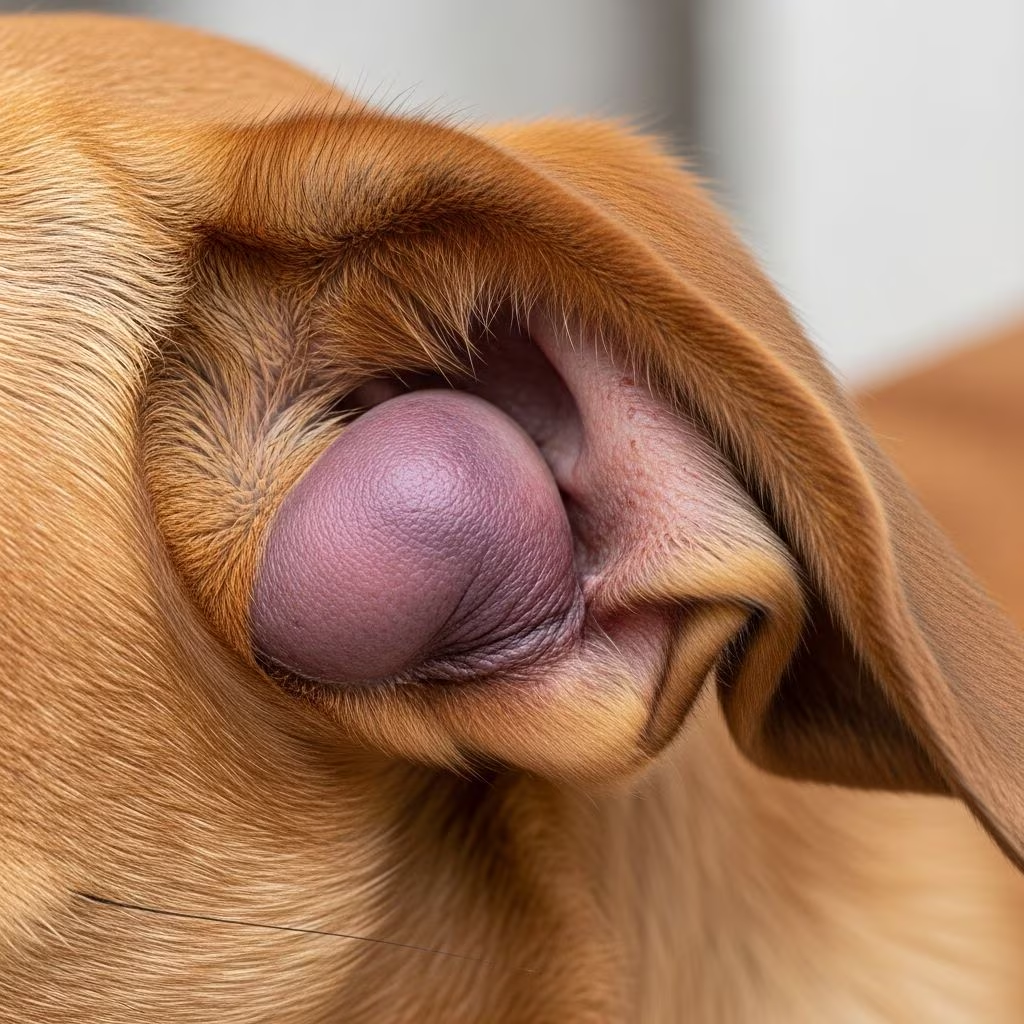
Understanding Ear Hematomas in Dogs
An ear hematoma, medically known as an aural hematoma, is a collection of blood that accumulates between the skin and cartilage of a dog’s ear flap. This condition occurs when small blood vessels rupture and bleed into the space between these tissues, causing the ear to become swollen, thick, and spongy in appearance. When a hematoma is present, the pinna (the visible part of the ear) will appear noticeably thickened with a soft or spongy texture. The swelling may involve the entire pinna or only affect a specific area of the ear, depending on the severity and location of the ruptured blood vessels.
This condition is relatively common in dogs and can range from mild to severe. Without proper treatment, ear hematomas can lead to significant complications, including permanent ear deformity, chronic pain, and difficulty treating underlying ear conditions. Understanding the causes, symptoms, and treatment options is essential for any dog owner whose pet may be at risk.
What Causes Ear Hematomas in Dogs?
Most dogs that develop an aural hematoma have an underlying condition that causes excessive scratching and head shaking. These repetitive motions cause small blood vessels in the ear flap to rupture, leading to bleeding into the tissue. The most common underlying causes include:
Ear Infections and Allergies
Ear infections are among the leading causes of ear hematomas in dogs. Both bacterial and yeast infections cause intense inflammation, itching, and head shaking, which increases the risk of hematomas developing. Additionally, allergic reactions to food, environmental irritants, or pollen can lead to chronic ear irritation and excessive scratching, making hematomas more likely to occur.
Physical Trauma and Injuries
Direct trauma to the ear, such as bite wounds from dog fights, rough play, or accidents, can cause blood vessels to rupture immediately. Even minor injuries can lead to hematoma formation if they damage the delicate blood vessels within the ear flap.
Foreign Objects and Parasites
In some cases, a piece of foreign material may become lodged in the ear canal, such as grass seeds, dirt, a tick, or other debris. These foreign bodies cause persistent irritation, prompting dogs to scratch aggressively. It is also possible that a foreign body initially triggered the excessive head shaking and scratching but was later dislodged, yet the hematoma continues to develop.
Underlying Medical Conditions
Dogs with bleeding or clotting disorders may develop aural hematomas with or without a history of trauma. These coagulation disorders or immune-related diseases can make dogs prone to spontaneous hematomas, where blood vessels rupture more easily than in healthy dogs.
Breed Predisposition
Dogs with floppy ears, such as Cocker Spaniels, Basset Hounds, and other breeds with pendulous ear flaps, are particularly prone to developing hematomas. Their ear structure causes the ear flaps to slap against their heads more forcefully when shaking, increasing the likelihood of blood vessel rupture.
Clinical Signs and Symptoms
Recognizing the signs of an ear hematoma is crucial for early intervention. Common symptoms include:
- Visible swelling: A soft bulge or enlargement of the ear flap, which may appear suddenly or develop gradually
- Sensitivity and pain: The affected ear becomes tender to the touch, and dogs may vocalize or react negatively when the area is manipulated
- Visible discoloration: Redness or bruising on the ear surface, indicating bleeding beneath the skin
- Thickened appearance: The ear flap becomes noticeably thicker and spongy compared to the unaffected ear
- Behavioral changes: Dogs may shake their heads more frequently, tilt their head to one side, or avoid having their ears touched
- Drainage: In some cases, fluid or blood may drain from the affected ear
The severity of symptoms can vary depending on the size of the hematoma and how recently it developed. Small hematomas may cause minimal discomfort, while larger ones can be quite painful and significantly impact a dog’s quality of life.
Diagnosis of Ear Hematomas
Diagnosis of an ear hematoma is typically straightforward and based on physical examination. Your veterinarian will visually inspect the ear and feel the swelling to confirm the diagnosis. The characteristic appearance of a thickened, spongy ear flap is usually sufficient for diagnosis.
Your veterinarian may also perform additional tests to identify any underlying causes, such as:
- Otoscopic examination: Using a specialized instrument to look inside the ear canal and check for infections, parasites, or foreign bodies
- Cytology samples: Taking samples from the ear canal to identify bacteria, yeast, or parasites under a microscope
- Culture and sensitivity testing: Determining which specific organisms are causing infection and which antibiotics or antifungal treatments will be most effective
- Allergy testing: If allergies are suspected as the underlying cause
- Blood work: In cases where a bleeding or clotting disorder is suspected
Treatment Options for Ear Hematomas
Treatment for ear hematomas depends on several factors, including the size of the hematoma, its severity, the underlying cause, your dog’s age and overall health status, and how long the condition has been present. Multiple treatment options are available, ranging from conservative medical management to surgical intervention.
Conservative Medical Management
Needle Aspiration and Steroid Injection: In some cases, your veterinarian can drain an ear hematoma using a needle aspiration technique. This relatively simple and inexpensive procedure involves inserting a thin needle into the hematoma to withdraw the accumulated fluid. A steroid may be injected into the pocket following drainage to reduce inflammation and prevent re-accumulation of blood. Oral steroids are often recommended as well to manage inflammation. However, this treatment method often requires repeated visits, as the hematoma frequently refills. The process may need to be repeated multiple times over several weeks or months.
Oral Steroid Therapy: Some smaller hematomas may be treated with oral steroids alone, depending on their size and location. While this approach is less invasive, it typically takes longer to achieve results compared to surgical treatment.
Cannulization
For larger hematomas, particularly in larger breed dogs with appropriately sized ears, your veterinarian may recommend cannulization. This involves inserting a small drain or tube into the hematoma to allow continuous drainage of blood and fluid as the ear heals. This approach can be more effective than simple needle aspiration for preventing re-accumulation, though it requires the dog to tolerate the drain and may need periodic monitoring.
Surgical Treatment
Surgery is considered the most effective treatment option for moderate to severe hematomas, particularly those that are large, persistent, or likely to recur. Surgical intervention offers significant advantages over non-surgical methods:
- Thorough drainage: Complete removal of blood and clots from the hematoma pocket
- Prevents re-accumulation: Suturing techniques keep the skin closely apposed to the cartilage, preventing fluid from re-collecting
- Maintains ear shape: Proper suturing helps preserve the natural structure and appearance of the ear
- Reduces recurrence: Significantly lower rates of hematoma recurrence compared to non-surgical methods
- Better long-term outcomes: Higher success rates in preventing permanent ear deformity
Surgical procedures typically involve making an incision, draining the accumulated blood, removing any clots, carefully suturing the skin back to the cartilage to eliminate the space where blood could re-accumulate, and finally applying a protective bandage to support the ear during healing. The procedure requires general anesthesia and is usually performed as an outpatient procedure, though your dog may need to stay overnight for monitoring.
After surgery, your veterinarian may recommend protective measures such as an Elizabethan collar (E-collar) or an ear flap wrap to restrict your dog’s access to the surgical site and prevent disruption of the healing process.
Addressing Underlying Causes
Regardless of which treatment method is chosen for the hematoma itself, it is essential to identify and treat any underlying cause. If an underlying cause is found, such as an infection, allergy, or foreign body, it will be treated once the hematoma has been addressed. This might include:
- Antibiotic ear drops or systemic antibiotics: To treat bacterial infections
- Antifungal medications: For yeast infections
- Parasite treatment: To eliminate ear mites, fleas, or ticks
- Anti-inflammatory medications: To reduce inflammation and itching
- Allergy management: Including dietary changes, antihistamines, or immunotherapy for allergic dogs
- Foreign body removal: Careful extraction of any lodged debris
Treating the underlying cause is critical to preventing hematoma recurrence. Without addressing the root problem, many dogs will develop additional hematomas in the future.
Potential Complications of Untreated Hematomas
While ear hematomas can theoretically be slowly reabsorbed by a dog’s body over time, leaving them untreated can result in serious complications. Untreated hematomas are particularly painful and can lead to:
- Permanent ear deformity: Chronic inflammation from the hematoma causes significant scar tissue formation, resulting in a permanently distorted, cauliflower-shaped ear. This damage is often irreversible
- Ear canal blockage: Severe swelling can block access to the ear canal, preventing treatment of underlying infections and other ear conditions
- Chronic pain: The hematoma remains painful, affecting your dog’s quality of life
- Recurrent hematomas: The swelling may refill at any time if left untreated, perpetuating the cycle of pain and complications
- Secondary infection: Open or improperly treated hematomas can become infected, leading to more serious health concerns
Recovery and Aftercare
Recovery time and aftercare requirements depend on the treatment method chosen. Dogs treated with needle aspiration and steroid injection will need multiple follow-up visits to your veterinarian for reassessment and potential repeat drainage. Those undergoing surgery typically recover within two to four weeks, though complete healing may take longer.
During recovery, proper care is essential to promote healing and prevent complications:
- Prevent head shaking: Use an E-collar if recommended to prevent your dog from touching or scratching the affected ear
- Keep the area clean: Follow your veterinarian’s instructions regarding wound care and cleaning
- Administer medications: Give all prescribed antibiotics, anti-inflammatory medications, and other treatments as directed
- Limit activity: Restrict vigorous exercise and rough play during the healing period
- Monitor for complications: Watch for signs of infection, excessive swelling, or drainage, and contact your veterinarian if concerns arise
Prevention Strategies
While not all ear hematomas can be prevented, reducing risk factors can help minimize the likelihood of their development:
- Regular ear checks: Inspect your dog’s ears regularly for signs of infection, parasites, or foreign bodies
- Prompt treatment of ear infections: Address any signs of infection immediately to prevent excessive head shaking and scratching
- Allergy management: Work with your veterinarian to identify and manage allergies that may cause ear irritation
- Parasite prevention: Keep your dog on appropriate flea, tick, and mite prevention products
- Ear cleaning: Follow your veterinarian’s recommendations for regular ear cleaning, particularly for dogs with floppy ears
- Careful handling: Avoid rough play or activities that could cause trauma to your dog’s ears
Frequently Asked Questions
Q: Can an ear hematoma heal on its own without treatment?
A: While ear hematomas can theoretically be slowly reabsorbed by the body, this rarely happens effectively. Without treatment, permanent ear deformity and chronic pain are likely to result. Prompt treatment provides much better outcomes.
Q: How long does it take for an ear hematoma to heal?
A: This depends on the treatment method. Non-surgical treatments may take several weeks to months, often requiring multiple visits. Surgical treatment typically results in healing within two to four weeks, with complete resolution in four to six weeks.
Q: Will my dog’s ear return to normal after treatment?
A: If treated promptly with surgery, the ear usually returns to near-normal appearance. Early intervention prevents scarring and permanent deformity. However, if left untreated or treated late, permanent cauliflower ear may develop.
Q: What is the success rate of surgical treatment?
A: Surgical treatment has a high success rate in preventing recurrence, typically greater than 90% when combined with treatment of the underlying cause. Non-surgical methods have lower success rates and higher recurrence rates.
Q: Can ear hematomas come back after treatment?
A: Yes, recurrence is possible if the underlying cause (such as an ear infection or allergy) is not properly treated. This is why addressing the root problem is essential to long-term success.
Q: Is surgery necessary, or can medication alone treat the hematoma?
A: This depends on the size and severity of the hematoma. Small hematomas may respond to medical management, but larger or persistent hematomas typically require surgery for optimal outcomes and prevention of recurrence.
Q: What should I do if I notice swelling in my dog’s ear?
A: Contact your veterinarian promptly. Early diagnosis and treatment lead to better outcomes. Your veterinarian can determine the cause and recommend the most appropriate treatment plan for your dog’s specific situation.
References
- Aural Hematoma — American College of Veterinary Surgeons (ACVS). Accessed 2025-11-28. https://www.acvs.org/small-animal/aural-hematoma/
- Hematoma of the Ear in Dogs — VCA Animal Hospitals. Accessed 2025-11-28. https://vcahospitals.com/know-your-pet/hematoma-of-the-ear-in-dogs
- Ear Hematoma in Dogs: Signs, Symptoms, and Treatments — American Kennel Club (AKC). Accessed 2025-11-28. https://www.akc.org/expert-advice/health/ear-hematoma-in-dogs/
- Understanding Ear Hematomas in Dogs: Expert Insights — Providence Vet Virginia. Accessed 2025-11-28. https://providencevetva.com/understanding-ear-hematomas-in-dogs-expert-insights/
- Ear Hematoma in Dogs: Why Immediate Care Is Critical — Grayson Veterinary Surgery Specialists (GSVS). Accessed 2025-11-28. https://gsvs.org/blog/ear-hematoma-dogs-immediate-care/



