

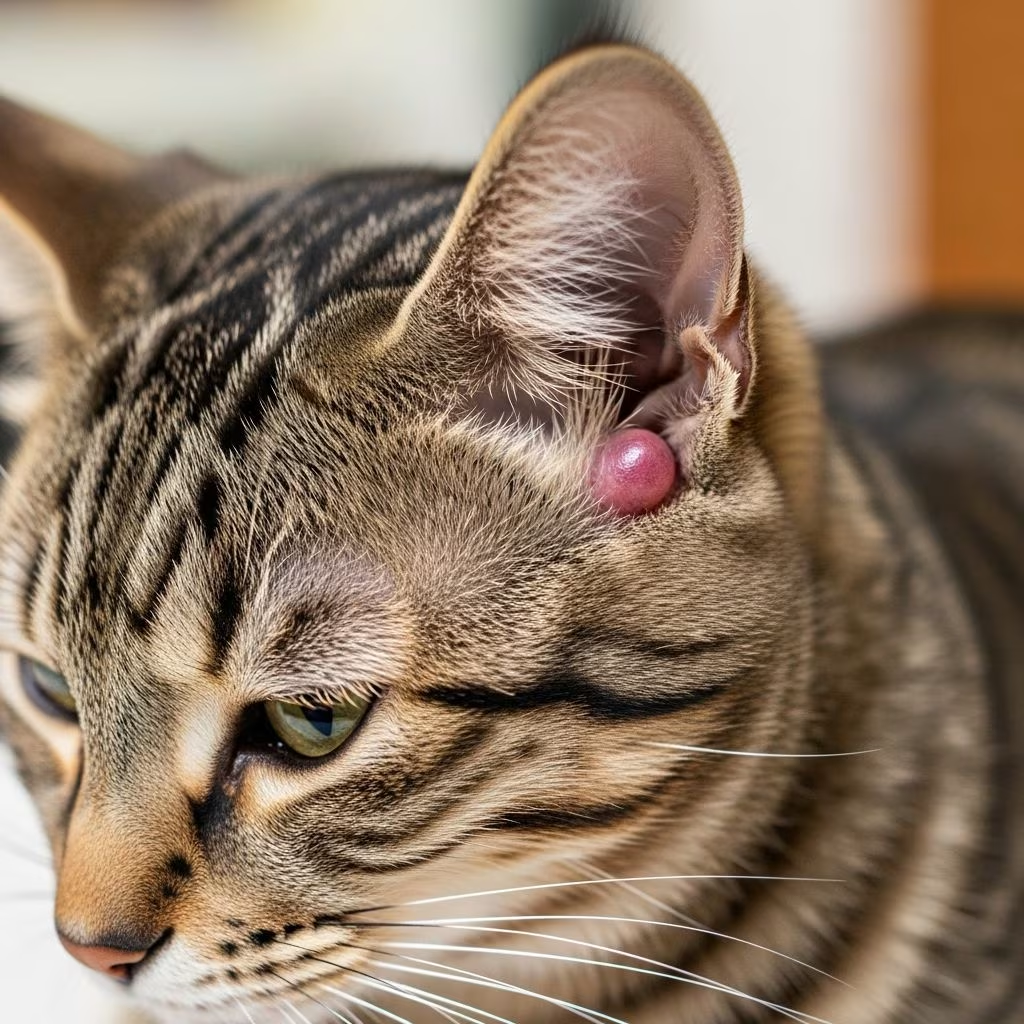
Understanding Hematoma of the Ear in Cats
An aural hematoma, commonly referred to as a hematoma of the ear, is a condition in which blood or blood-tinged fluid collects between the skin and cartilage of the ear flap, known as the pinna. This collection of fluid creates a thick, spongy appearance and can range from a small pocket measuring just a few millimeters to an enlargement involving the entire ear flap. When a hematoma is present, the pinna will appear very thick and spongy, and the swelling may involve the entire pinna or it may involve only one area of the ear. Most commonly, hematomas appear on the underside of the ear and are typically soft, movable, and compressible, often appearing red or feeling painful to the touch.
What Causes Ear Hematomas in Cats?
The development of an aural hematoma is almost always associated with trauma or injury to the small blood vessels located within the ear flap. When these delicate vessels are damaged, they rupture and leak blood internally, creating the characteristic fluid-filled pocket. The primary mechanism behind this trauma is excessive head shaking and ear scratching, which cats engage in when experiencing discomfort or irritation in their ears.
Common Underlying Causes
Most cats that develop an aural hematoma have an infection, allergy, or other inflammatory ear condition that causes excessive scratching and head shaking. Understanding these underlying causes is essential for comprehensive treatment:
– Ear Infections: External ear infections, known as otitis externa, are the most frequent cause of ear hematomas in cats. These infections typically involve a mixture of bacteria and yeast, though allergic components may also be present.- Ear Mites: Parasitic ear mites cause significant irritation and itching, leading cats to scratch their ears vigorously, which can cause blood vessels to rupture.- Skin Allergies: Allergic reactions, whether environmental or food-related, can cause ear inflammation and itching that prompts excessive head shaking and scratching.- Foreign Objects: A piece of foreign material lodged in the ear canal, such as a tick, piece of grass, or debris, can irritate the ear canal and trigger the head shaking and scratching behavior that leads to hematoma formation.- Direct Trauma: Scratches or bites from fights with other cats, sharp thorns, or other direct injuries can directly damage blood vessels in the ear.- Bleeding Disorders: Cats with bleeding or clotting disorders may develop an aural hematoma with or without a history of trauma, as their blood vessels are more prone to rupture.
Recognizing the Symptoms
Identifying the signs of an ear hematoma is important for early intervention. Cats with ear hematomas display a variety of clinical symptoms that alert owners to potential problems:
– Head Shaking: Persistent and often vigorous head shaking is frequently observed as the cat attempts to relieve ear discomfort.- Scratching at the Ears: Cats may scratch excessively at the affected ear or ears, sometimes causing additional trauma.- Head Tilt: A noticeable tilt of the head toward the affected side is common.- Ear Pain: The affected ear is sensitive and painful to the touch.- Ear Discharge and Odor: Discharge from the ear canal and an unpleasant smell may be present, particularly if an infection is contributing to the hematoma.- Dirty and Inflamed Ear Canals: The ear canal itself may appear dirty, red, and inflamed upon examination.- Swollen, Red, and Ulcerated Pinna: The ear flap itself appears visibly swollen and may show signs of redness or ulceration.
The physical appearance of the hematoma itself is quite distinctive. The swelling is soft, movable, and compressible, distinguishing it from solid tumors. Most frequently, only one ear is affected, though in some cases, both ears may be involved.
Diagnostic Procedures
While a visual examination often suggests the presence of an ear hematoma, veterinarians may perform additional diagnostic tests to confirm the diagnosis and identify underlying causes:
Fluid Testing and Cytology
Although fluid testing is recommended for a confirmed diagnosis of ear hematoma, it is important to note that it is not required for treatment in all cases. In fact, in some cases, draining the blood with a needle may make the condition worse and the ear will fill with even more fluid. Cytology of the ear canals is performed to look for yeast, mites, or bacteria, since most hematomas are secondary to ear infection.
Otologic Examination
A complete otic (ear) exam will rule out foreign material or growths in the ear canal and visualize the ear drums for any tears or damage that may have occurred.
Blood Tests
Blood tests are conducted to rule out any underlying metabolic diseases or bleeding disorders that may predispose a cat to hematoma formation.
Treatment Options for Ear Hematomas
Treatment approaches for feline ear hematomas range from conservative management to surgical intervention, depending on the size of the hematoma, the cat’s overall health, and the underlying cause.
Conservative Management
Many small ear hematomas may resolve on their own if the underlying condition, like an ear infection, is appropriately treated. Often, treatment of the infection, anti-inflammatories, and pain medications are all that is needed to treat a cat’s ear hematoma. However, it is uncommon for ear hematomas to resolve on their own without medical intervention. Most often, a small hematoma will continue to grow as it becomes more irritating to the cat, causing additional and more aggressive head shaking and scratching.
Needle Aspiration
For small hematomas or cats that cannot safely undergo anesthesia, a veterinarian may attempt to drain the hematoma using needle aspiration. This procedure involves using a syringe and needle to withdraw the accumulated blood and clots. However, this is typically only a temporary solution, and the hematoma frequently returns even with proper aftercare.
Drain Placement
Some veterinarians may place an open drain, or cannula, in larger hematomas. This allows for any blood to immediately drain as it accumulates. Eventually, the cartilage and vessels repair themselves, and the drain is removed. As one can imagine, this method is messy, and pet parents should expect their pet to wear an e-collar and be confined to a room to prevent further trauma.
Steroid Injection
Another nonsurgical option is to drain the blood and inject a steroid into the space. The ear will likely refill with blood quickly, but the steroid may help with long-term healing and inflammation reduction.
Surgical Intervention
Surgery is the most commonly recommended and most effective treatment for ear hematomas. The actual surgical technique varies with individual circumstances and veterinarian preference, but the basic steps remain consistent:
Surgical Procedure Steps
– Blood Removal: The blood is removed from the pinna by making small incisions at each end of the hematoma.- Drain Placement: A drain tube may be passed through the hematoma and sutured to the ear to remove any additional blood or serum that accumulates in the area.- Skin Incision: Alternatively, the skin over the hematoma may be incised and opened completely to allow for thorough drainage.- Suturing: The veterinarian uses tiny sutures to close the pocket and prevent blood or infection from building up again.- Bandaging: The ear is bandaged to further ensure the site does not accumulate blood and to maintain proper contact between skin layers.
Aural hematoma surgery provides a permanent solution to the problem, and surgical removal of hematomas can reduce scarring compared to other treatment methods.
Medications for Ear Hematomas
Pharmacological treatment is often an essential component of managing ear hematomas in cats, particularly when addressing underlying infections and inflammation:
Antibiotics
Some cats may need systemic antibiotics in addition to any topical treatments used for ear infections. These medications target bacterial infections that may be contributing to the hematoma development.
Anti-Inflammatory Medications
A nonsteroidal anti-inflammatory drug (NSAID) such as Meloxicam or Onsior is sometimes needed for pain management as well as to decrease inflammation within the ear canal. These medications can have serious side effects and should only be used for short periods of time as directed by a veterinarian.
Steroids
More serious cases of ear hematoma may require a steroid to decrease inflammation. However, steroids have well-known side effects in cats, such as diabetes, so should be used as a last resort and with caution.
Cold Laser Therapy
Cold laser therapy may also help speed up the healing process by reducing inflammation and promoting tissue repair at the cellular level.
Treatment of Underlying Causes
Regardless of which treatment approach is chosen for the hematoma itself, it is crucial that the underlying cause be identified and treated. Your veterinarian will treat the underlying issue causing the hematoma, such as infection or allergy, to prevent recurrence. Failure to address the root cause often results in the hematoma reforming or new hematomas developing.
Prognosis and Prevention
The prognosis for cats with ear hematomas is generally good, particularly when diagnosed and treated promptly. Surgical treatment offers the best long-term outcomes and reduces the likelihood of recurrence compared to needle aspiration alone. To help prevent ear hematomas in your cat, maintain regular ear cleaning as recommended by your veterinarian, promptly treat any ear infections or allergies, and monitor your cat for signs of ear irritation or excessive scratching and head shaking.
Frequently Asked Questions
Q: Can ear hematomas in cats heal on their own?
A: While some small hematomas may resolve if the underlying cause is treated, most continue to grow and require medical intervention. Surgical treatment is the most effective and permanent solution.
Q: Is surgery necessary for all ear hematomas?
A: Surgery is recommended for most hematomas, particularly those that are large or causing significant discomfort. Small hematomas in cats too ill for anesthesia may be drained with a needle, though this is usually temporary.
Q: What is the recovery time after ear hematoma surgery?
A: Recovery typically takes 1-2 weeks. Your cat may need to wear an e-collar and have restricted activity during this period to prevent disruption of the surgical site.
Q: Will my cat’s ear look normal after treatment?
A: Surgical treatment can reduce scarring and restore a more normal ear appearance compared to other methods. Some mild changes in ear texture may persist, but function is typically preserved.
Q: Can ear hematomas recur?
A: Recurrence is possible if the underlying cause, such as an ear infection or allergy, is not properly treated and managed. Surgical intervention significantly reduces the recurrence risk.
References
- Cat Ear Hematoma — PetMD. 2025. https://www.petmd.com/cat/conditions/ears/c_ct_cat_ear_hematoma
- Aural Hematoma — Cornell University College of Veterinary Medicine, Department of Clinical Sciences. 2024. https://www.vet.cornell.edu/departments-centers-and-institutes/cornell-feline-health-center/health-information/feline-health-topics/aural-hematoma
- Hematoma of the Ear in Cats — VCA Animal Hospitals. 2024. https://vcahospitals.com/know-your-pet/hematoma-of-the-ear-in-cats
- Aural Haematoma in Cats — PDSA (People’s Dispensary for Sick Animals). 2024. https://www.pdsa.org.uk/pet-help-and-advice/pet-health-hub/conditions/aural-haematoma-in-cats
- Aural Hematoma in Cats: When is Surgery Needed? — Santa Cruz Veterinary Hospital. 2024. https://www.santacruzveterinaryhospital.com/site/blog/2022/11/15/aural-hematoma-cats
- Ear Hematomas In Cats — East Orlando Animal Hospital. 2024. https://www.eoah.com/site/blog/2024/09/15/ear-hematomas-in-cats



