Hematemesis in Dogs: Medical Urgency Assessment
Learn to identify when your dog's bloody vomit requires immediate veterinary intervention.
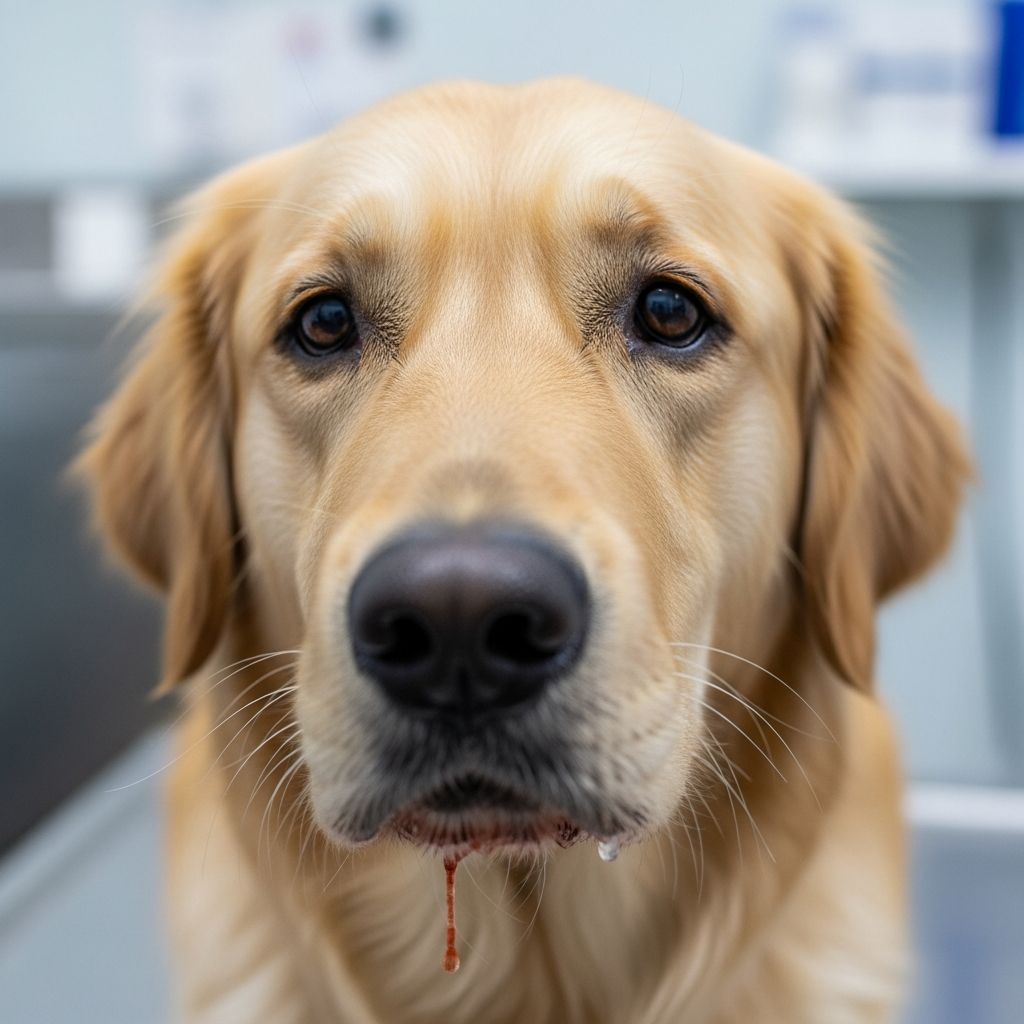
Discovering blood in your dog’s vomit can trigger immediate panic for any pet owner. This condition, medically termed hematemesis, represents one of the most alarming symptoms a dog can display. However, not every instance of bloody vomit carries identical urgency levels. Understanding the distinction between minor gastric irritation and life-threatening internal bleeding becomes essential for making informed decisions about your dog’s care. This comprehensive guide explores the spectrum of hematemesis severity, helps you interpret visual clues, and provides actionable guidance for responding appropriately to this concerning symptom.
Understanding Hematemesis: Beyond Surface Appearance
Hematemesis occurs when blood enters the digestive system at any point from the mouth through the stomach and upper intestines, subsequently being expelled through vomiting. The presence of blood in vomit always warrants veterinary attention, regardless of how normal your dog appears behaviorally. Dogs possess a remarkable ability to mask signs of illness—a survival instinct that evolved to prevent predators from targeting vulnerable animals. Your dog may continue playing, eating, and interacting normally while harboring serious internal bleeding or progressive conditions that deteriorate rapidly over hours.
The location where bleeding originates within the digestive tract influences the appearance of the vomited material. Esophageal bleeding, occurring in the tube connecting the throat to the stomach, typically produces bright red liquid blood that remains relatively fresh. Stomach and upper intestinal bleeding undergoes partial digestion by stomach acid, creating darker, granular material resembling coffee grounds. This distinction provides valuable diagnostic information for veterinary professionals assessing your dog’s condition.
Color and Consistency: Decoding the Visual Signs
The visual characteristics of blood in your dog’s vomit communicate important information about the bleeding location and severity:
- Bright red streaks or liquid: Indicates fresh bleeding from the esophagus or mouth, typically representing less time for digestion to occur. This appearance often suggests recent or ongoing bleeding rather than chronic processes.
- Dark red or maroon coloration: Demonstrates that blood has spent sufficient time in the stomach for partial digestion to begin. This typically points to gastric or proximal intestinal sources.
- Coffee-ground appearance: Represents blood that has undergone significant digestion by stomach acid. This distinctive granular, dark brown appearance indicates older bleeding or bleeding that originated from the stomach or duodenum and had extended contact with digestive juices.
- Pink-tinged or foamy vomit: Often accompanied by small blood specks, this presentation typically indicates gastric irritation rather than significant bleeding. These cases frequently resolve with supportive care once the irritant passes through the system.
- Mucus and bile combined with blood: Suggests inflammation affecting both the stomach and small intestine, pointing to conditions like gastroenteritis or inflammatory bowel disease.
Severity Stratification: Distinguishing Mild From Critical
Recognizing the difference between mild and severe hematemesis guides your treatment timeline decisions. Mild presentations feature isolated episodes of bright red blood streaking through otherwise normal vomit. Your dog maintains normal energy levels, continues drinking water, shows interest in food, and exhibits minimal abdominal discomfort. These cases warrant veterinary evaluation within regular business hours but do not necessarily require emergency facility visits.
Severe cases present dramatically different clinical pictures. Multiple vomiting episodes occurring within short timeframes indicate significant digestive tract irritation or damage. Dark coffee-ground material signals substantial internal bleeding requiring urgent assessment. Pale or white gums indicate blood loss or shock—both requiring immediate intervention. Weakness, inability to stand, or collapse reflect severe systemic effects demanding emergency care. Rapid or labored breathing, severe abdominal pain, or visible distension suggests potentially catastrophic conditions like bloat or severe internal hemorrhage.
Underlying Causes Requiring Immediate Recognition
Understanding potential underlying causes helps contextualize your dog’s presentation and informs your response urgency:
Gastrointestinal trauma occurs when dogs swallow sharp objects, experience blunt force abdominal injuries, or suffer from rough play-related accidents. Foreign body ingestion damages the digestive tract lining, creating bleeding. Road accidents and falls can cause internal bleeding without obvious external injuries.
Hemorrhagic gastroenteritis (HGE) represents a sudden-onset condition producing severe, bloody diarrhea alongside vomiting. This disease rapidly causes dehydration and requires emergency intervention. Young puppies face particular vulnerability to this condition.
Gastric ulceration, while less common in dogs than humans, develops from medication reactions, severe stress, or underlying systemic diseases. Eroded ulcers penetrate blood vessels, causing significant bleeding.
Infectious diseases including parvovirus, particularly in unvaccinated puppies, produce hemorrhagic vomiting alongside severe systemic symptoms. These viral infections can progress rapidly to critical illness.
Clotting disorders prevent normal blood coagulation, resulting in bleeding throughout the body. These may be inherited conditions or acquired through toxin exposure, particularly rat poison ingestion.
Systemic diseases such as liver disease, kidney failure, and certain cancers can manifest through hematemesis. These conditions typically present with additional symptoms reflecting their systemic nature.
When Does Bloody Vomit Constitute an Emergency?
Determining emergency status requires evaluating multiple factors simultaneously. Any dog presenting with large quantities of blood in vomit needs emergency care immediately. Puppies exhibiting hematemesis warrant emergency assessment regardless of other factors, as they face heightened infection susceptibility and rapid deterioration risk. Dogs displaying additional illness symptoms—fever, extreme lethargy, diarrhea, complete anorexia, or inability to retain food and water—require emergency evaluation even with minimal visible blood.
Multiple vomiting episodes within a few hours, particularly if accompanied by coffee-ground material, indicate emergency conditions. Pale or whitened gums suggest severe blood loss or shock. Abdominal distension with pain, weakness preventing normal movement, or collapse demand immediate emergency veterinary care. Dogs failing to eat or drink for extended periods following hematemesis episodes require urgent assessment.
Conversely, isolated single episodes of minimal blood streaking in otherwise systemically healthy dogs may warrant regular veterinary appointments rather than emergency facility visits, though calling your veterinarian for guidance remains appropriate.
Practical Response Protocols for Pet Owners
Upon discovering blood in your dog’s vomit, follow these systematic steps:
Immediate Assessment Phase
Evaluate your dog’s overall condition before deciding on care location. Check gum color—healthy gums appear pink, while pale or white gums indicate emergency status. Assess consciousness level and ability to stand. Note respiratory rate and effort. Evaluate whether your dog appears painful when you gently palpate the abdomen.
Information Gathering
Attempt to collect a vomit sample if possible, as this helps veterinarians assess severity and identify potential causative factors. Document the episode timing, frequency, appearance details, and any preceding events or dietary changes. Note accompanying symptoms like diarrhea, lethargy, fever, or appetite changes. Record your dog’s hydration status by checking skin elasticity.
Veterinary Contact Protocol
Call your veterinarian or emergency clinic immediately. Describe the situation factually, including blood appearance, episode frequency, and your dog’s overall demeanor. Ask whether regular office evaluation suffices or emergency facility assessment is necessary. Many veterinary offices provide phone triage guidance helping you determine appropriate care locations.
Transport Considerations
Keep your dog calm during transport to minimize stress exacerbation. Use appropriate carriers for small dogs or secure harnesses for larger animals to prevent injury during the vehicle journey. Avoid feeding or providing large water quantities during transport, as additional gastric content might trigger further vomiting.
Diagnostic Expectations at Veterinary Facilities
Veterinarians employ multiple diagnostic approaches to identify hematemesis causes. Physical examination includes thorough abdominal palpation, oral cavity inspection for bleeding sources, and assessment of hydration status. Blood work evaluates platelet counts, clotting function, and indicators of systemic disease. Abdominal imaging through radiographs or ultrasound identifies foreign bodies, organ abnormalities, or signs of internal bleeding.
Common Conditions Producing Hematemesis
| Condition | Typical Presentation | Urgency Level | Common Symptoms |
|---|---|---|---|
| Gastritis (stomach inflammation) | Bright red blood streaks | Routine | Vomiting, decreased appetite |
| Hemorrhagic Gastroenteritis | Bloody vomit and diarrhea | Emergency | Rapid dehydration, lethargy |
| Foreign body obstruction | Variable appearance | Emergency | Repeated vomiting, abdominal pain |
| Stomach ulcers | Coffee-ground material | Urgent | Chronic vomiting, pain |
| Parvovirus (puppies) | Hemorrhagic vomiting and diarrhea | Emergency | Fever, extreme lethargy, dehydration |
| Rat poison toxicity | Variable blood in vomit | Emergency | Bleeding from multiple sites, lethargy |
Post-Emergency Monitoring and Recovery
Following emergency or veterinary assessment, dogs typically require close observation for symptom progression or resolution. Your veterinarian may prescribe gastroprotective medications, dietary modifications, or treatments addressing underlying causes. Restrict food initially while allowing small quantities of water, gradually reintroducing bland diets as directed. Continue monitoring gum color, energy levels, and vomiting frequency. Report any worsening symptoms or failure to improve within recommended timeframes.
Frequently Asked Questions
Does blood in dog vomit always indicate emergency status?
Blood in vomit warrants veterinary attention, but not all cases require emergency facilities. Single episodes of minimal blood in otherwise healthy dogs may be evaluated during regular office hours after veterinary guidance, while multiple episodes, coffee-ground appearance, or accompanying systemic symptoms constitute emergencies.
What if my dog acts completely normal despite bloody vomit?
Dogs naturally mask illness as a survival mechanism. Normal behavior does not exclude serious conditions. Internal bleeding, ulcers, and infections can progress rapidly despite initial behavioral normalcy. Veterinary evaluation remains essential regardless of apparent wellness.
Should I wait for my regular veterinarian or visit emergency facilities?
Contact your regular veterinarian for guidance. Describe the situation completely, and follow their recommendations. After-hours emergencies automatically warrant emergency clinic contact. When uncertain, emergency assessment provides safer outcomes than delayed care.
How is hematemesis treated?
Treatment depends on underlying causes. Gastric irritation may resolve with dietary modification and gastroprotective medications. Foreign bodies require surgical removal. Infections necessitate antimicrobial therapy. Clotting disorders may require blood transfusions and specific interventions. Your veterinarian tailors treatment to the identified cause.
References
- Dog Vomiting Blood: How to Handle This Veterinary Emergency — Global Society of Veterinary Surgeons. 2024. https://gsvs.org/blog/dog-vomiting-blood-emergency/
- Why Is My Dog Throwing Up Blood? — Bond Vet. 2024. https://bondvet.com/blog/why-is-my-dog-throwing-up-blood
- Why Is My Dog Throwing Up Blood? — Hershey Animal Emergency Center. 2024. https://hersheyanimaler.com/blog/dog-throwing-up-blood/
- Why Is My Dog Throwing Up Blood? — PetMD. 2024. https://www.petmd.com/dog/symptoms/why-my-dog-throwing-blood
- What Does it Mean When Your Dog Throws Up Blood? — Purina. 2024. https://www.purina.com/articles/dog/health/digestion/dog-throwing-up-blood
Similar Articles







Read full bio of Sneha Tete