

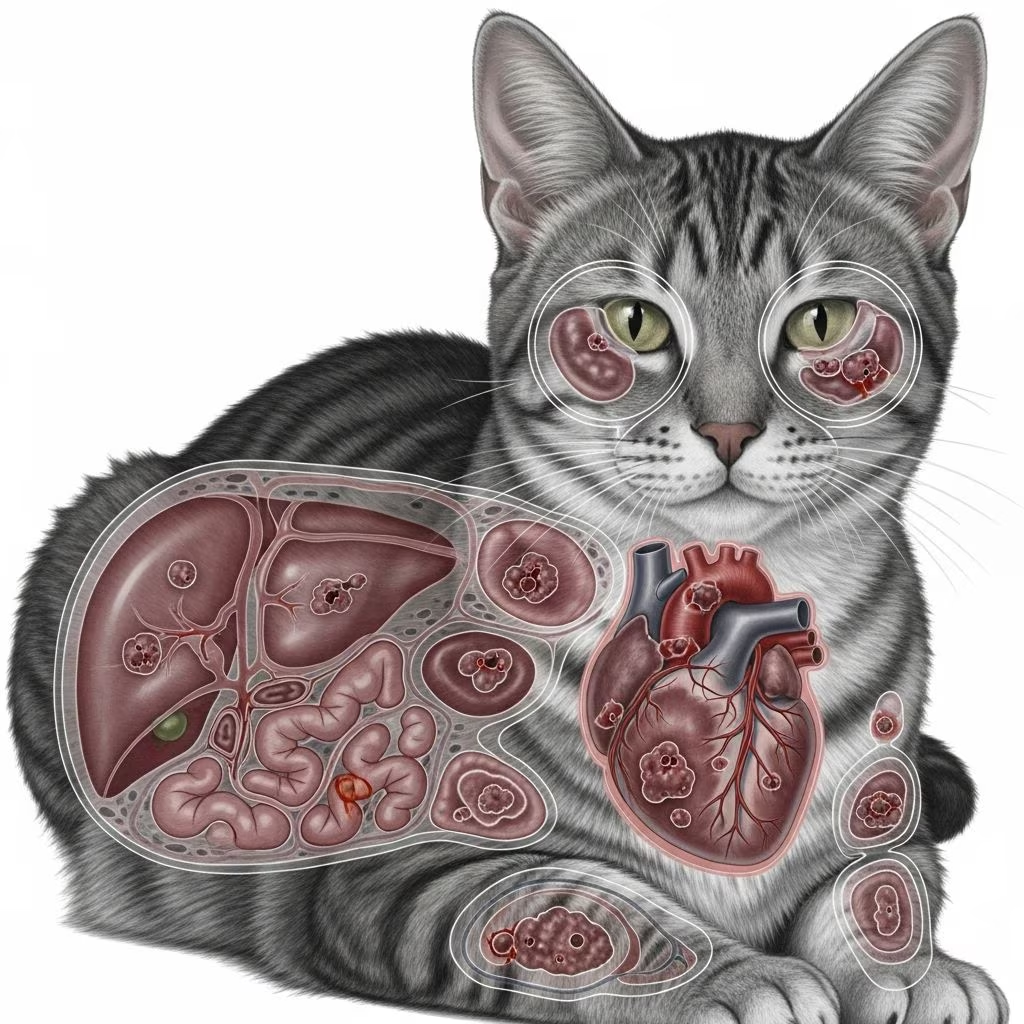
Hemangiosarcoma represents a highly malignant neoplasm originating from the endothelial cells lining blood vessels in cats. Though rarer in felines compared to canines, this cancer poses significant challenges due to its aggressive nature and tendency for metastasis. Cat owners must recognize its manifestations across cutaneous, subcutaneous, visceral, and cardiac forms to facilitate timely intervention.
Understanding the Nature of Feline Hemangiosarcoma
This tumor arises from vascular tissues, leading to fragile, rupture-prone growths that cause internal bleeding. Cutaneous variants appear on the skin, often on hind limbs or abdomen, presenting as raised, dark nodules. Subcutaneous forms develop beneath the skin, feeling firm yet fluctuant. Visceral types target organs like the spleen, liver, or heart, while cardiac involvement is least common but most lethal. Unlike dogs, cats show varied incidence, with studies documenting 53 cases over a decade highlighting cutaneous and subcutaneous predominance.
Risk factors remain poorly defined, but light-colored cats may face elevated cutaneous risks from solar exposure. Genetic predispositions are suspected in certain breeds, though no definitive links exist. The disease’s subtlety often delays detection until rupture occurs, precipitating acute crises.
Recognizing Clinical Manifestations
Symptoms depend on tumor location and progression. Early signs are nonspecific, complicating diagnosis.
- Lethargy and weakness: Due to anemia from chronic blood loss into tumors.
- Anorexia and weight loss: Common across all forms, signaling systemic impact.
- Pale mucous membranes: Indicates severe anemia; gums appear white or gray.
- Abdominal distension: From hemoperitoneum in splenic cases.
- Dyspnea or collapse: Cardiac or ruptured visceral tumors cause sudden decompensation.
- Visible skin lesions: Dark, raised masses on limbs, scrotum, or belly; may bruise or fluctuate.
Generalized indicators include tachycardia, fever, dehydration, coagulopathies manifesting as prolonged bleeding from venipuncture sites, and enlarged peripheral lymph nodes palpable under the jaw or limbs. Owners should palpate submandibular nodes during routine checks for early warnings.
Diagnostic Approaches for Confirmation
Veterinarians employ a multimodal strategy to confirm hemangiosarcoma and assess staging.
| Diagnostic Tool | Purpose | Key Findings |
|---|---|---|
| Physical Exam | Detect masses, lymph nodes | Skin nodules, abdominal fluid, pallor |
| Complete Blood Count (CBC) | Evaluate anemia, platelets | Regenerative anemia, thrombocytopenia |
| Chemistry Panel | Assess organ function | Elevated liver enzymes, hypoalbuminemia |
| Imaging: X-rays, Ultrasound | Visualize organ involvement | Splenic masses, pericardial effusion |
| Fine-Needle Aspiration/Biopsy | Histopathology | Malignant endothelial cells |
Ultrasound excels for visceral evaluation, revealing hypoechoic splenic masses or peritoneal fluid. Biopsy provides definitive diagnosis, distinguishing from benign hemangiomas. Coagulation profiles address bleeding risks pre-surgery.
Treatment Modalities and Protocols
Management prioritizes tumor excision, with adjuncts for microscopic disease. Outcomes hinge on completeness of removal and metastasis absence.
Surgical Excision as Cornerstone
Wide-margin resection targets cutaneous/subcutaneous lesions, achieving clean margins more readily in superficial sites. Visceral cases demand splenectomy or partial organ removal; cardiac tumors may require pericardiectomy. Emergency splenectomy stabilizes ruptured spleens via exploratory laparotomy. Postoperative care includes pain patches (e.g., fentanyl), local anesthetics, laser therapy, and monitoring for hemorrhage. Complete excision cures some cutaneous cases.
Adjunct Chemotherapy
Doxorubicin (Adriamycin) protocols follow surgery for visceral/metastatic disease, extending survival modestly. Cats tolerate chemo well, maintaining quality of life with minimal side effects versus humans. Radiation suits incompletely resected skin tumors.
Supportive and Palliative Measures
IV fluids, transfusions combat anemia/hemorrhage. Pain control, nutritional support, and anti-nausea drugs enhance comfort. In advanced stages, palliative care prioritizes euthanasia to avert suffering from recurrent bleeds.
Prognosis and Survival Expectations
Prognosis varies starkly by type and stage.
- Cutaneous: Best outlook; clean margins yield cures or years-long remission.
- Subcutaneous: Higher recurrence (50% in monitored cases); median survival 6-12 months post-excision.
- Visceral (Splenic/Liver): Surgery alone: 1-3 months; chemo extends to 2-8 months. Rupture or metastasis worsens odds.
- Cardiac: Guarded; often weeks post-diagnosis despite intervention.
Young age, non-ruptured presentation, and low tumor grade favor longevity. Overall, visceral forms carry poor prognoses, with euthanasia common intraoperatively.
Strategies for Prevention and Early Vigilance
Absolute prevention eludes, but proactive steps mitigate risks:
- Sun protection for white cats via shade, sunscreen, or clothing.
- Annual wellness exams with abdominal palpation, bloodwork.
- Monitor for anomalies: sudden weakness, lumps, appetite changes prompt immediate vet visits.
- Maintain optimal weight, nutrition to bolster immunity.
Frequently Asked Questions
What causes hemangiosarcoma in cats?
Exact etiology unknown; possible genetic, UV exposure roles for skin forms. Not contagious.
Can hemangiosarcoma be cured in cats?
Cutaneous yes, with full excision; visceral rarely, managed palliatively.
How quickly does hemangiosarcoma progress in felines?
Rapidly; asymptomatic until rupture, then acute collapse.
Is chemotherapy painful for cats with this cancer?
Generally well-tolerated; side effects milder than in dogs/humans.
Should I euthanize my cat upon diagnosis?
Depends on type/stage; discuss quality-of-life metrics with your vet.
Armed with this knowledge, cat guardians can advocate effectively. Routine vigilance transforms outcomes for this formidable foe.
References
- Understanding Hemangiosarcoma in Cats: Symptoms, Treatment… — PetsCare. 2023. https://www.petscare.com/en-gb/news/post/hemangiosarcoma-cats-symptoms-treatment
- Skin Cancer (Hemangiosarcoma) in Cats — PetMD. 2024. https://www.petmd.com/cat/conditions/cancer/c_ct_hemangiosarcoma_skin
- Hemangiosarcoma (Splenic or Visceral) in Cats — Vetster. 2023. https://vetster.com/en/conditions/cat/hemangiosarcoma
- Hemangiosarcoma in Cats — Long Beach Animal Hospital. 2022. https://lbah.com/feline/hemangiosarcoma/
- Hemangiosarcoma in cats: 53 cases (1992-2002) — PubMed/ JAVMA. 2007-12-15. https://pubmed.ncbi.nlm.nih.gov/18081524/
- Hemangiosarcoma Cancer in Dogs and Cats — Vet Specialists. 2020-08-24. https://www.vetspecialists.com/vet-blog-landing/animal-health-articles/2020/08/24/hemangiosarcoma-cancer-in-dogs-and-cats



