
Hemangioma in Dogs: Benign Vascular Growths
Discover the essentials of hemangiomas in dogs: from identification and causes to safe management strategies for your pet's well-being.
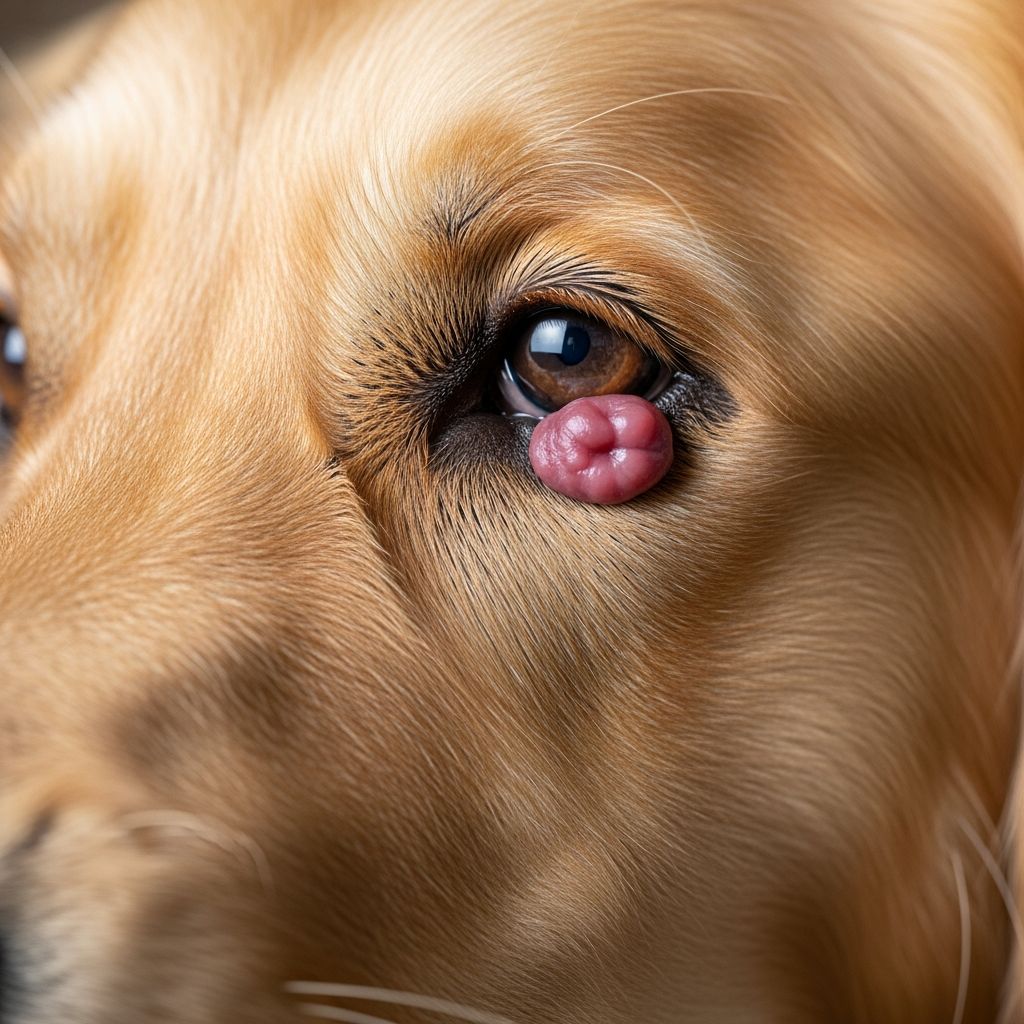
Hemangiomas represent common benign tumors originating from blood vessel cells in dogs, typically manifesting as distinctive red, raised lesions on the skin. Unlike their malignant counterparts, these growths pose minimal health risks when managed appropriately, though they require veterinary evaluation to rule out more serious conditions.
Understanding the Nature of Canine Hemangiomas
These tumors develop from endothelial cells lining blood vessels, forming well-defined, often circular masses that resemble bruises or raspberry-like structures. They frequently appear in sun-exposed areas such as the abdomen, flanks, or head, particularly in dogs with light pigmentation or thin fur coats. While non-cancerous, hemangiomas can ulcerate, bleed, or become painful if irritated, prompting the need for intervention.
- Key characteristics: Reddish-purple hue, firm texture, potential for easy bruising.
- Common sites: Underside of the body, ears, nose in short-haired breeds.
- Prevalence: More frequent in older dogs and those with prolonged UV exposure.
Distinguishing hemangiomas from hemangiosarcomas is crucial, as the latter is aggressive and metastatic. Benign forms stay localized, while malignant ones spread rapidly to organs like the spleen or heart.
Primary Causes and Risk Factors
Sun exposure stands as the leading trigger for cutaneous hemangiomas, especially in breeds like Whippets, Dalmatians, and white Boxers with sparse hair and pale skin. Chronic UV radiation damages vascular cells, leading to abnormal proliferation over time. Actinic changes—precancerous skin alterations—often precede tumor formation, progressing from mild dermatitis to visible growths.
Other contributing elements include:
- Genetic predisposition in lightly pigmented dogs.
- Age-related cellular changes in seniors over 8 years.
- Rarely, trauma or inflammation sparking localized vessel overgrowth.
| Breed Examples | Risk Level | Reason |
|---|---|---|
| Dalmatian, Bull Terrier | High | Light skin, short coat |
| Golden Retriever, Labrador | Moderate | Some sun-exposed areas |
| Thick-coated breeds (e.g., Huskies) | Low | Natural UV protection |
Environmental factors amplify risks: living in sunny climates without shade or sunscreen heightens incidence. Indoor dogs with balcony access or frequent outdoor time face similar vulnerabilities.
Recognizing Symptoms and Early Signs
Owners often spot hemangiomas as solitary, dome-shaped bumps ranging from 0.5 to several centimeters. The surface may glisten due to ulceration or superficial bleeding, and touching can elicit discomfort or cause minor hemorrhage. In about one-third of cases, associated symptoms emerge, such as lethargy, reduced appetite, or subtle lameness if the lesion affects mobility.
Progression signs warrant immediate vet visits:
- Rapid enlargement or color deepening.
- Persistent bleeding unresponsive to pressure.
- Multiple lesions appearing in nearby areas.
Subcutaneous variants lurk deeper, presenting as softer swellings without prominent redness. Neurologic or respiratory issues rarely link directly but signal potential complications if untreated.
Diagnostic Approaches for Accurate Identification
Veterinarians start with a physical exam and history review, noting sun exposure and breed traits. Fine-needle aspiration provides initial cytology, revealing vascular cells without atypia. For confirmation, excisional biopsy or full-thickness sampling is gold standard, as it differentiates benign from malignant forms via histopathology.
Advanced imaging like ultrasound or X-rays rules out internal involvement, especially if systemic signs appear. Bloodwork assesses clotting or anemia from minor bleeds. In solar-induced cases, dermatologic evaluation checks for actinic damage.
- Biopsy benefits: 95% accuracy in typing the tumor.
- Non-invasive options: Limited to monitoring small, stable lesions.
Treatment Strategies: From Surgery to Monitoring
Surgical excision remains the cornerstone, offering curative outcomes for most dogs. Wide margins (1-2 cm) ensure complete removal, with clean closures promoting rapid healing. Post-op recovery typically spans 10-14 days, with minimal complications in healthy patients.
Alternatives suit specific scenarios:
- Observation: For tiny, asymptomatic growths; monthly photos track changes.
- Laser therapy: Precise ablation for superficial lesions, reducing bleeding risk.
- Cryotherapy: Freezing small tumors, ideal for multi-site issues.
Adjuvant chemotherapy is unnecessary for pure hemangiomas but considered if malignancy edges are found. Supportive care includes e-collars to prevent self-trauma and antibiotics for infected sites.
Preventive Measures for Sun-Sensitive Dogs
Proactive steps slash recurrence risks, focusing on UV mitigation. Apply veterinary-approved sunscreens (SPF 30+) daily to exposed skin, reapplying after swims. Provide shaded yards, UV-protective clothing like rash guards, and limit peak-sun outings (10 AM-4 PM).
Annual dermatology checks for at-risk breeds catch precursors early. Antioxidant-rich diets bolster skin repair, though evidence remains anecdotal. Neutering status shows no direct link, but holistic wellness supports resilience.
Prognosis and Long-Term Management
With excision, prognosis excels: over 90% of dogs experience no regrowth or metastasis. Recurrences hit sun-damaged zones, necessitating vigilant follow-ups every 3-6 months. Multiple surgeries may arise in chronic solar exposure cases, but quality of life stays high.
Factors influencing outcomes:
| Factor | Impact on Prognosis |
|---|---|
| Complete surgical margins | Excellent (cure likely) |
| Solar-induced, multiple sites | Good with prevention |
| Incomplete removal | Fair; monitor closely |
Lifestyle adjustments ensure longevity, with many dogs thriving years post-treatment.
Distinguishing Hemangioma from Hemangiosarcoma
Hemangiosarcoma, the malignant analog, demands differentiation. Benign hemangiomas feature organized vessels; sarcomas show chaotic, invasive patterns. Splenic or cardiac sarcomas cause acute collapse from rupture, absent in skin hemangiomas.
- Benign: Localized, sun-linked, excellent post-surgical survival.
- Malignant: Metastatic (lungs, liver), median survival 1-3 months sans chemo.
Biopsy resolves ambiguity; early detection via routine exams prevents missteps.
Frequently Asked Questions (FAQs)
Are hemangiomas painful for dogs?
Most are asymptomatic, but ulceration or pressure can cause discomfort. Pain meds aid recovery.
Can hemangiomas turn cancerous?
Solar hemangiomas may progress to hemangiosarcoma in rare cases; excision mitigates this.
How much does surgery cost?
Varies by size/location: $500-$3000, including histopath.
Is sunscreen safe for dogs?
Yes, pet-formulated ones without zinc oxide, which is toxic if licked.
What breeds are most prone?
Light-skinned, short-haired: Dalmatians, Pit Bulls, Whippets.
Holistic Support and Home Care Tips
Complement vet care with omega-3 supplements for anti-inflammatory effects and wound healing. Keep lesions clean with saline rinses, avoiding human topicals. Stress reduction via routine exercise bolsters immunity. Track growths with a journal: date, size, photos for trend spotting.
For multi-dog homes, separate play during healing to prevent knocks. Nutrition emphasizing vitamin E and beta-carotene aids skin integrity, per veterinary nutritionists.
References
- Hemangiosarcoma in Dogs – Flint Animal Cancer Center — Colorado State University Animal Cancer Center. 2020-02-28. https://www.csuanimalcancercenter.org/2020/02/28/hemangiosarcoma-in-dogs/
- Hemangiomas in Dogs and Cats – Causes, Diagnosis & Treatment — Ask A Vet. 2025. https://askavet.com/blogs/news/vet-guide-2025-hemangiomas-in-dogs-and-cats-causes-diagnosis-treatment-%F0%9F%90%BE
- Canine Hemangiosarcoma – The Road from Despair to Hope — AKC Canine Health Foundation. N/A. https://www.akcchf.org/research-progress/canine-hemangiosarcoma/
- Hemangiosarcoma in dogs — Cornell University College of Veterinary Medicine. N/A. https://www.vet.cornell.edu/departments-centers-and-institutes/riney-canine-health-center/canine-health-information/hemangiosarcoma-dogs
- Diagnosis, Prognosis, and Treatment of Canine Hemangiosarcoma — PMC (PubMed Central). 2023. https://pmc.ncbi.nlm.nih.gov/articles/PMC10093745/
Similar Articles








Read full bio of medha deb




