

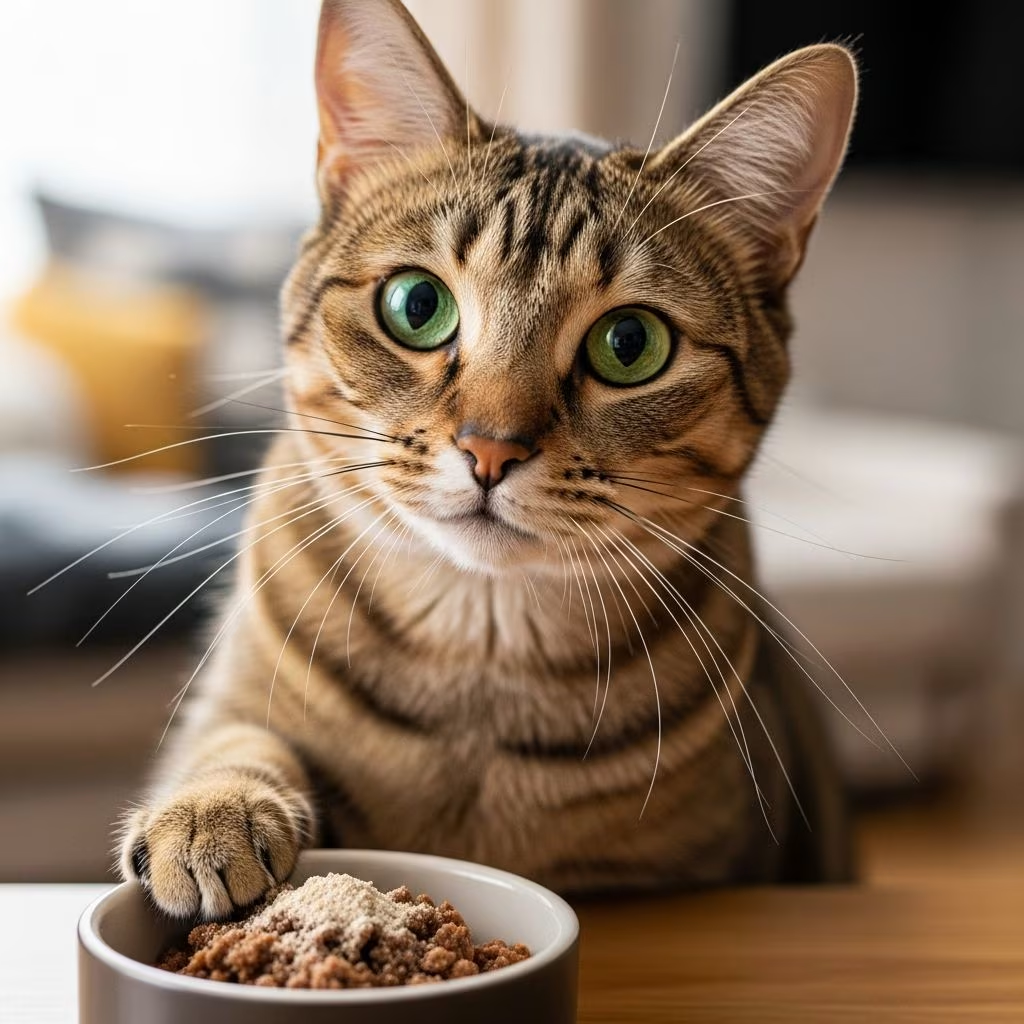
Underweight cats need careful intervention to regain a healthy body condition without risking digestive upset or other complications. Veterinary guidance is essential before implementing changes, as weight loss often signals underlying issues like illness or poor appetite. This article explores practical, evidence-based approaches to support gradual, sustainable weight gain through optimized nutrition, feeding strategies, and lifestyle adjustments.
Recognizing When Your Cat Needs to Gain Weight
Assess your cat’s body condition by feeling along its ribs, spine, and hips. You should detect ribs with slight pressure but not see them prominently; visible bones or a tucked abdomen indicate underweight status. Factors like age, recent illness, dental problems, or parasites can contribute to unintended weight loss. Schedule a vet exam to rule out conditions such as hyperthyroidism, kidney disease, or gastrointestinal disorders, which require specific treatments alongside nutritional support.
- Observe daily eating habits: Reduced intake often precedes weight drop.
- Track body weight weekly using a pet scale for trends.
- Note changes in coat quality, energy levels, or stool consistency as additional signs.
Early detection allows for targeted interventions, preventing further decline.
Primary Causes of Weight Loss in Cats
Cats may lose weight due to medical issues, stress, inadequate diet, or environmental factors. Common culprits include chronic diseases affecting metabolism or absorption, such as diabetes or inflammatory bowel disease. Parasitic infections like worms impair nutrient uptake, while dental pain discourages eating. Senior cats often face reduced appetite from sensory decline or mobility issues. Environmental stressors, like new pets or relocation, can suppress eating. Identifying the root cause via diagnostics ensures effective recovery plans.
| Cause Category | Examples | Signs to Watch |
|---|---|---|
| Medical | Hyperthyroidism, CKD | Increased thirst, vomiting |
| Parasites | Worms, giardia | Diarrhea, potbelly |
| Dental/Oral | Gum disease, broken teeth | Drooling, pawing at mouth |
| Age-Related | Sensory loss in seniors | Finicky eating, lethargy |
Choosing the Right Nutrition for Weight Gain
Select high-energy-density foods that deliver calories efficiently without overwhelming a sensitive digestive system. Opt for highly palatable, digestible formulas with quality proteins, moderate fats, and prebiotics to support gut health. Avoid simply increasing portions of current food, as it may lack balanced nutrients and lead to refusal. Wet foods often prove more appealing and hydrating, aiding cats with low appetite. Transition gradually over 7-10 days to prevent diarrhea.
- Prioritize **high-quality protein** for muscle repair and growth.
- Incorporate **healthy fats** like omega-3s for calorie boost and anti-inflammatory benefits.
- Choose **smaller kibble or soft textures** for easier consumption, especially in seniors.
For cats recovering from illness, therapeutic diets formulated for recovery provide targeted support, enhancing nutrient absorption.
Effective Feeding Techniques to Boost Intake
Enhance appeal and comfort to encourage eating. Divide daily calories into 4-6 small meals to mimic natural grazing, reducing overwhelm. Warm food slightly (body temperature) to amplify aromas, stimulating appetite. Use preferred bowls in quiet, accessible spots away from litter or high-traffic areas. Minimize staring during meals to avoid stress. Appetite stimulants prescribed by vets can bridge gaps in finicky eaters.
- Experiment with flavors: Alternate pate, stews, or fish-based options.
- Add safe toppers sparingly: Tuna water or low-sodium broth (limit to 10% calories).
- Offer variety: Mix wet and dry, but maintain balance.
Free-feeding dry food suits some healthy underweights but risks overeating in others; consult your vet.
Supporting Digestion During Recovery
Cats’ digestive systems are delicate, prone to upset from sudden changes. High-fat foods risk diarrhea, so select highly digestible options with balanced energy sources. Prebiotics foster beneficial gut bacteria, aiding nutrient use and stool firmness. Monitor for signs of intolerance like loose stools, and adjust promptly. Hydration is crucial; wet foods or fountains promote intake, preventing constipation.
High energy density allows smaller volumes for needed calories, easing digestive load while promoting weight gain.
Role of Activity and Environment in Weight Management
Gentle activity prevents muscle loss during gain phases. Use interactive toys, puzzle feeders, or climbing perches to engage without exhaustion, especially for convalescing cats. Stress reduction via pheromone diffusers or consistent routines supports appetite. Separate feeding zones from play areas to replicate wild behaviors, enhancing comfort.
Monitoring Progress and When to Seek Help
Weigh bi-weekly, aiming for 1-2% body weight gain per week to avoid hepatic lipidosis (fatty liver). Log intake, stool quality, and behavior. Re-check with vet if no improvement in 2 weeks or if symptoms worsen. Bloodwork may track recovery. Long-term, transition to maintenance food once ideal weight is reached.
Frequently Asked Questions
Can I use human food to fatten my cat?
No; human foods lack balance and may cause deficiencies or pancreatitis. Stick to vet-recommended cat foods.
How much weight should my cat gain weekly?
Target 1-2% of current body weight, e.g., 0.1-0.2 lbs for a 10-lb cat, under vet supervision.
Is wet food better for weight gain?
Yes, often more palatable and hydrating, supporting digestion in underweight cats.
What if my cat refuses all food?
Seek immediate vet care; may need syringe feeding or hospitalization to prevent refeeding syndrome.
Can supplements help?
Only vet-approved ones; excess fats or calories without guidance risks imbalance.
References
- How to help your cat gain weight — Royal Canin. 2023. https://www.royalcanin.com/us/cats/health-and-wellbeing/how-to-help-your-cat-gain-weight
- How to Put Weight On a Cat — Hill’s Pet Nutrition. 2024. https://www.hillspet.com/cat-care/healthcare/helping-your-cat-gain-weight
- Seeking advice on how to feed an emaciated cat — University of Wisconsin Shelter Medicine Program (.edu). 2022. https://sheltermedicine.wisc.edu/library/resources/seeking-advice-on-how-to-feed-an-emaciated-cat-6a6a88b8-3327-4edc-844a-5f0eb855f49c



