

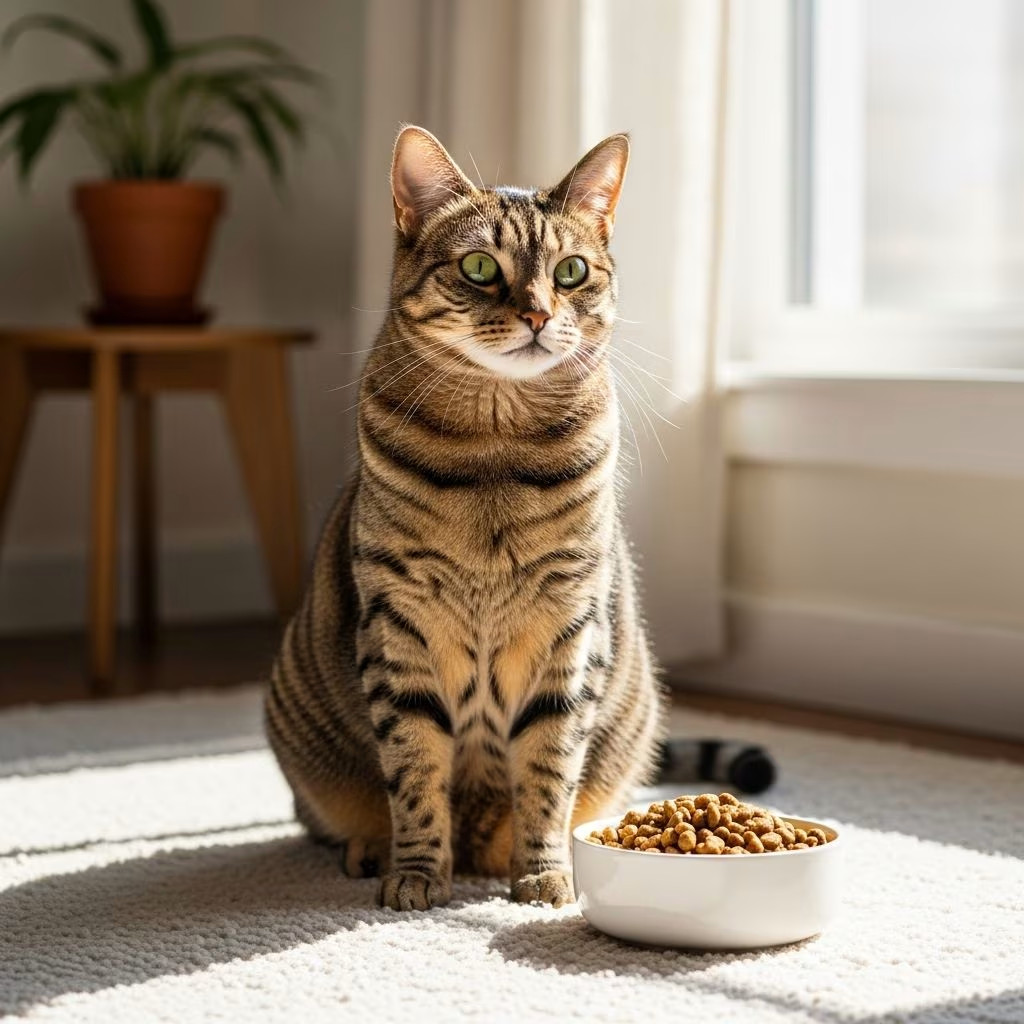
Underweight cats often face challenges like weakened immunity, poor coat quality, and reduced energy levels. Addressing this requires a balanced approach combining nutrient-dense foods, consistent feeding schedules, and professional veterinary input to ensure gradual, healthy gains without risking obesity-related issues later in life.
Recognizing Signs of an Underweight Cat
Spotting when your cat needs to gain weight starts with visual and physical checks. A healthy cat should have a visible waistline when viewed from above, with ribs easily felt but not protruding sharply. If the spine, hip bones, or ribs are prominently visible, or if your cat appears lethargic and has a dull coat, these are red flags for being underweight.
- Body Condition Scoring: Use a 9-point scale where 1-3 indicates underweight; feel for muscle mass and fat cover over ribs.
- Behavioral Cues: Reduced appetite, picky eating, or sudden weight loss can signal underlying problems.
- Other Indicators: Sunken eyes, loose skin, or poor grooming habits often accompany low body weight.
Regular weigh-ins at home with a pet scale help track progress. Aim for a weekly gain of 1-2% of body weight, consulting a vet for personalized targets.
Common Causes Behind Feline Weight Loss
Weight loss in cats rarely happens in isolation; it stems from various factors. Parasites like worms steal nutrients, while dental pain from gingivitis prevents eating. Chronic illnesses such as hyperthyroidism, kidney disease, or diabetes accelerate metabolism, burning calories faster than intake.
| Cause | Symptoms | Action Steps |
|---|---|---|
| Parasites | Diarrhea, vomiting, bloated belly | Fecal exam and deworming |
| Dental Issues | Bad breath, drooling, pawing at mouth | Dental cleaning under anesthesia |
| Chronic Disease | Increased thirst, litter box changes | Bloodwork and diagnostics |
| Stress | Hiding, aggression, reduced play | Environmental enrichment |
Age plays a role too; senior cats lose muscle mass naturally, and kittens recovering from illness need extra calories for growth. Always rule out medical causes first through a vet visit including blood tests and imaging.
Consulting Your Veterinarian First
Before any diet changes, a veterinary exam is essential. Vets can diagnose hidden conditions and recommend tailored plans. They might suggest appetite stimulants like mirtazapine or fluids for dehydrated cats. Baseline bloodwork ensures safe weight gain strategies.
- Discuss current diet, treats, and feeding amounts.
- Schedule follow-ups every 2-4 weeks to monitor gains.
- Consider prescription diets for specific health needs.
Crafting a High-Calorie Nutrition Plan
To promote weight gain, focus on calorie-dense, palatable foods high in proteins and healthy fats. Increase daily intake by 20-50% above maintenance levels, split into multiple small meals to avoid overwhelming the stomach.
Food Choices:
- High-protein wet foods (over 50% protein on dry matter basis) for hydration and easy digestion.
- Kibble mixed with warm water or broth to enhance aroma.
- Avoid fillers like corn or wheat; opt for named meat sources.
Transition gradually over 7-10 days to prevent digestive upset. For picky eaters, warm food slightly or add tuna juice.
Enhancing Meals with Calorie Boosters
Simple add-ins can skyrocket calorie content without volume. These toppers make meals irresistible and nutrient-packed.
- Oils: Fish oil or olive oil (1 tsp per meal) adds 40 calories.
- Nut Butter: Small amounts of smooth peanut butter (xylitol-free).
- Freeze-Dried Treats: Meat-based toppers for texture variety.
- Bone Broth: Low-sodium, cat-safe versions for flavor and hydration.
Aim for 200-300 extra calories daily for a 10-lb cat, adjusting based on response. Track intake meticulously.
Optimizing Feeding Routines for Success
Free-feeding leads to uneven gains; switch to 4-6 small meals daily. Use puzzle feeders to encourage eating while providing mental stimulation. Evening meals can align with natural activity peaks.
For multi-cat homes, feed separately to prevent food guarding. Automated feeders ensure consistency if you’re away.
Incorporating Gentle Exercise and Play
While building calories, maintain light activity to build muscle, not just fat. Interactive toys like feather wands or laser pointers encourage 10-15 minutes of play twice daily. Vertical spaces like cat trees promote climbing without overexertion.
- Start slow to avoid fatigue.
- Monitor for signs of distress like heavy panting.
- Combine with diet for optimal body composition.
Monitoring Progress and Adjusting Plans
Weigh weekly and reassess body condition monthly. If no gain after 2 weeks, revisit the vet for tweaks. Photos from multiple angles document changes objectively.
Success looks like a shiny coat, bright eyes, and playful energy. Plateauing? Rotate flavors or increase portions slightly.
Special Considerations for Kittens, Seniors, and Recovering Cats
Kittens under 6 months need frequent, high-energy feeds for growth spurts. Seniors may require softer textures due to dental wear. Post-surgery cats benefit from recovery formulas with added electrolytes.
Pregnant or nursing queens demand 2-3 times maintenance calories, monitored closely.
Long-Term Maintenance for Lasting Health
Once target weight is reached, taper calories gradually to maintenance levels. Annual vet checkups prevent rebound loss or gain. Educate household members on portion control.
Frequently Asked Questions
How much should my cat weigh?
Ideal weight varies by breed and frame; most average 8-12 lbs. Use body condition scoring for accuracy.
Can treats help with weight gain?
Yes, but limit to 10% of daily calories. Choose high-protein options.
What if my cat refuses food?
Syringe feeding or vet-prescribed stimulants may be needed short-term.
Is wet food better for weight gain?
It provides hydration and is often more calorie-dense per ounce than dry.
How long does safe weight gain take?
1-3 months typically, depending on starting point and health.
References
- Overweight and obesity in domestic cats: epidemiological risk — PMC. 2024. https://pmc.ncbi.nlm.nih.gov/articles/PMC11577473/
- Obesity | Cornell University College of Veterinary Medicine — Cornell Vet. 2023. https://www.vet.cornell.edu/departments-centers-and-institutes/cornell-feline-health-center/health-information/feline-health-topics/obesity
- Your pet’s healthy weight — American Veterinary Medical Association. 2025. https://www.avma.org/resources-tools/pet-owners/petcare/your-pets-healthy-weight
- Cat Obesity: Health Risks, Diet, and Prevention — GoodRx. 2024. https://www.goodrx.com/pet-health/cat/cat-obesity
- Health Risks of Excessive Weight in Dogs and Cats — Pet Obesity Prevention. 2023. https://www.petobesityprevention.org/articlesandnews/health-risks-of-excessive-weight-in-dogs-and-cats



