Underweight Cat Recovery: Safe Nutrition And Refeeding Care
Discover safe, vet-approved strategies to help your skinny cat regain strength, avoid refeeding risks, and restore vitality through nutrition and care.
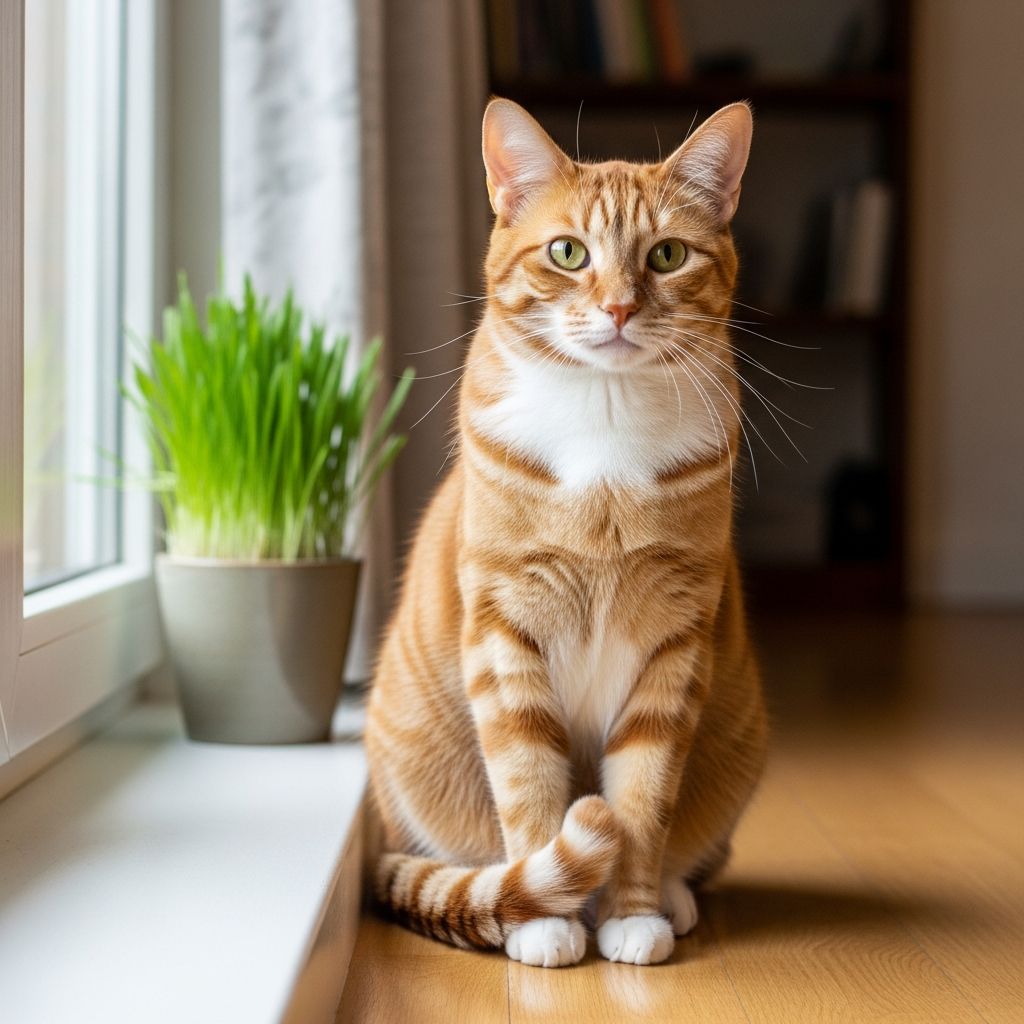
Helping Your Underweight Cat Thrive
Underweight cats often face hidden health battles that require careful intervention to restore their vitality. Whether rescued from the streets or battling illness at home, these felines need a structured plan combining veterinary oversight, precise nutrition, and patient monitoring to achieve sustainable weight gain.
Recognizing the Signs of Malnutrition in Cats
Malnutrition manifests through visible and behavioral cues that alert owners to underlying issues. A cat’s body condition score, assessed by feeling the ribs and spine, reveals if weight loss has progressed beyond normal fluctuations. Prominent ribs, visible hip bones, and a tucked abdomen signal serious depletion.
- Sunken eyes and dry gums: Indicate dehydration, where fluid loss impairs organ function.
- Dull, patchy coat and flaky skin: Stem from deficiencies in essential fatty acids and vitamins, slowing skin renewal.
- Lethargy and muscle wasting: Show protein shortages weakening skeletal structure and energy reserves.
- Poor appetite or rapid eating: Reflect metabolic shifts from starvation, risking digestive overload.
These symptoms demand prompt action, as prolonged malnutrition compromises immunity, wound healing, and overall prognosis.
Uncovering the Root Causes of Weight Loss
Weight loss in cats rarely occurs in isolation; multiple factors converge to erode body mass. Parasitic infections like worms steal nutrients, while chronic diseases such as kidney failure or hyperthyroidism accelerate metabolism beyond intake capacity.
| Cause | Symptoms | Diagnostic Steps |
|---|---|---|
| Parasites | Diarrhea, bloating | Fecal exam |
| Dental pain | Drooling, pawing mouth | Oral inspection, X-rays |
| Chronic illness | Vomiting, increased thirst | Bloodwork, ultrasound |
| Stress | Hiding, aggression | Behavioral history |
Environmental stressors, poor diet quality, or inadequate access to food exacerbate the problem. A thorough veterinary exam, including blood panels and imaging, pinpoints the trigger for targeted treatment.
The Dangers of Refeeding Syndrome and How to Avoid It
Refeeding syndrome poses a life-threatening risk when starved cats receive sudden large meals. Electrolyte imbalances, particularly low phosphorus, trigger cardiac irregularities, edema, and neurological issues as the body shifts from catabolism to anabolism.
Prevent this by initiating nutrition gradually: begin at 25% of estimated daily caloric needs, increasing by 25% daily over a week if stable. Monitor for warning signs like weakness, swelling, or irregular breathing, halting feeding and seeking emergency care if observed.
- Day 1-2: 20-40ml small meals 4-6 times daily.
- Week 1: Ramp to 50-75% intake.
- Ongoing: Full rations with vet approval.
Veterinary guidance ensures safe progression, especially in severely emaciated cases.
Building a Recovery Nutrition Plan
A tailored diet fuels recovery without overwhelming the system. Prioritize high-protein, moderate-fat wet foods for hydration and digestibility, aiming for 40-50% protein on a dry matter basis to rebuild muscle.
Divide daily calories into 4-6 feedings to mimic natural grazing and stabilize blood sugar. Commercial recovery formulas or kitten foods provide dense nutrition suited for adults in rehabilitation.
Optimal Food Choices
- Wet/canned varieties: 70-80% moisture prevents dehydration; flavors like pate encourage intake.
- High-calorie supplements: Add-ons like nutritional gels boost calories without volume.
- Avoid dry-only diets initially: Low moisture risks constipation and poor nutrient absorption.
Transition slowly over 7-10 days: mix 25% new food with 75% current, adjusting ratios to prevent GI upset.
Supplementation and Hydration Essentials
Beyond base diet, targeted supplements address gaps. Thiamine (vitamin B1) prevents neurological deficits common in starved cats; brewer’s yeast supplies B-vitamins and amino acids for immune support.
Ensure constant fresh water access, considering fountains to entice drinking. For dehydrated cats, offer low-sodium broth or subcutaneous fluids under vet direction.
- Brewer’s yeast: 1/4 tsp daily on food.
- Omega-3 oils: Support coat and anti-inflammation.
- Probiotics: Restore gut flora post-starvation.
Tracking Progress and Adjusting Care
Weigh your cat weekly using a consistent scale, targeting 1-2% body weight gain per week to avoid fatty liver risks. Chart appetite, stool quality, energy, and coat improvements in a log.
Reassess with vet at 2-4 week intervals via body condition scoring (ideal: ribs palpable without prominence).
| Week | Expected Changes | Actions if Stalled |
|---|---|---|
| 1 | Improved energy, steady intake | Check hydration, parasites |
| 2-4 | Visible rounding, shinier fur | Adjust calories up 10% |
| 4+ | Muscle tone returns | Maintenance diet transition |
When to Seek Emergency Veterinary Help
Certain red flags warrant immediate care:
- No eating for 48+ hours.
- Severe lethargy, collapse, or seizures.
- Persistent vomiting/diarrhea.
- Signs of refeeding: edema, labored breathing.
Hospitalization may involve IV fluids, tube feeding (esophagostomy for long-term), and electrolyte correction. Cats anorexic over 3 days in hospital require enteral support to halt catabolism.
Long-Term Strategies for Sustained Health
Once target weight is reached, shift to maintenance feeding: 200-300 kcal/day for average adults, adjusted for activity. Annual wellness exams catch issues early.
Enrich environment with toys, perches, and companions to reduce stress-induced hyporexia. Multi-cat homes benefit from puzzle feeders promoting natural foraging.
Frequently Asked Questions (FAQs)
What is the best first food for a starving cat?
Opt for high-protein, low-carb wet food in tiny portions (20-40ml) 4-6 times daily to minimize refeeding risks.
How long does it take for a malnourished cat to gain weight?
Expect 4-8 weeks for noticeable improvement with consistent care; severe cases may take months.
Can dry food help an underweight cat?
Use sparingly initially; combine with wet for balance, as dry lacks hydration critical for recovery.
Is brewer’s yeast safe for cats?
Yes, in moderation as a B-vitamin source; consult vet for dosing.
What if my cat won’t eat at all?
Syringe feeding bland blends or vet-prescribed stimulants may bridge; prolonged refusal needs professional intervention.
References
- Malnourished Cat: Causes, Symptoms, & Recovery — Holistapet. 2023. https://www.holistapet.com/blogs/cat-care/malnourished-cat
- The Inappetent Hospitalised Cat: Clinical Approach to Maximising… — PMC (PubMed Central). 2024-09-12. https://pmc.ncbi.nlm.nih.gov/articles/PMC11383021/
- Management of the anorexic cat (Proceedings) — dvm360. 2023. https://www.dvm360.com/view/management-anorexic-cat-proceedings
- How To Nurse a Starving Cat in 6 Simple Steps — Cats.com. 2024. https://cats.com/how-to-nurse-a-starving-cat
- Understanding, Preventing and Treating Refeeding Syndrome — Kitten Coalition. 2023. https://kittencoalition.org/understanding-preventing-and-treating-refeeding-syndrome/
- Seeking advice on how to feed an emaciated cat — Shelter Medicine (University of Wisconsin). 2024. https://sheltermedicine.wisc.edu/library/resources/seeking-advice-on-how-to-feed-an-emaciated-cat-6a6a88b8-3327-4edc-844a-5f0eb855f49c
- Critical Care Nutrition for Cats — VCA Animal Hospitals. 2024. https://vcahospitals.com/know-your-pet/nutritional-support-for-the-feline-critical-care-patient
Similar Articles







Read full bio of medha deb