

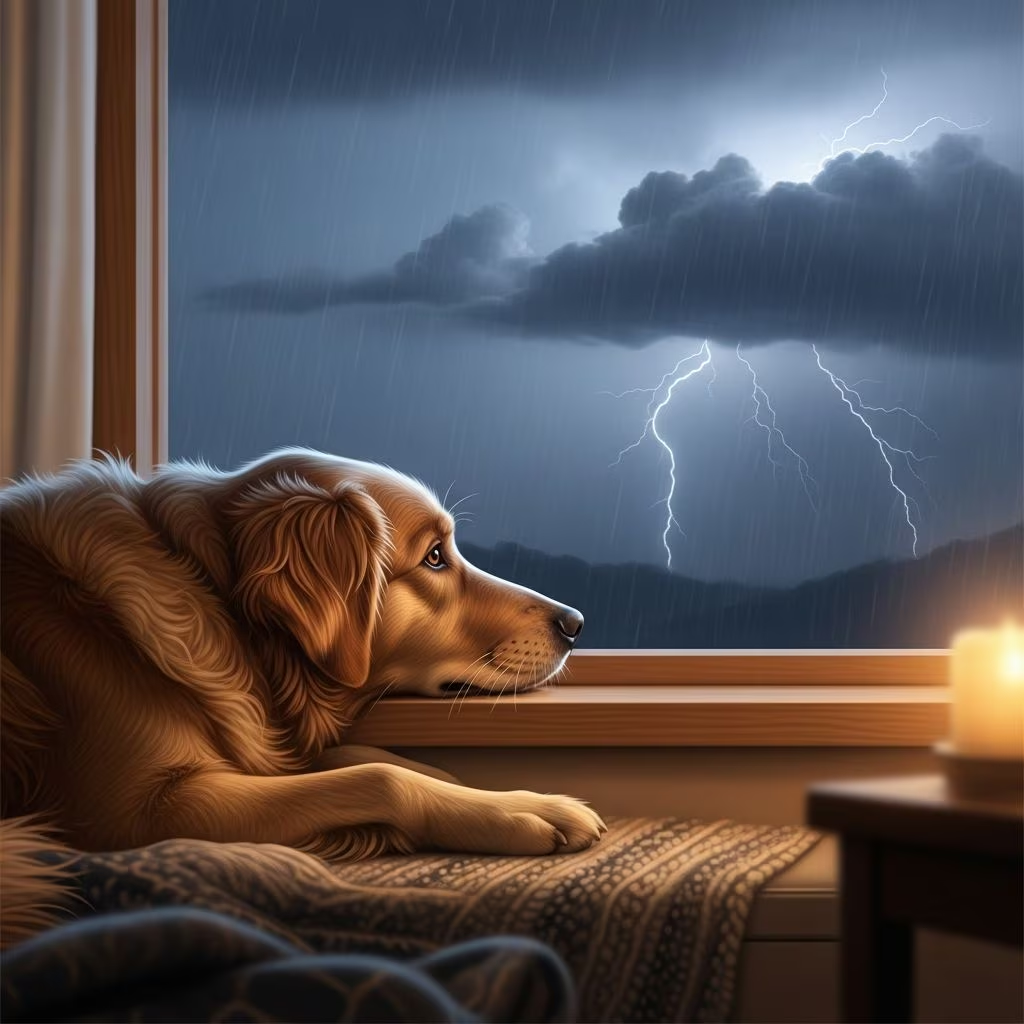
Understanding Thunderstorm Phobia in Dogs
Thunderstorm phobia, also known as astraphobia, is a persistent and exaggerated fear response to storms or storm-related stimuli that affects many dogs across all breeds and ages. This condition is more than just nervousness—it’s a serious behavioral disorder that can significantly impact your dog’s quality of life and overall well-being. Unlike humans who understand the temporary nature of storms, dogs experience genuine panic during weather events, often resulting in desperate escape attempts and destructive behaviors that can endanger themselves and damage your home.
The condition is surprisingly common among canine companions, making it one of the most frequent anxiety-related issues veterinarians encounter. Understanding the underlying causes and recognizing the signs of thunderstorm phobia is the first crucial step toward helping your anxious dog manage their fear effectively.
Why Dogs Develop Thunderstorm Phobia
The exact causes of thunderstorm phobia in dogs remain complex and multifaceted, involving a combination of physiological, genetic, and environmental factors. While we may never fully understand why some dogs develop this condition while others remain unaffected, researchers have identified several contributing elements.
Genetic and Breed Predisposition
Certain dog breeds appear more susceptible to developing thunderstorm phobia than others. Herding breeds, such as Border Collies, Australian Shepherds, and German Shepherds, show a higher incidence of storm anxiety compared to other breed groups. Additionally, some hunting dog breeds may experience more intense reactions to thunder because they struggle to differentiate storm sounds from gunshot sounds, triggering their natural fear response to loud noises.
Research has also suggested that female dogs may be more likely to develop thunderstorm phobia than males, though individual variation remains significant.
Sensory Sensitivity and Environmental Factors
Dogs possess heightened sensory abilities compared to humans, making them acutely sensitive to various storm-related stimuli. Their exceptional hearing allows them to detect thunder from much greater distances than humans can perceive, often hours before a storm arrives overhead. This advanced auditory sensitivity means dogs are exposed to frightening sounds that humans may not even notice.
Beyond sound, dogs can detect multiple environmental changes associated with approaching storms:
- Changes in barometric pressure
- Alterations in the earth’s electrical field
- Shifts in air moisture and atmospheric composition
- Changes in wind patterns and air movement
- Visual cues such as darkening skies and lightning flashes
Some researchers believe that dogs are particularly sensitive to barometric pressure changes and that static electricity buildup in their coats during storms may cause uncomfortable or even painful electric shocks, creating a learned fear association.
Early Experience and Conditioning
Lack of positive exposure to storms during critical developmental periods can contribute significantly to thunderstorm phobia. Puppies who experience storms only negatively—without proper socialization or desensitization—may develop conditioned fear responses that persist into adulthood.
Traumatic storm experiences, such as being caught outside during severe weather or experiencing injury during a storm, can trigger the development of phobia in dogs of any age. Once dogs make a negative association between storm-related stimuli and fear, their brains find it extremely difficult to “unlearn” these connections, even with intervention.
Underlying Health Conditions
Dogs with pre-existing health issues may be more prone to developing or displaying increased storm anxiety. Conditions causing pain, such as arthritis or musculoskeletal disease, can exacerbate fear responses because the physical tension and muscular contraction that accompany fear can intensify existing pain. Additionally, partially deaf dogs or those deaf in only one ear may develop more extreme reactions because they cannot determine the direction of thunder sounds.
Dogs with separation anxiety are significantly more likely to develop concurrent storm phobia, as the fear of being alone during frightening weather compounds their anxiety.
Recognizing Signs of Storm Anxiety
Dogs experiencing thunderstorm phobia display a wide range of behavioral and physiological signs that indicate genuine distress. Many of these signs begin appearing before storms actually arrive, as dogs detect environmental changes that signal an approaching weather system.
Behavioral Signs
Common behavioral indicators of thunderstorm anxiety include:
- Pacing or restlessness
- Hiding in enclosed spaces or basements
- Seeking constant attention from owners through pawing, nuzzling, or whimpering
- Destructive behavior, including attempts to escape through windows or doors
- Vocalization such as whining, crying, or howling
- Attempts to burrow under furniture or bedding
Physical Symptoms
The fear response triggers genuine physiological changes throughout your dog’s body:
- Trembling or shaking
- Panting and rapid breathing
- Excessive drooling
- Excessive licking of paws or other body parts
- Elevated heart rate
- Dilated pupils
Inappropriate Elimination
House soiling during storms is a common sign of thunderstorm phobia, occurring in dogs who are otherwise housetrained. This happens because the fear response overwhelms normal bladder and bowel control, making it an involuntary sign of severe distress rather than a behavioral issue.
Escape Behavior
Severe cases may involve desperate escape attempts that result in serious injuries. Dogs have crashed through windows, damaged doors, and run away from home during severe panic episodes. These dangerous behaviors underscore the genuine nature of the phobia and the need for compassionate intervention.
Health Impacts of Chronic Storm Anxiety
Beyond the immediate distress during storms, thunderstorm phobia can have significant long-term health consequences. Chronic fear and anxiety trigger the release of stress hormones like cortisol and norepinephrine, which can suppress immune function and increase vulnerability to infections and illness.
Physical health impacts may include:
- Cardiovascular stress with sustained elevated heart rate
- Gastrointestinal upset and loss of appetite
- Increased cortisol levels and metabolic stress
- Musculoskeletal trauma from escape attempts
- Dental damage from attempting to hide or escape
- Skin injuries and bruising
If storms occur regularly in your geographic area, the chronic stress from repeated fear episodes can substantially reduce your dog’s quality of life and overall well-being.
Treatment Strategies for Thunder-Phobic Dogs
Environmental Management and Safe Spaces
Creating a secure, comfortable refuge during storms is often the first step in helping your anxious dog. Designate a safe room or area away from windows where your dog can retreat during storms. This space should be:
- Interior-facing to minimize exposure to lightning and wind
- Equipped with comfortable bedding or crate
- Stocked with water and toys for distraction
- Sound-dampened as much as possible
- Accessible to your dog at all times, not just during storms
White noise machines or soft music can help mask thunder sounds and reduce acoustic exposure.
Desensitization and Counterconditioning
Systematic desensitization involves gradually exposing your dog to storm sounds at increasingly higher volumes, allowing habituation to occur over time. This process requires patience and consistency but can effectively reduce fear responses when properly implemented.
The process typically involves:
- Starting with recordings of storm sounds played at nearly imperceptible volumes
- Pairing sound exposure with positive experiences like treats or play
- Gradually increasing volume over weeks or months
- Allowing your dog to control exposure duration when possible
- Celebrating small improvements without forcing interaction
This approach requires professional guidance and should be discussed with your veterinarian before implementation.
Behavioral Modification Techniques
Avoid unintentionally reinforcing fearful behaviors by responding to your dog’s panic with excessive comfort or attention. Instead, maintain a calm demeanor and allow your dog to manage their fear in their own way without excessive intervention. Your composure can help signal to your dog that the situation isn’t genuinely dangerous.
Redirect attention toward positive activities like puzzle toys or food-dispensing toys that require mental engagement and can distract from storm stimuli.
Pharmaceutical Interventions
For dogs with severe thunderstorm phobia, veterinary medications can provide significant relief during storms. Options may include:
- Anti-anxiety medications prescribed for use during storm season
- Natural calming supplements containing ingredients like L-theanine or melatonin
- Prescription sedatives for severe cases
Your veterinarian can evaluate your dog’s individual needs and recommend appropriate pharmaceutical support.
Anxiety Wraps and Pressure Garments
Specially designed anxiety wraps apply gentle, consistent pressure that can have a calming effect for some dogs, similar to swaddling in infants. While not effective for all dogs, many owners report positive results with these products during storm events.
Professional Behavioral Support
Certified veterinary behaviorists can develop customized treatment plans addressing your dog’s specific anxiety triggers and response patterns. Professional support becomes particularly important for dogs displaying severe panic or dangerous escape behaviors.
Preventing Storm Phobia Development
While treating established thunderstorm phobia requires significant effort, prevention through early socialization and positive conditioning is far more effective. Puppies exposed to various environmental sounds, weather conditions, and stimuli during critical developmental periods are less likely to develop storm phobia.
Preventative strategies include:
- Allowing puppies safe exposure to rain and mild weather
- Playing recordings of storm sounds during playtime and positive experiences
- Maintaining calm behavior during actual storms to model appropriate responses
- Avoiding trauma or negative storm experiences when possible
- Building overall confidence through training and socialization
Frequently Asked Questions About Thunder-Phobic Dogs
Q: Can thunderstorm phobia develop suddenly in adult dogs?
A: Yes, dogs of any age can develop thunderstorm phobia when they experience a negative association with thunder or lightning. Additionally, underlying health problems such as pain, neurological issues, or cognitive dysfunction in senior dogs may cause sudden behavioral changes including new-onset storm anxiety.
Q: Is thunderstorm phobia more common in certain dog breeds?
A: Herding breeds demonstrate higher incidence rates of thunderstorm phobia compared to other breed groups, though any dog can develop the condition. The breed tendency may relate to genetic predisposition and how certain dogs’ nervous systems respond to environmental stimuli.
Q: How long does it take to help a dog overcome storm phobia?
A: Treatment duration varies significantly based on severity, individual dog characteristics, and treatment approach. Desensitization programs typically require weeks to months of consistent effort. Some dogs may show improvement in weeks, while others require longer-term management strategies.
Q: Should I allow my dog to hide during storms?
A: Yes, allowing your dog access to a safe, comfortable hiding space is appropriate and humane. Preventing a frightened dog from seeking shelter can increase anxiety and may lead to more dangerous behaviors.
Q: When should I consult a veterinarian about storm phobia?
A: Contact your veterinarian if your dog shows signs of thunderstorm anxiety, particularly if the phobia is worsening, causing dangerous behaviors, or significantly impacting quality of life. Professional evaluation can rule out underlying health conditions and discuss appropriate treatment options.
Q: Can medications cure thunderstorm phobia?
A: Medications manage symptoms and reduce anxiety during storms but don’t cure the underlying phobia. Combining pharmaceutical support with behavioral modification offers the most comprehensive approach to long-term improvement.
Moving Forward: Supporting Your Storm-Anxious Dog
Helping a thunder-phobic dog requires patience, compassion, and often professional support. Rather than viewing storm anxiety as a behavioral flaw or something your dog can simply “get over,” recognize that thunderstorm phobia represents a genuine medical and behavioral condition deserving appropriate treatment and accommodation.
By combining environmental management, behavioral modification, professional guidance, and when appropriate, pharmaceutical intervention, you can significantly reduce your dog’s storm-related distress and improve their overall quality of life.
References
- Thunderstorm Phobia in Dogs — Gardens Animal Hospital. Accessed January 2026. https://www.gardensanimalhospital.com/thunderstorm-phobia-in-dogs/
- Storm Phobia in Dogs — Today’s Veterinary Practice. Accessed January 2026. https://todaysveterinarypractice.com/behavior/storm-phobia-in-dogs/
- Thunderstorm Phobias in Dogs: How to Manage Dog Storm Anxiety — PetMD. Accessed January 2026. https://www.petmd.com/dog/conditions/behavioral/c_dg_thunderstorm_phobias
- Thunderstorm Anxiety in Your Pet — Homey Gnome Veterinary Clinic. Accessed January 2026. https://homeygnomevet.com/thunderstorm-anxiety-in-your-pet/
- Thunder and Furry: Helping Pets Overcome Storm Phobias — AAHA (American Animal Hospital Association). Accessed January 2026. https://www.aaha.org/resources/thunder-and-furry-helping-pets-overcome-storm-phobias/
- Helping Your Dog with Storm Phobia — Vetwest Veterinary Clinics. Accessed January 2026. https://www.vetwest.com.au/pet-library/helping-your-dog-with-storm-phobia/



