

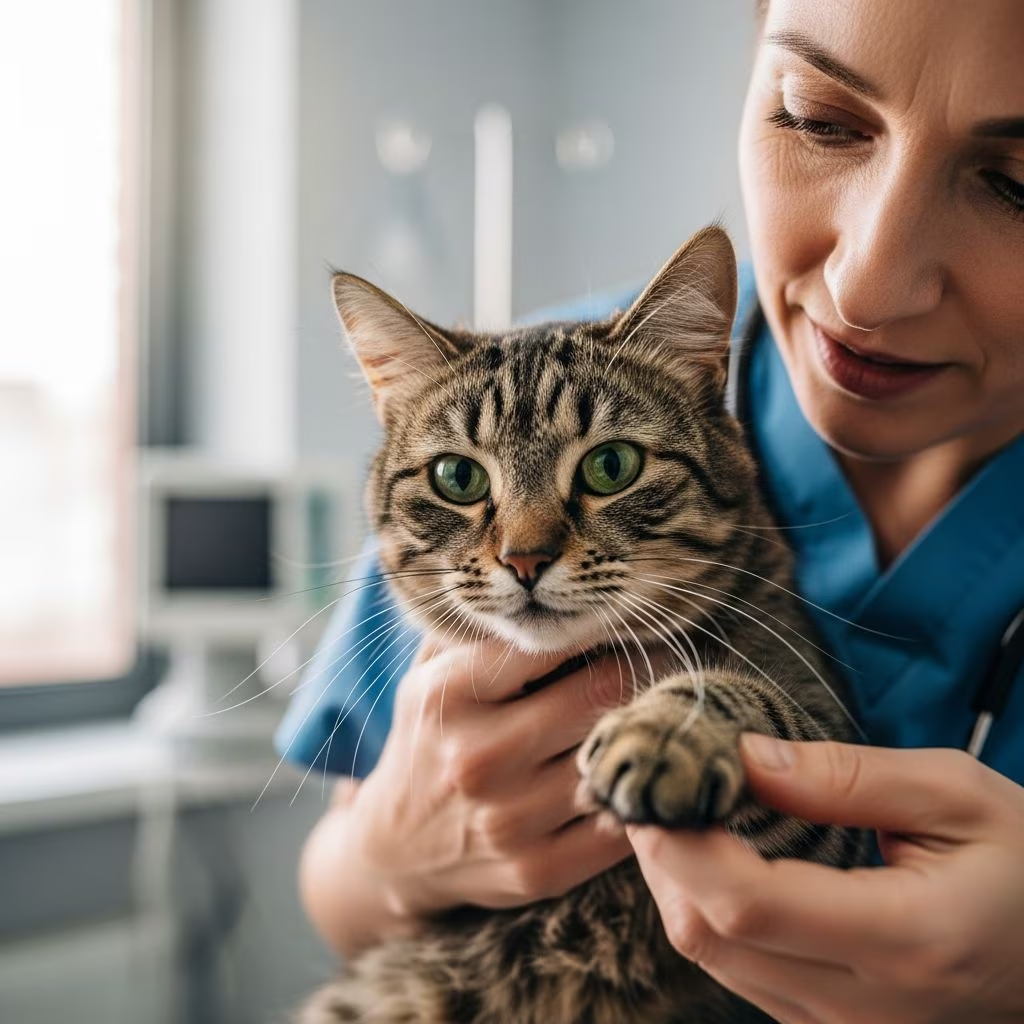
Encountering a stray cat often sparks a desire to help, but concerns about veterinary costs can be a barrier. Fortunately, numerous programs and resources make essential medical care accessible at little to no expense, focusing on humane management of outdoor cat populations.
Understanding the Needs of Outdoor Cats
Stray and community cats, sometimes called feral cats, live outdoors and face unique health challenges like injuries, infections, and uncontrolled breeding. These cats benefit from targeted interventions such as vaccinations, sterilization, and basic treatments to enhance their quality of life and stabilize populations. Unlike owned pets, they require approaches that respect their independence while addressing immediate medical needs.
Key health priorities include preventing contagious diseases through vaccines for rabies, feline viral rhinotracheitis, calicivirus, and panleukopenia (FVRCP). Sterilization via Trap-Neuter-Return (TNR) programs prevents litters, reducing strain on local resources.
Low-Cost and Free Veterinary Options
Several organizations offer subsidized or free services specifically for stray cats. TNR clinics typically charge $40-$50 per cat, covering surgery, vaccines, ear tipping for identification, and pain relief. These fees are far below standard vet prices, making care feasible for caregivers.
- Spay/Neuter Surgery: Core of TNR, performed humanely with post-op antibiotics and pain meds.
- Vaccinations: Rabies and FVRCP combo to protect against common feline illnesses.
- Ear Tipping: A small, safe notch in the left ear signals the cat has been altered, aiding future efforts.
- Microchipping: Optional in some programs, linking the cat to its colony location.
Subsidies like SpayUSA further reduce costs for individuals in certain states, covering part of the fee when using partner clinics.
Trap-Neuter-Return: The Gold Standard Approach
TNR, or Trap-Neuter-Vaccinate-Return (TNVR), is the most effective, humane method endorsed by experts to manage stray cat numbers. Cats are trapped, medically treated, and returned to their familiar territory, where they live healthier lives without reproducing. Studies show TNR reduces colony sizes over time and improves cat longevity compared to removal or euthanasia.
| Program Feature | Benefits | Typical Cost |
|---|---|---|
| Full TNR Package | Surgery, vaccines, ear tip, pain meds | $40-50 per cat |
| Additional Treatments | Wound care, flea control | Nominal fee |
| Subsidized Slots | Via SpayUSA or local funds | Reduced or free |
Local rescues like the Animal Rescue League of Berks County require cats in humane traps and limit appointments, ensuring efficient service. Participants must pick up cats same-day, as clinics aren’t boarding facilities.
Finding Local Resources and Clinics
Start by contacting animal shelters, humane societies, and TNR groups in your area. Many, such as Humane Pennsylvania and Pet Pantry Lancaster, provide guidance, traps for rent, food pantries, and clinic referrals. Online directories from Alley Cat Allies list veterinary partners specializing in community cats.
Social media groups and apps connect caregivers with events, like mobile clinics offering Revolution for fleas and deworming alongside core services. For barn or working cat placements, programs match under-socialized cats with farms needing natural pest control.
Step-by-Step Guide to Getting a Stray Cat Vet Care
- Observe Safely: Watch from afar for signs of illness, injury, or friendlessness like no collar.
- Provide Basics: Offer food, water, and insulated shelter to build trust and monitor condition.
- Check for Ownership: Scan for microchips if possible or post found-pet notices online.
- Secure a Trap: Borrow humane traps from rescues; bait with smelly food like tuna.
- Book TNR Appointment: Call clinics for slots, confirming requirements like exact cash payment.
- Transport and Recover: Cover trap for calm transport; follow post-op feeding instructions.
- Monitor Long-Term: Continue feeding and watch for issues, re-trapping if needed.
Challenges and Solutions for Caregivers
Common hurdles include trapping skittish cats, neighbor complaints, and winter care. Use feeding stations to habituate cats for easier trapping, and educate communities on TNR benefits to foster support. For cold weather, insulated shelters with straw bedding protect against elements.
Injured strays may need basic first aid like wound cleaning before clinic visits, but always consult pros for serious cases. Programs often include pain injections and antibiotics during TNR to handle minor issues.
Benefits of Community Involvement
Managed colonies via TNR lead to fewer kittens, healthier cats, and reduced shelter intake. Organizations like Lehigh Valley Humane Society handle hundreds annually, proving scalability. Caregivers gain satisfaction from sustainable impact, with cats providing rodent control as a bonus.
Veterinarians play a pivotal role, following protocols for feral cats like purple ink marking spays and tattooing ears. This teamwork stabilizes populations humanely.
FAQs on Stray Cat Veterinary Care
Can I get completely free vet care for strays?
While full free services are rare, low-cost TNR ($40-50) and subsidies make it nearly free; check local rescues.
What if the cat is friendly?
Friendly strays might be adoptable; assess socialization and consider fostering after TNR.
Do TNR cats get microchips?
Some programs include them with colony address; others offer for extra fee.
How do I handle a sick stray before TNR?
Provide supportive care and seek urgent clinic slots for treatment.
Is ear tipping painful?
Done under anesthesia during surgery, it’s quick and heals fast.
Long-Term Strategies for Outdoor Cat Colonies
Sustaining efforts involves consistent feeding schedules to avoid attracting more cats, winter prep kits from pantries, and annual vaccine boosters where possible. Partner with neighbors for colony management, sharing duties to prevent burnout.
Advocacy raises awareness; share success stories to encourage municipal TNR support. Over time, colonies shrink naturally as cats age out.
References
- Compassionate Care for Stray Cats: A Veterinarian’s Guide — Sumner Vet. Accessed 2026. https://sumnervet.com/blog/compassionate-care-for-stray-cats-a-veterinarians-guide/
- Community Cats Program — Animal Rescue League of Berks County. Accessed 2026. https://berksarl.org/community-cats-program/
- Free Roaming & Community Cat Solutions — Humane Pennsylvania. Accessed 2026. https://humanepa.org/services/free-roaming-community-cats/
- Feral Cat Assistance — Pet Pantry Lancaster. Accessed 2026. https://petpantrylc.org/fix/feral-cat-assistance/
- Clinic Guidelines — Fairchild Feral Friends Foundation. Accessed 2026. https://fairchildcat.org/clinics/clinic-guidelines/
- Veterinary Resource Center — Alley Cat Allies. Accessed 2026. https://www.alleycat.org/resources/veterinary-resource-center/
- Managing Feral Cats — VCA Animal Hospitals. Accessed 2026. https://vcahospitals.com/know-your-pet/managing-feral-cats



