Helping a Scared Pet Rat: Building Trust and Confidence
Learn proven techniques to help your anxious pet rat feel safe and build trust with you.
Pet rats are intelligent, social creatures that can develop anxiety and fear for various reasons. Whether your rat is naturally timid, has experienced trauma, or is simply adjusting to a new environment, understanding and addressing their fear is essential for their wellbeing and your relationship with them. Scared pet rats can exhibit challenging behaviors, but with patience, proper technique, and consistent care, you can help them overcome their anxiety and flourish into confident, affectionate companions.
Understanding Fear in Pet Rats
Rats are prey animals by nature, which means they are instinctively wary of potential threats. This evolutionary trait influences their behavior significantly, even in domesticated settings. When a rat experiences fear or stress, they may exhibit various physical and behavioral signs that indicate their emotional state. Understanding these signs is the first step toward helping your frightened rat feel secure.
Fear in rats can develop for multiple reasons. Some rats may be naturally more anxious due to their genetic predisposition, while others may have experienced negative interactions or lack proper socialization during their critical developmental periods. Additionally, environmental changes, loud noises, unfamiliar people, or sudden movements can trigger fear responses in rats that are already anxious or sensitive.
Rats possess a well-developed sense of smell and react to olfactory stimuli in their environment. Their vomeronasal organ detects not only pheromones but also chemosignals from potential predators, which can trigger instinctive fear-like behaviors. Understanding these sensory aspects of rat biology helps explain why certain situations provoke anxiety in your pet.
Recognizing Signs of Fear and Anxiety
Before you can effectively help a scared rat, you need to identify the signs that indicate your rat is experiencing fear or anxiety. Rats communicate their emotional state through various behaviors and vocalizations, and learning to read these signals is crucial for responding appropriately.
Behavioral Indicators
Fearful rats often display specific behaviors that distinguish them from content, confident rats. These may include:
- Avoiding interaction and hiding frequently
- Remaining motionless or freezing when approached
- Rapid, shallow breathing
- Pressing themselves against walls or corners
- Refusing to eat or showing decreased appetite
- Excessive grooming or lack of grooming
- Aggression or defensive posturing
Vocalizations and Sounds
Rats communicate extensively through sounds, many of which occur at frequencies beyond human hearing. However, you may hear audible signs of distress including high-pitched squeaks, hissing, or grinding sounds. Context is important when interpreting these vocalizations. Higher-pitched, faster-tempo noises typically indicate a rat is disturbed or frightened, while lower, rhythmic grinding may indicate contentment or stress depending on the overall demeanor of the animal.
Physical Stress Indicators
Beyond behavior and sound, physical signs can indicate a scared rat. Bruxing, which is the grinding of teeth, can indicate happiness and contentment similar to a cat’s purring. However, rats also brux when stressed or anxious. The key is assessing the entire demeanor of your rat—if they are also acting scared, not eating, or displaying other unusual behaviors alongside bruxing, this may indicate stress rather than contentment.
Creating a Safe Environment
The foundation for helping a scared rat is establishing a secure, comfortable environment where they feel protected. Environmental modifications can significantly reduce anxiety and help your rat gradually build confidence.
Cage Setup and Enrichment
Your rat’s cage should be spacious enough to allow normal movement and exploration. A larger cage reduces stress and allows your rat to establish territories and hiding spots. Provide multiple hideaways using cardboard boxes, tunnels, or commercial rat hides. These dark, enclosed spaces give your rat control over their environment and a place to retreat when feeling overwhelmed.
Enrichment is critical for reducing anxiety. Bored rats develop stress-related behaviors and may become more fearful. Provide rat-safe chew toys, climbing structures, and digging opportunities. Rotate toys regularly to maintain interest and mental stimulation. Environmental enrichment not only alleviates boredom but also provides outlets for natural behaviors like gnawing and burrowing, which can reduce stress-related destructive behaviors.
Noise and Light Control
Minimize sudden loud noises and maintain consistent lighting patterns. Rats are crepuscular, meaning they are most active during dawn and dusk, so they naturally prefer dimmer lighting during the day. Excessive noise or sudden environmental changes can trigger fear responses. Create a calm atmosphere with soft sounds and stable conditions. If your household is particularly noisy, consider placing your rat’s cage in a quieter area away from high-traffic zones.
Temperature and Humidity
Maintain appropriate temperature ranges between 65 and 75 degrees Fahrenheit. Extreme temperatures cause stress and can exacerbate anxiety. Proper humidity levels prevent respiratory issues that could add to your rat’s stress burden. A stressed rat is more susceptible to illness, so environmental conditions that promote physical health also support emotional wellbeing.
Gentle Handling and Socialization Techniques
Proper handling is essential for building trust with a scared rat. Improper handling can reinforce fear and damage your relationship, so learning correct techniques is vital.
The Foundation of Trust
Begin by spending time near your rat’s cage without attempting interaction. Allow them to observe you from a safe distance. Talk softly and move slowly and predictably. This helps your rat recognize you as a non-threatening presence. Consistency is key—scared rats need repeated positive associations to overcome fear.
Proper Handling Methods
When your rat is ready for gentle contact, approach slowly with open hands. Never grasp a rat by the tail—this can cause serious injury and is deeply frightening. Instead, gently cup their body, supporting their hindquarters and allowing them to feel secure. Pick up your rat slowly and deliberately, and bring them close to your body while speaking reassuring words. The warmth and closeness of your body, combined with your calm demeanor, helps soothe an anxious rat.
Start with very brief handling sessions and gradually increase duration as your rat becomes more comfortable. Always end on a positive note before your rat shows signs of stress. This teaches them that interaction with you is rewarding and safe.
Using Positive Reinforcement
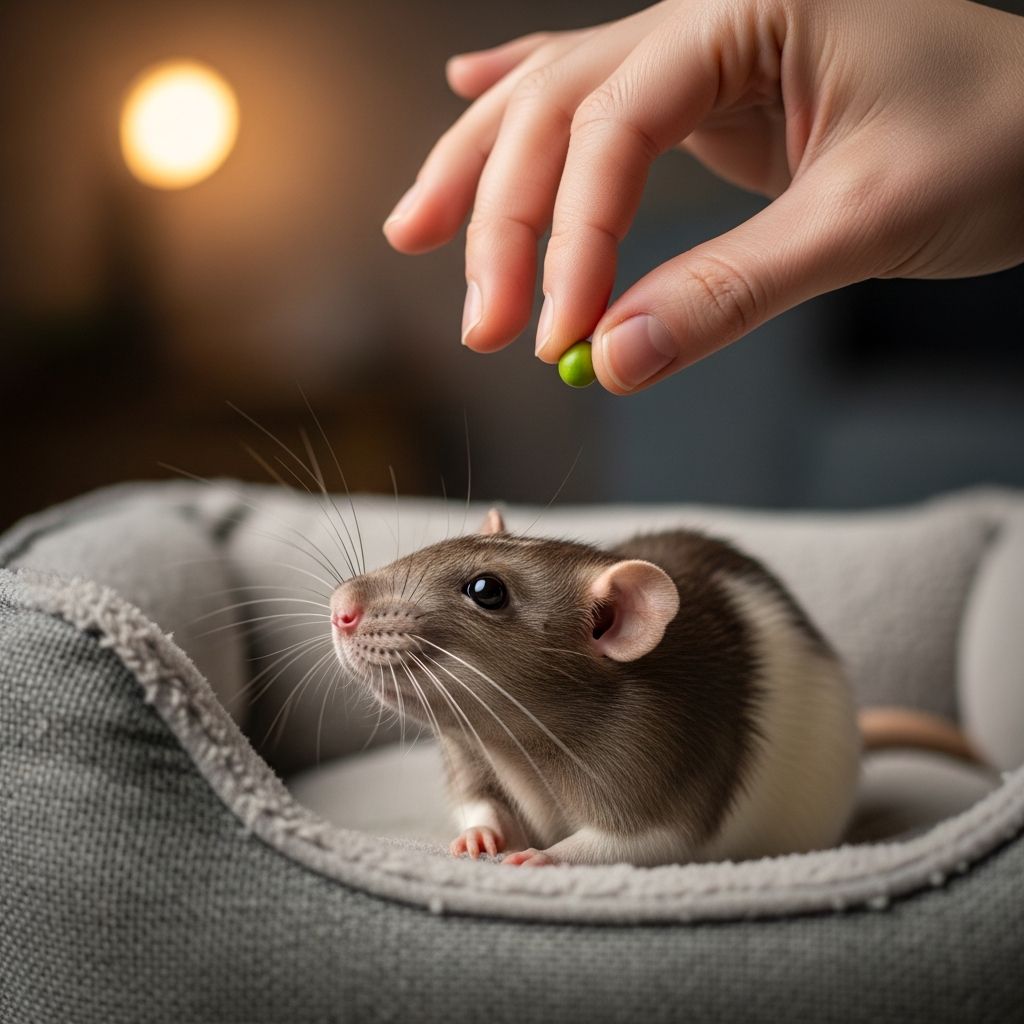
Reward calm behavior with treats and gentle praise. High-value treats like small pieces of fresh vegetables, whole grain bread, or yogurt drops can be powerful motivators. Offer treats through cage bars initially, allowing your rat to take them without the pressure of direct contact. As trust builds, you can offer treats from your hands during gentle interactions. This creates positive associations between your presence and good experiences.
Addressing Specific Fear Triggers
Different rats fear different things, and identifying your specific rat’s triggers allows you to address them systematically.
Fear of People or New Faces
If your rat is fearful of people, gradual exposure combined with positive reinforcement helps desensitize them. Invite trusted friends to interact calmly with your rat, offering treats and speaking softly. Avoid forcing interaction—let your rat approach at their own pace. Over time, repeated positive experiences with different people helps reduce people-related anxiety.
Fear of Handling
Some rats develop fear specifically around being picked up or restrained. For these rats, begin by simply stroking them gently while they are in their cage. Progress to gentle hand-taming exercises where you reward them for making contact with your hand. Only attempt picking them up once they are comfortable with touch and exploration of your hands.
Fear of Novel Situations
Rats naturally fear new environments and situations. If your rat must be transported or placed in an unfamiliar space, acclimate them gradually. Introduce new spaces in short sessions, allowing them to explore while you remain calm and reassuring. Familiar scents from their cage or cagemates can provide comfort during transitions.
The Role of Cagemates in Reducing Anxiety
Rats are highly social animals and benefit from companionship. If your scared rat has a confident, friendly cagemate, this relationship can help reduce anxiety. Confident companions model calm behavior and provide comfort. When a frightened rat observes their cagemate behaving calmly around you, they may gradually adopt this behavior themselves.
However, ensure cagemates are compatible and properly bonded. Incompatible rats or those in conflict will increase stress rather than reduce it. Watch for signs of fighting or bullying, including raised fur, hissing, or one rat consistently being kept from food or rest. If conflict occurs, separate the rats into different cages and consult with a rat-experienced veterinarian about reintroduction strategies.
When to Seek Professional Help
While many cases of rat anxiety respond well to environmental modifications and patient handling, some situations warrant professional intervention. Consult an exotic animal veterinarian if your rat shows signs of illness alongside anxiety, as pain or illness can manifest as fear. Additionally, if your rat shows extreme aggression, self-injury, or no improvement despite consistent efforts, professional behavioral consultation may be beneficial.
A veterinarian can rule out underlying health issues and may recommend strategies tailored to your specific rat’s needs. In some cases, very stressed rats benefit from temporary environmental modifications or medication to reduce anxiety while behavioral modification techniques take effect.
Patience and Long-Term Expectations
Helping a scared rat requires patience and realistic expectations. Some rats overcome anxiety within weeks, while others may take months to feel comfortable. The timeline depends on the severity of their fear, their individual personality, and consistency of your efforts. Celebrate small victories—the first time your rat eats a treat from your hand or explores outside their hideaway represents genuine progress.
Remember that your rat’s fear is not a personal rejection. Rats are prey animals with hardwired instincts toward caution. With consistent, gentle care and proper handling, most rats gradually develop trust and confidence. Many formerly scared rats eventually become affectionate, playful companions that enjoy interaction and exploration.
Frequently Asked Questions
Q: How long does it take for a scared rat to become comfortable?
A: Timeline varies by individual, but most rats show improvement within 2-4 weeks of consistent, gentle interaction. Some may take several months. Patience and consistency are more important than speed.
Q: Can a rat that has been abused ever fully trust again?
A: Yes, many formerly abused rats can learn to trust with proper care. It may take longer and requires extra patience, but rats are remarkably resilient and capable of forming new positive associations.
Q: Should I force my scared rat to interact with me?
A: No. Forcing interaction reinforces fear and damages trust. Allow your rat to approach at their own pace while you create opportunities for positive interactions.
Q: What if my rat is scared of their cagemate?
A: Aggressive or incompatible cagemates increase anxiety. Separate them into different cages and consult with a rat-experienced veterinarian about reintroduction or whether solo housing is appropriate.
Q: Are certain rat breeds more prone to fear?
A: Rats are individuals with unique personalities. While some lines may have predispositions toward certain temperaments, early socialization and environment matter greatly in developing confidence.
Q: How can I tell if my rat’s anxiety requires veterinary attention?
A: If anxiety is accompanied by loss of appetite, weight loss, lack of grooming, or extreme aggression, consult your veterinarian to rule out underlying illness or pain.
References
- Helping A Scared Pet Rat — Lafeber Company. Accessed 2025-11-28. https://lafeber.com/mammals/helping-a-scared-pet-rat/
- 16 Common Pet Rat Behaviors — Lafeber Company. Accessed 2025-11-28. https://lafeber.com/mammals/16-common-pet-rat-behaviors/
- 10 Pet Rat Behaviors and What They Mean — PetMD. Accessed 2025-11-28. https://www.petmd.com/exotic/10-pet-rat-behaviors-and-what-they-mean
- Disease Problems of Small Rodents — PubMed Central, National Institutes of Health. 2020. https://pmc.ncbi.nlm.nih.gov/articles/PMC7152030/
- Reducing stress for guinea pigs, chinchillas and small rodents in veterinary practice — Veterinary Practice. Accessed 2025-11-28. https://www.veterinary-practice.com/article/reducing-stress-for-small-mammals-in-veterinary-practice
- Behavior of Rodents with an Emphasis on Enrichment — Journal of Exotic Pet Medicine. 2011. https://www.ovid.com/journals/jepm/pdf/10.1053/j.jepm.2011.07.001~behavior-of-rodents-with-an-emphasis-on-enrichment
Similar Articles








Read full bio of medha deb