

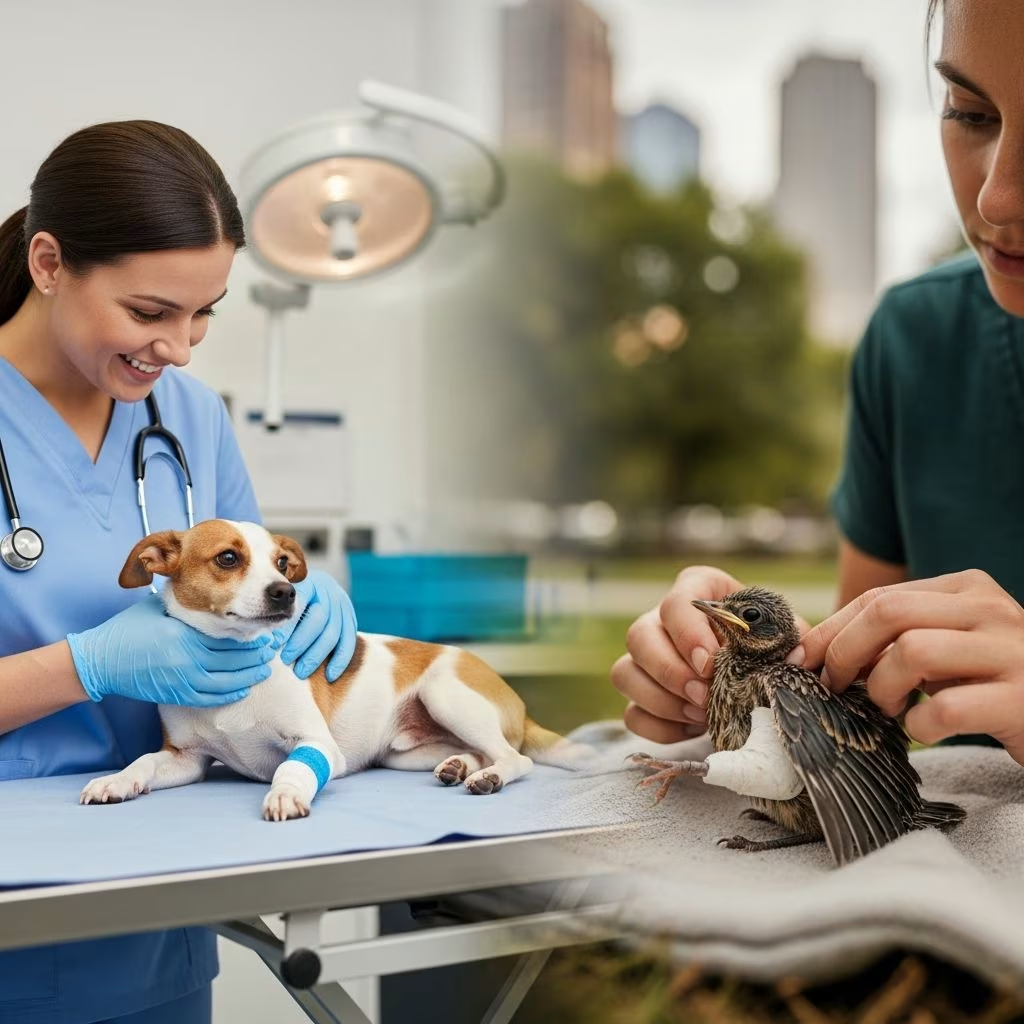
In bustling urban environments, encounters with injured pets or wild animals are increasingly common. Whether it’s a stray cat with a limp, a bird hit by a window, or a squirrel caught in urban hazards, knowing how to respond can make all the difference. This guide equips city residents with practical knowledge to assess situations, provide immediate safe care, and connect animals to professionals. Always prioritize your safety and the animal’s well-being by avoiding direct contact unless necessary and seeking expert advice promptly.
Assessing the Need for Intervention
Before acting, determine if the animal truly requires help. Many young wildlife, such as fledglings or baby rabbits, appear vulnerable but are best left with parents. Observe from a distance: if the animal is active, eating, or fleeing, intervention may not be needed. Signs of distress include open wounds, bleeding, inability to move, closed eyes, lethargy, or exposure to cold. For pets like dogs or cats, visible injuries, unusual behavior, or recent accidents signal urgency.
- Bleeding or wounds: Apply gentle pressure if safe, but contact pros immediately.
- Limping or non-use of limbs/wings: Indicates fractures; do not force movement.
- Unresponsiveness: Check for several hours before assuming need.
- Recent trauma: Cat attacks or car hits demand quick rehab referral.
For urban wildlife, mother animals often nearby; disturbing nests can cause abandonment. Pets showing aggression or foaming may indicate rabies—call emergency services without approaching.
Safe Handling Techniques for Common Urban Animals
Approach with caution to minimize stress, which can be fatal. Wear thick gloves to protect against bites, scratches, parasites, and diseases like rabies. Move slowly, stay out of sight, and use towels or blankets to cover and calm the animal.
Birds and Raptors
Birds suffer frequent urban injuries from windows, cats, or wires. For small songbirds or nestlings, approach from behind, grasp shoulders gently to fold wings, and place in a ventilated box with paper towels. Avoid wire cages. Featherless babies need feeding every 30 minutes—rush to rehab. Injured adults: cover with cloth, secure in bag or box. Raptors demand extra care: use gloves, cover fully, restrain legs swiftly. Never feed without guidance.
Mammals: Squirrels, Rabbits, and Raccoons
Squirrels have sharp teeth and claws; wrap in thick towel for injured adults, use secure wire if active. Rabbits, especially young cottontails, rarely need rescue unless injured, oiled, or cat-exposed—cold or listless ones go to rehab. Raccoons: box over them or broom-sweep into container; punch air holes. Skunks: cover from front, keep face away.
| Animal Type | Handling Method | Container Tips |
|---|---|---|
| Birds | Cover, gentle grasp | Paper bag/box, air holes, towels |
| Squirrels | Towel wrap | Secure box or wire cage |
| Rabbits | Gloves, minimal touch | Dark, warm box |
| Raccoons | Box over or broom | Weighted lid, ventilated |
Bats, Ducks, and Larger Wildlife
Bats: use cardboard slide into box; note rabies risk, record contacts. Ducks pinch hard—handle firmly. Fawns or deer: rarely need urban rescue; contact authorities.
Immediate Care and Transport Protocols
Place secured animals in warm, dark, quiet spots away from pets/children. No food/water unless instructed—risks aspiration or wrong nutrition. For babies, Pedialyte via dropper every 3-4 hours, stimulate elimination with cotton. Transport promptly to rehab; keep boxes covered.
- Warmth: Heating pad on low under half the box.
- Quiet: Minimal checks to reduce stress.
- No meds: Human treatments harm wildlife.
Finding Professional Help: Resources by Location
Locate licensed rehabilitators via state wildlife departments (e.g., DEC in NY), Humane Society directories, or local vets. Cities like NYC offer park reporting via nyc.gov; Wild Bird Fund for avians. Emergencies: 911 for rabies suspects. Vets handle pets; wildlife needs specialists for release prep.
In other areas: Fish & Wildlife, nature centers, or bird stores guide you. Online lists from HSUS pinpoint pros.
Preventing Urban Animal Injuries
Reduce incidents: window decals for birds, secure trash from raccoons, leash pets, avoid feeding wildlife. Educate neighbors on leaving babies alone. Support rehab centers via donations/volunteering.
Frequently Asked Questions (FAQs)
What if the animal seems aggressive?
Do not approach; call rehab or trapper pros.
Can I keep a baby animal overnight?
Yes, with hydration/stimulation; transport ASAP.
How do I know if it’s orphaned?
Check for parents first; cold/listless confirms need.
Is touching wildlife safe?
Use gloves; rabies risks in bats/skunks.
What about injured pets?
Vet immediately; strays to shelters.
Legal and Ethical Considerations
Rehab requires licenses; unlicensed care illegal in many states. Goal: wild release, not pets. Report to authorities as needed.
References
- How to rescue, care for injured or orphaned urban wildlife — Welcome Wildlife. Accessed 2026. https://dev.welcomewildlife.com/proper-rescue-and-care-for-injured-or-orphaned-urban-wildlife/
- Wildlife Rescue: How to Help Orphaned or Injured Animals — Best Friends Animal Society. Accessed 2026. https://bestfriends.org/pet-care-resources/wildlife-rescue-how-help-orphaned-or-injured-animals
- Found an Animal in Need of Help? — City Wildlife. Accessed 2026. https://citywildlife.org/found-animal/
- Resources for Injured Pets and Urban Wildlife — Animal Medical Center. 2017-07-26. https://www.amcny.org/blog/2017/07/26/resources-for-injured-pets-and-urban-wildlife/
- Wildlife Rescue Tips: When and How to Help Animals — PETA. Accessed 2026. https://www.peta.org/issues/wildlife/wildlife-emergencies/
- Wildlife Capture and Transport Manual — Red Creek Wildlife Center. Accessed 2026. http://redcreekwildlifecenter.com/wct.pdf



