

Understanding Fearful Dogs and Visitor Anxiety
Many dog owners struggle with the challenge of having a fearful or anxious dog when visitors arrive at their home. This common behavioral issue affects dogs of all ages, sizes, and backgrounds. Dogs experiencing fear around visitors may exhibit a wide range of reactions, from subtle signs like cowering and hiding to more obvious displays such as barking, growling, lunging, or even attempting to bite. It’s crucial to understand that aggressive behaviors toward visitors are frequently rooted in fear or discomfort rather than dominance or territorial aggression. Recognizing this fundamental truth allows owners to address the underlying anxiety rather than simply punishing the behavior.
Recognizing Signs of Visitor Anxiety in Dogs
Understanding how fear manifests in your dog is the first step toward helping them overcome this challenge. Fearful dogs communicate their anxiety through specific body language and behavioral cues that observant owners can learn to recognize.
Physical Signs of Fear
- Body posture changes: Fearful dogs typically make themselves appear smaller by crouching close to the ground, lowering their head, and tucking or lowering their tail
- Facial expressions: Look for closed mouths, pulled-back mouth corners, furrowed brows, and dilated pupils
- Physiological responses: Trembling, panting, drooling, or sweating through their paws are common physical indicators of anxiety
- Ear position: Ears positioned back against the head signal fear and discomfort
Behavioral Indicators
- Hiding or attempting to escape the situation
- Avoidance of eye contact with visitors
- Pacing or inability to settle and relax
- Whimpering, whining, or excessive barking
- Yawning or lip licking when not related to food
Understanding the Root Causes of Visitor Anxiety
Fear of visitors doesn’t develop randomly. Research and behavioral science have identified several key factors that contribute to a dog’s anxiety around strangers. Understanding these causes is essential because it helps owners address the actual problem rather than just managing symptoms.
Genetic Predisposition
Genetics plays a significant role in how accepting dogs are of unfamiliar people and situations. Some dogs are naturally wired to be cautious of anything new, while others possess an inherent tendency to accept the unfamiliar readily. Studies conducted with pointer breeds in the 1960s demonstrated that fearfulness toward people can be selectively bred into dog populations, indicating a strong genetic component. Dogs descended from shy or fearful parents are statistically more likely to exhibit similar traits. However, genetics alone doesn’t determine a dog’s final behavior—environmental factors and life experiences significantly influence how genetic predispositions manifest.
Inadequate Socialization
Socialization during critical developmental periods is crucial for helping dogs develop confidence around strangers. Dogs that haven’t been exposed to diverse people during their formative weeks and months may struggle to accept new individuals later in life. Proper socialization involves introducing puppies and young dogs to various people in positive contexts, helping them learn that strangers are not threats. The more accustomed a dog becomes to encountering unfamiliar people, the more accepting and comfortable they typically become.
Past Traumatic Experiences
Dogs that have experienced negative interactions with visitors or strangers in the past may develop lasting fear responses. A single frightening encounter can sometimes create lasting anxiety that requires professional intervention to overcome.
Preparing for Your First Steps
Successfully helping a fearful dog requires thoughtful preparation and strategic planning. The approach you take during the initial stages of intervention sets the tone for future progress.
Initial Assessment and Safety Considerations
Before inviting visitors to help with your dog’s behavior modification, assess your dog’s threat level honestly. If your dog has a history of biting or has shown aggressive behaviors such as lunging or snapping toward visitors, take safety precautions seriously. Keep your fearful dog on a leash at a distance from the door or behind a baby gate or similar barrier during initial visits. This protects both your guest and your dog while you work on building confidence. Never assume that your dog will automatically improve without intervention—proper management during the training process is essential.
Rethinking the Doorbell and Door Knock
Many dogs develop strong negative reactions to door knocking or doorbell ringing before they even see a visitor. These sounds can trigger anxiety and create a challenging starting point for behavior modification. If possible, arrange with visitors to arrive quietly without using the doorbell or knocking. This simple adjustment can prevent your dog from becoming upset before the positive training can begin. Some owners find it helpful to desensitize dogs to these sounds separately through gradual exposure and counterconditioning.
Effective Training Techniques for Fearful Dogs
Several evidence-based training approaches have proven effective for helping fearful dogs overcome anxiety around visitors. These methods focus on changing your dog’s emotional response to strangers rather than simply controlling behavior through punishment.
Classical Counterconditioning
Classical counterconditioning (CC) is a powerful technique that pairs the feared stimulus—in this case, strangers—with something your dog loves, such as high-value treats like chicken or steak. The key to success is presenting the feared stimulus at very low intensity, meaning it shouldn’t trigger fear in your dog.
For example, a visitor might sit quietly across the room at a distance where your dog notices them but doesn’t become anxious. At this low-intensity level, you reward your dog with treats, gradually building a positive association. Your dog learns to expect something delicious when they see a stranger, which over time transforms their emotional response from fear to anticipation and happiness.
Gradual Intensity Progression
Progress should be made gradually and systematically. Start with:
- A single visitor at a time (multiple people increase complexity)
- The visitor positioned at a distance that doesn’t trigger fear
- The visitor remaining still or sitting rather than approaching
- Short interaction periods that end on a positive note
As your dog demonstrates comfort at each level, gradually increase the intensity by decreasing distance, having the visitor move slowly, or introducing additional people. This methodical approach builds confidence incrementally and prevents setbacks from overwhelming your dog.
During the Visitor Interaction
When visitors arrive, how you manage the interaction significantly impacts your dog’s learning and progress. Strategic management creates opportunities for your dog to practice positive behaviors and form new associations.
Preparation and Communication
Brief your visitors thoroughly before they interact with your dog. Explain that your dog is working on building confidence and may not yet be comfortable with direct approaches or touching. Provide specific instructions on how to behave around your dog:
- Avoid making direct eye contact, which some dogs interpret as threatening
- Move slowly and calmly without sudden movements
- Allow your dog to approach them rather than the visitor approaching your dog
- Let your dog initiate any sniffing or investigation
- Avoid petting unless your dog clearly seeks physical contact
Managing Touch and Physical Contact
Petting is not universally rewarding to dogs, particularly those experiencing fear. Fearful dogs may nip or snap at people who attempt to touch them, and each instance of this inappropriate behavior strengthens the habit. Prevent your dog from practicing these negative behaviors by controlling who touches them and when. Praise your dog enthusiastically when they display calm, friendly behaviors such as sniffing calmly or approaching voluntarily without jumping or growling.
Treat Distribution Strategy
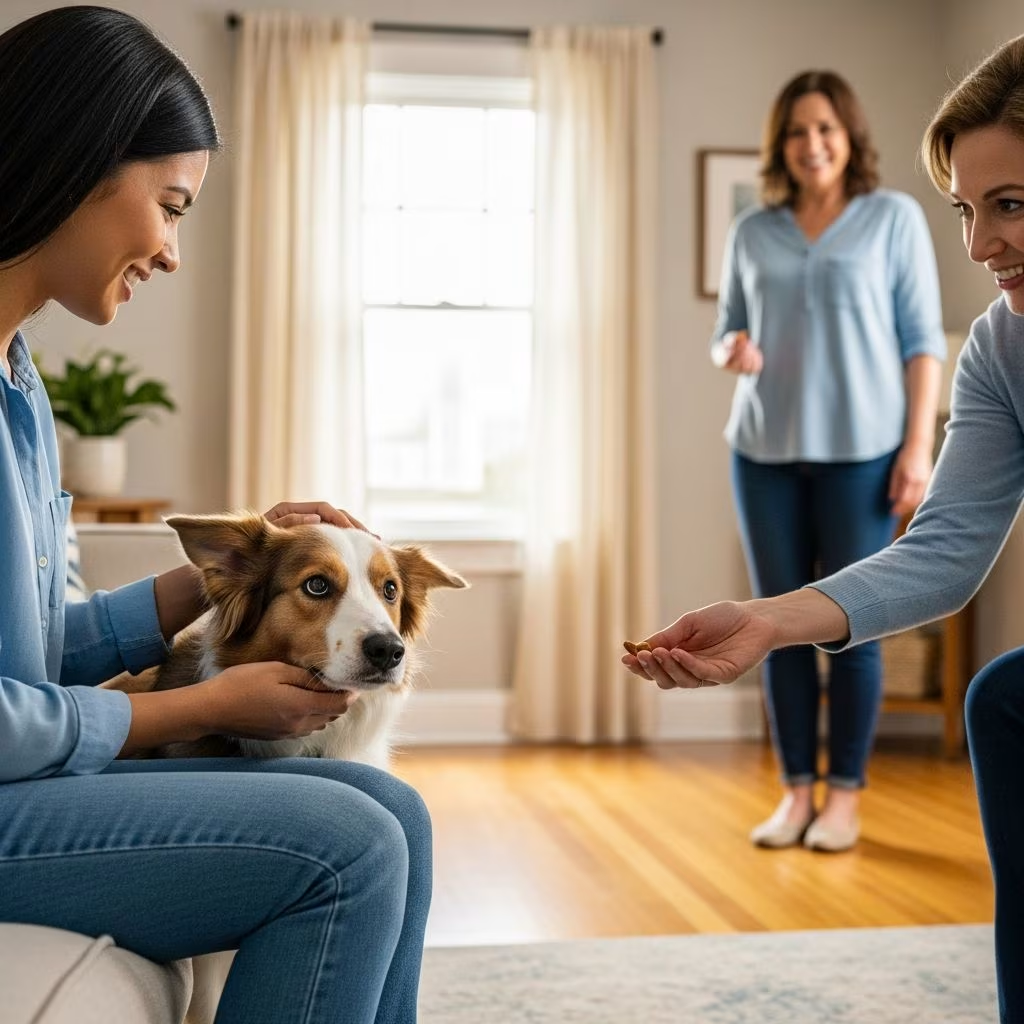
Allow your visitor to distribute treats to your dog. This creates a direct positive association between the visitor’s presence and something valuable. Your dog begins to understand that visitors predict good things will happen, transforming strangers from sources of anxiety into predictors of rewards.
Building on Success: The Long-Term Approach
Overcoming visitor anxiety in fearful dogs requires patience, consistency, and ongoing effort. Progress is typically gradual, and setbacks occasionally occur, particularly if your dog encounters a frightening situation or skips training for a period.
Expanding Your Dog’s Social Circle
The more visitors your dog meets in controlled, positive circumstances, the better they typically become at accepting strangers. Vary your visitors—different genders, ages, appearances, and energy levels all provide valuable learning opportunities. Each positive interaction with a new person reinforces your dog’s emerging belief that strangers are sources of good things, not threats.
Creating New Associations
Your goal is to fundamentally change your dog’s emotional response to visitors. Initially, your dog’s mental association might be: STRANGERS = SCARY STIMULUS = BAD FEELINGS. Through consistent counterconditioning and positive experiences, this gradually transforms to: STRANGERS = GOOD FOOD = GOOD FEELINGS. Eventually, your dog comes to anticipate positive outcomes when visitors arrive, looking forward to the experience rather than dreading it.
Additional Strategies for Success
Beyond the core training techniques, several additional strategies can support your efforts to help your fearful dog accept visitors.
Optimal Environmental Setup
| Strategy | Purpose | Implementation |
|---|---|---|
| Greet guests outside first | Reduces territorial responses by having visitors enter as established territory members | Meet guest at the door or outside, then invite them in after initial greeting |
| Keep interactions brief initially | Prevents overwhelming your dog and allows them to end on a positive note | Limit first visits to 10-15 minutes, gradually extending duration |
| Provide a safe space | Gives your dog an escape option if they become too anxious | Leave a crate, bedroom, or other quiet area accessible if your dog needs to retreat |
| Minimize sensory triggers | Reduces unnecessary anxiety sources during training | Request visitors avoid strong perfumes or sudden movements |
Consistency in Training
Consistency is vital for success. All family members and visitors should follow the same protocols and reward your dog’s positive behaviors identically. Inconsistent responses confuse your dog and can slow progress. Develop a simple set of rules that everyone understands and follows.
When to Seek Professional Help
Some dogs’ fear around visitors is severe enough to warrant professional intervention. If your dog shows signs of extreme anxiety, has a history of biting, or isn’t making progress with your own training efforts after several weeks of consistent work, consult a certified professional dog trainer or veterinary behaviorist. These experts can provide customized training plans and ensure your approach is appropriate for your dog’s specific situation.
Frequently Asked Questions
Q: How long does it typically take for a fearful dog to overcome visitor anxiety?
A: The timeline varies significantly based on your dog’s age, the severity of their fear, and consistency of training. Some dogs show improvement within weeks, while others require months of consistent counterconditioning. Patience and persistence are essential.
Q: Can adult dogs overcome fear of visitors, or is it only possible in puppies?
A: Adult dogs can absolutely overcome visitor anxiety through proper training. While early socialization prevents these issues, dogs of any age can learn new associations and build confidence with patience and the right approach.
Q: Is it okay to use punishment or scolding to stop my dog from barking at visitors?
A: No. Punishment typically increases anxiety and fear, making the behavior worse. Counterconditioning and reward-based training address the underlying fear and create lasting positive change.
Q: What should I do if my dog bites a visitor?
A: Prioritize safety immediately. Contact your veterinarian and consider consulting a certified professional behaviorist. You may need to manage visitor interactions very carefully—through crating, separate rooms, or other containment—until your dog makes substantial progress.
Q: Can medication help my fearful dog with visitor anxiety?
A: In some cases, your veterinarian may recommend anti-anxiety medication to help your dog become calm enough to participate in training. Medication is typically most effective when combined with behavioral training, not as a standalone solution.
References
- Scaredy Dogs and Strangers – Part 1 — American Veterinary Society of Animal Behaviorists (AVSAB). 2024. https://avsab.org/scaredy-dogs-and-strangers-part-1/
- Stranger Danger — the 411 on Dogs Who Fear New People — Kinship. 2024. https://www.kinship.com/dog-behavior/dog-has-stranger-danger-new-people
- How to Help an Anxious Dog Conquer Their Fears — Kinship. 2024. https://www.kinship.com/dog-behavior/helping-fearful-dogs
- Introducing Fearful Dogs to Visitors at Your Home — Jersey Dog Trainer. 2015. https://jerseydogtrainer.com/2015/05/30/introducing-fearful-dogs-to-visitors-at-your-home/
- Helping Dogs Cope With Visitors to Your Home — Blue Ridge Farmers Coop. 2024. https://blueridgefarmerscoop.com/blogs/news/helping-dogs-cope-with-visitors-to-your-home
- Understanding Eye Contact With Fearful Dogs: What Every Shelter Worker Should Know — AOL. 2024. https://www.aol.com/understanding-eye-contact-fearful-dogs-160000320.html



