

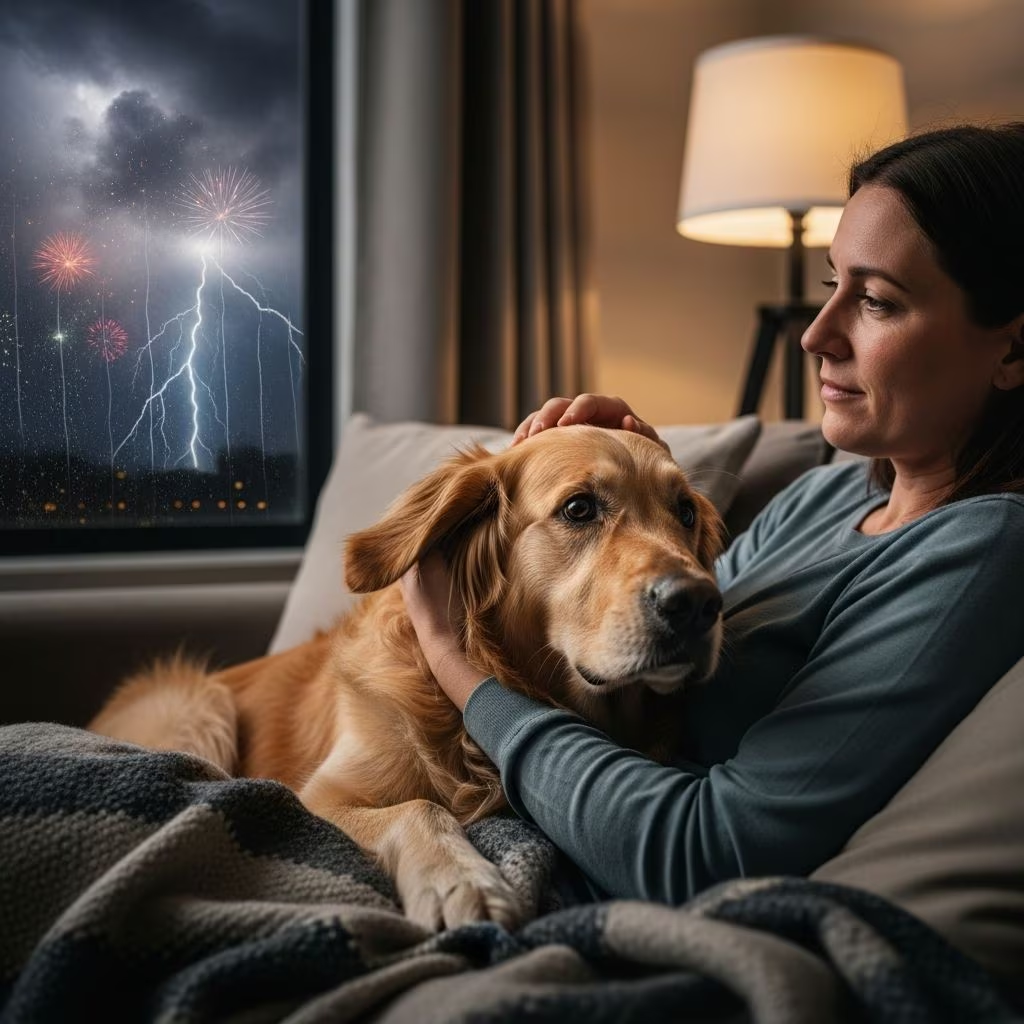
Understanding Storm and Fireworks Phobias in Dogs
Many dogs experience intense fear and anxiety during thunderstorms and fireworks displays. This is one of the most common behavioral problems affecting pet dogs today, causing significant emotional distress to both dogs and their owners. When dogs develop phobias related to storms and fireworks, they may exhibit destructive behaviors, attempt to escape, or become paralyzed with fear. Understanding the nature of these phobias is the first step toward helping your dog overcome them and regain a sense of calm and security.
Dogs with storm and fireworks phobias often show visible signs of distress including trembling, panting, pacing, excessive salivation, and attempts to hide or escape. Some dogs may become destructive or engage in self-harming behaviors when frightened. These responses indicate that your dog is experiencing genuine emotional distress that requires intervention and compassionate management.
Recognizing the Signs of Severe Phobias
It is essential to identify and understand the specific signs your dog displays when experiencing storm or fireworks anxiety. Dogs may show their fear in different ways, and recognizing these signals early allows you to implement appropriate interventions before the behavior escalates. Early recognition and treatment can prevent the fear from developing into more severe behavioral problems.
Common signs of storm and fireworks phobias include:
- Trembling or shaking
- Excessive panting or drooling
- Pacing or restlessness
- Attempting to hide or seeking shelter
- Destructive behavior or property damage
- Loss of appetite
- Excessive vocalization such as barking or whining
- Attempts to escape or flee
- Dilated pupils or other signs of panic
Systematic Desensitization and Counterconditioning
The most effective behavior modification technique for treating storm and fireworks phobias is systematic desensitization combined with counterconditioning. This evidence-based approach gradually exposes your dog to the feared stimulus at a level low enough to prevent a fear response, while simultaneously building positive associations with the trigger.
How Desensitization Works
Desensitization involves gradually exposing your dog to increasing levels of the feared stimulus over time. The key principle is to start at a level of challenge your dog can handle and then progress to more challenging situations as your dog becomes more comfortable. This controlled, gradual approach allows your dog’s nervous system to adapt without becoming overwhelmed or frightened.
Implementing Counterconditioning
Counterconditioning directs your dog’s emotional response to stimuli from negative to positive. During training sessions, you introduce the sound at a barely audible level while your dog is in a relaxed state. Using treats, praise, and positive reinforcement, you help your dog associate the previously frightening sound with pleasant experiences and rewards.
Step-by-Step Training Process
Begin by teaching your dog a conditioned relaxed response using commands such as “settle on the mat” or “relax.” Practice this command for several minutes each day until your dog can reliably enter a calm state on cue. Once your dog masters this foundation, you can introduce the audio trigger at an extremely low volume during the relaxation session. Have an assistant praise and reward your dog for maintaining calm behavior. Gradually increase the volume over multiple sessions as your dog demonstrates comfort at each level. This process requires patience and consistency but delivers lasting results.
Environmental Management Strategies
While behavior modification is being implemented, environmental management techniques help reduce your dog’s immediate anxiety and create a safe space during frightening events.
Creating a Safe Haven
Establish a designated safe space in your home where your dog can retreat when afraid. An interior room away from windows is ideal for storm-related fears, as it minimizes both the visual and auditory aspects of the storm. Make this space comfortable with familiar bedding, toys, and blankets. Condition your dog to have positive associations with this area by giving treats and practicing relaxation exercises here when your dog is not frightened. When storms or fireworks occur, your dog can naturally retreat to this haven without force or coercion.
Reducing Environmental Triggers
Whenever possible, minimize your dog’s exposure to the sounds and visual cues that trigger fear. Close curtains and blinds to reduce lightning flashes. Play white noise, calming music, or use sound machines to mask or muffle the frightening sounds. Some pet owners find success with apps and recordings specifically designed to help anxious dogs. Create multiple layers of noise reduction through environmental modifications.
Managing Physical Comfort
Ensure your dog has secure footing in all areas of your home. Slippery floors or surfaces can increase anxiety by making your dog feel off-balance or unstable. Use rugs, non-slip mats, or other flooring modifications to provide stability. Keep your dog in familiar, secure locations rather than forcing outdoor activities during storms or fireworks.
Anxiety Wraps and Supportive Products
Several commercially available products may help reduce storm and fireworks anxiety in dogs. Anxiety wraps such as the Thundershirt™ are designed to apply gentle pressure to your dog’s body, which may have a calming effect. These wraps work similarly to swaddling techniques used for anxious infants and can help reduce trembling and ambulatory behavior in frightened dogs.
Pheromone products such as Adaptil® can also reduce anxiety in dogs. These products contain dog-appeasing pheromones that promote calmness and relaxation. Adaptil is available as diffusers that plug into electrical outlets, as well as collars and products that can be applied directly to your dog’s bedding. When used consistently, pheromone products may enhance the overall effectiveness of your anxiety management plan.
Additional supportive items include Storm Defender Capes™, which function as body wraps and may reduce static discharge associated with anxiety, and the ThunderCap™, which lessens your dog’s visualization of stimuli that predict scary noises. These products work best when properly introduced and accepted by your dog before frightening events occur.
Medication Options for Severe Phobias
For dogs experiencing extreme fear or phobic responses, behavior modification techniques alone may not provide sufficient relief. In these cases, medication can be an invaluable component of a comprehensive treatment plan. Medications reduce the intensity of fear and anxiety, making your dog more receptive to behavior modification training while providing relief from emotional suffering.
Long-Term Anxiety Management
If your dog’s fear is very high and storms or fireworks occur frequently in your area, your veterinarian might prescribe daily medication to maintain a reduced baseline anxiety level throughout the year. These daily medications continuously reduce your dog’s anxiety and may prevent fear from escalating during exposure to triggers. Common medications used for this purpose include gabapentin, trazodone, and clonidine, which may be prescribed alone or in combination depending on your dog’s specific needs.
As-Needed Medication
If the fear is not extreme and events are infrequent or can be anticipated, your dog might benefit from medication that works quickly and can be used only when needed. These as-needed medications can be administered before known trigger events such as New Year’s Eve fireworks or during predicted severe weather. This approach provides targeted relief during specific high-risk periods without requiring year-round medication.
Types of Medications
Your veterinarian can prescribe various medications designed to reduce fear, anxiety, and related behaviors. These pharmaceutical options have been researched and proven safe for canine use when administered at appropriate dosages under veterinary supervision. Medication decisions should always be made in consultation with your veterinarian, who can assess your dog’s individual health status and recommend the most appropriate option for your situation.
Creating a Comprehensive Treatment Plan
The most effective approach to treating severe storm and fireworks phobias involves combining multiple strategies into a comprehensive, individualized treatment plan. Dogs with high levels of fear benefit from a structured approach that addresses both the behavioral and physiological aspects of anxiety.
Initial Assessment
Begin by scheduling an appointment with your veterinarian to evaluate your dog’s fear level and overall health. Your veterinarian can identify any underlying medical conditions that may contribute to or exacerbate your dog’s behavior and can create an appropriate behavioral treatment plan. If your dog’s phobia is severe or complex, your veterinarian may refer you to a board-certified veterinary behaviorist or certified applied animal behaviorist who specializes in anxiety-related issues.
Combining Techniques
A successful treatment plan typically includes environmental management to reduce immediate stress, desensitization and counterconditioning training for long-term improvement, medication if necessary to enhance behavior modification and provide relief, and supportive products such as anxiety wraps or pheromone diffusers to support overall calmness. The specific combination will depend on your dog’s individual temperament, the severity of the phobia, and your home environment.
Training Considerations and Professional Help
Implementing desensitization and counterconditioning techniques requires careful attention to your dog’s responses and proper execution of training protocols. Improper implementation can actually increase fear and anxiety rather than reduce it. For this reason, working with a qualified professional is highly recommended, especially for dogs with severe phobias.
A board-certified veterinary behaviorist, certified applied animal behaviorist, or professional positive reinforcement trainer can design a customized treatment plan tailored to your dog’s specific needs and circumstances. These professionals have advanced training in canine behavior and can guide you through the desensitization process, ensuring that exposure levels remain appropriate and that your dog makes consistent progress toward recovery.
Owner Behavior and Anxiety Management
Your own emotional state significantly influences your dog’s anxiety levels. Dogs are highly attuned to their owners’ emotions and energy. During storms or fireworks, if you project nervousness or anxiety, your dog will pick up on these signals and may become more fearful. To ease your dog’s anxiety, you must first ease your own. Take deep breaths, move slowly and deliberately, and project calm confidence. Your composed demeanor provides reassurance to your dog that the situation is manageable and not genuinely dangerous.
Frequently Asked Questions
Q: How long does it take to see improvement with desensitization training?
A: The timeline varies depending on your dog’s individual temperament and the severity of the phobia. Some dogs show noticeable improvement within weeks, while others may require several months of consistent training. Regular, patient practice yields the best results.
Q: Can medication alone cure my dog’s storm phobia?
A: Medication reduces anxiety and makes behavior modification more effective, but it is not typically a complete cure on its own. The best results come from combining medication with behavioral training and environmental management.
Q: Is it safe to use anxiety wraps during storms?
A: Yes, anxiety wraps like Thundershirt™ are designed specifically for use during stressful events and are safe when properly fitted. Always ensure the wrap is snug but not so tight that it restricts breathing or movement.
Q: What should I avoid doing when my dog is frightened during a storm?
A: Avoid forcing your dog out of hiding spaces, punishing fearful behavior, or excessively coddling your dog in a way that reinforces the fearful response. Instead, remain calm and allow your dog to retreat to a safe space while maintaining your composed demeanor.
Q: Should I consult a veterinarian before starting desensitization training?
A: Yes, it is important to consult your veterinarian first to rule out any underlying medical conditions and to discuss whether medication might be beneficial alongside behavioral training.
Q: Can I use preventative measures to stop phobias from developing?
A: Early socialization and positive exposure to various sounds and experiences during puppyhood can help prevent phobias from developing. However, some dogs are genetically predisposed to anxiety and may develop fears regardless of early experiences.
References
- Treating Fear of Storms and Fireworks in Dogs — VCA Animal Hospitals. Accessed 2025. https://vcahospitals.com/know-your-pet/treating-fear-of-storms-and-fireworks-in-dogs
- Fear of Noises and Places in Dogs — VCA Animal Hospitals. Accessed 2025. https://vcahospitals.com/know-your-pet/fear-of-noises-and-places-in-dogs
- Fears and Phobias in Dogs – Animals and People — VCA Animal Hospitals. Accessed 2025. https://vcahospitals.com/know-your-pet/fears-and-phobias-in-dogs—animals-and-people
- Therapy and Prevention of Noise Fears in Dogs—A Review of Current Treatment Options — National Center for Biotechnology Information (NIH). 2023. https://pmc.ncbi.nlm.nih.gov/articles/PMC10705068/
- Taking an Anxious Dog to the Vet: 8 Tips and Tricks — Rover.com. Accessed 2025. https://www.rover.com/blog/taking-an-anxious-dog-to-the-vet/
- Trazodone for Dogs & Cats: Indications, Dosage, & Effects — Clinician’s Brief. Accessed 2025. https://www.cliniciansbrief.com/article/trazodone-dogs-cats



