

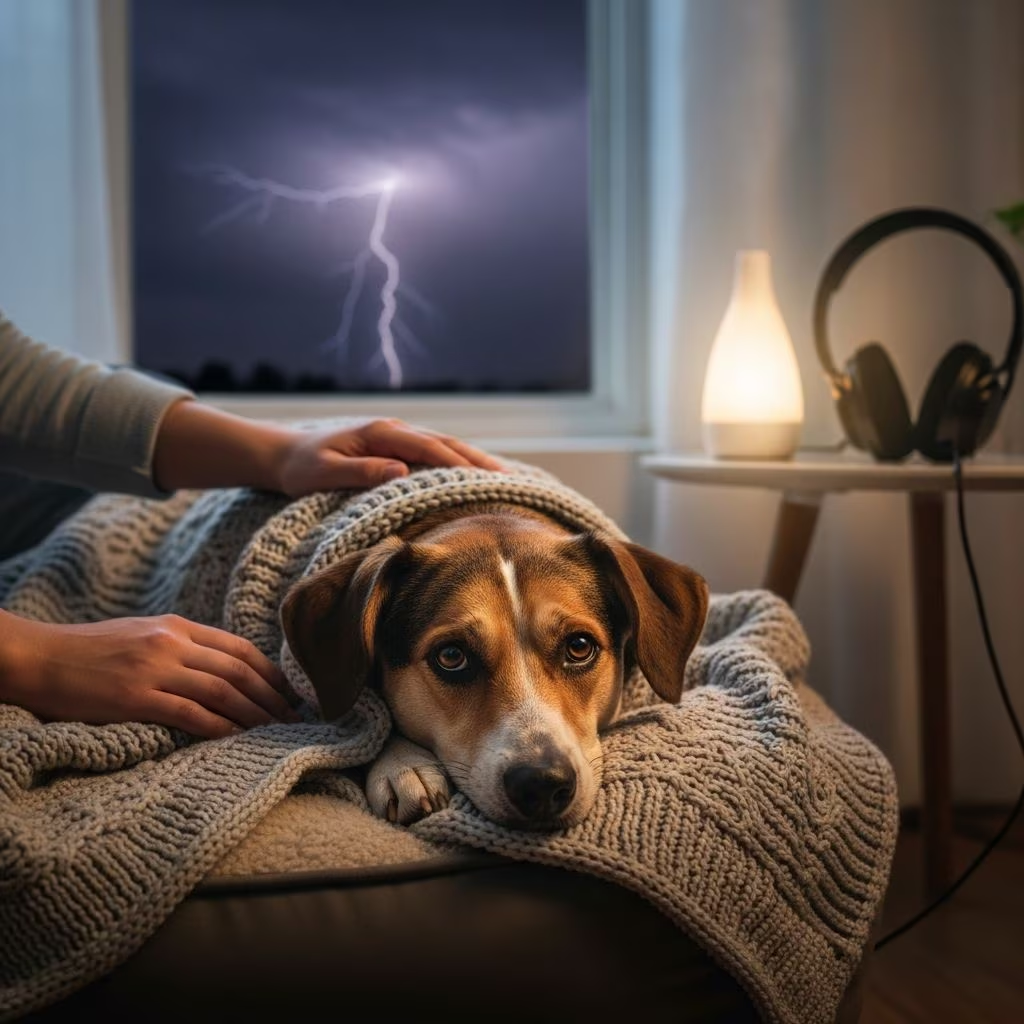
Understanding Severe Phobias in Dogs During Storms and Fireworks
Many dogs experience significant distress during thunderstorms and fireworks, exhibiting behaviors that range from mild anxiety to severe panic. These noise-based fears represent one of the most common behavioral problems in pet dogs, affecting their quality of life and causing considerable emotional suffering. Unlike simple fear, which is a normal protective response, a phobia is an intense, irrational fear that causes dogs to panic and may lead to destructive behavior, self-injury, or attempts to escape. Dogs with severe phobias during storms and fireworks require comprehensive treatment plans that address both the emotional and behavioral aspects of their anxiety.
Understanding the nature of your dog’s fear is the first step toward providing effective help. Some dogs may display mild signs of nervousness such as panting or seeking shelter, while others may exhibit extreme behaviors including destruction, urination or defecation indoors, drooling, trembling, or attempts to flee. Recognizing these signs early and seeking professional intervention can prevent the phobia from escalating into a more serious condition.
Behavior Modification Techniques for Storm and Fireworks Phobias
Systematic Desensitization and Counterconditioning
The most effective behavior modification technique for treating fears and phobias related to fireworks and thunderstorms is systematic desensitization combined with counterconditioning. These complementary techniques work together to gradually reduce your dog’s fear response and replace it with positive associations.
Desensitization involves purposely and gradually exposing your dog to the sound that triggers fear, starting at an extremely low volume where no fear response occurs. Over multiple sessions, you incrementally increase the sound intensity while your dog remains calm. Counterconditioning directs your dog’s emotional response to the stimulus from negative to positive by pairing the sound with highly rewarding experiences, such as favorite treats or play sessions.
Step-by-Step Desensitization Process
Begin your desensitization program by first teaching your dog a conditioned relaxed response. Spend several weeks before storm season or fireworks periods training your dog to settle on a mat, sit, stay, or lie down on command. This foundation is essential for the program’s success.
During each desensitization session, follow these steps:
- Start with 5-10 minutes of practicing the conditioned relaxed response to ensure your dog can achieve and maintain calm behavior
- Introduce the sound at barely audible levels—so quiet that your dog shows no distress whatsoever
- Place your dog on the “relax” or “settle” command and have an assistant praise and reassure your dog for staying calm
- If your dog cannot maintain composure, reduce the sound intensity further before progressing
- Gradually increase the volume across multiple sessions, always ensuring your dog remains calm and responsive to the relaxation command
- Pair sound exposure with high-value rewards to create positive associations
- Practice sessions should be brief and end on a positive note
For desensitization and counterconditioning programs to succeed, you must have reliable control over your dog, an abundance of strongly motivating rewards, precise control over the stimulus intensity, and a well-constructed progression plan. A secure leash and body harness provide essential safety control during exposure exercises. For powerful or large dogs, a head halter may provide additional control necessary to safely conduct the training.
Medication Options for Severe Phobias
When Medication May Be Necessary
For many dogs with severe phobias, behavior modification alone may not be sufficient, particularly if the fear response is extremely intense or if your dog cannot remain calm enough to learn during the exposure sessions. In these cases, medications designed to reduce anxiety and fear intensity can significantly enhance the effectiveness of behavioral treatment. Medication can reduce the time required to achieve positive outcomes and prevent the phobia from worsening.
Common Medications for Storm and Fireworks Phobias
Several medications may be prescribed for dogs displaying severe fear and anxiety related to storms and fireworks. These include gabapentin (brand name Neurontin®), trazodone (Desyrel®), and clonidine (Duraclon®, Catapres®), which may be used alone or in combination. Your veterinarian will determine the most appropriate medication based on your dog’s specific situation, the severity of the phobia, and how frequently the anxiety-triggering events occur.
For dogs with constant exposure to potential triggers (such as those living in areas with frequent thunderstorms), a veterinarian might prescribe daily preventative medications that maintain a consistent level of anxiety reduction throughout the day. Conversely, if the fear-inducing events are infrequent or unpredictable, your veterinarian may recommend an as-needed medication that works quickly and can be administered only when storm activity is anticipated or fireworks are occurring.
Environmental Management and Safety Measures
Creating a Safe Haven
Creating a designated safe space where your dog can retreat when frightened is a crucial component of managing storm and fireworks phobias. This haven should be an interior room, away from windows and external doors, where the sounds of storms and fireworks are muffled and your dog feels secure.
Prepare this space by:
- Placing comfortable bedding or a crate with familiar toys and items that smell like the dog’s owner
- Providing treats and praise in this location during non-stressful times to create positive associations
- Installing a white noise machine to mask external sounds
- Keeping the door accessible so your dog can enter freely when needed
- Providing a food-dispensing toy with special treats that your dog can enjoy in the safe area during storm events
Sound and Stimulus Reduction
Beyond creating a physical safe space, you can make environmental modifications to decrease your dog’s perception of frightening sounds. Playing calming music, using white noise machines, closing windows and curtains, and ensuring interior doors are closed can all help minimize the intensity of external sounds. During peak storm seasons or holidays with fireworks, maintaining these environmental modifications throughout the day can provide ongoing relief for noise-sensitive dogs.
Specialized Products and Tools
Anxiety Wraps and Body Wraps
Several specialized products may help promote calm and reduce anxiety in dogs experiencing storm and fireworks phobias. Body wraps such as a Thundershirt® or Anxiety Wrap® are designed to apply gentle, consistent pressure that may have a calming effect similar to swaddling. These wraps may reduce pacing and other anxious ambulatory behaviors. A Storm Defender Cape™ functions both as a body wrap and is designed to reduce static electricity discharge that some researchers believe may contribute to storm anxiety in sensitive dogs.
Visual Stimulus Reduction
If properly introduced and accepted by your dog, a ThunderCap® can minimize your dog’s visualization of environmental stimuli that predict scary noises. This tool may be particularly helpful for dogs whose anxiety is triggered by visual cues associated with storms, such as darkening skies, wind, or the preparation behaviors of anxious owners.
Professional Help and When to Seek It
Consulting Your Veterinarian
If your dog experiences extreme fear or phobic behaviors related to storms and fireworks, professional intervention is essential. Dogs that suffer from severe phobias experience genuine emotional distress and may harm themselves or damage property in their panic. Additionally, dogs with noise-based fears are at increased risk of developing other anxiety-based conditions, including separation anxiety and general anxiety disorder.
Schedule an appointment with your veterinarian to:
- Rule out underlying medical conditions that may cause or worsen anxiety behaviors
- Receive a thorough evaluation of your dog’s fear level and phobia characteristics
- Obtain prescriptions for appropriate anti-anxiety medications if indicated
- Receive referrals to qualified behavior professionals
- Develop a comprehensive treatment plan tailored to your dog’s specific needs
Working with Behavior Specialists
Your veterinarian may refer you to a board-certified veterinary behaviorist or certified applied animal behaviorist who can provide specialized expertise in managing severe phobias. These professionals can design customized treatment plans that combine medication management, systematic desensitization, and environmental modifications. A qualified trainer specializing in positive reinforcement methods can also be instrumental in teaching the foundational relaxation responses necessary for successful desensitization programs.
Implementation Timeline and Expectations
Short-Term vs. Long-Term Management
Managing severe phobias requires both immediate intervention to keep your dog safe during storm and fireworks events and long-term behavioral modification to gradually reduce the fear response. In the short term, the focus should be on keeping your dog as calm and safe as possible through environmental management, medication if prescribed, and providing access to the designated safe space.
Long-term success involves consistent practice with desensitization exercises during non-storm periods. Begin desensitization training weeks or months before known high-risk periods, such as the Fourth of July holiday or during your area’s typical thunderstorm season. Gradual progress, patience, and consistency are essential for success, as rushing the process or progressing too quickly can actually worsen the phobia.
Frequently Asked Questions
Q: How long does it take to overcome a dog’s storm or fireworks phobia?
A: The timeline varies depending on the severity of the phobia, your dog’s individual temperament, and consistency with treatment. Some dogs may show improvement within weeks, while severe cases may require months of dedicated training. Combining behavior modification with medication often accelerates progress.
Q: Can I use punishment or force to help my dog overcome storm fears?
A: No. Punishment and force will only increase your dog’s anxiety and worsen the phobia. Positive reinforcement-based training and medication are the evidence-based approaches that actually work.
Q: Will my dog always need medication for storm phobias?
A: Not necessarily. Some dogs can eventually be weaned off medication once behavioral improvements have been established through consistent desensitization and counterconditioning. Your veterinarian can guide you on medication adjustments as your dog improves.
Q: What should I do if my dog escapes during a thunderstorm?
A: Ensure your dog is microchipped and wears an ID tag. Keep doors and gates secure. If your dog does escape, contact local animal control and veterinary clinics immediately. Prevention through secure containment and anxiety management is the best strategy.
Q: Can I comfort my dog during a storm without making things worse?
A: Gentle, calm presence and access to their safe space is helpful. Excessive coddling may inadvertently reinforce fearful behavior, so maintain a calm demeanor yourself, as dogs often pick up on their owners’ anxiety levels.
References
- Treating Fear of Storms and Fireworks in Dogs — VCA Animal Hospitals. Accessed 2025. https://vcahospitals.com/know-your-pet/treating-fear-of-storms-and-fireworks-in-dogs
- Fear of Noises in Dogs — VCA Animal Hospitals. Accessed 2025. https://vcahospitals.com/know-your-pet/fear-of-noises-and-places-in-dogs
- Overcoming Fears with Desensitization and Counterconditioning — VCA Animal Hospitals. Accessed 2025. https://vcahospitals.com/know-your-pet/overcoming-fears-with-desensitization-and-counterconditioning
- Therapy and Prevention of Noise Fears in Dogs—A Review of Current Scientific Evidence — National Institutes of Health, PMC. 2023. https://pmc.ncbi.nlm.nih.gov/articles/PMC10705068/
- Fears and Phobias in Dogs – Animals and People — VCA Animal Hospitals. Accessed 2025. https://vcahospitals.com/know-your-pet/fears-and-phobias-in-dogs—animals-and-people
- Fear of Places in Dogs — VCA Animal Hospitals. Accessed 2025. https://vcahospitals.com/know-your-pet/fear-of-places-in-dogs



