

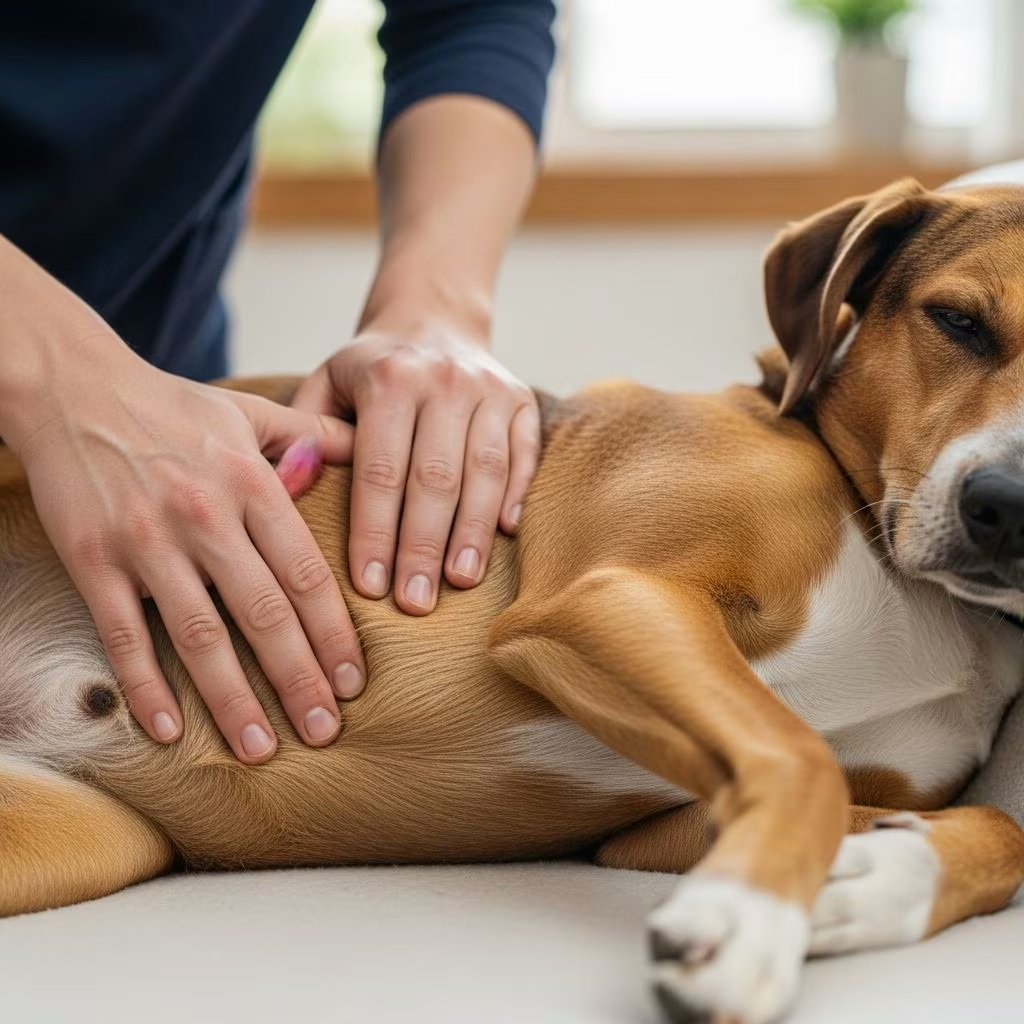
Constipation affects many dogs, causing discomfort and straining during bowel movements. Gentle massage can stimulate digestion and encourage pooping when used correctly alongside veterinary advice.
Understanding Canine Constipation
Dogs experience constipation when stool hardens or bowel movements become infrequent, often due to dehydration, poor diet, lack of exercise, or medical issues like blockages. Unlike humans, canine causes vary widely, including stress from travel or medications. Recognizing symptoms early—such as unproductive straining, small dry stools, or lethargy—allows timely intervention.
While massages promote relaxation and gut motility, they are not a standalone cure. Veterinary diagnosis rules out serious conditions like tumors or impactions, ensuring safety.
Why Massage Supports Dog Digestion
Massage relaxes the nervous system, reduces stress-induced gut slowdown, and enhances blood flow to abdominal muscles. In humans, studies confirm abdominal rubs increase bowel frequency by easing tension and boosting peristalsis—the wave-like contractions moving food through intestines.
For dogs, similar benefits apply, particularly for mild cases tied to anxiety or post-surgery recovery. A relaxing touch signals safety, calming the parasympathetic system for better motility. Always pair with hydration, fiber-rich foods like pumpkin, and walks.
Essential Preparations Before Massaging
Success hinges on a calm environment. Choose a quiet space free from distractions. Tire your dog with a 20-30 minute walk to stimulate natural urges and induce drowsiness. Offer water but avoid feeding right before to prevent nausea.
Test tolerance: Spend 5-10 minutes petting to gauge comfort. If your dog tenses or pulls away, postpone. Use treats for positive association, especially with puppies or anxious breeds.
- Select soft lighting and a non-slip mat for stability.
- Warm your hands by rubbing them together.
- Have a timer for 10-15 minute sessions.
- Keep sessions daily for prevention, 2-3 times for relief.
Full-Body Relaxation Massage
Begin with overall relaxation to prime the body. Sit beside your dog on their preferred side. Use flat palms for long, slow strokes from neck to tail base, paralleling the spine without pressing bones. Apply feather-light to moderate pressure based on size—gentler for small breeds like Chihuahuas, firmer for Labs.
Focus on flank muscles where nerves connect to the gut. Circle shoulders and hips to release tension. Breathe deeply yourself; dogs mirror calm energy. This 5-minute opener eases into targeted work.
Targeted Abdominal Stimulation Methods
The abdomen houses the colon, looping from right to left. Position comfortably: supine for small dogs, standing for large ones with tail elevated slightly.
- Clockwise Circles: Fingertips trace large circles following colon path—up right side, across top, down left. Light pressure like petting a baby.
- Kneading: Pinch and release skin gently, moving clockwise. Mimics Swedish techniques for muscle relaxation.
- Side-to-Side Strokes: With dog lateral, palm from ribs to pelvis, alternating sides after a short walk break.
Monitor cues: relaxed ears and sighs mean continue; lip licking or avoidance signals stop. Sessions last 5-10 minutes max.
Technique Comparison Table
| Method | Best For | Duration | Dog Size |
|---|---|---|---|
| Clockwise Circles | Mild blockages | 5 mins | All sizes |
| Side Strokes | Reluctant posers | 3-5 mins/side | Medium-Large |
| Kneading | Tension relief | 4 mins | Small-Medium |
Advanced Tips for Stubborn Cases
For recurring issues, integrate vibration: Claw fingers lightly and shake along the colon path, encouraging contractions. Combine with pressure points—hold thumbs on lower belly for 10 seconds, releasing slowly.
Post-massage, encourage 5-minute sniffing walks outdoors. Track stool quality in a journal: frequency, firmness, ease. Improvements signal efficacy; no change warrants vet recheck.
When to Avoid Massage and Seek Help
Massage suits mild, stress-related constipation only. Halt if vomiting, blood in stool, bloating, or pain yelps occur—these indicate emergencies like obstructions.
- Bloated, painful belly
- No poop >48 hours
- Recent surgery/meds without vet OK
- Puppy/senior with weakness
Rush to ER for these. Vets may recommend enemas, laxatives, or diagnostics like X-rays.
Preventing Constipation Long-Term
Massage shines in prevention. Daily 5-minute routines build routine. Boost fiber via veggies, probiotics for gut flora. Ensure 1-2 oz water per pound body weight daily. Exercise 30+ minutes prevents sedentary slowdowns.
Breed matters: brachycephalics like Bulldogs prone due to anatomy; long-haired need grooming to avoid matted anal fur blocking.
Common Mistakes to Dodge
Avoid over-pressure causing pain, counterclockwise strokes opposing colon flow, or massaging hungry/full dogs risking regurgitation. Never force position—consent is key.
Frequently Asked Questions
How often should I massage my constipated dog?
2-3 times daily for acute issues, once daily for maintenance, always vet-approved.
Can puppies get these massages?
Yes, ultra-gently from 8 weeks, focusing relaxation over deep work.
What if massage doesn’t work after 24 hours?
Contact vet immediately; escalation prevents complications.
Is oil needed for dog massages?
Not essential; plain hands suffice. Vet-approved pet oils optional for slip.
Does breed affect technique?
Yes—shorter sessions for high-energy breeds, firmer for muscular ones.
Real Owner Experiences
Many report success: One owner noted their senior Beagle pooped post-walk plus circles. Another used side strokes for a post-op Shepherd. Results vary; consistency key.
References
- PubMed Study on Abdominal Massage for Constipation — Journal of Bodywork and Movement Therapies. 2019-10-15. https://pubmed.ncbi.nlm.nih.gov/30799285/
- Canine Massage Therapy Research — Journal of Veterinary Behavior. 2021-05-01. https://www.sciencedirect.com/science/article/pii/S1558787821000456
- ASPCA Guidelines on Pet Constipation — ASPCA.org. 2024-03-12. https://www.aspca.org/pet-care/dog-care/dog-constipation
- AVMA Constipation Management — American Veterinary Medical Association. 2023-11-20. https://www.avma.org/resources-tools/pet-owners/petcare/constipation-dogs
- Human Constipation Massage Meta-Analysis — World Journal of Gastroenterology. 2022-07-07. https://pubmed.ncbi.nlm.nih.gov/35812025/



