Helping Your Dog Settle Into a New Home
Discover practical strategies to ease your dog's transition to a new living space, reduce stress, and foster a sense of security from day one.
Moving to a new home represents a significant shift for dogs, often triggering anxiety due to unfamiliar surroundings, scents, and sounds. By implementing thoughtful strategies, owners can facilitate a smoother adaptation process, helping their pets feel secure and content quickly. This guide outlines comprehensive approaches drawn from veterinary and behavioral insights to support your dog’s emotional and physical well-being during this change.
Preparing Your Home Before Arrival
Before bringing your dog into the new space, prioritize pet-proofing to eliminate hazards. Secure loose wires, remove small objects that could be ingested, and block access to potentially dangerous areas like balconies or unfinished rooms. Designate a quiet ‘safe room’ equipped with familiar items such as their bed, toys, and a water bowl to provide immediate comfort.
Stock up on essentials like food, bowls, leash, and waste bags in advance. Consider pheromone diffusers, which release calming scents mimicking those from nursing mothers, proven to reduce anxiety in new environments. Place these in the safe room for optimal effect.
- Pet-proof checklist: Check for toxins, sharp edges, and escape routes.
- Familiarity boosters: Bring unwashed bedding from the old home to transfer comforting scents.
- Calming aids: Adaptil diffusers or collars for natural stress relief.
Creating a Consistent Daily Rhythm
Dogs flourish on predictability, so replicate their previous schedule for meals, walks, and play as closely as possible. This consistency signals stability amid chaos. Feed at the same times, use identical bowls, and maintain portion sizes to avoid digestive upset.
In the first week, limit changes by positioning the food station and bed in low-traffic spots resembling their old setup. Gradually introduce neighborhood exploration through short, leashed walks, allowing sniffing to map the territory and release endorphins.
| Time of Day | Activity | Purpose |
|---|---|---|
| Morning | Walk + Breakfast | Establishes routine and relieves bladder |
| Afternoon | Play + Enrichment | Provides mental stimulation |
| Evening | Dinner + Quiet Time | Promotes relaxation before bed |
Designing a Personal Sanctuary
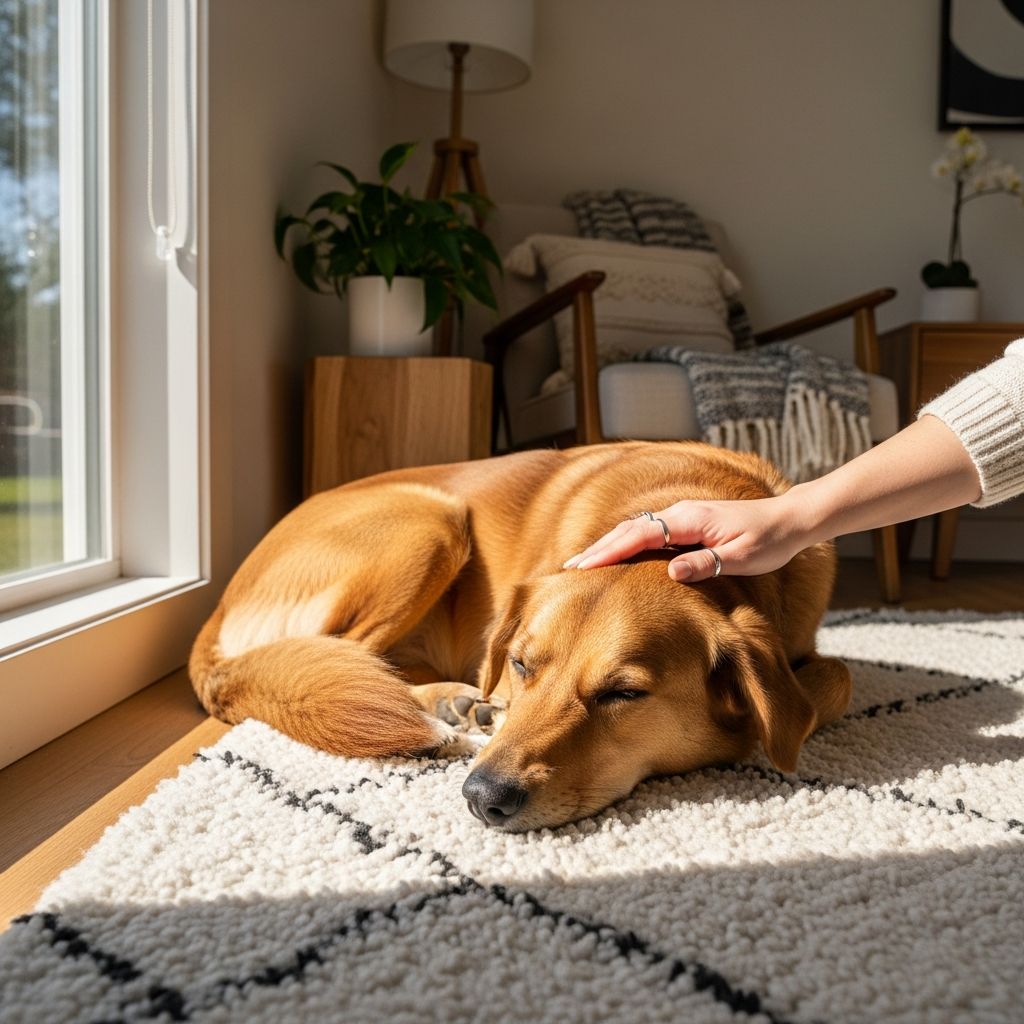
Every dog needs a dedicated retreat where they can withdraw without disturbance. Select a low-noise corner, perhaps near a window for people-watching, and furnish it with soft bedding, chew toys, and a water source. Respect this as ‘off-limits’ for family members to reinforce boundaries.
For multi-pet homes, separate spaces prevent territorial disputes. Use baby gates or crates for initial isolation, monitoring interactions through visual barriers. This setup allows gradual acclimation while minimizing overwhelm.
Managing Family and Visitor Interactions
Excitement from household members, especially children, can intensify a dog’s stress. Instruct everyone to approach calmly, avoiding direct eye contact or overwhelming petting. Teach kids to sit quietly and let the dog initiate contact.
Delay visitors for at least two weeks, allowing the dog to bond with core family first. When introductions occur, keep them brief and supervised, using treats to associate newcomers positively. For existing pets, follow structured meetings: neutral ground walks, then parallel play sessions not exceeding 20 minutes.
- Calm greetings: No hugging or picking up.
- Supervised play: Leashes on for safety.
- Positive reinforcement: Treats for relaxed behavior.
Enrichment and Low-Key Exercise Strategies
High-energy activities can heighten arousal in unsettled dogs, so opt for sniffing games and puzzle toys. Scatter kibble in the yard for foraging, equivalent to extended walks in stress reduction. Provide lick mats with peanut butter or frozen broth for soothing self-occupation.
Aim for two daily enrichment sessions: a stuffed Kong for 20-30 minutes or a towel roll with hidden treats. These fulfill natural instincts like chewing and investigating, curbing destructive tendencies born from boredom.
Quiet park visits on leash encourage olfactory exploration without social overload. Rotate activities to sustain interest, blending physical and mental outlets.
Navigating the First Nights and Solo Time
The initial evenings may involve whining or pacing as dogs process novel noises. Stay nearby initially, using white noise machines or soft music to mask unfamiliar sounds. A worn T-shirt in their bed offers your scent as reassurance.
Before leaving them alone, practice short absences starting at 5 minutes, extending gradually. Install a pet camera for remote checks. If separation anxiety emerges, consult a vet for short-term aids like calming supplements.
Monitoring Health and Behavioral Cues
Watch for refusal to eat, excessive panting, or hiding, which signal distress. A brief appetite dip is normal, but persistence warrants a vet visit to rule out illness exacerbated by stress. Track potty habits, as indoor accidents may require gentle retraining with positive reinforcement.
Schedule a post-move checkup to assess overall health. Note any aggression or withdrawal, addressing through professional training if needed.
Long-Term Integration Tips
After two weeks, expand freedoms: longer walks, neighborhood dog meetups, and off-leash yard time. Continue enrichment to prevent regression. Reassess routines quarterly, adapting to life changes while preserving core predictability.
Build lasting bonds through daily training sessions focusing on basics like sit and recall, strengthening trust.
Frequently Asked Questions
How long does it take for a dog to adjust to a new home?
Most dogs settle within 2-4 weeks, though sensitive breeds may need longer. Consistency accelerates the process.
What if my dog won’t eat in the new house?
Offer small, familiar meals in quiet settings. If lasting over 48 hours, see a vet.
Can pheromone products really help?
Yes, studies show they reduce anxiety markers in 70-80% of cases.
How do I introduce a new dog to my current pets?
Start with scent swapping, progress to leashed walks, and supervised short playdates.
Is crate training useful during moves?
Absolutely; it provides security. Introduce positively with treats beforehand.
References
- Moving to a new home with your dog — Cornell University College of Veterinary Medicine. 2023-06-15. https://www.vet.cornell.edu/departments-centers-and-institutes/riney-canine-health-center/canine-health-topics/moving-new-home-your-dog
- Ways to Make Moving Into a New Home With a Dog Less Stressful — American Kennel Club. 2024-02-10. https://www.akc.org/expert-advice/home-living/moving-with-dog/
- Adopting: Helping a Dog Adjust to a New Home — San Diego Humane Society. 2023-11-05. https://sdhumane.org/resources/adopting-helping-a-dog-adjust-to-a-new-home/
- How to Help Your Dog Adjust to a New Home — Bekins Van Lines (citing veterinary guidelines). 2024-01-20. https://www.bekins.com/moving-guides/new-home-living/how-do-we-help-our-dog-adjust-to-our-new-home/
- 6 Ways to Help Your Pet Adjust to a New Home — Guideposts (behavioral expert insights). 2023-09-12. https://guideposts.org/positive-living/friends-and-family/pets/dogs/6-ways-to-help-your-pet-adjust-to-a-new-home/
Similar Articles








Read full bio of Sneha Tete